Why Sunday Anxiety Can Trigger Alcohol Cravings
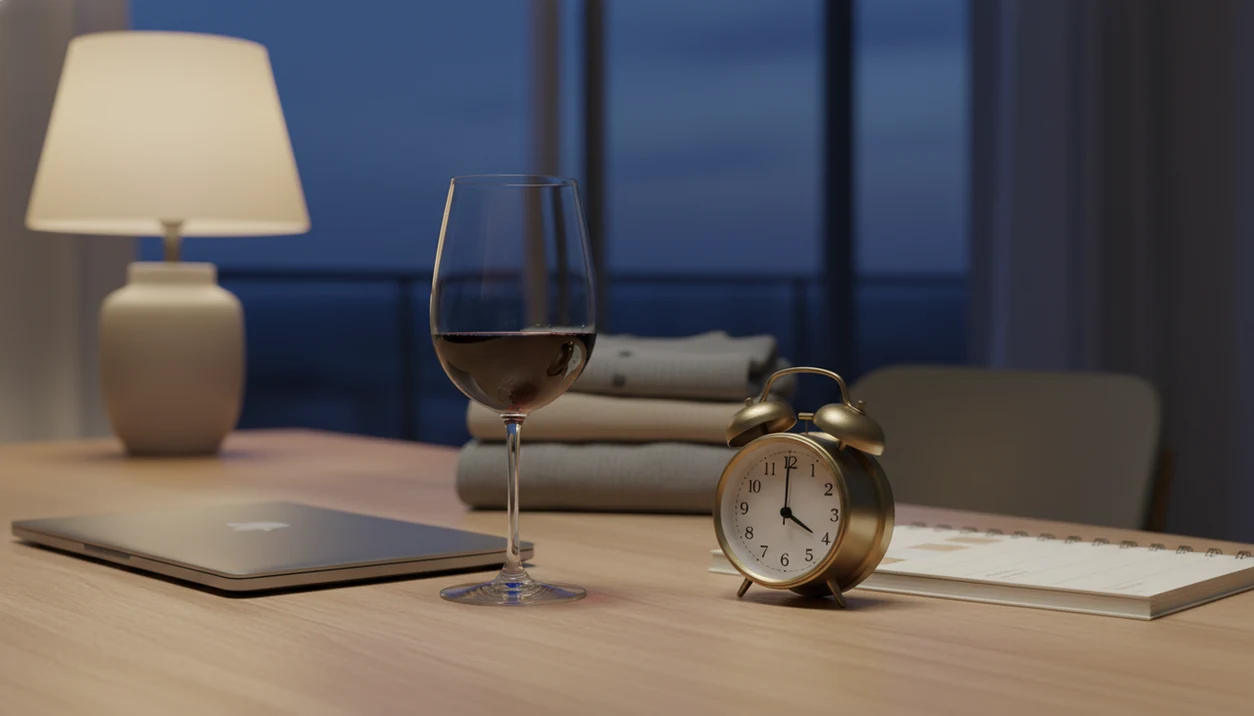
Sunday anxiety alcohol cravings happen when your brain starts treating the end of the weekend as a stress cue and alcohol as the fastest relief option. The urge is often anticipatory anxiety about Monday, not a true need for a drink, and it can get stronger when Sunday drinking disrupts sleep and makes Monday feel worse.
> Definition: Sunday anxiety alcohol cravings are drinking urges that appear on Sunday afternoon or Sunday night because the brain links workweek dread, stress relief, and alcohol.
TL;DR
- Sunday scaries alcohol cravings are usually driven by anticipatory anxiety about Monday, unfinished tasks, work pressure, or loss of weekend freedom.
- Alcohol may feel calming for a short time, but it can worsen sleep, mood, and next-day anxiety, which reinforces the Sunday-night drinking loop.
- The most useful response is to interrupt the cue-routine-reward pattern with planning, craving tracking, sleep protection, and support if control feels difficult.
Sunday anxiety alcohol cravings at a glance
Quick answer: Sunday anxiety can trigger alcohol cravings because the brain may pair the end of the weekend with relief-seeking. For many people, the urge is less about wanting alcohol and more about trying to quiet anticipatory stress about Monday.
Key takeaways
- Name the urge as anxiety first; this can reduce the feeling that drinking is inevitable.
- Plan Sunday evening before cravings peak, not after you feel overwhelmed.
- Eat, hydrate, and wind down early because fatigue can make urges feel stronger.
- Delay the first drink by 20 minutes and do one specific calming action.
- If stopping alcohol causes shaking, sweating, confusion, or severe anxiety, seek medical help.
Sunday scaries alcohol cravings are the Sunday afternoon or Sunday night urge to drink when Monday starts feeling too close. The trigger is often the shift from weekend freedom to workweek responsibility, not a sudden lack of discipline.
A craving is a signal, not a command. It may show up while you’re folding laundry, checking the calendar, or staring at Monday’s first meeting invite. The body reads that pressure as urgent.
Start small: name the trigger, delay the drink, plan one Monday task, and protect sleep. “Inbox dread, urge 7 out of 10” is more useful than “I’m stressed.” If evenings are your hardest window, the same skills used to stop evening cravings often fit Sunday night too.
The urge usually crests before the night does.
How Sunday scaries alcohol cravings work in the brain
Sunday anxiety alcohol cravings work through anticipatory anxiety and relief learning: the brain predicts Monday stress, remembers alcohol as fast relief, and starts producing urges before anything has happened.
Anticipatory anxiety means your mind is rehearsing future pressure. Deadlines, commutes, team calls, childcare logistics, bills, or an early alarm can all appear before the week begins. The brain treats that imagined load as a present problem.
Then the habit loop starts. Sunday dread is the cue. Drinking is the routine. The reward is brief quiet. If that pattern repeats, the brain learns, “Sunday discomfort means drink.” Next week, the craving can arrive automatically, even before you decide what you want.
Alcohol can sedate the nervous system for a short time. However, it may also fragment sleep, lower sleep quality, and leave Monday anxiety sharper. For many people, the drink solves the next hour and worsens the next morning.
Five facts about anticipatory anxiety drinking urges
- Sunday anxiety is often anticipatory anxiety. The worry is usually about Monday, the workweek, or unfinished responsibilities, not danger in the current moment.
- Alcohol cravings can be learned coping responses. A Sunday night urge to drink is not a character flaw; it may be the brain repeating a relief pattern.
- Drinking to calm Sunday dread can backfire. Alcohol may feel calming at first, but it can disrupt sleep and contribute to next-day anxiety or low mood.
- Weekend-only drinking can still become risky. Risk depends on control, cravings, amounts, and consequences, not only whether someone drinks daily.
- Planning beats willpower alone. Trigger planning, sleep routines, work boundaries, and support are more reliable than trying to argue with a craving at 9 p.m.
For Sunday drink urges, naming the trigger early is often easier than resisting alcohol later because the craving window has not fully peaked.
Sunday night urge to drink versus ordinary workweek anxiety
Not everyone with Sunday dread has an alcohol use disorder. The useful question is whether Sunday anxiety has become linked to repeated drinking, broken limits, or distress about not drinking.
| Pattern | Ordinary Sunday stress | Recurring Sunday drinking urge |
|---|---|---|
| Main feeling | Dread, restlessness, low mood | Dread plus a specific pull toward alcohol |
| Thought pattern | “I don’t want Monday to come” | “A drink would fix this” |
| Behavior | Planning, scrolling, complaining, sleeping badly | Buying alcohol, pouring early, or planning the evening around drinks |
| Warning signs | Stress fades after Monday starts | Failed limits, hiding drinking, consequences, or anxiety about not drinking |
| Risk context | May still deserve care | Higher concern if drinking reaches binge levels |
The CDC defines binge drinking as 4 or more drinks for women, or 5 or more drinks for men, on one occasion. CDC alcohol data. A sticky bar table under your fingertips on Sunday afternoon may feel harmless once, but the pattern matters.
Common workweek anxiety alcohol triggers on Sundays
The most common workweek anxiety alcohol triggers on Sundays are specific cues, not one vague bad mood. Naming the top two repeat triggers gives you something practical to change.
- Unfinished work and inbox dread. A half-open laptop can make the week feel active before it has started.
- Early meetings and commute dread. A 7:30 a.m. calendar block can turn Sunday evening into countdown mode.
- Social pressure and loneliness. Some people drink because Sunday feels too full; others drink because it feels too empty.
- Boredom and financial stress. Quiet hours can leave room for money worries, job fears, and “one drink” bargaining.
Weekend drinking can also worsen Sunday afternoon energy. Poor sleep, skipped meals, dehydration, and hangxiety make the nervous system more reactive. If your cravings shift after cutting back, sugar cravings after quitting alcohol can explain why the body sometimes asks for quick comfort in a different form.
How to use a Sunday craving plan before the urge builds
A Sunday craving plan works best when you use it before the urge becomes loud. Don’t wait until the bottle is open or the delivery app is already on-screen.
- Name the Sunday trigger and rate the urge. Say, “This is workweek anxiety, urge 6 out of 10,” instead of treating it as a random mood.
- Set a 20-minute delay before deciding about alcohol. Use the delay to eat, shower, breathe, or text someone.
- Move the body or change location to break the cue. Walk around the block, leave the kitchen, or sit somewhere without your usual drink setup.
- Prepare Monday with one small concrete task. Pack a bag, write the first email subject line, or choose clothes.
- Log the craving, outcome, and sleep plan. Note what helped and what time you’ll start winding down.
Me Quit can help adults privately track cravings, streaks, drink limits, and milestones. It can support day-by-day behavior change, but it is not a diagnosis, detox, or crisis-support service.
Common mistakes that make Sunday alcohol cravings worse
The most common mistakes are waiting too long, leaving the drinking cue in place, and trying to fix the entire week at once. A craving plan can still work after a rough Sunday if you treat the slip as information, not a verdict.
- Act before the urge hits an eight or nine. If you wait until your body is already bargaining hard, every choice feels heavier. Start the delay, food, walk, or text when the urge is a four or five.
- Remove alcohol from the usual Sunday spot. A bottle on the counter, a favorite glass, or the same couch-and-TV setup can keep the habit loop lit up.
- Protect the basics early. Eat something real, drink water, and guard sleep before the craving peaks. Hunger, dehydration, and exhaustion make Sunday dread louder.
- Shrink Monday to one task. Don’t solve the whole workweek at 7 p.m. Choose one small action that makes the morning less chaotic.
- Reset after a slip. If you drank more than planned, log what happened and adjust the next Sunday cue. One hard night does not prove the plan is useless.
Sunday scaries alcohol cravings and the sleep loop
Alcohol can feel calming on Sunday night, but it may fragment sleep and lower sleep quality. The Sleep Foundation summarizes evidence that alcohol can reduce sleep quality and disrupt sleep architecture even when it helps someone fall asleep faster sleepfoundation alcohol data. That matters because poor sleep makes Monday stress feel heavier and cravings more likely next time.
The loop is simple: Sunday anxiety rises, drinking brings short relief, sleep gets worse, Monday feels harder, and the next Sunday carries more dread. A sleepy slump after a dry night is unpleasant; a sleepy slump after several drinks can come with guilt, dehydration, and racing thoughts too.
Sleep protection is not glamorous. It works anyway. Try an earlier wind-down, a caffeine cutoff, a non-alcohol drink already in the fridge, and a phone boundary before bed. If you’re practicing a full alcohol-free stretch, track alcohol free progress can make the sleep and mood changes easier to notice.
When Sunday night drinking urges need support
“Do Sunday night drinking urges mean I need help?” They can, especially if cravings are frequent, amounts are escalating, limits keep breaking, or anxiety about not drinking starts driving the evening.
Seek support if you hide drinking, drink despite consequences, feel unable to cut back, notice withdrawal symptoms, or have panic, depression, or safety concerns. Alcohol use disorder is about control, craving, consequences, and distress, not only daily drinking. In the United States, about 28.9 million people ages 12 and older had alcohol use disorder in 2023, according to NIAAA. NIAAA alcohol data.
SAMHSA says its National Helpline is available 24/7, 365 days a year for U.S. readers who need treatment referral or support information SAMHSA. Me Quit can support private behavior change for adults who want to drink less, track cravings, and build milestones, but urgent safety or withdrawal concerns need qualified care.
Clinicians typically recommend medical or mental health support when alcohol cravings are tied to withdrawal symptoms, loss of control, severe anxiety, depression, or safety risk.
Limitations
This guide can help you understand a Sunday pattern, but it cannot tell the whole story of your anxiety or drinking. The same Sunday night urge can come from several different causes.
- Mindfulness, planning, and tracking are not cures for alcohol use disorder or anxiety disorders.
- Withdrawal symptoms, severe anxiety, depression, or safety concerns need professional help, not just an app or article.
- Online guidance is not a substitute for medical, mental health, or emergency care.
Reset, not restart from zero. If Sunday went sideways, the next useful step is to learn what triggered it.
FAQ
Why do I crave alcohol on Sundays?
You may crave alcohol on Sundays because your brain links workweek dread, anticipatory anxiety, and alcohol relief. The urge can become a learned response if drinking has calmed Sunday stress before.
What are Sunday scaries?
Sunday scaries are anxiety, dread, or restlessness that appears before the workweek starts. They often show up on Sunday afternoon or Sunday night.
Can anxiety cause alcohol cravings?
Yes, anxiety can cue alcohol cravings when alcohol has been used for relief in the past. The craving is a learned stress response, not a moral problem.
Does alcohol worsen Sunday anxiety?
Alcohol may feel calming for a short time, but it can disrupt sleep and contribute to rebound anxiety or low mood. Monday can feel harder as a result.
Is weekend-only drinking risky?
Weekend-only drinking can be risky if amounts are high, limits fail, cravings appear, or consequences follow. Risk is not based only on drinking frequency.
How do I stop drinking on Sundays?
Identify your Sunday triggers, delay the first drink, change location, prepare one Monday task, and track the craving. Me Quit can be used for private craving and milestone tracking.
What helps with Sunday night alcohol cravings?
Urge surfing, food, hydration, movement, Monday planning, and support can help during the craving window. The urge surfing alcohol cravings method is useful when the urge rises and falls in waves.
When should I get help for alcohol cravings?
Get help if cravings feel uncontrollable, drinking keeps escalating, withdrawal symptoms appear, or anxiety includes panic, depression, or safety concerns. Me Quit is not a replacement for medical care or crisis support.