
How to Socialize Without Alcohol Without Feeling Left Out
The quick version
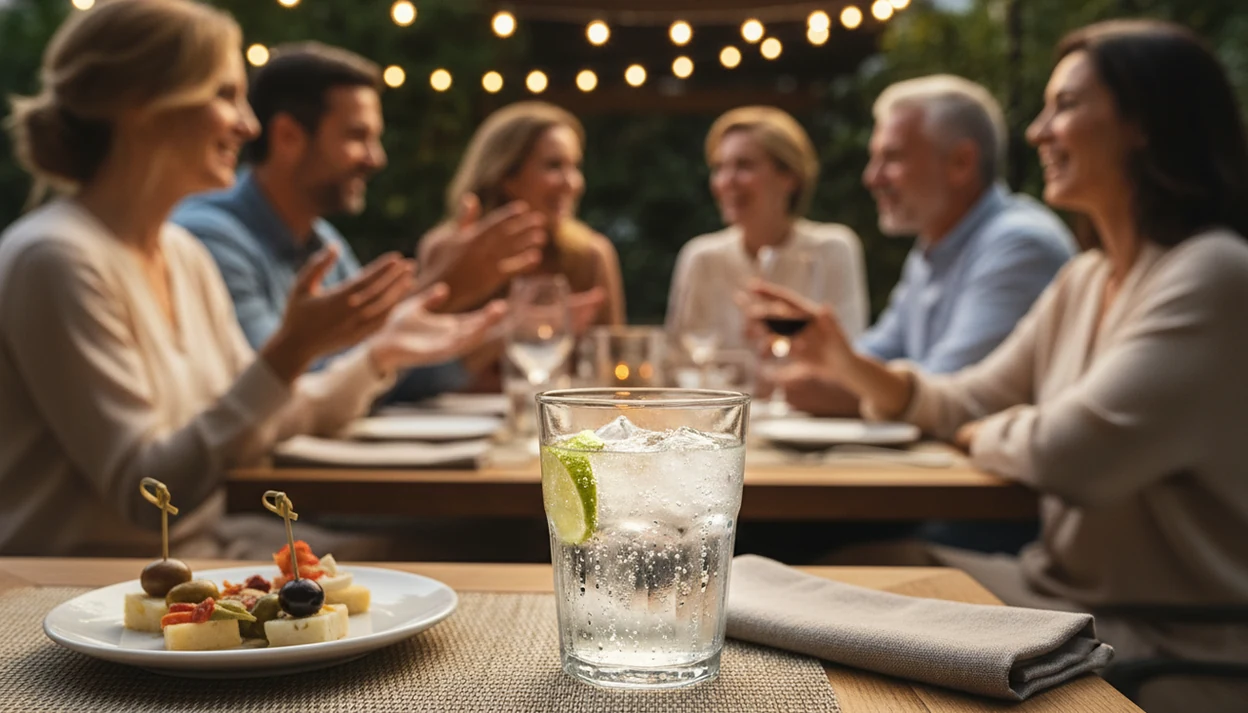
To socialize without alcohol, decide your drink choice before arriving, start with lower-pressure events, and prepare one short response for drink offers. Order an alcohol-free option early, stay near supportive people, and leave when cravings or fatigue rise. Early awkwardness is common. Repeated sober outings can make conversation and confidence feel more natural.
The hardest part of a sober event is often not the whole evening. It may be the first drink order, a toast, an old friend pushing a round, or the moment everyone moves to a bar. Planning for those specific moments reduces the number of decisions you must make under pressure.
Start with an event you can control. Eat beforehand, arrange your own ride, choose a drink, and decide when you will leave. You are not required to prove that you can handle every bar, wedding, vacation, or late-night party immediately.
What sober socializing actually means
Sober socializing means joining normal social life without drinking alcohol, not hiding from people or punishing yourself. The skill is staying present at dinners, dates, weddings, work events, games, concerts, and casual nights out without relying on alcohol.
The point is connection without handing the steering wheel to alcohol. That may support mindful drinking, quitting alcohol, or a broader behavior-change plan that also includes nicotine, vaping, or evening cravings. No diagnosis required.
The first few times can feel oddly exposed. A pub exit through the smoking area can light up two habits at once, drink and cigarette.
Check withdrawal risk before planning a sober event
Sober socializing is safest to practice when the event is manageable, your body is stable, and you have a way to leave. Postpone the event if you are in withdrawal, in crisis, or repeatedly unable to stop drinking once you start.
- Classify the event: Call it low-risk, moderate-risk, or alcohol-centered before you commit. Coffee, brunch, or a movie may be low-risk. A dinner with some drinking may be moderate. A bar crawl, open bar, or after-party may be alcohol-centered.
- Pause if you are unsafe: Do not use a party as a willpower exam if you are shaking, panicking, in crisis, or unable to stop once you start.
- Bring support or decline: Ask a steady person to attend, stay reachable by text, or help you leave. If pressure is predictable, skipping the event can be the stronger choice.
- Prepare your body and exit: Eat first, hydrate, arrange transportation, and set a leaving time before arrival.
- Ask a clinician before stopping: If you drink heavily every day or develop symptoms between drinks, do not quit suddenly without medical guidance, because alcohol withdrawal can be dangerous.
The first sober event may need to wait
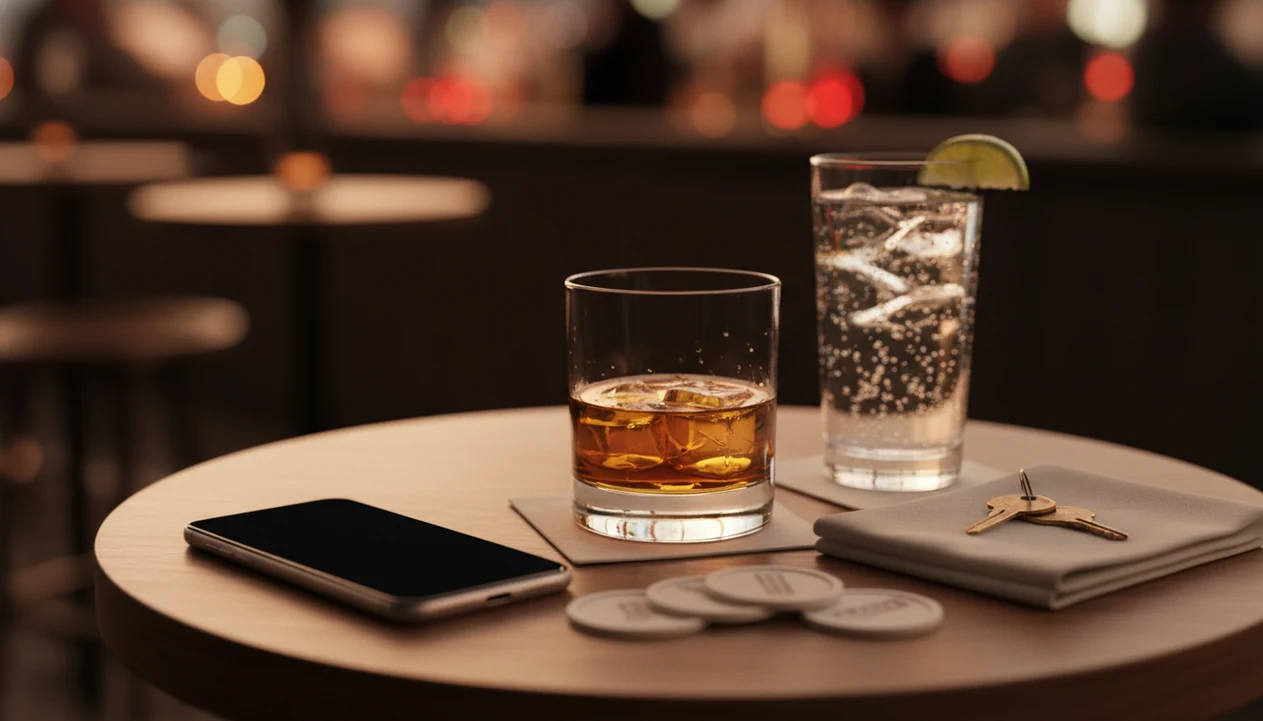
Alcohol withdrawal can begin 6 to 12 hours after the last drink. Symptoms may include anxiety, sweating, nausea, insomnia, shaking, or a rapid heartbeat. The first 48 hours are often the hardest, and symptoms commonly improve over 3 to 7 days, according to NHS alcohol withdrawal treatment guidance. Sleep can take longer to settle.
Do not schedule a first sober party as a test during this period. Someone who drinks heavily every day, needs alcohol to relieve morning symptoms, or develops symptoms between drinks should get medical advice before stopping suddenly. Hallucinations, severe shaking, confusion, or a seizure require urgent medical help. NHS alcohol support guidance describes medically supported withdrawal options.
During a medically advised reduction or withdrawal plan, choose low-pressure contact, arrange transportation, and keep a supportive person informed.
Why familiar events can trigger an urge to drink
Alcohol-free social events feel hard at first because the brain may expect the old cue-routine-reward loop: event cue, drink routine, temporary relaxation reward. When the drink is removed, the cue is still there.
- A party, bar, wedding, or dinner can become a cue before you consciously decide anything.
- Alcohol often acts as a social anxiety shortcut, but shortcuts can delay learning sober coping skills.
- Awkwardness is not proof that sobriety is failing; it is often the brain relearning a familiar room.
- Heavy social drinking is still common. In the 2022 National Survey on Drug Use and Health, about 21.5% of U.S. adults reported binge drinking in the past month, according to SAMHSA SAMHSA.
- The hand-to-mouth reflex after lunch, or the urge to order what everyone else ordered, is a learned routine, not a character flaw.
How sober confidence develops through practice
Sober socializing works through repeated sober exposure. Each time you stay present without drinking, your nervous system gets new evidence that social situations can be safe without alcohol.
- Gradual exposure means practicing the feared setting in manageable doses instead of avoiding it completely.
- Cognitive restructuring means testing thoughts like “everyone will judge me” against what actually happens.
- Breathing, grounding, and self-talk help the body ride out the peak of anxiety without leaving immediately.
- CBT-style tools, including exposure and cognitive restructuring, are evidence-backed approaches for social anxiety; a 2017 meta-analysis found cognitive-behavioral and related psychological interventions effective for social anxiety disorder the NIH.
- Sober confidence usually grows through repetition, not one heroic night.
Consider therapy when social anxiety regularly limits your life or repeatedly leads you to drink. An app can support practice, not replace care.
Set a boundary you can follow under pressure
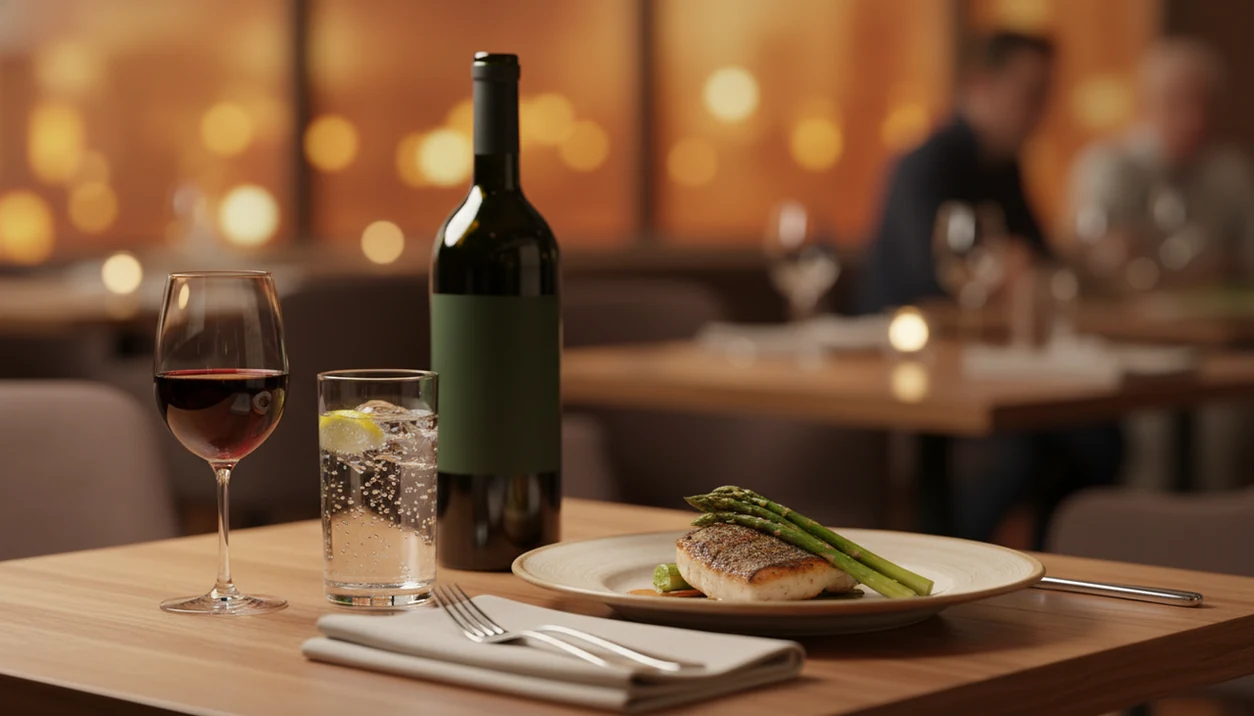
“Should I decide not to drink before I get there?” Yes, because deciding in advance is easier than deciding while tired, hungry, pressured, or craving.
Pick a boundary that fits the event. It might be no alcohol tonight, leave after one hour, avoid shots, skip the after-party, or only attend dinner. A wedding boundary may sound different from a work happy hour boundary. That’s fine.
Tell one supportive person if it helps. Keep the script short: “I’m not drinking tonight, but I’m happy to be here.” You do not need a courtroom defense.
For people cutting back, the most useful boundary is one you can follow while stressed, not one that only works in a calm kitchen at 2 p.m.
Get medical advice before stopping suddenly if you drink heavily every day or develop shaking, sweating, nausea, anxiety, or other symptoms between drinks. Call emergency services for a seizure, hallucinations, severe tremors, or confusion.
How to stop drinking when everyone else drinks
Staying sober around drinkers is easier when you control the setting, duration, and exit. Start with coffee, breakfast, a walk, a movie, or a restaurant meal rather than a bar crawl or house party. Meet one or two supportive people before trying a large event. Avoiding a high-risk room early on is preparation, not failure.
| Instead of | Try |
|---|---|
| Friday night at a crowded bar | Saturday breakfast or an afternoon activity |
| Watching friends order repeated rounds | A meal with a fixed ending time |
| Relying on someone else for a ride | Driving yourself or booking independent transportation |
| Explaining your full history | “I’m not drinking tonight” followed by a new topic |
Tell one trusted person what would help, such as not offering drinks, leaving with you, or answering a text. Keep an alcohol-free drink in hand if that reduces offers. If people mock the decision, keep pushing drinks, or interfere with your exit, leave. Social pressure is not a requirement for friendship, and protecting sobriety takes priority over appearing easygoing.
Choose plans where drinking is not the main activity
Having fun without drinking gets easier when alcohol is not the main event. Changing the environment reduces reliance on willpower.
- Daytime food plans: Coffee, brunch, food trucks, and daytime markets give you built-in activity and an easier exit.
- Movement plans: Hiking, fitness classes, climbing gyms, and recreational sports make the reward physical.
- Low-pressure culture plans: Movies, museums, comedy shows, bookstores, and concerts work when you want shared focus.
- Connection plans: Game nights, volunteering, hobby groups, and small dinners create conversation without bar pacing.
Younger social norms are also shifting: CDC Youth Risk Behavior Survey data show current alcohol use among U.S. high school students fell from 50.8% in 1991 to 22.7% in 2021 CDC.
For more structured practice, alcohol reduction guides can help you match the social setting to your current risk level.
How to have a social life without alcohol after quitting
A social life after quitting alcohol may need different settings, timing, and people, especially early on. That does not mean giving up friendship. It means building plans around conversation or activity instead of rounds of drinks. Coffee, brunch, movies, walks, climbing, volunteering, game nights, dessert, and small dinners all provide something to do while conversation develops.
| Event | Safer adjustment |
|---|---|
| Work happy hour | Order immediately and leave after 45 minutes |
| Wedding | Bring a sober companion and control your transportation |
| Holiday gathering | Set boundaries before arrival and schedule a leaving time |
| Old drinking friends | Meet one person during the day instead of joining the whole group at a bar |
| Club or bar | Attend briefly, arrive later, or skip it while your routine is new |
Some friendships adjust easily. Others may have depended mainly on drinking together. Give supportive friends a concrete alternative, such as lunch Saturday or a morning hike. If someone repeatedly pressures you after a clear refusal, distance may be safer than another explanation. You do not need to decide today if bars are off-limits forever. Choose the setting that supports your current goal.
How to drink less on vacation without arguing about it
Vacations remove familiar routines and can make drinking begin earlier or continue longer. Decide which days and events will be alcohol-free before the trip. Put morning plans on the schedule, choose restaurants with appealing nonalcoholic options, and avoid keeping alcohol in the room if easy access makes your plan harder.
Short responses for group trips
- “I’m pacing myself.”
- “I’m starting with water.”
- “I’m not drinking today.”
- “I want a clear morning.”
- “No thanks, I already decided.”
Plan transportation even at a resort, wedding, or cruise stop. If the group is moving from dinner to a bar, decide beforehand if that is your exit cue. Build in alcohol-free activities such as breakfast, swimming, sightseeing, hiking, museums, or coffee. A missed limit is a reason to review the setting and change the next day’s plan, not a reason to abandon the whole trip. If you cannot reliably control drinking once you start, abstinence and professional support may be safer than vacation limits.
Alcohol-free drinks: helpful substitute or trigger?
The simplest sober drink order is the one that lowers attention and does not trigger cravings. Sparkling water with lime, soda water, tea, coffee, kombucha, tonic alternatives, and some mocktails can all work.
Holding a normal-looking drink can reduce questions for some people. It also gives your hand something to do during the first ten minutes, when the room still feels too bright and everyone seems louder than usual.
But alcohol-free beer, wine, and mocktails can mimic drinking cues. The smell, glassware, label, or first sip can wake up the old routine. Choose the least triggering option, not the fanciest option. A lime wedge sinking in club soda is enough if it keeps the night simple.
What can you say when someone offers a drink?
Short sober scripts work because they close the topic instead of opening a debate. You do not owe anyone a medical, recovery, or personal explanation.
- “I’m not drinking tonight.” Clear, calm, and hard to argue with.
- “I’m taking a break.” Useful if you want a broad answer without details.
- “I have an early morning.” Works well at work events or casual dinners.
- “No thanks, I’m good.” Good for repeated offers when you want fewer words.
If someone says, “Just have one,” repeat the boundary and redirect: “No thanks, I’m good. How was your trip?” Overexplaining can invite cross-examination. Boundary repetition is boring in a useful way.
If anxiety is the main trigger, social anxiety without alcohol goes deeper on confidence practice.
How to drink less when eating out at restaurants
Restaurant pressure often starts before the menus close. Decide your first order before sitting down and say it plainly: “I’ll start with sparkling water,” “No second round for me,” or “Please do not refill my glass without asking.” Ordering first can prevent the table’s choice from becoming your automatic choice.
Match the plan to the dinner
- Celebration: use an alcohol-free drink for the toast, or switch immediately after a planned first drink if you are cutting down.
- Business meal: order briefly and directly, such as “Sparkling water for me, thanks.”
- Date night: name your plan early instead of matching the other person’s pace.
- Family dinner: repeat one calm sentence, then change the subject.
Wine is not automatically moderate because it comes with food. Shared bottles and automatic top-offs make personal amounts difficult to count. If you are reducing rather than abstaining, order by the glass and ask before any refill. If you are not drinking, order an alcohol-free option as soon as you sit down. Eat normally, keep water nearby, and pay or leave when bargaining about another round begins.
Let social anxiety rise and fall without drinking
Social anxiety often rises, peaks, and falls if you stay present instead of escaping immediately. You do not need to feel calm immediately to make progress. Stay with the feeling long enough to learn that it can peak and ease without a drink.
- Box breathing can slow the panic loop: inhale four, hold four, exhale four, hold four.
- Five-senses grounding pulls attention away from imagined judgment and back into the room.
- Loosening the jaw and shoulders tells the body you are not bracing for danger.
- Self-compassion statements help: “This is awkward, and I can still stay.”
- Gradual exposure builds confidence by starting with easier events before harder ones.
Restlessness, chest tightness, and the sense that you need something can be uncomfortable, but they do not require you to drink.
Those sensations are uncomfortable, but they are not instructions. CBT and therapy can help when anxiety is persistent or limiting. Apps and trackers can support practice, but they are not treatment for anxiety disorders or alcohol use disorder.
How to avoid drinking at parties when cravings hit
Party drinking triggers can come from the room or from inside you. An open bar, someone pouring rounds, a move to a second venue, nervousness, loneliness, and seeing people smoke may each call for a different response. Identify the likely trigger before arriving instead of treating every urge as a surprise.
| Trigger | Response |
|---|---|
| Open bar by the entrance | Walk past it and get food or an alcohol-free drink first |
| Repeated offers | Use one refusal line, then move seats or change conversations |
| Anxiety before small talk | Breathe slowly, text support, and begin with one familiar person |
| Smoking or vaping cues | Use gum and stay away from the smoking area |
| Late-night venue change | Leave before the group moves |
When a craving starts, delay the decision and change something physical. Move away from the bar, get food, use the restroom, step outside somewhere smoke-free, or message a supportive person. Reassess after 30 minutes. Leave if offers continue, you start bargaining with your boundary, or several triggers are building at once. Leaving early protects the plan. It does not erase the time you spent connecting.
What changes after an alcohol-free night out
The benefits of sober nights out often show up the next morning: clearer memory, steadier mood, safer travel choices, and fewer regret spirals. They also reinforce mindful drinking or quitting goals.
- Sleep may improve because alcohol can disrupt sleep quality, especially later in the night.
- Mood may feel steadier without rebound anxiety or the “what did I say?” phone scroll.
- Energy is often better when the next-day routine stays intact.
- Conversation recall is sharper because you were fully present for it.
- Safer decisions become easier when you are not negotiating rides, texts, or boundaries while impaired.
In a University of Sussex evaluation of Dry January participants, many reported better sleep, more energy, improved concentration, weight loss, and longer-term changes in drinking habits after the 31-day break ac.
Sober nights can also stack with quitting smoking or vaping. One tiny win supports the next, especially when tracked through sober streak motivation science.
Avoid the traps that make sober events harder
Sober socializing gets harder when the plan depends only on willpower. Small planning changes prevent predictable trouble.
Arriving hungry makes cravings louder, so eat before you go. Staying too late turns a manageable night into a fatigue test, so set an exit time. Going alone to a high-risk bar can overload your plan, so bring support or choose a different setting.
Overexplaining is another trap. A long answer can invite opinions you did not ask for. Keep the script short. Triggering mock drinks can also backfire, especially if the glass, smell, or ritual feels too close to the old routine.
Not drinking does not mean losing all social connection. It may mean changing the room, the time, or the people. If evenings are your hardest window, how to stop evening alcohol cravings can help you plan around that decision point.
Review the night while the details are fresh
A sober socializing progress check turns each event into a learning loop. Ask four questions: what worked, what triggered cravings, what will I change next time, and what tiny win should I record?
Write the answers before the night blurs into a general mood. Maybe arriving early helped. Maybe the bathroom stall cloud after class made you want to vape, then the bar menu made you want a drink. That is useful data.
Tracking cravings, streaks, dry days, and milestones reinforces the new cue-routine-reward loop. The reward becomes visible progress, not just relief.
How to find an app to set drink limits, track alcohol, and drink less in social situations
A social drinking tracker is most useful before the first order and immediately after each drink. If your goal is cutting down rather than abstinence, enter a limit before arriving, plan food and transportation, and count drinks as they happen. Cocktails and generous pours can contain more alcohol than their glass count suggests, so memory alone may undercount a busy night.
- Set the limit and leaving time while sober.
- Record each drink when it arrives, not the next morning.
- Switch to water, soda, or another alcohol-free drink before reaching the limit.
- Review the setting, people, time, and emotion connected to any missed limit.
- Choose abstinence and seek professional advice if limits repeatedly fail.
Tracking does not make a chosen limit safe for everyone. The CDC guidance on moderate alcohol use says adults may choose not to drink. Its daily limits are not targets, and drinking within them does not remove all risk. Someone trying to remain sober should track cravings, dry days, and triggers rather than setting a drinking allowance.
Questions about going out sober
Can I still enjoy parties without drinking?
Yes, but the first few may feel unfamiliar because the setting still carries old drinking cues. Start with a shorter party, arrive after eating, order an alcohol-free drink immediately, and talk with one familiar person. Leave before fatigue, repeated offers, or a move to a second venue makes the plan harder.
What should I drink instead of alcohol at a social event?
Soda water with lime, sparkling water, tea, coffee, soda, or another familiar alcohol-free drink can work. Mocktails and nonalcoholic beer help some people feel included, but their taste, smell, or presentation can trigger cravings for others. Choose the option that creates the least mental debate.
What do I say when someone pressures me to drink?
Use one short sentence: “I’m not drinking tonight,” “No thanks, I’m good,” or “I have an early morning.” Then ask a question or move to another conversation. If the person continues, repeat the same answer. You do not owe anyone a medical history or detailed explanation.
How can I calm down at a sober social event?
Slow your breathing, relax your jaw and shoulders, and name five things you can see. Move away from the bar and begin with one safe person or a simple task, such as getting food. Stay for a few minutes after the anxiety rises if you feel safe, so your body can experience it easing.
Should I avoid bars after quitting alcohol?
You do not need to make a permanent decision immediately. Bars can be high-risk because alcohol is visible, easy to obtain, and central to the activity. Early on, choose restaurants, coffee shops, daytime plans, or activity-based events. Consider a bar later only if you have a firm plan, support, and independent transportation.
How do I date sober without making it awkward?
Choose a date with a built-in activity, such as coffee, lunch, a walk, a museum, or mini golf. Order first and keep your explanation brief: “I’m not drinking tonight.” A respectful date will usually accept the answer. If someone pushes alcohol after you decline, treat that as useful information about the person.
How long do alcohol cravings last at a party?
There is no exact time that applies to everyone. Treat the urge as temporary and reassess after a short delay, such as 20 to 30 minutes. Move away from alcohol, get food or an alcohol-free drink, and contact support. Leave if the craving keeps building or you begin bargaining with your plan.
Will I lose friends if I stop drinking?
Some friendships adapt quickly when you suggest coffee, meals, walks, games, or daytime activities. Others may have centered mainly on drinking. Give people a clear alternative and notice who respects your boundary. Repeated pressure, ridicule, or interference with your exit may be a reason to create distance.