Why Weekends Trigger Alcohol Cravings
Weekend alcohol cravings often happen because Friday and Saturday combine learned drinking cues, less structure, reward-seeking, and anxiety after a demanding week. The urge is not a character flaw; it is usually a conditioned brain-and-routine response that can be predicted, tracked, and interrupted.
Definition: Weekend alcohol cravings are strong urges to drink that appear or intensify during Friday-to-Sunday downtime, often because the brain has linked weekends with alcohol, relief, reward, social connection, or escape.
TL;DR
- Weekends can trigger drinking because the brain expects alcohol at familiar times, places, moods, and social settings.
- Less structure, disrupted sleep, boredom, loneliness, paydays, and weekend anxiety can make cravings feel stronger than weekday urges.
- The most effective response is usually a planned weekend routine: identify trigger windows, add healthier rewards, track urges, and use coping skills before the craving peaks.
5 weekend alcohol craving drivers at a glance
Quick answer: Weekend alcohol cravings often happen because the brain links Friday and Saturday with relief, reward, and social routines. Less structure, emotional letdown, and familiar cues may make urges feel stronger, but they can often be reduced by planning, tracking patterns, and adding alternative rewards.
Key takeaways
- A craving is a temporary signal, not a decision you have to obey.
- Friday urges often start before the first drink because the brain anticipates reward.
- Unplanned time can make drinking feel like the default activity.
- Stress relief cravings may fade if another calming routine is practiced repeatedly.
- Tracking time, place, mood, and company can reveal repeatable weekend patterns.
- Heavy daily drinkers should ask a clinician before stopping suddenly because withdrawal can be dangerous.
- Reward learning: If Friday night has meant drinks for years, the brain starts treating the weekend itself as a cue.
- Cue exposure: Friends, bars, sports, playlists, cooking dinner, and a party cooler packed with cans can all trigger an urge before anyone pours anything.
- Less structure: Empty time gives cravings more room to bargain. The thought gets louder when there is no next task.
- Anxiety: Weekend anxiety alcohol cravings often come from social stress, loneliness, or dread about Monday.
- Binge-risk patterns: In 2022, the CDC reported that 21.7% of U.S. adults binge drank in the past month (CDC alcohol use data), and those patterns often cluster around weekends.
Weekend-only drinking can still be risky if urges feel intense, limits keep moving, or stopping feels hard once alcohol starts.
Small pattern. Big signal.
Brain cues behind Friday and Saturday alcohol cravings
Weekend alcohol cravings work through conditioned cues: the brain learns that certain weekend signals predict alcohol, then creates an urge before the drink appears.
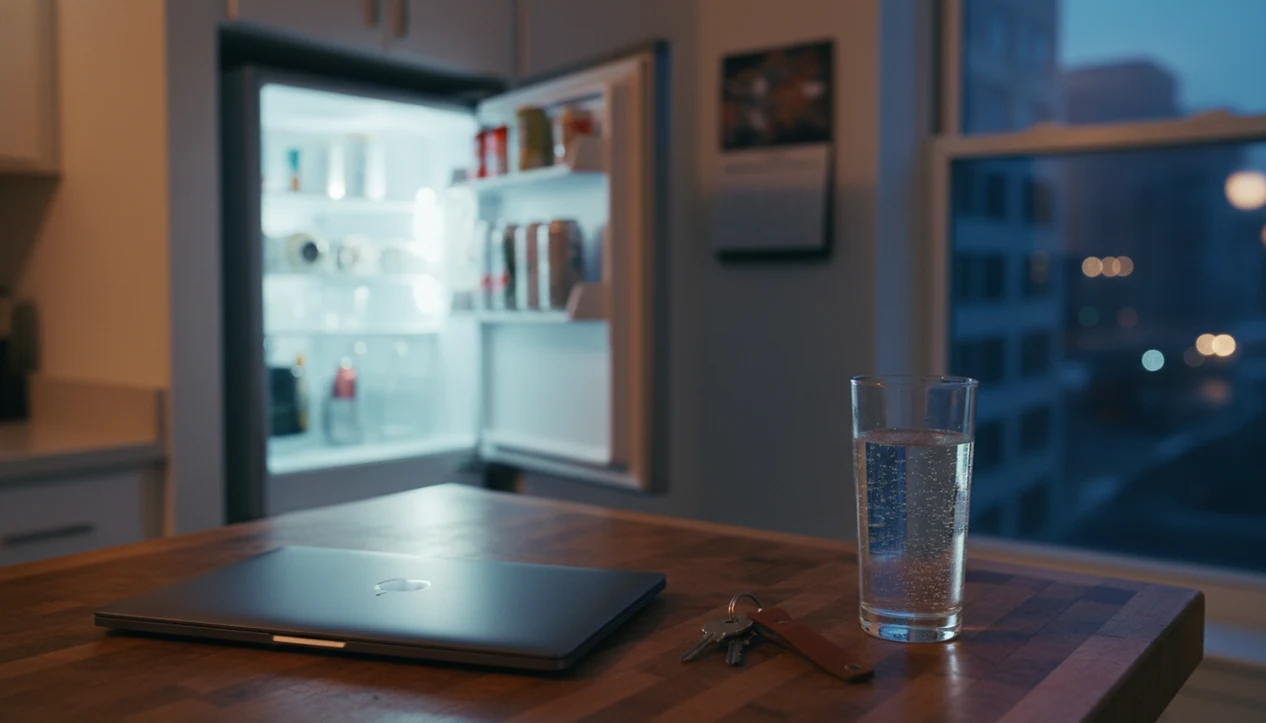
That cue might be shutting the laptop, hearing a game start, texting one specific friend, passing the same bar, getting paid, or stirring sauce while a bottle sits nearby. Dopamine is part of the prediction system. It does not only respond to alcohol; it also responds to signs that alcohol might be coming.
That is why the urge can feel automatic even after a clear decision not to drink. Your goal says “not tonight,” but the cue-routine-reward loop has already opened a tab in the background.
Clinicians typically recommend planning for cravings before high-risk cues, because coping skills are easier to use before the urge peaks. Cortisol and stress matter too. After a high-pressure week, alcohol can look like fast relief, but it may worsen anxiety later, especially with poor sleep. For more on that rebound, read why alcohol causes hangxiety.
Why empty calendars increase weekend alcohol cravings
Why do empty weekends make alcohol cravings worse? Weekdays usually come with external rails; weekends often leave more room for negotiation with the craving.
During the week, meetings, school runs, gym times, commutes, and bedtime routines reduce decisions. On Saturday, the day may stretch open. Boredom, skipped meals, late sleep, and decision fatigue can all lower your patience with discomfort. A craving starts as “maybe later,” then becomes “why not now?”
The empty calendar problem is simple: fewer constraints create more bargaining space. Friday 5–8 p.m. is a classic window because work ends before a new routine begins. Saturday afternoon can wobble after errands. Sunday evening can bring dread, especially if the weekend did not feel restful.
Put one anchor in the gap. A walk at 5:30. Food before the party. A film booked for 8. The full pattern is covered in the weekend drinking cycle.
Weekend anxiety alcohol cravings and the relief loop
Weekend anxiety alcohol cravings can happen when downtime removes distraction and leaves the nervous system with too much space to scan for problems.
Some people feel anticipatory anxiety before social plans. Others feel it from family stress, dating apps, money worries, loneliness, or the upcoming workweek. The body may call it “I need something” before the mind names it as anxiety. Heavy shoulders at happy hour are not imaginary. They are a body signal.
Alcohol can reduce that discomfort in the short term. Then the next day can bring worse sleep, more guilt, lower mood, and stronger anxiety. That relief loop teaches the brain, “When this feeling returns, drink again.”
Using alcohol as the main anxiety tool can increase dependence risk and make anxiety harder to manage over time. For many people, urge surfing alcohol cravings is often easier than arguing with the urge because it treats the craving as a time-limited wave, not a command.
Dopamine rewards behind weekend drinking urges
Weekend drinking urges often come from dopamine contrast: after a tightly controlled week, the brain starts looking for fast reward, novelty, and release.
Alcohol can seem like the shortest path to that reward. It is available, familiar, and socially approved in many weekend settings. A measuring shot glass near the sink can become a tiny green light. The problem is not wanting pleasure. The problem is having only one reward ready when the craving arrives.
Healthier dopamine-supporting swaps work better when scheduled before the danger window:
- Movement: A workout, long walk, or short run gives the body a clear state change.
- Light and music: Sunlight plus a playlist can shift mood without a drink.
- Food plans: A real meal reduces shaky, impulsive decisions.
- Connection: A sober plan with one person beats vague “I’ll behave” intentions.
- Novelty: A class, project, new route, or recovery milestone gives the brain something to anticipate.
For social drinkers, planned rewards are often more useful than last-minute willpower because they reach the craving before it peaks.
6 steps for a Friday night weekend craving plan
Use a Friday plan before the first craving window, not after you are already negotiating with yourself.
- Map your triggers: Write down the time, place, people, emotion, and body state linked to last weekend’s strongest urge.
- Set your boundary: Choose drink limits, no-drink windows, or a full alcohol-free night before the invitation arrives.
- Plan a replacement reward: Schedule food, movement, music, a film, a game, or a low-pressure hangout.
- Prepare your script: Use one sentence, such as “I’m taking tonight off” or “I’m driving early tomorrow.”
- Track the urge: Log intensity, duration, trigger, response, and outcome while it is still fresh.
- Review the weekend: Notice what worked, what slipped, and what needs a smaller if-then plan next time.
Tools like Me Quit can make this private and quick when the urge note gets typed under a table. MeQuit is a quit smoking app that helps adults stop smoking, stop vaping, drink less, and track cravings, streaks, and milestones. If you want a broader tracking setup, use this guide to track alcohol progress.
Weekend binge drinking risks behind recurring cravings
Binge drinking is commonly defined as 4 or more drinks for women or 5 or more drinks for men in about 2 hours (NIAAA binge drinking definition). Drinking little during the week does not erase weekend binge risk.
According to SAMHSA’s 2022 National Survey on Drug Use and Health, among adults who used alcohol in the past year, 28.8% reported binge drinking in the past month, and 6.7% reported heavy alcohol use (SAMHSA 2022 NSDUH report). NIAAA reported that 37.4% of adults aged 18–25 and 25.8% of adults 26 and older reported binge drinking in the past month (NIAAA alcohol facts and statistics).
The weekend concentration shows up in harm data too. A CDC analysis of 2020 emergency department visits found alcohol-related visits peaked on weekends, with higher visit rates on Fridays and Saturdays than weekdays.
No shame in the data. It just tells us where to look.
Recurring weekend cravings deserve attention when they lead to blackouts, injuries, unsafe driving, broken limits, or the thought, “I already messed up, so why not keep going?” More plain-language background lives in the alcohol reduction guides.
Weekend alcohol craving triggers worth tracking
The most useful weekend trigger map tracks when the urge appears, where it happens, who is present, what you feel, what your body needs, and what other habits are paired with alcohol.
- Time: Friday 6 p.m., Saturday afternoon, Sunday night, payday, or after a late nap.
- Place: Bar patio, couch, kitchen, commute, hotel room, stadium, or friend’s apartment.
- People: One drinking friend, family conflict, dating pressure, or a group chat making plans.
- Emotion and body state: Anxiety, boredom, loneliness, hunger, tiredness, restless legs, or a tight chest.
- Substance pairings: Alcohol with cigarettes, vaping, sports, gaming, cooking, dating apps, or late-night food.
Quitting smoking or vaping can make weekend alcohol cues feel stronger because the routines often share the same reward pathway. The hand-to-mouth reflex after lunch can show up again at night with a glass nearby.
Private craving-tracking tools can help by recording cravings, streaks, milestones, and pattern reviews. They are not diagnosis, detox care, emergency support, or a way to manage high-risk withdrawal alone.
Limitations
Weekend craving plans help many people, but they are not a substitute for medical or mental health care when drinking is unsafe or hard to control.
- Some people need professional support, peer support, therapy, or medication-assisted care.
- Withdrawal symptoms, shaking, confusion, seizures, blackouts, or loss of control require medical guidance.
- A private app can track patterns, but it cannot keep someone safe during high-risk withdrawal.
If your weekend drinking feels medically risky, get professional help before making sudden changes.
FAQ
Why do I crave alcohol on Fridays?
Friday is a learned cue for many people because it signals relief, reward, social time, and the end of structure. The brain may start anticipating alcohol before you consciously decide to drink.
Why do weekends trigger drinking?
Weekends trigger drinking through less structure, more social cues, reward expectation, boredom, and emotional shifts. Familiar weekend routines can make alcohol feel automatic.
Can anxiety cause alcohol cravings?
Yes, anxiety can cause alcohol cravings when the brain expects alcohol to provide fast relief. Alcohol may calm distress briefly, but it can worsen anxiety later.
Are weekend alcohol cravings a problem?
Weekend alcohol cravings may be a problem if they feel intense, lead to binge drinking, break your limits, or make stopping difficult. Weekend-only patterns can still carry health and safety risks.
How long do alcohol cravings last?
Many alcohol cravings rise and fall within minutes, but cue-triggered urges can return repeatedly. The same person may have several craving waves across one weekend.
How do I stop Friday alcohol cravings?
Plan the high-risk window before Friday starts, delay the first decision, eat a real meal, use a replacement reward, and track the urge. Apps such as Me Quit can help log patterns privately.
Does boredom trigger alcohol cravings?
Yes, boredom can trigger alcohol cravings because unplanned time leaves more room for reward seeking and mental negotiation. A scheduled activity can reduce that empty-space effect.
Can quitting vaping increase alcohol cravings?
Yes, quitting vaping can increase alcohol cravings for some people because vaping, smoking, and drinking are often paired habits. Me Quit can help track linked nicotine and alcohol triggers in one place.