
How to Ride Out an Alcohol Craving With Urge Surfing
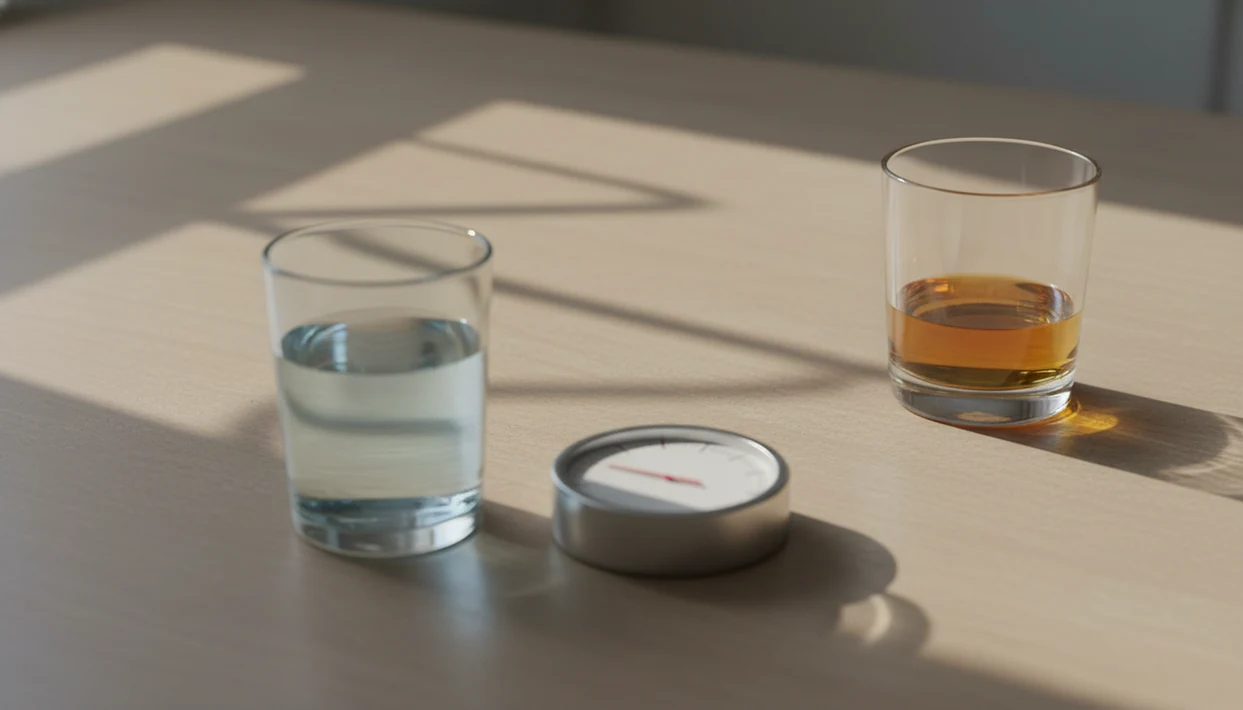
The pull toward alcohol may arrive at a predictable moment: closing your laptop, starting dinner, opening the refrigerator, or walking into a party. In that moment, making a permanent decision can feel impossible. A short, structured pause is more manageable.
Urge surfing gives you something specific to do during that pause. It works best alongside practical changes such as leaving the room, eating, removing easy access to alcohol, contacting someone, and getting treatment when cravings or withdrawal symptoms are hard to manage.
The quick version
Urge surfing for alcohol cravings means noticing an urge without immediately drinking or trying to force it away. You pause, breathe slowly, locate the sensations in your body, and watch how they change. A 20 to 30 minute delay can be a useful planning window, but cravings do not follow one fixed timeline.
Use 20 minutes as a window, not a deadline
Alcohol cravings typically rise, peak, and fall rather than intensify forever. The alcohol craving wave metaphor helps because it gives the urge a shape, a crest, and an ending.
A practical target is often 20-30 minutes, not as a promise, but as a planning window. If the urge starts after a weeknight laptop shutdown, the task is not to solve your whole relationship with alcohol by 6:15 p.m. The task is to delay drinking until the peak has moved.
A 20-minute delay is a limited goal, but it can still take real effort.
Many people find it helpful to set a short timer, move away from alcohol, and watch the craving curve. For weekend patterns, the same wave idea can be paired with plans for weekend alcohol cravings. The clinical point is plain: delay action long enough for the strongest body signal to pass.
What urge surfing can and cannot do
- Urge surfing is mindfulness-based, not willpower-based. The skill asks you to notice the urge, not wrestle it into silence.
- Cravings are temporary body-and-mind events. They may include tightness, heat, saliva, restless thoughts, or a pull toward the fridge.
- The technique changes your response, not whether cravings ever happen. Urge surfing helps you practice “I can feel this and still not drink.”
- The same skill can apply across urges. People use wave-riding methods for alcohol, smoking, vaping, food cravings, and other repeated habit loops.
- The evidence is strongest for broader mindfulness-based relapse prevention. A randomized clinical trial found mindfulness-based relapse prevention was associated with lower substance use relapse than treatment as usual, though urge surfing-specific alcohol claims should stay modest jamanetwork.
Giving your attention a concrete task during the peak may feel more manageable than trying to resist through force alone.
The evidence supports a broader coping skill
Urge surfing is included in the NIAAA Cognitive-Behavioral Coping Skills Therapy Manual, but that does not mean one brief exercise will prevent every drink or relapse. Research support is stronger for structured mindfulness and relapse-prevention programs that include repeated practice, trigger planning, counseling, and other coping skills. NIAAA lists mindfulness and coping skills among several behavioral approaches used in alcohol treatment, alongside cognitive behavioral therapy, motivational enhancement, family counseling, and mutual support. Its review of addiction and recovery treatments also makes clear that no single technique fits everyone. Urge surfing is best treated as one practiced response inside a larger plan.
Where the cue-craving-drinking loop can break
The cue-craving-response loop is the learned sequence in which a trigger predicts alcohol, the body generates an urge, and drinking becomes the automatic response. Urge surfing works by adding a pause inside that loop.
How urge surfing works: a cue might be stress, boredom, a place, a person, or the sight of bottles at home. The brain predicts relief or reward, and attention narrows toward alcohol. Mindful attention interrupts the habit loop by asking, “Where is this urge in the body right now?”
Body scanning turns a vague demand into specific data. You might label chest pressure, jaw tension, dry mouth, or buzzing in the arms. A craving note can be simple: 7:40 p.m., stress after email, intensity 8/10, walked outside, intensity 5/10.
The method overlaps with mindfulness-based relapse prevention and DBT-style distress tolerance. It may help some people tolerate discomfort, but it is not a diagnosis, treatment plan, or substitute for clinical care.
Do not suddenly stop drinking without medical advice if you drink heavily every day, have had withdrawal before, or become physically unwell when cutting down. Call 911 for a seizure, hallucinations, severe confusion, chest pain, trouble breathing, or immediate danger.
Check for withdrawal before you begin
Before urge surfing, make sure the situation is safe enough for a coping skill. Urge surfing is for cravings, not detox, medical risk, or moments when someone may get hurt.
- Check your body first. Notice whether you have shaking, sweating, confusion, hallucinations, chest pain, seizure history, severe vomiting, or symptoms that feel like withdrawal rather than a passing urge. Those signs need medical guidance, not just breathing practice.
- Move away from alcohol. Put distance between you and bottles, cans, delivery apps, or the room where you usually drink. A wave is easier to ride when the cue is not sitting in your hand.
- Meet basic needs. Eat something, drink water, or lie down for a few minutes if hunger, dehydration, or exhaustion is making the craving louder.
- Choose one support person. Pick who you will text or call before the urge peaks, not after it has already taken over.
- Use the right tool. Surf the craving if you are physically safe; seek urgent help if withdrawal, self-harm thoughts, impaired driving risk, violence, or crisis is present.
Six steps for riding the next urge
- Pause before acting. Say, “This is a craving,” and put physical space between you and the drink.
- Breathe with a longer exhale. Try inhaling for 4 counts and exhaling for 6 counts for one minute.
- Locate the sensations. Find the craving in the body, such as the throat, chest, stomach, jaw, or hands.
- Describe what you notice. Use plain words like tight, warm, pulsing, heavy, restless, sharp, or moving.
- Watch the changes. Track whether the sensation grows, peaks, shifts location, or drops by even one point.
- Choose the next safe action. Drink water, leave the room, text support, eat dinner, shower, or take a short walk.
If the urge returns, restart the steps rather than treating the first wave as a failed attempt. A second wave is still a wave. People who track urges often pair this method with track alcohol progress, especially when patterns repeat by time or setting.
How to Use Urge Surfing for Alcohol Cravings
Start when you first notice the pull toward a drink, rather than waiting until it reaches full intensity. The goal is to delay action while you observe the craving changing. The NIAAA coping skills manual describes this as noticing bodily sensations without judging or suppressing them.
- Move away from the drink, bottles, delivery app, or other immediate cue.
- Say, "I am having an urge to drink." Set a timer for 5 to 10 minutes.
- Rate the urge from 0 to 10. Locate it in your chest, throat, jaw, stomach, hands, or another area.
- Describe the sensation with concrete words such as tight, warm, buzzing, hollow, heavy, or moving.
- Take at least five slow breaths. Keep returning your attention to the sensation and watch for any change.
- Rate the urge again, then leave the setting, eat, pour water, read your reasons for changing, or contact someone.
| Moment | Record |
|---|---|
| Before | Time, place, trigger, emotion, hunger, and starting intensity |
| During | Body location, sensation, recurring thought, and breathing anchor |
| After | New intensity, action taken, drinking outcome, and lesson for next time |
Keep the log brief enough to use under stress. Recording urges for a couple of weeks can expose repeat patterns, such as skipped meals, Friday evenings, conflict, or visible alcohol. Pair observation with the environmental steps in NIAAA's strategy planning guidance.
Treat the timer as a delay, not a promise that every craving will disappear before it rings.
Change the setting that keeps calling for a drink
Urge surfing works better when it is paired with trigger changes. The skill helps you ride the wave, but the environment can make the wave smaller or larger.
- After-work transition: A craving may arrive when the workday ends and the body expects a pour. Change location, eat something, or walk before going home.
- Stress spike: When conflict or pressure hits, label the urge before opening an app, bottle, or delivery page. One private text can interrupt the loop.
- Boredom at home: Empty time can become a cue. Put alcohol out of sight, plan a low-effort task, or move to a room without bottles.
- Social pressure: At a party cooler packed with cans, decide your first nonalcoholic drink before the first offer.
- Visible alcohol: Seeing alcohol at home can restart the cue-craving-response loop. Removing it is a behavior-change step, not a moral statement.
If boredom and anxiety cluster late in the week, the broader weekend drinking cycle may need a separate plan.
Urge surfing vs white-knuckling
Urge surfing is not the same as white-knuckling. It asks you to observe the urge closely enough to stop obeying it automatically.
For some people, fighting a thought makes it feel louder. “Do not drink, do not drink” can keep the mind fixed on drinking. Distraction can still help, but it often works better after one mindful pause. Notice the wave first, then choose the next action.
| Approach | What you do | When it may help | Main risk |
|---|---|---|---|
| Urge surfing | Notice breath, body sensations, and craving changes | During the strongest wave | Takes practice under stress |
| Distraction | Shift attention to a task, call, walk, or shower | After naming the urge | Can become avoidance if triggers are never reviewed |
| Suppression | Push the thought away | Briefly, for some people | The thought may rebound |
| White-knuckling | Endure the urge through force alone | Short emergencies | Can feel exhausting and shame-filled |
For alcohol cravings, urge surfing usually works best when observation comes first and distraction comes second.
When cravings call for treatment, not another exercise
When do alcohol cravings need more than urge surfing? They need more support when withdrawal risk, repeated loss of control, blackouts, unsafe drinking, or safety concerns are present.
Many people experience alcohol-related problems, and many never receive treatment. NIAAA reported that an estimated 29.5 million people aged 12 or older in the United States had alcohol use disorder in 2022, while only about 7.6% of adults with past-year alcohol use disorder received any treatment NIAAA alcohol data. SAMHSA also reported that about 21.7% of people aged 12 or older reported past-month binge drinking in 2022. SAMHSA
Get medical advice before cutting down if you drink heavily every day, have had alcohol withdrawal before, or develop shaking, sweating, confusion, hallucinations, seizures, or severe vomiting when you stop. A mild hangover after two extra drinks is different from withdrawal symptoms that need medical attention.
Urge surfing can sit inside a larger plan. Broader alcohol reduction guides may help with education, but urgent or unsafe symptoms deserve direct professional support.
Craving or withdrawal? Timing and symptoms matter
A craving may involve thoughts about drinking, restlessness, saliva, tension, or a familiar pull toward alcohol. Withdrawal can involve shaking, sweating, anxiety, agitation, nausea, vomiting, insomnia, increased heart rate or blood pressure, hallucinations, or seizures. Acute symptoms may begin 6 to 24 hours after the last drink, according to a federal detoxification guide. Another federal guide notes that withdrawal commonly begins within 24 to 48 hours as blood alcohol falls and may continue for 5 to 7 days. People who drink heavily every day, have had withdrawal before, or become physically sick when cutting down need medical assessment. Urge surfing cannot make detox safe. SAMHSA's alcohol treatment guidance describes counseling, medication, and mutual-support options.
Questions about riding out alcohol urges
How long do alcohol cravings usually last?
There is no universal duration. A 20 to 30 minute window can help you plan a delay, but some urges fade sooner, last longer, or return in several waves. Stress, poor sleep, hunger, visible alcohol, and withdrawal can all affect the timing. Re-rate the urge rather than assuming the timer guarantees relief.
What is alcohol urge surfing?
Alcohol urge surfing is a mindfulness-based coping skill. You notice the urge, locate its physical sensations, breathe, and observe how its intensity or location changes without automatically drinking. The aim is not to enjoy the craving or make it vanish on command. The aim is to avoid acting on it while it changes.
Does urge surfing stop alcohol cravings?
It may reduce the intensity of a craving or help you delay drinking, but it does not stop every urge. Cravings may return, especially around familiar triggers. The method works better with practical steps such as removing alcohol, leaving a tempting setting, eating, calling someone, and following a treatment plan when needed.
How do I urge surf an alcohol craving?
Move away from alcohol, name the craving, and rate it from 0 to 10. Find where you feel it in your body and describe the sensation. Take at least five slow breaths while watching for changes. Rate it again, then choose a safe action such as eating, walking, showering, or contacting support.
Why do alcohol cravings feel like waves?
Urges often rise and fall as attention, body sensations, emotions, and cues change. The wave comparison helps you remember that intensity is not fixed. It does not mean every craving follows a neat curve or ends at a set time. A second wave also does not mean the exercise failed.
Can mindfulness for alcohol cravings prevent relapse?
Mindfulness can be one useful relapse-prevention skill, but no brief exercise can guarantee that someone will not drink. Evidence is stronger for structured programs that combine mindfulness with repeated practice, counseling, trigger planning, and other coping strategies. Medication and medical care may also be appropriate for alcohol use disorder.
What should I do if an alcohol craving feels unbearable?
Leave immediate access to alcohol, contact a trusted person, and go somewhere safer if possible. If you might drive, hurt yourself, or hurt someone else, get urgent help. Shaking, sweating, confusion, hallucinations, seizures, severe vomiting, or a history of withdrawal require medical attention rather than another self-guided craving exercise.
Can I use urge surfing while cutting down on alcohol?
Yes, it can help create a pause before a drink and make triggers easier to identify. It does not establish a medically safe reduction schedule. If you drink heavily every day, have had withdrawal, or feel physically sick when you reduce alcohol, talk with a clinician before changing your intake.