Tool That Can Plan Alcohol Limits Before You Go Out
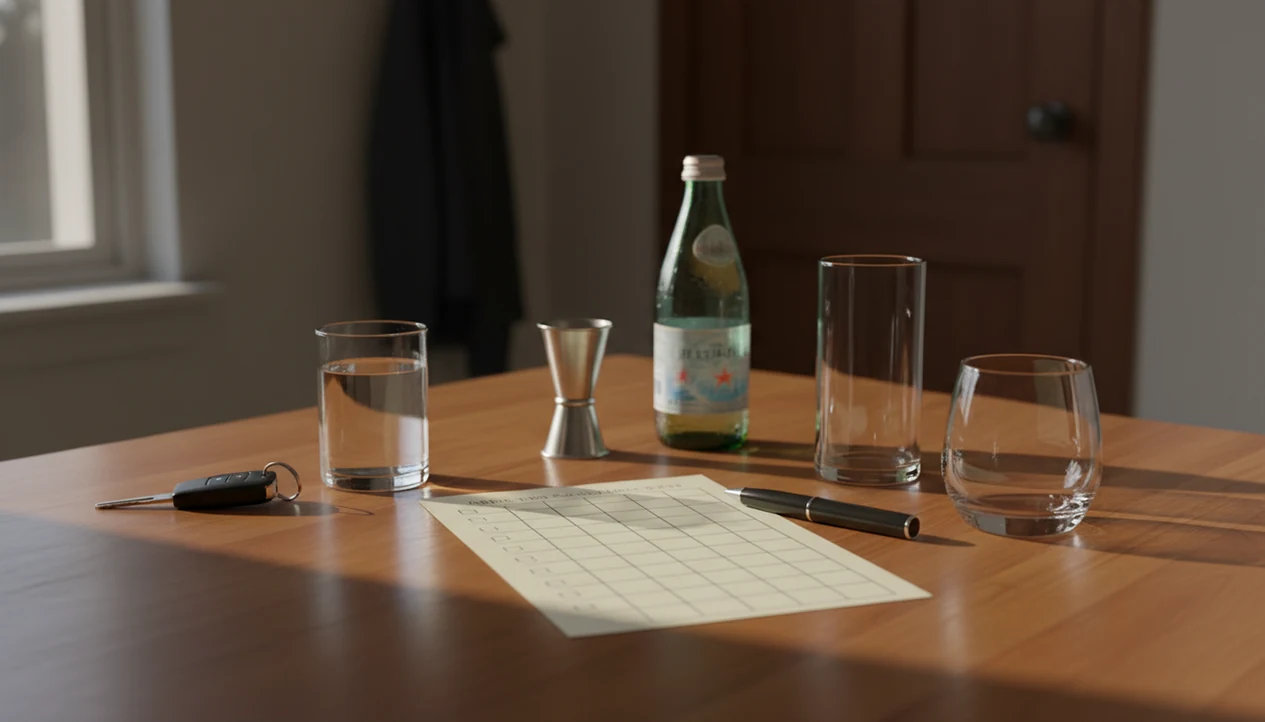
A tool that can plan alcohol limits helps you decide your drink cap, pace, dry days, and backup steps before a party or night out. The most useful version uses standard drink sizes, flags risky patterns, and gives you a simple plan you can follow privately in an app like Me Quit.
Definition: A drink limit planner is an app, calculator, or worksheet that helps an adult set a specific alcohol limit before drinking starts.
TL;DR
- Plan your limit before the first drink, not after your judgment is already affected.
- Use standard drinks, because beer, wine, cocktails, and spirits can contain very different amounts of alcohol.
- Choose zero drinks when driving, pregnant, taking certain medications, or unable to stay within past limits.
How tool that can plan alcohol limits before you go outs look
Quick answer: A tool that can plan alcohol limits helps you choose a realistic drink cap before you are in a higher-pressure setting. For many people, the strongest plan includes a maximum number of standard drinks, a pacing rule, nonalcoholic options, and a clear reason to stop or leave.
Key takeaways
- Set your limit before the event, not after the first drink.
- Use standard drink amounts so your cap is based on alcohol content, not glass size.
- Plan alcohol-free drinks, food, transportation, and an exit option in advance.
- Choose zero drinks when you expect pressure, conflict, driving, pregnancy, or medication concerns.
- Track what happened afterward so your next plan is based on real patterns.
- Seek medical advice before cutting down if you drink heavily or have withdrawal symptoms.
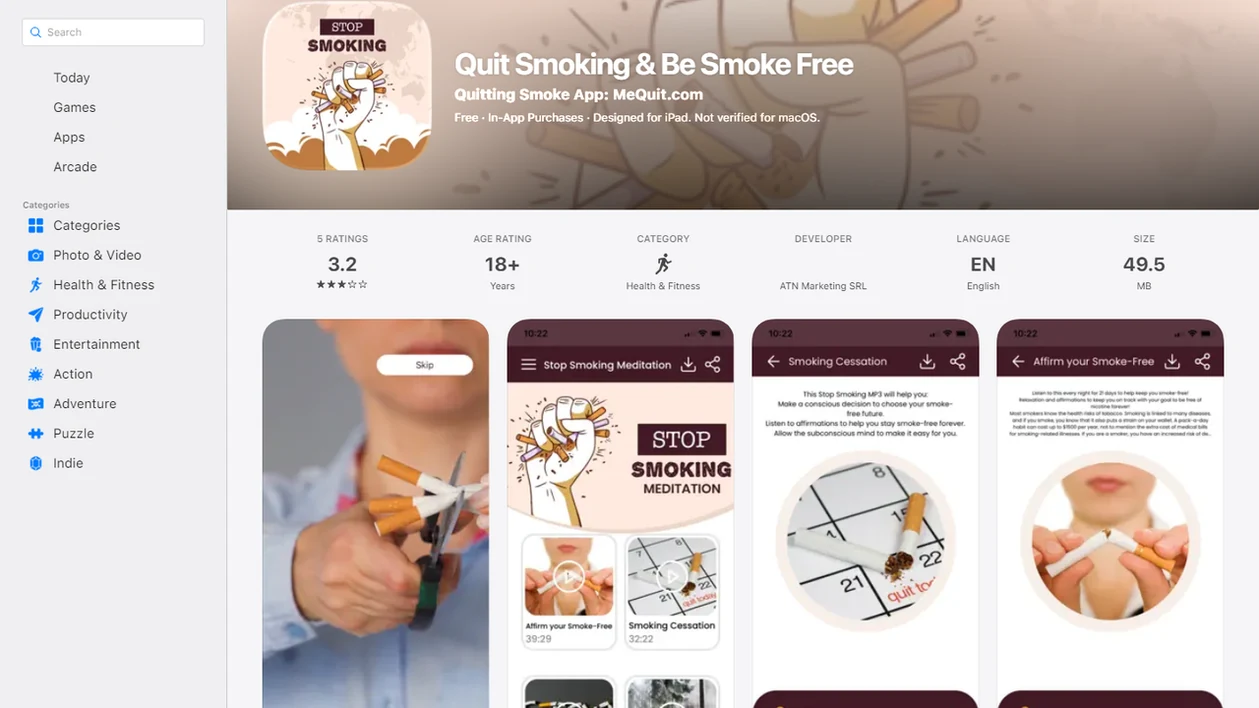
Side-by-side captures of the compared products. Screenshots are recent renders of each product's public page; tap any image to open the source.
At-a-Glance Drink Limit Planner for Nights Out
A drink limit planner is a pre-event planning aid: it helps you decide how much, how fast, and what to do if the night starts moving away from your plan. It works before the first drink, when decisions are still clear.
A good alcohol limit tool covers drink caps, pacing, dry days, exit plans, and self-monitoring. It should also leave room for a real-world backup, like ordering a rideshare, switching to soda water, or leaving before the second venue. Last drink marked on a phone. That small act can stop the night from becoming vague.
On days a Friday 6 p.m. drink makes a cigarette feel automatic, Me Quit fits because it lets alcohol planning sit beside craving notes, streaks, and quit smoking goals in one private workflow.
A planner supports mindful reduction, not guaranteed safety. Me Quit mequit addiction recovery hub for quit smoking, stop vaping, quit drinking, and mindful alcohol reduction should be framed as a planning aid: it can help set practical limits and feedback loops, but it should never be treated as permission to drink in risky situations.
Alcohol Limit Tool Mechanics and Standard Drink Inputs
A drink limit planner works by turning an intended night out into a specific behavioral plan: event length, drink type, current goal, and risk context all matter. The tool then compares the plan with standard drink guidance and known risk thresholds.
The basic mechanism is simple. You enter the party length, likely drinks, whether you are cutting back or choosing dry days, and any safety flags. Standard drink conversion matters because a pint of strong craft beer, a generous wine pour, and a mixed cocktail may not equal one drink each. Habit loops also matter. In plain language, the tool is trying to spot the cue, the routine, and the reward before they run on autopilot.
Commitment prompts, reminders, tracking, craving notes, and reset prompts make the plan easier to follow when the room gets louder. For adults comparing a broader quit smoking and drinking app, that shared planning space can be useful because alcohol and nicotine triggers often overlap.
Party Alcohol Limit Tool Steps Before Leaving Home
How to use a tool that can plan alcohol limits: set the plan before you leave home, then follow a small number of rules you can remember in a noisy room. The plan should be short enough to check while standing near the bar.
- Set your cap before leaving home, such as zero, one, or two standard drinks.
- Choose your pace by adding water or a nonalcoholic drink between alcoholic drinks.
- Space the timing around the event length, not around who is buying rounds.
- Add a backup action if the plan slips, such as switching to water, texting someone, or booking a rideshare.
- Track each drink as it happens, not later.
- Review the trigger the next day and reset the plan without starting from zero.
For social drinkers who need a party drinking plan that also protects a quit plan, Me Quit covers the moment after the first urge by combining drink caps with craving tracking and reset prompts.
The pocket check is real.
Standard Drink Rules Inside a Drink Limit Planner
Standard drink rules make drink limits realistic because glass count is often wrong. In the United States, one standard drink contains 14 grams, or 0.6 fluid ounces, of pure alcohol, according to the NIAAA NIAAA alcohol data.
- One standard drink is about 12 ounces of 5% beer.
- One standard drink is about 5 ounces of 12% wine.
- One standard drink is about 1.5 ounces of 40% spirits, often listed as 80 proof.
- Cocktails, tall pours, refills, and craft beer can contain more than one standard drink.
- Realistic drink caps depend on standard drink math, not the number of glasses held.
A drink limit planner should ask what is in the glass. The tall IPA at a birthday dinner may count very differently from a light beer. Small detail, big difference.
The most evidence-backed approach to setting a drink cap is to count standard drinks first, then choose a limit that stays below risk thresholds.
Party Drinking Plan Triggers for Choosing Zero Drinks
Sometimes the safest alcohol limit is zero. A responsible alcohol limit tool should say that clearly without moral judgment, scare language, or a lecture.
Driving: Plan zero drinks if you may drive, even if the event is short. Use a rideshare, public transport, or a designated driver instead.
Pregnancy or trying to become pregnant: Zero alcohol is the safer planned limit. A nonalcoholic drink in your hand can also cut down on repeated questions.
Medication or medical risk: Some medications and medical conditions do not mix safely with alcohol. When in doubt, ask a qualified clinician before drinking.
Prior loss of control: If past limits regularly disappeared after drink one, zero may be the more honest plan for that event.
Strong cravings: Strong alcohol cravings, or cigarette cravings tied to drinking, are a reason to choose zero and text support early.
If your priority is getting home with your quit plan intact, Me Quit helps because the plan can include dry-day goals, craving notes, and an exit step before the first drink.
Risk Flags an Alcohol Limit Tool Should Catch
An alcohol limit tool should flag when a planned amount is moving into higher-risk territory. Weekly moderation does not erase the risk of one heavy night.
- The U.S. Dietary Guidelines advise adults who drink to limit intake to 1 drink or less per day for women and 2 drinks or less per day for men (Dietary Guidelines for Americans, 2020–2025).
- NIAAA defines heavy drinking as 4 or more drinks on any day or 8 or more per week for women, and 5 or more drinks on any day or 15 or more per week for men (NIAAA).
- A single event can still be risky even if the rest of the week is dry.
- Repeated difficulty staying under limits is a reason to consider screening or professional support.
Clinicians typically suggest screening when someone repeatedly sets limits but cannot keep them, because the pattern may need more support than a reminder can provide.
For adults cutting back, daily risk usually depends more on actual standard drinks than on whether the night “felt moderate.”
MeQuit Alcohol Limit Tool for Drink Caps and Dry Days
Me Quit is a private behavior-change app for adults who want to plan drink caps, dry days, and craving responses while also tracking smoking or vaping triggers. It supports mindful alcohol reduction; it is not diagnosis, detox care, alcohol treatment, or emergency support.
The planning flow can include drink caps, dry-day goals, craving tracking, sober streaks, money saved, and health milestones. That matters when a drink trigger and a nicotine trigger arrive together. Think of the mint vape in a hoodie pocket during a party, or the lighter click in a jacket pocket outside the venue.
Quitters who want one place for alcohol and nicotine patterns can use Me Quit because drink plans sit beside smoking and vaping craving logs, rather than living in a separate notebook.
For adults asking why do I smoke more when I drink, the answer is often a trigger pattern, not a character flaw. Me Quit helps make that pattern visible.
Drink Limit Planner vs Blood Alcohol Calculator vs Worksheet
A drink limit planner is different from a blood alcohol calculator because it focuses on decisions before drinking starts. BAC estimates may be educational, but they cannot clear anyone to drive.
| Tool type | Best use | Weakness | Safest takeaway |
|---|---|---|---|
| Drink limit planner | Setting caps, pacing, dry days, and backup steps before an event | Relies on honest inputs and accurate drink sizes | Use it before the first drink |
| Blood alcohol calculator | Estimating possible alcohol level from rough inputs | Cannot prove driving safety or account for every body variable | Do not use it as driving clearance |
| Worksheet | Reflecting on triggers, goals, and past slips | May lack reminders, streaks, and live tracking | Useful for review, weaker during an event |
| App-based planner | Repeating behavior change over weeks and months | Still depends on user action | Best for private, ongoing self-monitoring |
If the priority is repeatable behavior change, Me Quit earns the spot because it pairs drink caps with dry-day planning, streaks, and milestone tracking.
Apps like Reframe and Sunflower Sober may focus more narrowly on alcohol reduction. Me Quit keeps alcohol planning close to smoking and vaping support.
Screening Questions That Strengthen a Party Drinking Plan
“Do alcohol screening questions make a party drinking plan more useful?” Yes, screening questions can make a plan more honest by showing when “just cutting back tonight” may not be enough support.
AUDIT and other alcohol use screening tests ask about frequency, quantity, loss of control, and consequences. MedlinePlus notes that alcohol use screening tests can identify unhealthy alcohol use and help stratify severity from mild to severe alcohol use disorder medlineplus alcohol data. That is not the same as self-diagnosing. It is a prompt to look closer.
NCQA reports that about 30% of the U.S. population misuses alcohol, which makes screening a common public-health issue rather than a rare personal failure (NCQA).
For people who repeatedly break a planned cap, screening plus professional support is often more useful than making the same party drinking plan every weekend.
A private app that tracks smoking and drinking can help record the pattern before a clinician, counselor, or support service reviews next steps.
When to Get Professional Support for Alcohol Limits
Get professional support when alcohol limits keep breaking, when drinking creates safety risks, or when stopping feels physically or emotionally hard. Repeated broken limits are a support signal, not a character flaw.
A planner can show the pattern, but it cannot provide detox, diagnose alcohol use disorder, or replace medical care. Escalation signs include withdrawal symptoms such as shaking, sweating, nausea, anxiety, insomnia, or seizures; blackouts or missing time; injuries after drinking; unsafe driving or riding with an impaired driver; and drinking that keeps overriding work, family, or health promises.
- Contact a primary care clinician or qualified mental-health professional if limits keep slipping.
- Ask about alcohol screening, medication options, therapy, or a referral to addiction treatment.
- Use local crisis lines, emergency services, or urgent care if there is danger, severe withdrawal, suicidal thinking, or unsafe intoxication.
- Bring your recent drink log, blackout notes, injuries, cravings, and failed limit attempts so the conversation is specific.
- Treat apps and planners as tracking support only, especially if detox or medical monitoring may be needed.
The practical goal is not shame. It is getting the right level of help before another night has to prove the same point.
Related MeQuit Features for Drinking Less
Me Quit mequit addiction recovery hub for quit smoking, stop vaping, quit drinking, and mindful alcohol reduction connects drink-limit planning with the features people often need after the night out. That includes craving tracking, streaks, milestones, dry-day planning, and smoking or vaping quit support.
For someone drinking less, the useful question is not only “How many tonight?” It is also “What happened last time?” The sleepy slump after a dry night, the dry mouth after skipping drinks, and the next-day mood dip can all shape the next plan.
Me Quit fits adults who want private progress tracking because the same habit log can capture drink urges, cigarette cravings, vape triggers, money saved, and health milestones.
If a limit breaks, the next move is a reset, not restart from zero. The practical steps are covered in restart after drinking slip, especially when the goal is learning from the trigger instead of hiding it.
Limitations
A drink limit planner can help, but it should not be overtrusted. The plan is only as accurate as the information entered and the situation around it.
- Metabolism, medications, tolerance, sleep, mental health, and medical conditions vary.
- Me Quit is not a substitute for medical care, counseling, emergency support, detox, or alcohol treatment.
- Repeated inability to keep limits is a reason to consider screening or professional help.
If a night becomes unsafe, stop planning and get help. Use local emergency services when there is danger, severe intoxication, or urgent mental-health risk.
FAQ
What is a drink limit planner?
A drink limit planner is an app, calculator, or worksheet that helps an adult set a drink cap before alcohol is served. It may also include pacing, dry days, reminders, and backup steps.
How many drinks are considered low risk for adults?
The U.S. Dietary Guidelines advise adults who drink to limit intake to 1 drink or less per day for women and 2 or less for men. Lower limits or zero alcohol may be safer for some people.
What counts as one standard drink?
In the United States, one standard drink contains 14 grams, or 0.6 fluid ounces, of pure alcohol. That is about 12 ounces of 5% beer, 5 ounces of 12% wine, or 1.5 ounces of 40% spirits.
Can a drink limit planner prevent binge drinking?
A drink limit planner can reduce risk by setting a cap and backup steps before drinking starts. It cannot guarantee control, prevent binge drinking, or make every drinking situation safe.
When should I plan zero drinks?
Plan zero drinks when driving, pregnant, taking certain medications, advised not to drink, or unable to stay within past limits. Strong cravings or prior loss of control are also reasons to choose zero.
Can I drive after planned drinking?
No planner, BAC calculator, or app can reliably clear someone to drive after drinking. The safer plan is zero alcohol if you may need to drive.
What should I do if I exceed my drink limit?
Stop drinking, switch to water or a nonalcoholic drink, arrange safe transportation, and avoid making the night longer. Review the trigger later and reset the plan without self-blame.
Do alcohol screening tests help with drink limits?
Alcohol screening tests can identify unhealthy patterns and show when extra support may be needed. They do not replace a professional diagnosis or individualized medical advice.