
Best Apps to Quit Smoking, Vaping or Drinking

Best choices at a glance
For nicotine, start with NicLess for tracking cigarettes, vapes or pouches, or the MeQuit Quit Smoking program for structured lessons. For alcohol, I Am Sober leads for abstinence tracking, while Reframe fits reduction or sobriety plans. NicLess and the MeQuit program are made by the team behind MeQuit. Apps work best beside medication, counseling, quitlines or medical care when needed.
A quit app can put a craving button, progress clock and daily plan in the phone already beside you at 7 a.m. coffee, in the car with a vape or before Friday drinks. The useful part is not collecting badges. It is noticing the cue early enough to make a different choice.
We reviewed the choices below on October 6, 2026. Rankings consider goal fit, craving support, useful tracking, planning, privacy, access to further help and app maturity. Ratings describe user satisfaction, not clinical effectiveness.
Best nicotine quit apps ranked
NicLess ranks first for flexible nicotine tracking, while the MeQuit Quit Smoking program ranks second for structured behavior-change lessons. Readers who want a long rating history can start with the established apps listed below.
| Rank | App | Best fit | Main limitation |
|---|---|---|---|
| 1 | NicLess | iPhone users quitting or reducing cigarettes, vapes or nicotine pouches | Launched September 2026 and has no ratings yet |
| 2 | MeQuit Quit Smoking program | People who want a structured smoking or vaping course before setting a quit date | About 8 to 10 hours of lessons, no cigarette tracker and a small number of ratings |
| 3 | Smoke Free | An established cigarette quit tracker with missions, milestones and a craving diary | Some content requires payment, and alcohol context is limited |
| 4 | QuitNow! | A cigarette counter with achievements and community features | Community quality can vary, with optional paid plans |
| 5 | Kwit | Gamified smoking or vaping goals on iOS or Android | Optional paid features and limited cross-substance tracking |
NicLess has a nicotine-free clock, money and product counters, a cut-down mode, craving journal, five-day quests and slip logging. Its recovery timeline includes smoking milestones from 20 minutes to 15 years. Those smoking milestones do not necessarily apply in the same way to vaping or nicotine pouches, although tracking time without nicotine can still be useful.
The MeQuit program uses daily reading, video and exercises influenced by CBT, cue exposure, conditioning and hypnosis-style mental exercises. You continue smoking during the course and choose a quit date when ready. It is an iPhone app and free to download.
Smoke Free had about 57,000 US App Store ratings and a 4.6 average in the supplied listing data. QuitNow! had about 14,000 ratings and a 4.7 average. Kwit is offered on iOS and Android through Google Play. These established apps are free to download, but optional purchases or paid features apply.
For narrower comparisons, see our guides to the best quit smoking apps, quit vaping apps and apps for quitting nicotine pouches.
Best sobriety and alcohol reduction apps
I Am Sober is the stronger fit for a clear abstinence goal, while Reframe is the stronger fit for choosing between reduction and sobriety. This ranking covers only released alcohol apps with enough supplied information for a fair comparison.
| Rank | App | Best fit | What to know |
|---|---|---|---|
| 1 | I Am Sober | Daily pledges, a sobriety clock, journaling and peer support | Free to use with an optional Sober Plus subscription |
| 2 | Reframe | Cutting down or stopping through daily tasks, education and drink tracking | Paid plan prices vary by subscription, promotion and billing route |
I Am Sober had a 4.9 average from about 188,000 US App Store ratings in the supplied listing data. It is available on iOS and Android. Reframe had a 4.7 average and is also available on iOS and Android. A larger rating history does not show which app produces better long-term outcomes.
Drink Lens, MeQuit's alcohol app, is not out yet while store review is pending. It is not ranked because it has not been released. For more released choices, compare our sobriety app guide.
Using apps for linked smoking and drinking triggers
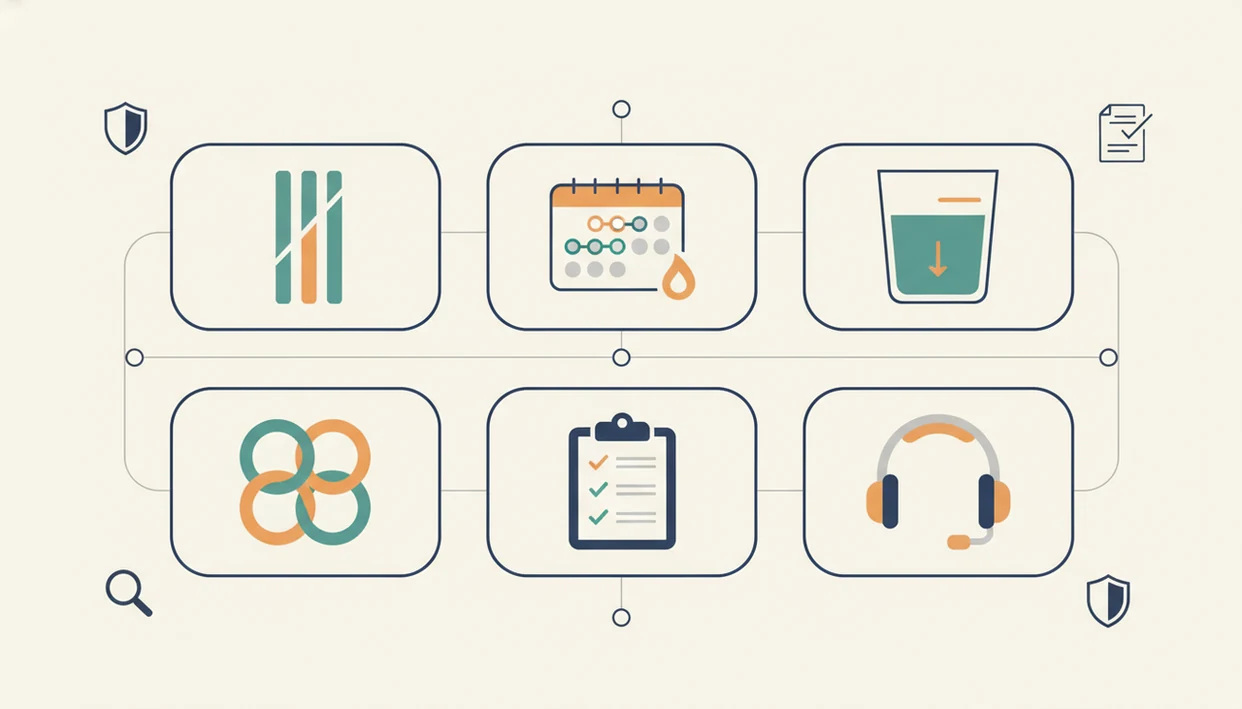
A combined log is most useful when alcohol-triggered smoking cravings repeatedly appear in the same places or social situations. If no suitable combined app is available, one nicotine app and one alcohol app can still work, but you will need to review both timelines together.
To track cigarettes and alcohol together, record the time, place, amount, craving strength and which behavior came first. This turns a basic app to track smoking and drinking into a practical pattern log. A dual habit tracker for nicotine and alcohol should make overlap visible, not merely display two unrelated streaks.
- At Friday work drinks, record the first drink and any cigarette or vape craving that follows.
- After coffee, note if the urge appeared before or after caffeine.
- After a slip, record the trigger and continue logging instead of deleting the streak history.
- Once a week, look for repeated people, places, times and drink counts.
A smoking and drinking tracker app cannot provide medical detox care. If you plan to quit smoking and drinking at the same time and drink heavily every day, read the safety section below before changing your alcohol use. Our guide to nicotine and alcohol cravings explains how to build replacement responses for linked cues.
A four-step plan for using a quit app
Set up the app around one clear goal, then use it at decision points rather than checking it only after a good day. A simple routine is easier to maintain than logging every thought and feeling.
- Choose the main goal. Pick quit smoking, stop vaping, stop nicotine pouches, stop drinking or reduce drinking. If two habits overlap, identify which one creates the most risk.
- Prepare before day one. Enter your usual use, set reminders and write one response for your most predictable trigger. Examples include walking after coffee, leaving the vape outside the car or ordering a nonalcoholic drink first.
- Use support during the first week. Open the app when the urge begins, rate it, name the cue and wait before acting. For nicotine, consider counseling and established cessation aids rather than relying on a timer alone.
- Review after seven days. Check what happened before cravings and slips. Keep useful reminders, remove noisy ones and adjust the plan for the next high-risk situation.
For smoking, a quit app can support a broader quit-smoking plan. Strong nicotine dependence may also call for quit-smoking medication or nicotine replacement therapy, discussed with a clinician or pharmacist when appropriate.
Keep logging after a slip. One cigarette, vape session or drink does not erase the information you collected before it.
What research says about quit apps
Research supports quit apps as added support, not as proven replacements for counseling, medication or medical care. Results vary substantially by app, study design, follow-up period and the support given to comparison groups.
A 2020 systematic review of substance-use apps included 20 studies. Only six reported significantly greater post-treatment substance-use reductions than comparison groups. One randomized Smoke Free evaluation found higher three-month continuous abstinence than a minimal app version, with reported effects of 0.22 per protocol and 0.34 by intention to treat.
A 2024 systematic review and meta-analysis of digital interventions found a small reduction in weekly alcohol consumption, with a standardized mean difference of -0.12 and a 95% confidence interval from -0.17 to -0.06. For 30-day smoking abstinence, the pooled result was not statistically significant, with an odds ratio of 1.12 and a 95% confidence interval from 0.70 to 1.80.
That does not mean apps are useless. Timely reminders, craving logs and progress feedback can support a real plan. It does mean that ratings, streaks and attractive charts cannot establish clinical effectiveness. See how quit-smoking app evidence applies in practice.

When an app is not enough
An app is not enough when alcohol withdrawal could be dangerous, symptoms are severe or personal safety is uncertain. Nicotine withdrawal is usually not life-threatening, but alcohol withdrawal after heavy or prolonged use can cause seizures, hallucinations, severe confusion and delirium.
Do not suddenly stop drinking without medical advice if you drink heavily every day, drink in the morning to stop shaking, or have previously had withdrawal seizures, hallucinations or severe confusion. Pregnancy, serious medical illness, severe vomiting and use of several substances also call for professional assessment.
SAMHSA material describes an acute withdrawal period commonly lasting about five to seven days, although symptoms can last longer. Read the SAMHSA clinical guidance on withdrawal and recovery. Call 911 for a seizure, collapse, severe confusion, hallucinations, chest pain, trouble breathing or inability to stay safe.
Get urgent help for seizures, hallucinations, severe confusion, chest pain, breathing trouble, collapse or thoughts of self-harm. Heavy daily drinkers and anyone who drinks to prevent shaking should seek medical advice before stopping alcohol suddenly.
Privacy, subscriptions and platform checks
Check privacy and payment terms before entering cravings, drinking patterns or journal notes. Free download does not always mean the full program is free, and subscription prices can change by platform, country, promotion or billing route.
- Read what data leaves the phone and what stays on the device.
- Check if an account is required and how to delete it.
- Look for analytics, advertising and third-party data-sharing disclosures.
- Review the renewal price before accepting a trial.
- If the app has a community, check moderation and whether posts are public.
- Confirm that your exact phone and operating system are supported.
NicLess keeps its data on the iPhone and requires no account. Community-based apps may provide useful connection, but they involve different privacy and moderation tradeoffs. A private alcohol tracking app may be a better fit if you want self-monitoring without posting. You can also use a simple calendar or spreadsheet to track alcohol-free progress.
Browse the full section
- The 9 Best Quit Smoking Apps for Plans and Cravings
Compare 9 quit smoking apps by craving tools, quit plans, tracking, cost, ratings and limitations. Find practical support...
- The 8 Best Apps to Quit Vaping in 2026
Compare 8 quit vaping apps for cravings, puff tracking, taper plans, privacy, cost, ratings and support, plus practical...
- Do Quit Smoking Apps Work? What the Evidence Shows
Quit smoking apps can help modestly, especially with medication or counseling. See the evidence, useful features, app...
- 10 DrinkControl App Alternatives for Tracking or Quitting
Compare 10 DrinkControl app alternatives for moderation, sobriety, coaching and simple tracking, with ratings, best-for...
- 8 Reframe App Alternatives for Drinking Less or Quitting
Compare eight Reframe app alternatives for moderation, sobriety, private tracking and community support, with ratings...
- How to Track Drinking and Alcohol-Free Progress
Learn how to track drinks, alcohol-free days, triggers and weekly progress with a simple log, practical goals and clear...
- 10 Best Sobriety Apps for Quitting or Drinking Less
Compare 10 sobriety apps for quitting alcohol, drinking less, tracking sober days, handling cravings and finding...
- Reframe App Review: Is It Worth the Subscription?
Reframe combines lessons, drink tracking, community and optional coaching. See current cost, evidence limits, safety...
- I Am Sober App Review: Helpful Tracker, Not Treatment
An honest I Am Sober app review covering its free tools, Plus subscription, community, evidence, safety limits and...
- Sunnyside App Review: Is It Worth the Cost?
Sunnyside review covering cost, drink planning, coaching, App Store ratings, safety limits, best-fit users, and...
- Try Dry App Review: A Free Alcohol Tracking App
Try Dry app review covering free features, goals, ratings, research, UK unit limits, safer use, and alternatives for...
- Nomo App Review: A Free Sobriety Clock With Limits
Our Nomo app review covers its sobriety clocks, free cost model, accountability tools, key limits, safety concerns and...
- Sunflower Sober App Review: Useful Tracker, Unclear Cost
Sunflower tracks sober time with a visual garden and AI support. See its current App Store facts, uncertain subscription...
- Kwit App Review: Useful Tracker, Unclear Premium Value
Kwit tracks smoke-free time, savings, cravings and milestones. See its Premium model, research limits, best fit and...
- Smoke Free Quit Smoking App Review
Smoke Free app review covering features, free and paid access, evidence, limits, ratings, streak tracking, and better...
- quitSTART App Review: Useful Free Help With Limits
quitSTART is a free smoking app with tailored tips, craving games, badges and slip support. See its evidence, limits and...
- QuitSure Review: What the Evidence and App Reviews Show
QuitSure review covering its 6 day course, subscription model, App Store rating, published evidence, drawbacks, best fit...
- 8 Best Apps to Help You Quit Zyn and Nicotine Pouches
Compare 8 apps that may help you quit Zyn or nicotine pouches, including pouch tracking, taper tools, craving support...
- Reframe vs Sunnyside for Drinking Less
Reframe offers structured lessons, while Sunnyside focuses on drink planning. Compare cost, trials, coaching, tracking...
- Kwit vs Smoke Free: A Practical App Comparison
Kwit vs Smoke Free compared on cravings, tracking, missions, pricing, evidence, platforms, and the best fit for different...
- NicLess vs Kwit: A Practical Quit-App Comparison
NicLess vs Kwit compared on tracking, cravings, cut-down support, privacy, ratings, and evidence, plus clear picks for...
- NicLess vs Smoke Free: A Practical App Comparison
Compare NicLess and Smoke Free for cigarettes, vaping, pouches, cravings, cutting down, privacy, cost, ratings and...
Quit app questions
Do quit smoking apps really work?
They can help with self-monitoring, reminders, cravings and carrying out a quit plan, but research results are mixed. A 2024 meta-analysis found no clear improvement in 30-day smoking abstinence across included digital interventions. Apps are best used with evidence-based support such as counseling, a quitline or nicotine medication when appropriate.
Can a quit vaping app track puffs accurately?
Usually not without manual entries or connected hardware. Puff size, nicotine concentration and device use vary widely, so an app's estimate may not reflect your exact intake. Tracking sessions, pods, disposable devices, spending, cravings and time without vaping can still reveal useful patterns.
Do sobriety apps work for cutting down instead of quitting?
Some do. Look for drink logging, weekly limits, dry-day planning and reviews of high-risk situations rather than an abstinence clock alone. Alcohol app research shows a small average reduction in weekly consumption, but results vary. People with possible physical dependence need medical advice before making a sharp reduction.
Is it safe to use an app to stop drinking suddenly?
Not if you may be physically dependent on alcohol. Heavy daily drinking, morning drinking to stop shaking, or a history of seizures, hallucinations or severe confusion requires medical guidance. An app can record progress, but it cannot assess withdrawal risk, prescribe treatment or respond safely to an emergency.
Should I quit smoking and drinking at the same time?
That depends on your alcohol use, medical risk and how strongly the habits are linked. Removing alcohol may reduce smoking triggers for some people. Heavy daily drinkers should not stop alcohol suddenly without medical advice. A clinician can help set priorities while an app records linked cravings and situations.
What is the best free quit app?
The best free option depends on the goal. NicLess is free to download for iPhone and covers cigarettes, vapes and pouches, but it is new and has no ratings. Established apps often offer free basic tools while reserving programs or features for payment. Check the current renewal terms before starting any trial.
What should I do if I slip while using a quit app?
Record what happened, including the time, trigger and what you used, then return to the plan at the next decision. Do not delete the app or abandon the log because a streak ended. Repeated slips, escalating alcohol use or trouble functioning are reasons to add professional or peer support.
Sources and further reading
- Apple App Store: Smoke Free
- Apple App Store: QuitNow!
- Google Play: Kwit
- Apple App Store: I Am Sober
- Apple App Store: Reframe
- Journal of Medical Internet Research: First Decade of Research on Smartphone Apps for Substance Use Disorders
- Journal of Mental Health: Digital Interventions for Smoking and Alcohol Use
- SAMHSA: Protracted Withdrawal