Alternate Alcohol and Water to Drink Less
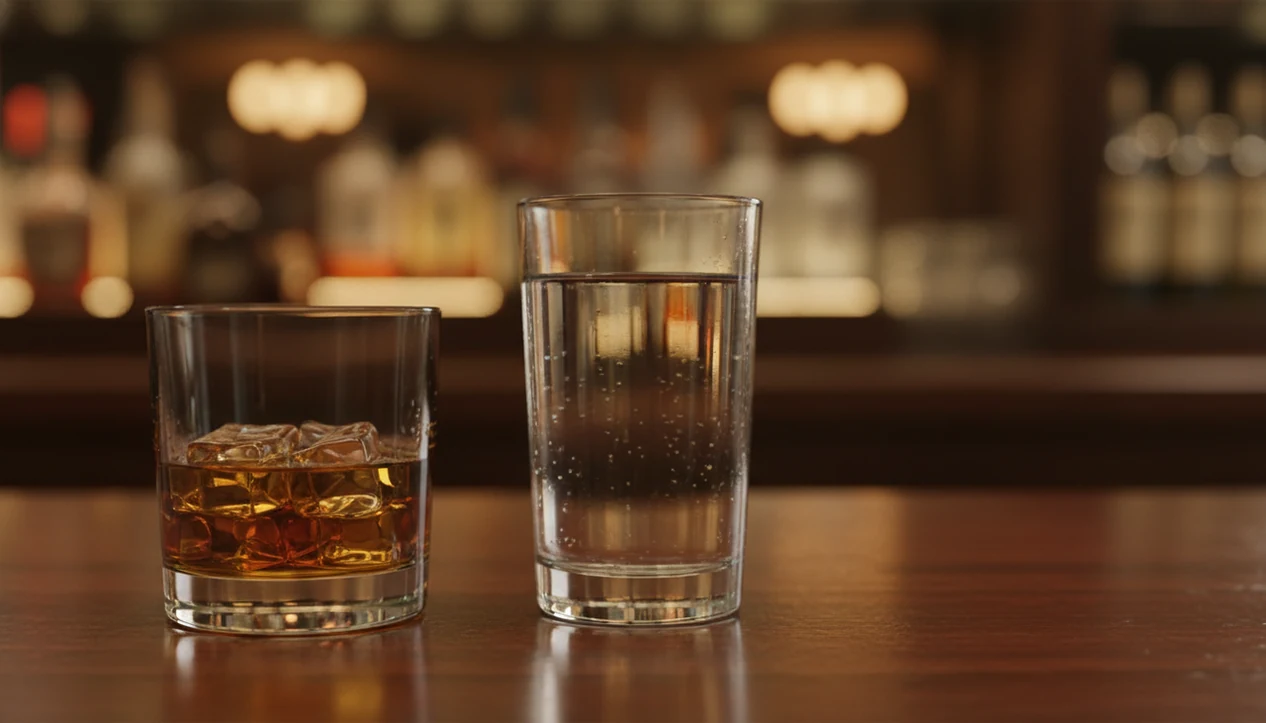
Alternate alcohol and water by drinking one full glass of water between each alcoholic drink so you slow your pace and usually drink less over the night. This tactic helps with hydration and mindful drinking, but it does not lower your blood alcohol concentration or make heavy drinking safe.
> Definition: Alternate alcohol and water is a drink pacing tactic where an adult follows a structured rule, such as one alcoholic drink followed by one full glass of water, to create more time between alcoholic drinks.
TL;DR
- Use a simple rule: one alcoholic drink, then one full glass of water before the next alcoholic drink.
- Water helps with dehydration and pacing, but only time lowers BAC.
- Pair the water rule with drink limits, phone reminders, and a private tracker for stronger behavior change.
Alternate Alcohol and Water Rule for Drinking Less
Quick answer: Alternating alcohol and water can help many people drink less by slowing the pace, adding a pause between drinks, and making each choice more deliberate. Water does not lower intoxication or make driving safer; only time reduces blood alcohol concentration.
Key takeaways
- Use one full glass of water between alcoholic drinks to create a simple pacing rule.
- Decide your drink limit before the first drink, not after cravings or social pressure start.
- Set phone reminders so the rule does not rely on memory alone.
- Water may help with thirst, but it does not undo alcohol’s effects.
- Log where, when, and why you drink to spot repeat patterns.
- If you may have alcohol withdrawal symptoms, talk with a clinician before cutting down quickly.
The one-drink-one-water rule is simple: finish one alcoholic drink, drink one full glass of water, then decide whether you still want another alcoholic drink. The main benefit is pacing, not sobering up.
That pause matters. It turns the bartender reaching for the usual bottle into a decision point instead of an automatic refill. You have something in your hand, your mouth is less dry, and the next order gets delayed by several minutes.
For adults who choose to drink, the 2020 to 2025 Dietary Guidelines define moderate drinking as up to one drink per day for women and up to two drinks per day for men dietaryguidelines. Water alternation can fit a mindful drinking plan, especially when the goal is to slow down alcohol without making the night feel like a test.
Pacing is the point.
How Alternating Alcohol and Water Works as Drink Pacing
Alternate alcohol and water works by adding friction to the drinking loop: order water, hold water, sip it, wait, then choose the next drink instead of accepting an automatic refill.
In habit terms, the rule interrupts the cue-routine-reward cycle. The cue may be an empty glass, a round of orders, or someone asking, “Same again?” The water step creates a new routine. At a wedding table, that can mean keeping sparkling water beside the wine glass so your hand has somewhere to go.
Alcohol is also a diuretic, which means it increases urine production and can contribute to dehydration. Water may reduce thirst, dry mouth, and some headache pressure, but it does not change alcohol metabolism. The liver processes alcohol at about 0.015 g/dL BAC per hour on average, roughly one standard drink per hour for many adults. Cleveland Clinic gives the same practical benchmark: the body generally clears about one standard drink per hour, though metabolism varies by person clevelandclinic alcohol data.
For most people, drinking water between alcoholic drinks is easier than relying on willpower alone because it changes the next action in front of them.
How to Use the Mindful Drinking Water Rule With Your Phone
A phone makes the mindful drinking water rule easier because it turns a vague intention into prompts, counts, and reset points. Use it before the first drink, not after you already feel behind.
- Set a drink limit before leaving home, such as two drinks over three hours.
- Start a timer after each alcoholic drink, and avoid ordering another until the water is finished.
- Log each alcoholic drink and water in a private tracker so the count stays visible.
- Choose a substitute before you arrive, such as soda water with lime, iced tea, or alcohol-free beer.
- Reset the rule if you miss a water, then drink water next instead of treating the night as ruined.
Small reset. Keep going.
A drink pacing app can help if you tend to lose count once conversation gets loud. The goal is not to turn dinner into data entry. It is to catch the moment when “one more” starts becoming automatic.
Five Facts About Drinking Water Between Alcoholic Drinks
- Alternating water and alcohol can reduce total drinks by slowing the pace between alcoholic drinks.
- Water does not lower BAC, reverse impairment, or sober someone up; only time reduces intoxication.
- Hydration can help with thirst, dry mouth, and some headache symptoms, but it cannot prevent every hangover effect.
- Binge drinking remains risky even when water is used between drinks.
- In 2022, 22.4% of U.S. adults reported binge drinking, defined as 5 or more drinks for men or 4 or more for women on one occasion, per the CDC CDC alcohol data.
The practical takeaway is narrow but useful: water helps the spacing problem. It does not solve the safety problem.
For people trying to how to drink less without quitting, water alternation usually works best when it is paired with a fixed drink limit and a plan for what to order next.
Drink Pacing Tactic Examples for Bars, Parties, and Home
Drink pacing works better when the script is decided before the menu arrives. Order water at the same time as the alcoholic drink, then keep it in hand so you are not standing empty-handed during the next round.
Restaurant pacing script
At a restaurant, try: “I’ll have the lager and a large water, please.” When the server returns, leave the menu closed until the water is finished. For brunch, especially with bottomless mimosas on the menu, ask for soda water with lemon between pours so the refill rhythm slows down.
Party and bar pacing script
At a party, hold sparkling water, tea, soda water, or alcohol-free beer between alcoholic drinks. At a sports bar, order the water with the first round so you are not asking for it later when the room gets louder. At home, pour the wine smaller and keep a full bottle of water on the table; our guide to drink less at home covers that setting in more detail.
At weddings, the same rule applies. One toast, one water, then reassess.
Water Alternation vs Other Ways to Slow Down Alcohol
Water alternation is one drink pacing tactic, not a complete alcohol safety plan. It works best when paired with a pre-set limit, especially when the night includes rounds, refills, or social pressure.
| Tactic | How it slows drinking | Useful when | Limitation |
|---|---|---|---|
| Water alternation | Adds a full nonalcoholic drink between alcoholic drinks | You drink faster in groups | Does not lower BAC |
| Drink limits | Sets a maximum before drinking starts | You want a clear stopping point | Requires follow-through |
| Smaller pours | Reduces alcohol per serving | You drink wine or spirits at home | Easy to underestimate |
| Alcohol-free days | Reduces weekly intake | You want a weekly pattern change | Does not pace a single event |
| Leaving early | Removes the trigger setting | The next round feels automatic | Can feel socially awkward |
The Dietary Guidelines benchmark for moderate drinking is up to one drink per day for women and up to two for men, for adults who choose to drink. No pacing tactic makes alcohol risk-free, but a weekly alcohol limit plan can make the water rule more concrete.
MeQuit Drink Tracking With the Alternate Alcohol and Water Rule
MeQuit is a quit smoking app that helps adults stop smoking, stop vaping, drink less, and track cravings, streaks, and milestones.
Tools like Me Quit can support the alternate alcohol and water rule by making drinks, waters, cravings, alcohol-free days, and streaks visible in one private place. That matters when the Friday 6 p.m. drink makes a cigarette feel automatic, or when a mint vape in a hoodie pocket becomes part of the same trigger pattern.
Good private recovery tools deliver progress tracking, craving prompts, and reset plans; they do not provide detox instructions or guarantee that one pacing tactic is enough.
Awareness changes the next choice.
This tactic can sit alongside quit smoking or stop vaping goals because alcohol and nicotine often cue each other. Opening an app during a three-minute craving is usually more useful than arguing with yourself for an hour.
Limitations
Water alternation is useful, but it has firm limits. Treat it as a pacing tool, not a safety shield.
- This tactic is not treatment for alcohol use disorder.
- If you feel shaky, unable to cut down, or worried about withdrawal, talk with a qualified clinician.
- People who are pregnant, taking medications, or managing medical conditions should get medical guidance about alcohol.
Clinicians typically recommend more structured support when alcohol feels hard to control, especially when stopping causes withdrawal symptoms or daily functioning is affected.
FAQ
Does water sober you up?
No. Water can help with hydration and pacing, but it does not lower BAC or reverse intoxication.
Only time reduces alcohol in the bloodstream.
Does water dilute alcohol in blood?
Drinking water does not dilute blood alcohol concentration in a meaningful safety sense. BAC falls as the body metabolizes alcohol over time.
Should I drink water after alcohol?
Yes, drinking water after alcohol can help with thirst and dehydration. Drinking water between alcoholic drinks is usually better for pacing because it delays the next alcoholic drink.
What is the water alcohol ratio?
A simple ratio is one full glass of water for every alcoholic drink. Keep the rule plain so it still works in a bar, restaurant, or home setting.
Can water prevent a hangover?
Water may reduce dehydration-related symptoms like dry mouth, thirst, and some headache discomfort. It cannot guarantee hangover prevention or remove alcohol’s effects on sleep and the body.
How do I slow down alcohol?
Use water alternation, phone timers, smaller pours, pre-set drink limits, and alcohol-free substitutes. Me Quit or another tracker can help you see the pattern without relying on memory.
Is alternating drinks enough?
Alternating drinks may be enough for some adults who want a simple mindful drinking tactic. If alcohol feels difficult to control, or cutting back causes withdrawal symptoms, stronger support or professional care is safer.