How To Drink Less During the Holidays Without Pressure
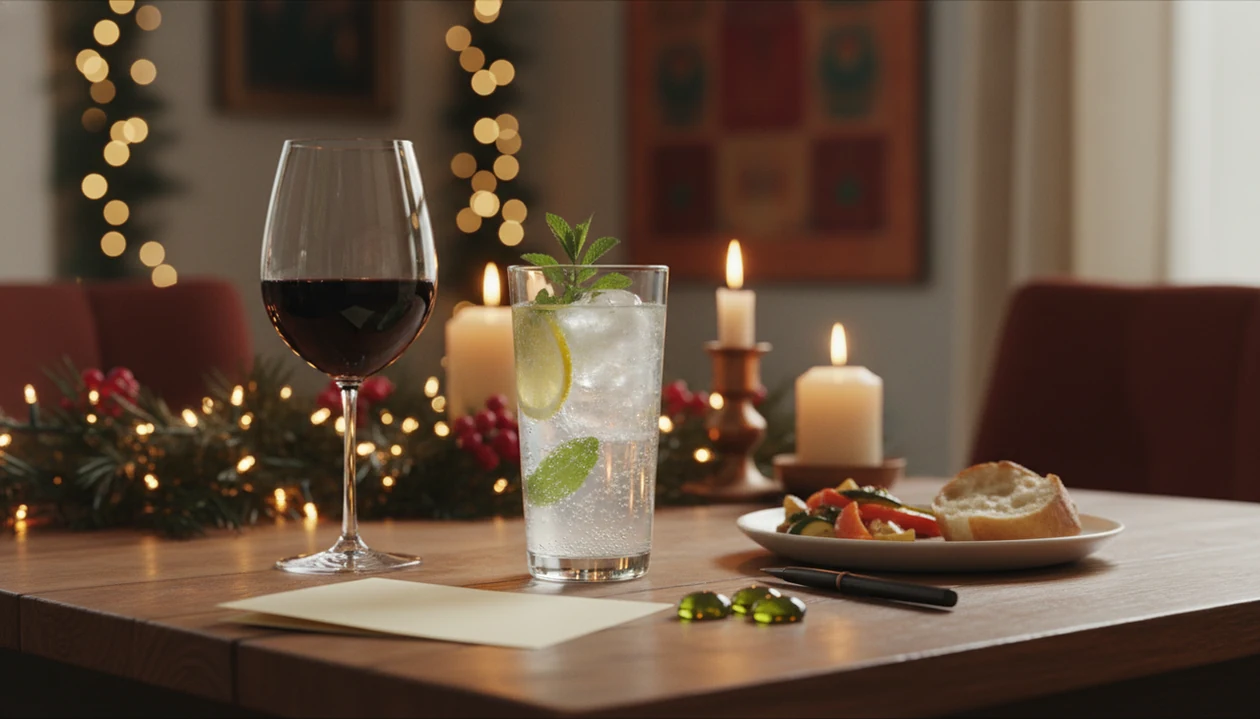
To drink less during holidays, decide your limits before each event, reduce the number of drinking occasions, pace every alcoholic drink with a non-alcoholic one, and prepare a short refusal line before social pressure starts. The goal is not perfect willpower; it is fewer in-the-moment decisions when stress, family tension, and disrupted routines are high.
Holiday drinking reduction means intentionally lowering alcohol intake at seasonal parties, family gatherings, work events, vacations, and emotionally loaded days instead of automatically drinking by habit or social expectation.
- Pick which holiday events are alcohol-free before the season gets busy.
- Use a simple event plan: eat first, set a drink limit, alternate with water, and leave before pressure peaks.
- Prepare for holiday drinking triggers such as family conflict, grief, boredom, loneliness, and all-or-nothing thinking.
Holiday Drinking Triggers That Make It Harder To Drink Less
Quick answer: A practical way to drink less during the holidays is to make alcohol decisions before the event, not during it. Set a clear limit, choose alcohol-free buffers, and plan how you will handle stress, boredom, grief, or pressure before they show up.
Key takeaways
- Pick a drink limit before each event and write it down.
- Decide which holiday days will be alcohol-free, not just lower-alcohol.
- Eat, hydrate, and slow your pace before cravings or pressure peak.
- Use one short refusal line instead of explaining your whole plan.
- Track patterns after events so the next plan is more realistic.
- If stopping causes shakes, sweating, confusion, or seizures, seek medical help promptly.
Holiday drinking triggers are cues that raise alcohol urge, social pressure, or automatic drinking during seasonal events. They can be external, like a full tray of wine glasses, or internal, like loneliness after a tense family call.
Common triggers include social pressure, family tension, grief, boredom, travel delays, disrupted sleep, irregular meals, and all-or-nothing thinking. A person may not feel that Christmas Eve dinner, an office toast, and a New Year’s gathering are excessive on their own. Together, they can stack into a much higher week.
The measuring shot glass near the sink tells a quieter story. Holiday pours are often larger than standard drinks, especially with home-mixed spirits or oversized wine glasses. If cravings feel linked to rooms, people, or rituals, the science of cue induced alcohol craving may help explain why.
Five Facts About Drinking Less During Holidays
- Planning before events usually works better than deciding in the moment because holiday alcohol decision fatigue rises as the night gets later.
- Alternating alcoholic drinks with water, seltzer, tea, or alcohol-free beer can reduce total intake by slowing the pace.
- Eating before and during drinking may slow alcohol absorption, but it does not make heavy drinking safe or remove impairment.
- Refusal scripts reduce pressure because most people do not need a full explanation for why you are not drinking.
- Moderate-drinking limits and standard-drink definitions matter because holiday pours can be larger than expected.
The CDC describes drinking above 14 drinks per week for men or 7 drinks per week for women as above the moderate level in its guidance CDC alcohol data. The NIAAA defines a U.S. standard drink as 14 grams of pure alcohol NIAAA alcohol data. For alcohol reduction, counting occasions is often easier than counting willpower because the calendar is visible before the craving starts.
How Drinking Less During Holidays Works
Drinking less during holidays works by shrinking the number of drinking situations before trying to manage every sip inside them. Fewer occasions mean fewer cues, fewer automatic pours, and fewer moments where willpower has to compete with stress, celebration, or habit.
The mechanism is mostly pre-decision and cue control: deciding earlier reduces cognitive load, and changing the setting reduces reminders that pull behavior onto autopilot. A standard U.S. drink is a specific amount of alcohol, not whatever fits in a glass, which is why holiday wine pours, cocktails, and refills can make tracking feel accurate while totals quietly rise. Pacing with water or alcohol-free drinks, eating before and during the event, and setting an exit time can lower risk by slowing intake and shortening exposure, but none of these make impairment impossible or heavy drinking safe.
- Choose fewer drinking occasions before the week starts, such as making travel days or brunches alcohol-free.
- Set the rule before arrival so the first pour is not decided in front of a tray, cooler, or host.
- Count drinks by alcohol amount, not by glass size, especially with home pours and mixed drinks.
- Slow the event down with food, water, and a planned leaving time.
- Stop using moderation plans if withdrawal symptoms, repeated loss of control, blackouts, or fear of stopping are present; that situation needs medical or professional support.
How Holiday Alcohol Decision Fatigue Works
Holiday alcohol decision fatigue is the drain from repeatedly choosing whether to drink, when to start, how much to pour, and when to stop. It gets worse when sleep is low, travel is messy, family conflict is active, work parties run late, and meals happen at odd times.
The beer fridge hum during dinner prep can feel louder when you skipped lunch. That is not a character flaw. It is a setting where habit loops have fewer interruptions.
A pre-decision lowers cognitive load. Decide which events include alcohol, your drink ceiling, your first-drink time, and your exit time. “No drinks before dinner” is clearer than “I’ll be good tonight.” Strategy is more reliable than motivation alone because it removes choices before stress and celebration start competing.
A simple rule set is the practical answer: fewer open choices, fewer automatic pours, and fewer negotiations after stress or celebration has already taken over.
How To Use a Holiday Drinking Plan
A holiday drinking plan turns a vague goal into a short event script. It should fit on a phone note, not require a workbook.
- Set alcohol-free events before the week begins, such as airport travel, family brunch, or gift-wrapping night.
- Choose a drink limit for each drinking occasion, and write it down before you arrive.
- Eat first so the first drink is not landing on an empty stomach.
- Alternate drinks by placing water, seltzer, or a non-alcoholic option between alcoholic drinks.
- Use a script such as “I’m pacing myself tonight” before someone presses you.
- Log what happened with time, trigger, intensity, drinks, and response.
Me Quit, the mequit addiction recovery hub for quit smoking, stop vaping, quit drinking, and mindful alcohol reduction, can support private tracking of cravings, streaks, drink goals, and milestones. Treat it as a planning aid, not diagnosis, detox care, or emergency treatment.
Drink Less at Christmas With Specific Event Rules
To drink less at Christmas, decide which events are drinking occasions and which are alcohol-free before invitations blur together. One drink at many gatherings can still raise weekly totals.
| Event | Rule to set before you go | Why it helps |
|---|---|---|
| Christmas Eve dinner | Two-drink ceiling, no first drink before food | Prevents early refills during cooking and greeting |
| Office party | One drink, then switch to seltzer | Keeps work boundaries clearer |
| Airport travel | Alcohol-free travel day | Reduces fatigue, dehydration, and missed connections |
| New Year’s gathering | Drink ceiling plus midnight switch-time | Avoids open-ended drinking after the toast |
| Family brunch | Alcohol-free event | Keeps the day from starting with automatic mimosas |
For people comparing app support, a best drink less app guide can help separate drink-limit tracking from broader recovery care. Drink less at Christmas by setting event rules, not by renegotiating every pour in real time.
Simple Scripts To Avoid Drinking Too Much at Holidays
Short refusal lines work because they do not invite debate. Pick one before the event, then repeat it without adding a courtroom defense.
- Family script: “I’m taking it easy tonight, but I’ll have sparkling water.”
- Work script: “I’m good with this for now, thanks.”
- Friend script: “I’m pacing myself. I still want to hang out.”
- Host script: “That looks great, but I’m skipping this round.”
- Repeated-offer script: “Still no, but thank you for checking.”
Holding a non-alcoholic drink can reduce repeated questions. It gives your hands something to do and signals that you are already covered.
Choose an accountability person or exit buddy before the event. A text that says “leaving in 20” is often easier than explaining your limit after the room gets louder.
Emotional Holiday Days That Need a Different Drinking Plan
Does grief make holiday drinking harder to control? Yes, grief, conflict, financial stress, loneliness, and nostalgia can intensify urges because alcohol may feel like a fast way to soften a hard day.
High-risk emotional days need a separate plan from party nights. A plan might include calling someone before dinner, leaving early, taking a walk, eating something steady, journaling for five minutes, using an app tracker, or attending a support meeting.
The quiet moments matter. A health milestone ping during a commute can feel strangely grounding when the day is heavy.
Me Quit can be used as a private place to note the trigger, urge intensity, response, and reset. For some people, learning about dopamine after quitting alcohol also makes emotional flatness feel less mysterious. None of this diagnoses you. It gives the day more handles.
When Holiday Drinking May Need More Support
Moderation advice may not be enough when drinking involves frequent loss of control, withdrawal symptoms, unsafe situations, or suspected alcohol use disorder. Clinicians typically recommend medical or professional support when cutting down feels unsafe, impossible, or causes shaking, sweating, confusion, seizures, or severe anxiety.
The public-health context is serious, but it should not be used to scare people. SAMHSA reported that 28.9 million people age 12 or older in the U.S. had alcohol use disorder in 2022 SAMHSA. NIAAA reported that 7.5% of U.S. adults had alcohol use disorder that year NIAAA alcohol data. Per the CDC, alcohol use contributed to 178,000 deaths per year in the United States during 2020 to 2021 CDC alcohol data.
A mild hangover after two extra drinks is not the same as alcohol withdrawal. If symptoms appear when you stop or reduce drinking, do not rely on a holiday plan alone. Seek medical guidance promptly.
Limitations
These strategies can reduce friction, but they cannot make every holiday situation safe or predictable.
- Mocktails are useful tools, not a standalone fix for severe dependence or frequent loss of control.
- Moderation plans may not be appropriate for alcohol use disorder or withdrawal risk.
- A private tracker can help you notice patterns, but it is not medical care.
Me Quit, support groups, therapy, primary care, and alcohol reduction guides can play different roles. The broader alcohol reduction guides are useful when the issue is patterns over time, not one difficult party.
FAQ
How do I drink less at parties?
Eat before you arrive, set a drink limit, alternate alcoholic drinks with water, and decide your exit time in advance. If the party is centered on alcohol, bring or order a non-alcoholic drink early.
How many drinks is too many?
The CDC uses more than 14 drinks per week for men or more than 7 for women as above moderate drinking guidance CDC alcohol data, but personal risk varies. A standard U.S. drink contains 14 grams of pure alcohol NIAAA alcohol data, and holiday pours may be larger.
Do mocktails help reduce drinking?
Mocktails can help reduce drinking by giving you something to hold, slowing your pace, and lowering social pressure. They are not a cure-all for alcohol dependence or repeated loss of control.
How do I refuse alcohol politely?
Use a short line such as “No thanks, I’m pacing myself” or “I’m good with this tonight.” You do not need to explain your health, goals, or history.
Why do holidays trigger drinking?
Holidays can trigger drinking through social pressure, grief, family conflict, boredom, loneliness, travel stress, and disrupted sleep. Repeated events also increase decisions, which can weaken follow-through.
Should I skip alcohol all Christmas?
Skipping alcohol all Christmas may be the right choice if abstinence supports your goals or if moderation has not been safe for you. Others may use alcohol-free days and event limits, but withdrawal risk needs medical guidance.
Can eating prevent getting drunk?
Eating can slow alcohol absorption, especially compared with drinking on an empty stomach. It does not cancel alcohol’s effects or make heavy drinking safe.
When should I get help for holiday drinking?
Get help if you have withdrawal symptoms, frequent loss of control, blackouts, unsafe behavior, or fear about stopping. Medical support is important if cutting down causes shaking, sweating, confusion, seizures, or severe anxiety.