
How Alcohol Can Weaken Your Immune Defenses
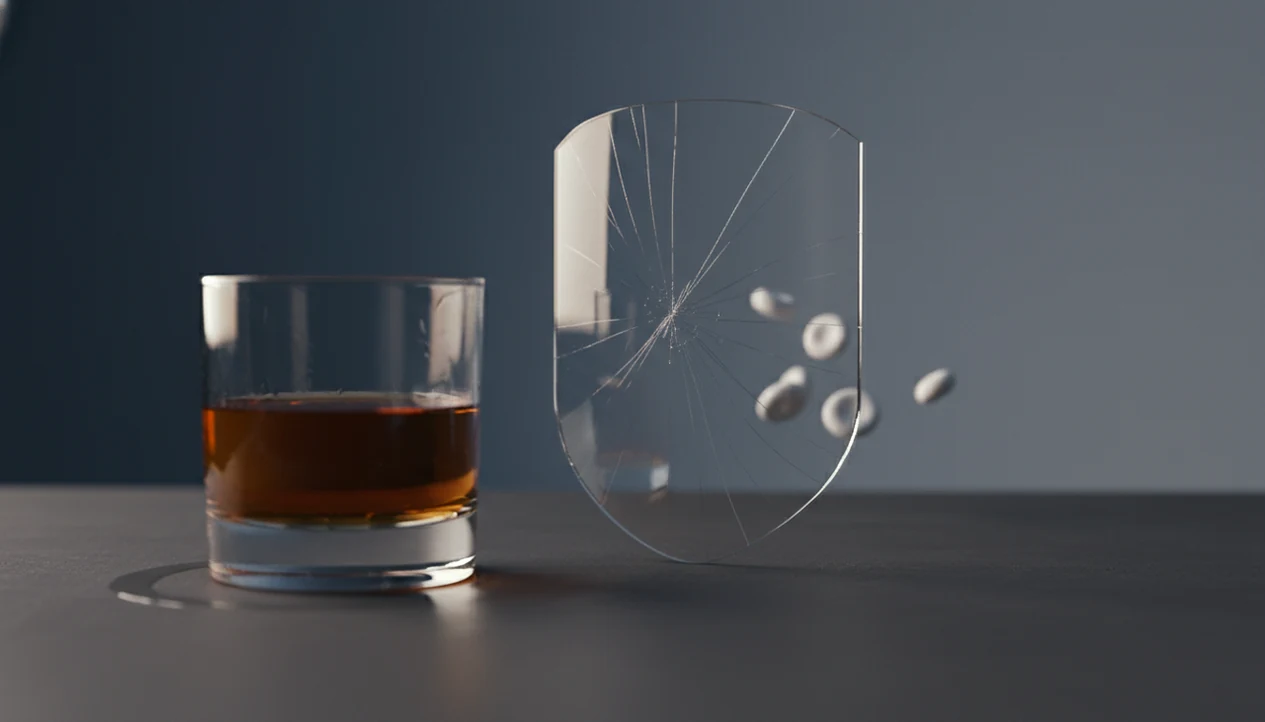
Yes, alcohol weakens immune system defenses most clearly when drinking is heavy, repeated, or concentrated into a binge. Alcohol can reduce white blood cell function, weaken the gut barrier, disrupt sleep, and leave your body less prepared to fight infections or recover well.
Definition: Alcohol-related immune weakness means alcohol interferes with immune cells, gut defenses, inflammation control, and recovery processes that normally help the body resist germs and repair tissue.
- Heavy drinking and binge drinking are the clearest patterns linked with lower immune resilience.
- A single heavy drinking episode may impair infection defenses for up to 24 hours.
- Alcohol can affect white blood cells, the gut barrier, sleep quality, lung defenses, and inflammation signaling.
Alcohol Weakens Immune System Defenses: At-a-Glance Answer
Quick answer: Alcohol can weaken immune defenses, especially when drinking is heavy, repeated, or occurs as a binge. For many people, reducing alcohol intake may support better sleep, gut health, inflammation balance, and recovery from illness.
Key takeaways
- Binge drinking may temporarily lower immune readiness even if you do not drink daily.
- Poor sleep after drinking can make recovery and infection resistance harder.
- Alcohol may irritate the gut lining, which can affect immune signaling.
- Frequent drinking can make it harder to notice patterns between alcohol, cravings, and getting sick.
- Cutting back gradually is often safer than abruptly stopping if you drink heavily.
- Seek medical advice before stopping if you have withdrawal symptoms or a history of seizures.
Heavy alcohol use and binge drinking can weaken immune defenses by disrupting how the body spots germs, controls inflammation, and repairs tissue. The risk is not identical for every person; dose, frequency, sleep, nutrition, age, medications, and baseline health all matter.
The main pathways are fairly clear. Alcohol can affect white blood cells, weaken the gut barrier, disturb inflammation control, and fragment sleep. That combination can leave the body less ready during the next craving window, cold exposure, or recovery period.
Occasional low-level drinking is not the same risk profile as repeated heavy drinking. The weeknight pour after laptop shutdown becomes more concerning when it turns into several drinks, several nights a week, with poor sleep afterward.
Pattern matters.
Five Facts About Alcohol, White Blood Cells, and Getting Sick
- Heavy alcohol use can interfere with multiple parts of the immune response, including early defense, inflammation signaling, and tissue repair.
- A single heavy drinking occasion can reduce the body’s ability to ward off infections for up to 24 hours, according to the National Institute on Alcohol Abuse and Alcoholism: https://www.niaaa.nih.gov/publications/brochures-and-fact-sheets/alcohol-and-immune-system.
- Alcohol can alter white blood cell activity, including how immune cells identify, move toward, and destroy pathogens.
- Alcohol can weaken the gut barrier and gut immune defenses, which may allow bacterial products to trigger more inflammation.
- Dose and frequency matter; repeated heavy drinking creates greater immune concern than occasional low-level drinking.
For adults comparing alcohol’s body effects beyond immunity, the alcohol reduction guides can help connect cravings, sleep, gut symptoms, and recovery patterns.
How Alcohol and Immune System Weakness Works
Alcohol-related immune weakness means alcohol can dysregulate immune signaling, not simply “turn immunity off.” Innate immunity is the fast first response, while adaptive immunity is the slower memory system that learns from prior infections and vaccines.
Alcohol can interfere with white blood cells, lymphocytes, inflammation control, tissue repair, and infection response. It may reduce some protective defenses while increasing harmful inflammatory signals. That is why immune suppression and inflammation can coexist in heavier drinking patterns.
The body can be under-defended and over-irritated at the same time.
Innate immune defenses
Innate defenses include barriers, inflammation signals, and cells that respond quickly to germs. Alcohol can make this early response less coordinated, especially after heavy intake.
Adaptive immune memory
Adaptive immunity relies on lymphocytes and immune memory. Reviews of alcohol and immunity report that chronic heavy drinking can be linked with decreased lymphocyte frequency, a marker of impaired adaptive immunity.
How to Use Alcohol-Immunity Information to Reduce Risk
Use alcohol-immunity information as a pattern check, not a scare tactic. The goal is to notice whether drinking lines up with worse sleep, more symptoms, or slower recovery, then choose one realistic change.
- Compare your last two weeks of drinking with your sleep quality, sick days, sore throats, gut upset, fatigue, and missed workouts or workdays.
- Identify the highest-risk pattern first, such as binge nights, several heavy evenings in a row, or the drinks that reliably come before poor sleep and symptoms.
- Choose one reduction target that feels specific enough to follow, such as adding dry days, setting a lower drink limit, skipping late-night refills, or avoiding back-to-back drinking nights.
- Track the next several weeks with simple notes on sleep, cravings, stomach symptoms, infections, and recovery time so you can see whether the change is helping.
- Ask a clinician before stopping abruptly if you may have withdrawal risk, morning shakes, seizures, heavy daily use, pregnancy, liver disease, or medication concerns.
Small data points beat vague guilt. If the pattern is real, it usually shows up on the calendar.
Does Alcohol Lower Immunity After One Night?
Does alcohol lower immunity after one night? Yes, a single heavy drinking occasion can temporarily reduce infection defense for up to 24 hours, especially when it also cuts into sleep and hydration.
That does not mean alcohol instantly creates a virus or bacterium. More often, alcohol lowers defenses, slows recovery, or makes symptoms feel worse after exposure has already happened.
A hangover can also mimic illness. Headache, nausea, dry mouth, and body heaviness may come from dehydration, poor sleep, and acetaldehyde effects. Fever, worsening cough, swollen glands, or symptoms lasting beyond the usual hangover window point more toward infection.
The morning after a party cooler packed with cans, it can be hard to tell at first. Give the body data: sleep, fluids, food, and symptom tracking.
Alcohol Gut Barrier Immunity and Inflammation Risk
The gut barrier is the lining that helps separate microbes, toxins, and irritants inside the digestive tract from the bloodstream. Alcohol can weaken this barrier and change how gut immune defenses respond.
When the lining becomes more permeable, bacterial products and inflammatory signals may cross more easily. Researchers often describe this as increased gut permeability. In plain language, the “filter” gets leakier.
Reviews of alcohol-related gut permeability describe this pathway as one way alcohol can amplify inflammatory signaling beyond the digestive tract: https://pmc.ncbi.nlm.nih.gov/articles/PMC4590619/.
That does not mean every stomach upset after drinking is immune damage. But heavier drinking can connect gut irritation with body-wide immune dysregulation. Some people notice this as poor sleep, loose stools, fatigue, or a cold that seems to linger after a run of drinking nights.
Alcohol can also affect nutrient status. The related issue of alcohol vitamin depletion matters because immune repair depends on adequate nutrition, not just fewer drinks.
Drinking and Getting Sick: Dose, Frequency, and Recovery
Risk generally rises with heavier and more frequent alcohol exposure. NIH-reviewed literature has reported higher pneumonia risk among adults who drink heavily compared with lighter drinkers or non-drinkers, and chronic heavy use has been associated with greater susceptibility to bacterial and viral infections.
For respiratory infection risk, NIH-indexed research has linked heavy alcohol use with higher pneumonia susceptibility and impaired lung immune defenses: https://pmc.ncbi.nlm.nih.gov/articles/PMC4590619/.
That does not prove every illness after drinking was caused by alcohol. Exposure environments matter too. Crowded bars, shared vapes, late nights, skipped meals, dehydration, and short sleep all stack the deck.
The Friday 6 p.m. drink can also make a cigarette feel automatic for some people, which adds another respiratory stressor. For people trying to understand body changes from cutting back, alcohol and weight loss may sit beside immunity, sleep, and energy as part of the same pattern.
For most adults, reducing heavy episodes is often more useful than debating one isolated drink because immune strain depends strongly on dose and repetition.
Alcohol Immune System Recovery and Practical Reduction Steps
The most direct behavior lever is reducing binge episodes and lowering drinking frequency. Clinicians typically recommend medical guidance for people with withdrawal risk, recurrent infections, pregnancy, liver disease, immune conditions, or medication questions.
Track alcohol patterns
- Log each drink on the day it happens, not three days later.
- Record sleep and sick days so patterns show up over weeks.
- Name the trigger before the drink, such as stress, boredom, pain, or social pressure.
- Set dry days if reducing frequency feels more realistic than quitting at once.
- Reset after a slip by reviewing the trigger pattern, not restarting from zero.
Me Quit can help adults track drinks, cravings, dry days, sober streaks, and health milestones privately. Me Quit mequit addiction recovery hub for quit smoking, stop vaping, quit drinking, and mindful alcohol reduction is for pattern tracking and day-by-day behavior support; it is not detox supervision, diagnosis, or emergency medical care.
Reduce heavy-drinking episodes
Rest, hydration, regular meals, and vaccine conversations can support immune resilience, but they do not cancel out heavy drinking. If you want app-based help comparing options, the best drink less app guide explains what to look for in limits, reminders, and private progress tracking.
When to Seek Medical Care or Withdrawal Support
Seek medical care when symptoms suggest more than a rough morning or a simple tracking problem. Alcohol reduction can be a strong health step, but severe illness, withdrawal risk, pregnancy, liver disease, medication issues, and immune-suppressing treatments deserve clinician input.
- Get urgent help for trouble breathing, chest pain, confusion, blue lips, severe dehydration, high or persistent fever, rapidly worsening infection symptoms, or symptoms that feel unsafe to wait on.
- Talk with a clinician if you keep getting infections, wounds heal slowly, fevers recur, or you already have an immune disorder or take treatments that suppress immunity.
- Ask before stopping abruptly if you drink heavily or daily, have morning shakes, sweating, panic, vomiting, hallucinations, seizures, or a prior withdrawal history.
- Mention key context such as pregnancy, liver disease, blood thinners, sedatives, opioids, antidepressants, immune medications, chemotherapy, or transplant medicines.
- Use apps as support, not care: drink logs, streaks, and reminders can help you notice patterns, but they cannot diagnose infection, manage detox, or replace medical treatment.
No app badge is worth pushing through dangerous symptoms alone.
Limitations
- Immune effects vary by alcohol dose, drinking pattern, sleep, nutrition, age, medications, and overall health.
- People with recurrent infections, severe symptoms, immune disorders, pregnancy, liver disease, or medication concerns should ask a clinician.
- Anyone at risk of alcohol withdrawal should seek medical advice before abruptly stopping.
No shame in needing support.
A private daily plan opened in the bathroom can be enough to choose the next small step. Me Quit may fit that kind of quiet tracking, but medical symptoms need medical care.
FAQ
Does alcohol lower immunity?
Yes. Alcohol can lower immune defenses, especially when drinking is heavy, repeated, or concentrated into a binge.
How long does alcohol affect immunity?
A single heavy drinking occasion can impair infection defenses for up to 24 hours. Chronic heavy drinking may affect immune function for longer, depending on health and recovery.
Does alcohol affect white blood cells?
Yes. Alcohol can interfere with white blood cells that identify, signal, and attack bacteria or viruses.
Can drinking cause more colds?
Drinking does not create cold virus exposure by itself. It may lower defenses, worsen sleep, or slow recovery after exposure.
Is binge drinking bad for immunity?
Yes. Binge drinking can temporarily impair infection defenses, even when the person does not drink heavily every day.
Does alcohol harm the gut barrier?
Alcohol can weaken the gut barrier and affect gut immune defenses. This may allow more inflammatory signaling from bacterial products.
Does moderate drinking boost immunity?
Alcohol should not be treated as a reliable way to boost immunity. Evidence for moderate drinking benefits is mixed and often affected by other lifestyle factors.
Can immunity improve after quitting alcohol?
Yes, reducing or quitting alcohol can support immune resilience over time. Recovery timing varies by drinking history, sleep, nutrition, and overall health.