

Can Your Liver Heal After Drinking Alcohol?
Bottom line
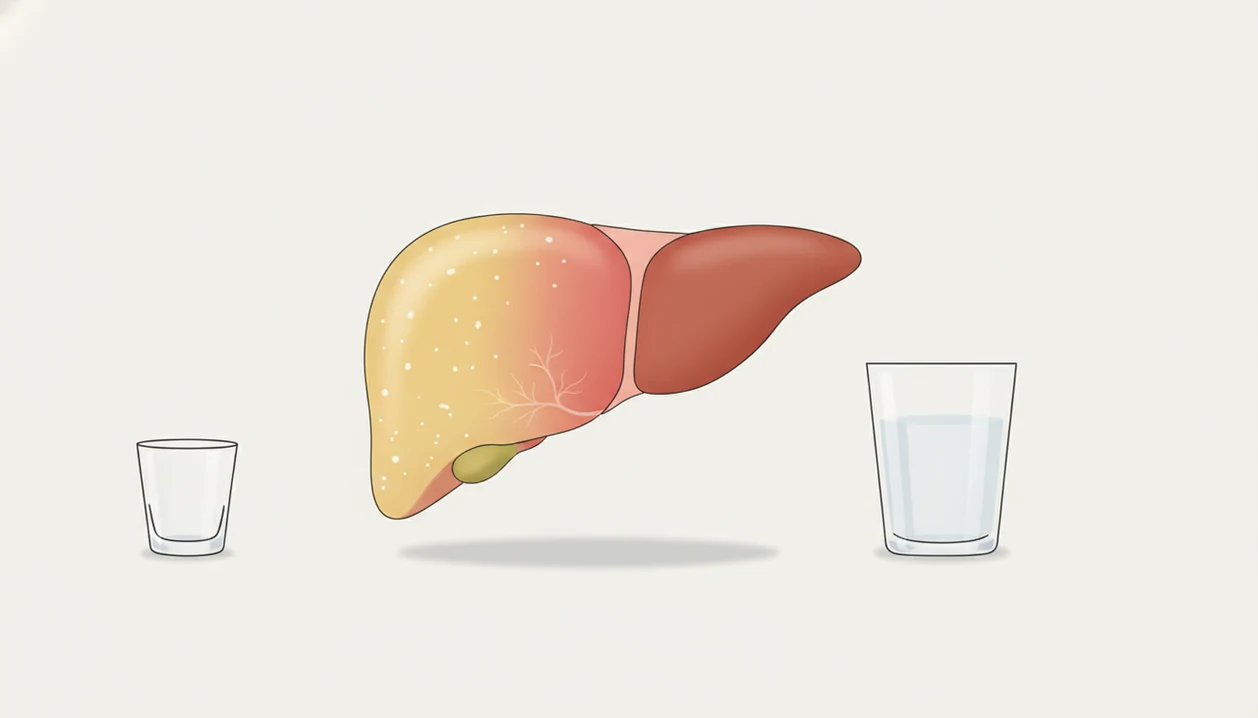
Yes. The liver can often recover after drinking stops, especially when the damage is limited to fatty liver or mild inflammation. Improvement may begin within weeks. Fibrosis may improve partly, but advanced cirrhosis usually does not fully reverse. Complete abstinence offers the best chance of recovery. Heavy daily drinkers should get medical advice before stopping because withdrawal can be dangerous.
A few alcohol-free days may improve sleep, appetite, or energy, but feeling better does not show how much liver healing has occurred. Fat, inflammation, and scarring recover on different timelines, and significant liver disease can exist without obvious symptoms.
The practical questions are how advanced the damage is, how safely alcohol can be stopped, and how recovery will be checked. Drinking history, blood work, imaging, nutrition, weight, diabetes, viral hepatitis, and medications can all affect the answer.
How Much Liver Recovery Is Possible?
Alcoholic liver disease healing is most likely when alcohol-related fatty liver or mild inflammation is caught early and alcohol stops. Fatty liver can often reverse, fibrosis may partially improve, and advanced cirrhosis usually does not return to a normal liver.
Once alcohol-related liver disease is present, complete abstinence is usually recommended because cutting back still exposes injured liver tissue to acetaldehyde and ongoing inflammation. A prospective abstinence study found that one month without alcohol improved liver function markers, insulin resistance, blood pressure, and weight in moderate-to-heavy drinkers, so early lab improvement can happen before deeper repair is complete bmj.
The big variables are not mysterious. They include how much someone drank, how many years it continued, nutrition, body weight, viral hepatitis risk, diabetes risk, and fibrosis stage. The half-poured wine glass on the counter is a real decision point, but the liver’s response depends on the months before and after that moment.
For diagnosed alcohol-related liver disease, complete abstinence is usually safer than moderation because even small exposures can keep inflammation active.
What Changes Inside the Liver After Alcohol Stops
Alcoholic liver disease healing works by removing the alcohol exposure that drives fat buildup, oxidative stress, inflammation, and scar formation. The liver can regenerate tissue after alcohol removal, but fibrosis stage sets the ceiling for how much recovery is possible.
When the liver metabolizes alcohol, it produces acetaldehyde, a toxic byproduct that irritates cells and increases oxidative stress. This combination inflames liver cells and interferes with the liver's ability to process fat. That can start as steatosis, then progress to alcoholic hepatitis, fibrosis, and cirrhosis.
Once alcohol stops, liver cells can clear fat, reduce inflammatory signaling, and rebuild some function. Experimental and clinical data show that after alcohol removal, the liver can recover a significant portion of lost mass and function, though recovery depends on the degree of fibrosis the NIH.
Cutting Down vs Stopping Alcohol Completely
Can liver heal after alcohol? Yes, early fatty liver may improve after a major reduction in drinking, but diagnosed alcohol-related liver disease usually requires full abstinence for the safest chance of repair.
The reason is simple: an already injured liver has less room for repeated hits. Moderate drinking is not considered safe for alcoholic hepatitis, fibrosis, or cirrhosis because inflammation and scar signaling can continue even when intake is lower than before. Staying alcohol-free is one of the strongest predictors of better long-term outcomes in alcohol-related liver disease.
If you are trying to reduce alcohol before stopping, use that as a bridge, not a finish line. Put the phone timer where the evening drink used to sit. Name the trigger, choose a replacement action, then make the next choice easier. Our alcohol reduction guides explain that habit side without pretending it replaces medical care.
Count Standard Drinks, Not Glasses or Cans
Drink size matters when describing alcohol exposure to a clinician. One U.S. standard drink contains about 14 grams of pure alcohol, roughly 12 fluid ounces of 5% beer, 5 fluid ounces of 12% wine, or 1.5 fluid ounces of 40% spirits. Strong beer, a large wine pour, or a cocktail may contain two or more. The CDC standard drink guide can help convert what you pour into a more accurate count.
| Category | Women | Men |
|---|---|---|
| Moderate drinking on a drinking day | 1 drink or fewer | 2 drinks or fewer |
| Binge drinking on one occasion | 4 drinks or more | 5 drinks or more |
| Heavy drinking in one week | 8 drinks or more | 15 drinks or more |
These categories describe population risk, not a safe allowance for an injured liver. If alcohol-related liver disease has been diagnosed, complete abstinence is normally advised.
Signs of Alcohol-Related Liver Inflammation
Alcohol liver inflammation symptoms can include fatigue, nausea, abdominal discomfort, jaundice, dark urine, swelling, easy bruising, and confusion. Fatty liver and mild inflammation can also be silent, so feeling normal does not prove the liver is healthy.
Common vague symptoms: Fatigue, low appetite, nausea, and a dull ache in the upper right abdomen can happen with liver inflammation, but they overlap with many other problems.
Visible warning signs: Yellow skin or eyes, dark urine, pale stools, swelling, and unusual bruising need medical attention.
Urgent danger signs: Vomiting blood, black stools, confusion, severe abdominal swelling, fever, or worsening weakness should be treated as urgent.
A headache behind the eyes at dusk might be withdrawal, dehydration, poor sleep, or something else entirely. Don’t self-diagnose from one body signal. Normal feelings can sit beside abnormal labs, especially early on.
Seek prompt medical care for yellow skin or eyes, dark urine, swelling, easy bruising, or worsening weakness. Confusion, vomiting blood, black stools, severe abdominal swelling, seizures, or hallucinations require emergency care, and heavy daily drinkers should not stop suddenly without medical advice.
Get Medical Care for These Warning Signs
Get medical help promptly if alcohol liver inflammation is possible and you notice yellow skin or eyes, swelling, dark urine, or easy bruising. Do not wait for pain; early liver disease can be quiet while labs or imaging are already changing.
Use urgent care or emergency services for confusion, vomiting blood, black stools, fever, severe belly swelling, or rapid worsening. If you have been drinking heavily, also ask about withdrawal support before stopping suddenly, especially if you have shakes, sweats, seizures, morning drinking, or past withdrawal.
- Call your clinician for same-week guidance if warning signs appear, even if you feel mostly functional.
- Use urgent or emergency care for bleeding, confusion, fever, or severe swelling rather than monitoring at home.
- Ask about a safe alcohol-stop plan before quitting abruptly after daily heavy use.
- Bring the unedited details: drinks per day or week, binges, medications, supplements, acetaminophen use, and any prior lab or imaging results.
- Follow the testing plan even if symptoms fade, because feeling better is not the same as knowing fibrosis risk.
Check Withdrawal Risk Before the First Alcohol-Free Day
For a person who drinks heavily every day, the first safety issue is withdrawal. Symptoms can start within hours and may be worst during the first 24 to 72 hours. Tremor, sweating, anxiety, nausea, insomnia, and a rapid heartbeat can progress to hallucinations, seizures, or severe confusion. Clinical guidance on alcohol-related liver disease recommends medical advice before abruptly stopping when dependence is possible.
- Tell a clinician how many standard drinks you have on a typical day and when you last drank.
- Report morning drinking, previous withdrawal, seizures, hallucinations, serious medical conditions, and current medications.
- Follow the recommended setting for withdrawal, which may be at home with medical support or in a monitored facility.
- After withdrawal is managed, arrange liver assessment and ongoing help staying alcohol-free.
Call emergency services for a seizure, hallucinations, confusion, fainting, chest pain, persistent vomiting, severe agitation, or rapidly worsening symptoms.
How Long Does the Liver Take to Heal From Alcohol?
Alcoholic fatty liver recovery time depends on disease stage. Fatty liver may improve within weeks to months after abstinence, while fibrosis and cirrhosis need longer monitoring and may only partly improve.
| Disease stage | What may improve | Typical recovery pattern |
|---|---|---|
| Fatty liver | Fat buildup and mild enzyme elevation | Often improves over weeks to months after alcohol stops |
| Alcoholic hepatitis | Inflammation, bilirubin, symptoms, enzymes | Some markers may improve in 2 to 4 weeks, but illness can be serious |
| Fibrosis | Early scar activity and stiffness | May partially improve over months to years with abstinence |
| Compensated cirrhosis | Stability, inflammation, some function | May improve clinically, but scarring usually remains |
| Decompensated cirrhosis | Ascites, bleeding risk, encephalopathy, survival | Some complications may regress, but specialist care is essential |
Clinical guidelines consistently identify sustained abstinence as the main intervention that improves outcomes in alcohol-related liver disease, including cirrhosis, but they do not promise full reversal once scarring is advanced the NIH. That is meaningful, but not a promise.
Tests That Show More Than Symptoms Can
Medical tests track alcoholic liver disease healing better than symptoms alone. Clinicians often look at AST, ALT, GGT, bilirubin, albumin, INR, and platelet count, then compare changes over time.
Imaging adds a different layer. Ultrasound can show fat, liver size, fluid, and some structural changes. Elastography estimates liver stiffness, which can suggest fibrosis or cirrhosis. These results need context, especially after years of heavy drinking or when symptoms are present.
Improving enzymes are encouraging, but they do not always mean scarring is gone. A person can have better AST and ALT while still having fibrosis risk. That gap can feel frustrating. It is also why follow-up matters.
Bring the real pattern to the appointment: weekly drinks, binges, dry days, medications, supplements, and any history of hepatitis exposure. A vague “I drink socially” does not help the clinician read the liver story.
Make a Safe Liver Recovery Plan
Use this information as a planning tool, not as a home diagnosis. The safest next step is to pair habit change with medical staging, especially if you drank heavily or already have abnormal liver tests.
- Book a clinician visit to review your drinking history, symptoms, withdrawal risk, and likely liver stage. Ask whether you need blood work, imaging, elastography, or specialist referral.
- Stop alcohol safely rather than abruptly guessing. If you have daily heavy use, morning drinking, shakes, sweats, seizures, or past withdrawal, ask about supervised withdrawal before you quit.
- Record the real details: drinks per week, binges, dry days, symptoms, medications, supplements, acetaminophen use, and relapse triggers. The unedited version helps more than the polite version.
- Repeat labs or imaging on the schedule your clinician recommends, even if you feel better. Symptoms can quiet down before risk is fully clear.
- Use habit supports for cravings, streaks, and trigger notes, but keep them in their lane. An app, journal, or support group can help behavior change; it cannot monitor fibrosis or clear you to drink.
Daily Support for Liver Recovery After Quitting Alcohol
Daily habits support liver healing by lowering alcohol exposure, reducing metabolic strain, and making relapse cues easier to handle. The central step is stopping alcohol and avoiding binge drinking, especially after any diagnosis of alcohol-related liver disease.
Abstinence plan: Remove the usual cue, such as the glass, bottle, or delivery app, and write a simple if-then plan for the hardest hour.
Nutrition and protein: Eat regular meals with enough protein unless your clinician gives different instructions.
Hydration, sleep, and movement: Water, sleep, walking, and gradual activity support recovery without turning healing into a punishment routine.
Lower liver stress: Avoid hepatitis exposure, unnecessary acetaminophen, risky supplements, smoking, and unmanaged weight gain.
Apps can support craving notes and streak repair, not diagnose liver disease or decide safe drinking limits. Weight changes can also affect fatty liver risk; the alcohol and weight loss guide covers that link.
Skip Liver Cleanses, Teas, and Detox Drinks
Do liver cleanses and detox drinks help alcoholic liver disease? No, detox drinks, liver cleanses, teas, and supplements cannot undo alcohol-related liver damage or replace stopping alcohol.
Some supplements are unproven, poorly regulated, or directly harmful to the liver. “Natural” is not the same as safe, especially when the liver is already inflamed. The liver detoxes itself through normal metabolism when alcohol exposure stops and health risks are treated.
The practical route is less flashy: abstinence, nutrition, weight management, hepatitis prevention, medication review, and medical follow-up. Boring works better here.
Liver Healing After Alcohol Questions
Can a fatty liver caused by alcohol return to normal?
Alcohol-related fatty liver is often reversible if alcohol stops before substantial scarring develops. Fat deposits may begin decreasing within about two weeks, but full recovery can take weeks or months. Body weight, diabetes, nutrition, viral hepatitis, drinking history, and continued alcohol exposure all affect the timeline.
How soon does liver healing begin after quitting alcohol?
Fat and inflammation can begin improving within weeks, and some blood markers may change within two to four weeks. That does not mean all damage has healed. Fibrosis may take months or years to improve, while advanced cirrhosis usually remains and needs long-term monitoring.
Is drinking less enough to repair alcohol-related liver damage?
Reducing alcohol lowers exposure and may slow further injury, but it may not stop established liver disease. Complete abstinence is usually recommended for alcoholic hepatitis, fibrosis, or cirrhosis. If physical dependence is possible, ask a clinician how to stop safely rather than abruptly quitting alone.
Can cirrhosis improve after alcohol stops?
Established cirrhosis usually does not fully reverse because the liver's structure has been permanently scarred. Stopping alcohol can still reduce inflammation, prevent additional damage, lower the risk of complications, and improve the outlook. Cirrhosis requires ongoing medical care even when symptoms or blood tests improve.
What symptoms can alcohol-related liver inflammation cause?
Possible symptoms include fatigue, poor appetite, nausea, discomfort in the upper right abdomen, yellow skin or eyes, dark urine, pale stools, swelling, and easy bruising. Confusion, vomiting blood, black stools, fever, or severe abdominal swelling are urgent warning signs. Early disease may cause no symptoms.
Can liver blood tests be normal when damage is present?
Yes. AST, ALT, and other liver tests may be normal even when fatty change, fibrosis, or cirrhosis is present. Improving enzyme levels also do not prove that scarring has disappeared. Clinicians may combine blood work with an examination, ultrasound, elastography, and repeat testing.
Do detox drinks or supplements speed up liver recovery?
No detox drink, cleanse, tea, or supplement has been shown here to reverse alcohol-related liver disease. Some supplements can injure the liver or interact with medication. The useful steps are stopping alcohol safely, eating regular nutritious meals, reviewing medications, and completing recommended medical follow-up.
When should I get checked for alcohol-related liver damage?
Arrange a medical assessment after prolonged heavy drinking, abnormal liver tests, jaundice, swelling, easy bruising, persistent nausea, or upper abdominal discomfort. Seek emergency care for confusion, vomiting blood, black stools, seizures, hallucinations, or severe swelling. Feeling normal is not enough to rule out liver disease.