
Alcoholic Neuropathy Symptoms: Nerve and Vision Changes
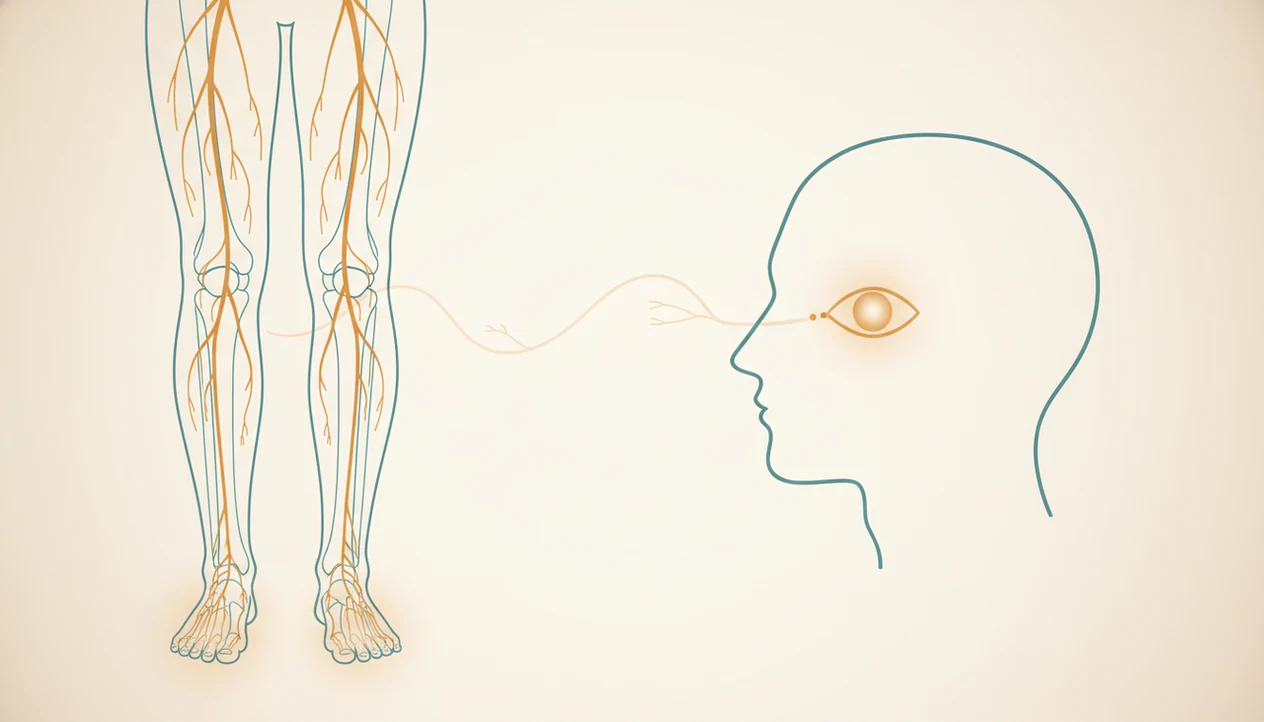
Alcoholic neuropathy symptoms usually start as burning, tingling, numbness, or pain in the feet and legs, then may progress to weakness, balance problems, hand symptoms, autonomic problems, and vision changes if alcohol-related nerve damage continues. Alcohol can injure peripheral nerves and, in some people, the optic nerve, especially when heavy drinking is combined with vitamin deficiencies.
Definition: Alcoholic neuropathy is alcohol-related damage to peripheral nerves, and alcohol optic neuropathy is alcohol-related or nutrition-related damage to the optic nerve that can affect vision.
TL;DR
- The most common alcohol nerve damage symptoms are tingling, burning, numbness, pain, cramps, weakness, and balance problems, often starting in the feet.
- Alcohol optic neuropathy can cause blurry, dim, or washed-out vision and color vision changes, often affecting both eyes.
- Stopping alcohol early, correcting nutrition, and getting medical evaluation can slow progression, but long-standing nerve or vision damage may not fully reverse.
This page is for education only and cannot tell you whether alcohol is the cause of your symptoms. New weakness, sudden vision loss, facial droop, severe headache, or loss of bladder control with back pain needs urgent medical care.
Alcoholic neuropathy symptom checklist for feet, nerves, and vision
Quick answer: Alcoholic neuropathy often feels like burning, tingling, numbness, or pain that starts in the feet and legs and may spread over time. Heavy alcohol use can damage nerves directly and may worsen vitamin deficiencies, so new or worsening nerve symptoms should be discussed with a clinician.
Key takeaways
- Do not assume tingling is harmless if it is persistent, worsening, or one-sided.
- Reducing or stopping alcohol may help prevent further nerve injury for many people.
- Nutrition gaps, especially B vitamin deficiencies, often need medical evaluation rather than guesswork.
- Vision changes, new weakness, falls, or bladder and bowel changes deserve prompt medical attention.
- People who drink heavily may need supervised withdrawal care; stopping suddenly can be dangerous.
- Tracking drinks, cravings, and triggers can make patterns easier to discuss with a clinician.
Alcohol-related nerve damage most often shows up first in the feet and legs as burning, tingling, numbness, pins and needles, pain, heaviness, cramps, or unusual sensitivity. Some people notice socks feel rough, shoes feel tight, or the floor feels strange even when nothing changed.
The pattern can move upward. Hands and arms may become involved when neuropathy advances, especially with long-term heavy drinking.
Watch for coordination problems, unsteady walking, weakness, tripping, and falls. Autonomic nerve symptoms can include bladder changes, bowel changes, sexual function problems, altered sweating, fast or irregular heart rate, and blood pressure drops when standing.
Vision matters too. Alcohol-related optic nerve symptoms can include blurry or dim vision, reduced color vision, central vision changes, and vision loss.
The stair test gets revealing.
How to use this alcoholic neuropathy symptom checklist
Use this checklist to organize what you are feeling, when it started, and what else changed around the same time. It is a preparation tool for a medical visit, not a way to prove that alcohol is the cause.
- Mark where burning, tingling, numbness, pain, pins and needles, or unusual sensitivity first appeared, especially if it began in the toes, soles, feet, or calves.
- Track whether the symptoms are moving upward, becoming more intense, or showing up on both sides of the body in a similar pattern.
- Record balance changes, trips, falls, leg weakness, hand clumsiness, bladder or bowel changes, sexual function changes, sweating changes, or fast heartbeats when standing.
- Write down recent alcohol patterns honestly, including daily amounts, dry days, heavier weekends, binges, poor appetite, weight loss, vomiting, or a stretch of eating less than usual.
- Bring the notes to a clinician and ask what else could explain the pattern, including vitamin deficiency, diabetes, thyroid disease, medication effects, spine problems, or urgent nerve and vision conditions.
Five facts about alcohol nerve damage symptoms
- Alcohol-related neuropathy often starts in the feet and legs before it affects the hands, because the longest nerves are usually most vulnerable.
- Symptoms can involve sensory, motor, and autonomic nerves, not just tingling or numbness.
- Alcohol-related nerve damage is linked to direct alcohol toxicity plus nutritional deficiencies, especially B vitamins such as thiamine.
- Stopping or sharply reducing alcohol can slow or stop progression, especially when symptoms are caught early.
- Alcohol can also contribute to optic neuropathy, with blurry vision, dim vision, and color vision changes.
A Friday 6 p.m. drink that used to feel automatic may become a health milestone instead. For many adults, that first clear symptom is the moment they start reading benefits of drinking less alcohol with a different level of attention.
Alcoholic neuropathy mechanisms in peripheral nerves and optic nerves
Alcoholic neuropathy works through toxic-nutritional nerve injury: chronic heavy alcohol exposure can directly harm nerve tissue, while poor intake and impaired absorption reduce nutrients nerves need to function. In plain terms, alcohol can damage the wiring and also deprive it of repair materials.
Thiamine deficiency is a major concern. It is reported in about 30% to 80% of people with chronic alcohol use, depending on the population studied, according to StatPearls the NIH. Other B vitamins can matter too.
Long nerves to the feet are often affected first because they have the longest supply line. Small failures show up at the far end before they show up nearer the spine. Alcohol optic neuropathy shares this toxic-nutritional pattern, but it affects the optic nerve that carries visual signals from the eye to the brain.
Peripheral alcoholic neuropathy symptoms in feet, legs, hands, and arms
What does alcohol-related peripheral neuropathy feel like? It can feel like tingling, numbness, burning, stabbing pain, pins and needles, or walking on sand or glass. Some people describe the legs as heavy, dead, or hard to trust.
Motor symptoms can include weakness, cramps, muscle wasting, foot drop, clumsiness, and trouble lifting the front of the foot. The classic pattern is “stocking-glove,” meaning feet first, then legs, and sometimes hands later.
Balance problems are common because the brain receives weaker position signals from the feet. A person may stumble in the dark hallway or need to look down more often when walking.
Prevalence estimates vary, but alcohol-related neuropathy occurs in an estimated 25% to 66% of people with chronic alcohol use disorder, according to a 2012 review the NIH.
Alcohol tingling numbness versus diabetes, B12 deficiency, and stroke red flags
Alcohol tingling numbness is a real search pattern because people often notice symptoms after heavy drinking, a binge period, or years of high intake. Alcohol can be one cause, but it should not be self-diagnosed from timing alone.
Other causes include diabetes, thyroid disease, vitamin B12 deficiency, medications, back or neck problems, autoimmune disease, infections, and circulation problems. Normal liver tests do not rule out alcohol-related neuropathy. Nerves and liver markers do not always move together.
Clinicians typically recommend medical evaluation for persistent, worsening, painful, or unexplained numbness because the treatment depends on the cause. Urgent care is needed for sudden one-sided weakness, facial droop, severe headache, loss of bladder control with back pain, or sudden vision loss. For stroke-like symptoms such as face drooping, arm weakness, or speech trouble, the American Stroke Association recommends calling emergency services immediately source.
If binge episodes are part of the pattern, what binge drinking does to your body gives useful context.
Alcohol optic neuropathy and vision nerve damage symptoms
Alcohol optic neuropathy is toxic-nutritional optic nerve damage associated with heavy alcohol use, poor nutrition, and vitamin deficiency. It affects the nerve that carries visual information from the eye to the brain.
Symptoms can include blurry vision, dim vision, washed-out colors, reduced red color perception, central blind spots, trouble reading, and vision loss. Toxic-nutritional optic neuropathies are usually bilateral and fairly symmetric, meaning both eyes are often affected in a similar way. Reviews of toxic and nutritional optic neuropathy describe central or cecocentral vision loss and color-vision changes as typical findings source.
Small print is often the clue.
Early abstinence and vitamin repletion may help, but delayed care can leave permanent vision loss. Any new vision change deserves prompt eye examination, especially if it appears with numb feet, weight loss, poor intake, or heavy drinking. Alcohol vision nerve damage is not something to watch casually for months.
Alcoholic neuropathy progression, recovery timeline, and relapse risk
Alcoholic neuropathy often creeps up slowly over years and can worsen if heavy drinking continues. Early alcohol reduction or abstinence can slow or stop progression, and some symptoms may improve, but recovery can take months or longer.
Long-standing nerve damage may be permanent. Medical management may include evaluation, vitamin replacement, better nutrition, pain control, physical therapy, fall prevention, and alcohol behavior change. The most common medically supported way to reduce progression risk is stopping alcohol exposure while correcting nutritional deficiencies and treating pain or mobility problems.
If you use Me Quit, treat it as a private log for cravings, dry days, and symptom notes to discuss with a clinician—not as medical diagnosis, detox supervision, or neuropathy treatment.
Medical checks for suspected alcohol nerve damage symptoms
Medical checks for suspected alcohol nerve damage usually start with alcohol history, symptom pattern, neurological exam, gait testing, reflex testing, and foot sensation testing. The details matter: feet first, both sides, slow progression, and balance changes all give clues.
Clinicians may order labs for thiamine, B12, folate, blood sugar, thyroid function, liver markers, kidney function, and other causes based on symptoms. Nerve conduction studies or EMG may help, although early symptoms can be harder to confirm. Eye examination and visual testing are important if there is blurry, dim, central, or color-related vision change.
How to use symptom information before the visit:
- Write down where symptoms started and how they spread.
- List alcohol intake honestly, including binge patterns and dry days.
- Note falls, weakness, bladder changes, sexual symptoms, or vision changes.
- Bring medication and supplement names.
- Ask what should change now while testing is pending.
For behavior tracking, the alcohol reduction guides can help organize next steps.
Limitations
Symptoms alone cannot prove alcohol is the cause because many conditions mimic neuropathy. This page explains common patterns, but it cannot diagnose the numb foot, the weak ankle, or the blurry page in front of you.
Important limits:
- Risk estimates vary by study population, drinking pattern, nutrition, genetics, and coexisting medical conditions.
- Sudden weakness, facial droop, severe headache, loss of bladder control with back pain, or sudden vision loss needs urgent care.
- This page is informational and not a substitute for medical diagnosis, emergency care, or addiction treatment planning.
If alcohol is also affecting weight, sleep, or appetite, alcohol weight metabolism may help connect the bigger pattern.
FAQ
What does alcoholic neuropathy feel like?
Alcoholic neuropathy often feels like burning, tingling, numbness, pins and needles, stabbing pain, or walking on sand or glass. It usually starts in the feet and legs.
Can alcoholic neuropathy be reversed?
Some symptoms may improve after alcohol abstinence, vitamin replacement, and nutrition correction. Long-standing nerve damage may be permanent.
Where does alcohol neuropathy usually start?
Alcohol neuropathy most often starts in the feet and legs. It may spread upward and later involve the hands.
Is alcohol tingling numbness dangerous?
Persistent or worsening tingling and numbness can signal nerve damage and needs medical evaluation. Sudden one-sided symptoms or sudden vision loss needs urgent care.
Can alcohol damage the optic nerve?
Yes, heavy alcohol use with poor nutrition can contribute to toxic-nutritional optic neuropathy. This can damage the optic nerve and affect vision.
What vision changes can alcohol-related optic neuropathy cause?
It can cause blurry vision, dim vision, washed-out colors, reduced red perception, central blind spots, and vision loss. Symptoms often affect both eyes.
How fast can alcoholic neuropathy improve after quitting alcohol?
Improvement can take months or longer after quitting alcohol and correcting nutrition. Recovery may be incomplete if nerve damage has been present for a long time.
When should I see a doctor for numbness, weakness, or vision changes after drinking?
Seek medical care for persistent numbness, pain, weakness, balance problems, autonomic symptoms, or any new vision change. Get urgent care for sudden weakness, facial droop, severe headache, bladder loss with back pain, or sudden vision loss.