
Why Alcohol Can Trigger Mood Swings, Stress, and Anxiety
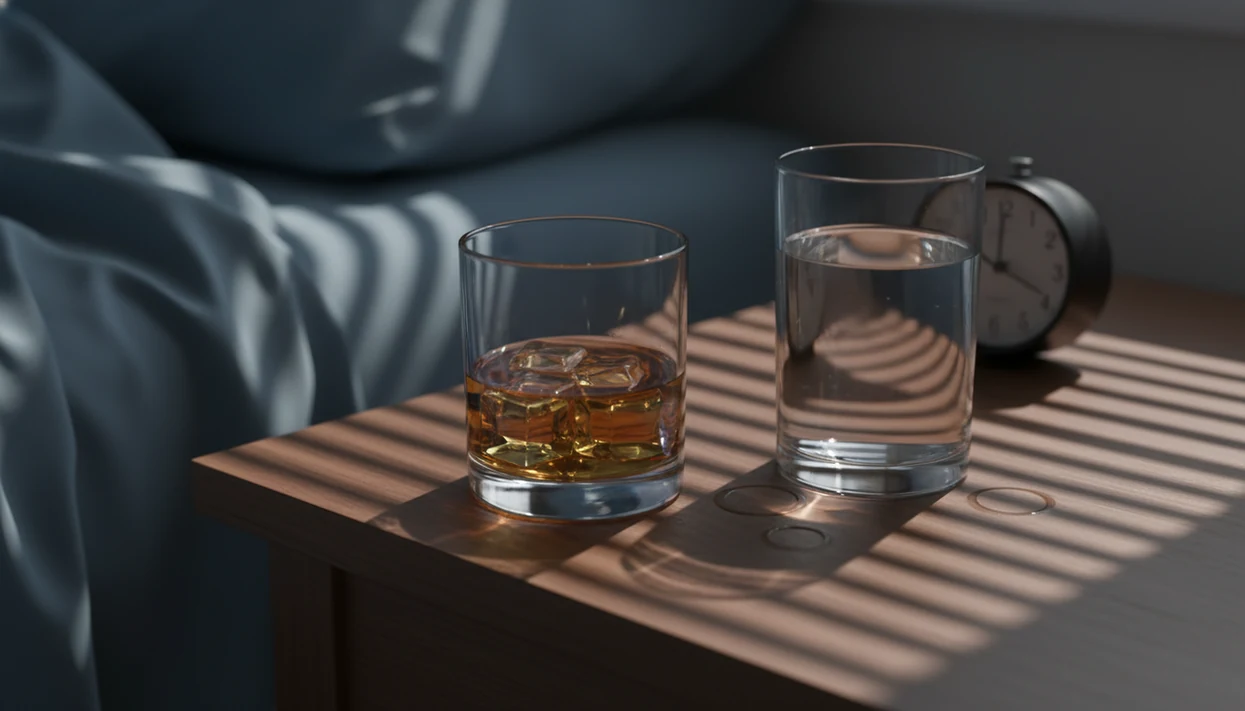
A drink after work can make the day feel finished. Hours later, you may be awake with racing thoughts, unusually sensitive to noise, or replaying a small disagreement. The change can feel unrelated to alcohol because the emotional cost often arrives after the relaxing effect has passed.
Amount, drinking speed, sleep, medications, hormone changes, and existing anxiety or depression can all shape the response. Looking at timing across several days can help separate a repeatable alcohol pattern from a bad morning that happened once.
The quick version
Alcohol can briefly lower tension, then cause anxiety, irritability, sadness, or emotional sensitivity as it wears off. This rebound can come from disrupted sleep, changes in brain signaling, and withdrawal-like effects. The pattern may appear later that night or the next morning, especially after heavier drinking or repeated use.
Why the brain can feel more reactive after drinking
Alcohol-related stress and mood swings usually come from a push-pull effect: alcohol can calm the brain briefly, then leave it more reactive as the effect fades. The same drink that feels like relief at night can make stress feel louder later.
Early on, alcohol boosts inhibition in the nervous system, partly through GABA-related signaling, which is the brain’s “slow down” messaging. That can lower self-consciousness, soften tension, and make problems feel farther away. As alcohol wears off, the brain tries to rebalance toward alertness. For some people, that rebound feels like racing thoughts, irritability, dread, or being too sensitive to noise, texts, or small conflict.
Sleep adds another layer. Alcohol may help someone fall asleep, but it can fragment the night and reduce how restored the brain feels in the morning. Poor sleep makes emotional regulation weaker, so ordinary stress lands harder. Alcohol may also disrupt cortisol and other stress-system rhythms, though the exact pattern is not the same for everyone. Dose, drinking speed, timing, medications, sleep debt, and baseline anxiety all shape the final effect.
Alcohol, cortisol, and the body's stress response
Alcohol can affect anxiety by first increasing GABA-related relaxation and reducing inhibition, then disrupting stress systems that help the brain judge threat and safety. Those systems include cortisol signaling, the amygdala, and wider stress circuitry.
At 9 p.m., a drink may soften social worry or make your shoulders drop. By 3 a.m., the body may be processing alcohol, sleep may be lighter, and the stress system may feel switched on. That is one reason people wake with dread, a pounding heart, or a short fuse after a night that seemed relaxing.
Cortisol does not rise in the same pattern for every person after every drink. The safer claim is that alcohol can disturb the body’s stress response, especially with heavier or repeated drinking.
That sticky bar table under your fingertips can feel calm for an hour. The bill comes later.
Five ways alcohol can make mood harder to regulate
- Alcohol is a depressant that disrupts neurotransmitters involved in mood regulation, including systems related to calm, reward, and emotional control.
- Alcohol can briefly reduce anxiety, but negative emotion can increase as its effects wear off.
- Regular drinking can train the brain to expect alcohol for dopamine reward and GABA-related calm.
- Mini-withdrawal after heavier drinking can cause rebound anxiety, shakiness, poor sleep, irritability, and low mood.
- Cutting down or taking breaks may improve sleep, mood stability, and stress resilience for many people.
These facts matter because mood changes after drinking are often misread as a personality problem. They can be a pattern. If alcohol is also tied to cigarettes, vaping, or late-night cravings, the loop gets harder to spot without notes. Our alcohol reduction guides cover more of those brain-and-body patterns.
Get medical advice before stopping suddenly if you drink heavily every day or feel shaky, sweaty, nauseated, anxious, or unwell when alcohol wears off. Call emergency services for a seizure, hallucinations, severe confusion, chest pain, or immediate risk from suicidal thoughts.
Why am I anxious the morning after drinking?
Why am I anxious after drinking? Alcohol rebound anxiety is the anxious, uneasy, or panicky feeling that appears after alcohol wears off, often the next morning.
A night of heavier drinking can create a mini-withdrawal state. Your brain has adjusted to alcohol’s calming effects, then has to swing back toward alertness. At the same time, alcohol can fragment sleep, reduce restorative sleep quality, and make emotional control weaker the next day. The full sleep pattern is covered in our alcohol sleep cycle guide.
Common symptoms include racing thoughts, dread, snappiness, tearfulness, shakiness, guilt, and low mood. Some people describe it as “hangxiety.” Others just notice they are unusually sensitive to texts, noise, traffic, or small criticism.
The craving timer glowing in bed feels different at 2:17 a.m. The brain wants certainty. Alcohol rarely gives it.
Mood changes happen on three different timelines
| Time window | What may happen | What to do |
|---|---|---|
| While drinking and later that night | Lower inhibition, emotional reactions, lighter sleep, or waking with anxiety | Record the amount, timing, mood, and sleep |
| About 6 to 72 hours after the last drink | Withdrawal can cause anxiety, insomnia, tremor, sweating, nausea, rapid heartbeat, irritability, or low mood | Seek medical advice if physical dependence is possible |
| Several days to weeks | Sleep, cravings, and mood may gradually settle, although an independent mental health condition can remain | Get assessed if symptoms are severe, persistent, or unrelated to drinking |
Alcohol withdrawal commonly begins 6 to 12 hours after the last drink and is often worst during the first 48 hours. Symptoms may continue for 3 to 7 days. Sleep can take longer to recover and may move toward normal over about one month, according to NHS alcohol treatment guidance.
Seizures, hallucinations, severe agitation, fever, or confusion can emerge during serious withdrawal, sometimes around 48 to 72 hours after the last drink. These require emergency care. Cleveland Clinic's withdrawal overview describes these complications, while NIAAA clinical guidance warns that abruptly stopping chronic heavy drinking can be life-threatening.
Alcohol effects vs anxiety, depression, or another condition
Alcohol problems and mental health symptoms often cluster together, but that does not mean alcohol is always the only cause. In 2022, 29.5 million people aged 12 or older in the United States had alcohol use disorder, according to the National Institute on Alcohol Abuse and Alcoholism(NIAAA alcohol data).
The overlap is also substantial. According to the National Institute of Mental Health(the NIH statistics), an estimated 44% of adults with past-year alcohol use disorder had at least one co-occurring mental illness in 2021. In a large UK survey, people with harmful or probable dependence drinking patterns were more than twice as likely to screen positive for anxiety than low-risk drinkers. Source: NHS Digital Adult Psychiatric Morbidity Survey (the NHS).
Those numbers are population patterns, not a diagnosis. Trauma history, social stress, depression, panic disorder, medications, and sleep problems can all sit underneath the drinking pattern. When symptoms keep returning after drinking, discuss alcohol use and mental health together with a clinician.
Understand the mental and emotional effects of drinking alcohol
The psychological effects of alcohol include more than the feelings caused by intoxication. Drinking can create a mental load made up of cravings, private rules, planning, concealment, regret, and next-day repair. The quantity matters, but so does the amount of attention alcohol takes.
The reward-relief loop helps explain why this becomes exhausting. A cue such as a difficult commute, loneliness, or the couch after dinner produces an urge. Drinking brings quick relief, so the brain records the action as useful. It may give less weight to the 3 a.m. awakening, foggy meeting, guilty feeling, or anxiety that follows.
- Notice a cue and feel the urge rise.
- Negotiate a rule, exception, or reason that tonight is different.
- Decide how much to drink and when to stop.
- Manage sleep disruption, explanations, or hidden evidence.
- Repair the next day with apologies, extra work, stricter rules, or regret.
This alcohol and decision fatigue cycle can exist without an alcohol use disorder diagnosis. Counting drinks is not automatically a warning sign, but constant bargaining, hiding alcohol use, or feeling relieved when drinking is removed from the plan deserves attention. Cutting back can reduce the number of daily alcohol decisions, although cravings and mood changes may take time to settle.
Patterns that point to alcohol as a mood trigger
A useful alcohol mood check tracks drinks, timing, sleep quality, next-day anxiety, irritability, cravings, and mood. The record cannot diagnose a condition, but repeated timing can show that alcohol may be part of the trigger pattern.
- The relief rule: You need alcohol to relax after ordinary stress, not just for pleasure.
- The next-day crash: Your mood drops after drinking, even when the night was fine.
- The conflict clue: Arguments, snappy texts, or regret show up more often after alcohol.
- The Sunday spike: Anxiety worsens on Sunday or Monday after weekend drinking.
- The craving bridge: Alcohol makes cigarettes, vaping, or more drinking feel automatic.
For privacy and safety, any tracking tool should support pattern notes and reset planning; it should not present itself as medical detox, therapy, or a diagnosis.
Reduce the next-day stress and mood crash
The most practical way to reduce alcohol-related mood swings is to lower the dose, protect sleep, and stop using alcohol as the main stress tool. The UK Chief Medical Officers recommend not regularly drinking more than 14 units per week as a risk-reduction benchmark.
Use this six-part tracking routine:
- Set a drink limit before the first drink, or choose alcohol-free days each week.
- Record the urge when it appears after work, conflict, loneliness, or another stressful moment.
- Protect sleep by stopping earlier, eating, hydrating, and avoiding late-night drinking.
- Swap the coping action with a walk, shower, food, support call, therapy skill, or breathing drill.
- Review weekly for changes in anxiety, irritability, sleep, and low mood.
- Reset the plan after a slip instead of restarting from zero.
If you want a phone-based comparison, our best drink less app guide explains what to look for.
How to stop drinking after a bad day tonight
A bad-day plan only needs to cover tonight. Its main purpose is to interrupt the first cue before stress turns into an automatic drink.
- Change the first location or route. Skip the store, avoid the bar block, or sit in a different room when you get home.
- Eat and drink water before debating alcohol. Hunger, dehydration, and exhaustion can make the urge feel more urgent.
- Delay the first drink for 20 minutes. Name the feeling as anger, loneliness, exhaustion, anxiety, or the usual 6 p.m. habit.
- Use one decompression action. Take a shower, walk around the block, call someone, stretch, or prepare tomorrow's lunch.
- Write down the trigger, urge, action, and outcome. Record what helped even if the evening did not go as planned.
| Trigger | Usual cue | Replacement action |
|---|---|---|
| Work conflict | Drink while replaying the argument | Write the angry version in a private note before responding |
| Loneliness | Open a drink before contacting anyone | Text one person: Rough day. Can you talk for ten minutes? |
| Exhaustion | Drink instead of eating | Have a simple meal, then reassess the urge |
| Boredom | Drink while scrolling | Set a 20-minute timer and do one small task with music |
If you drink heavily every day or develop shaking, sweating, nausea, anxiety, or other symptoms when alcohol wears off, get medical advice before trying to stop suddenly.
How to stop drinking when stressed
Stress drinking is easier to interrupt when the plan is written before the next difficult evening. A short script reduces the number of decisions you must make while upset, tired, or craving relief.
- Name the trigger out loud or in writing: work stress, anger, loneliness, money worries, or exhaustion.
- Set a 10 to 20 minute timer and make no decision about alcohol until it ends.
- Use a replacement that fits the trigger. Walk quickly for anger, eat and lower the lights for fatigue, call someone for loneliness, or use slow breathing for anxiety.
- Leave the kitchen, bar, party, or group chat if staying there is strengthening the urge.
- Record what happened. After a slip, identify the cue and revise one part of the plan rather than abandoning it.
Prewrite the moments that keep repeating
- If I want wine after paying bills, I will make tea and leave the kitchen for 20 minutes.
- If an argument makes me want a fast drink, I will shower before sending messages or making decisions.
- If I feel alone at night, I will text one safe person and sit somewhere other than my usual drinking spot.
- If I am too tired to cook, I will eat something simple before deciding what I need.
The substitute does not have to solve the original problem. Its immediate job is to carry you through the strongest part of the urge without making tomorrow harder.
A drinking limit is not a mood guarantee
For adults who choose to drink, the CDC defines moderate drinking as no more than two standard drinks in a day for men and one in a day for women. These are daily ceilings, not targets or guarantees that anxiety, sleep disruption, or mood swings will not occur. Some people notice symptoms after less.
People who are pregnant, underage, recovering from alcohol use disorder, unable to control their drinking, or taking medicines that interact with alcohol should not drink. See the CDC guidance on drinking less. If cutting down causes physical symptoms, do not use a general limit as a self-directed withdrawal plan. Ask a clinician how to reduce safely.
When mood changes or withdrawal need professional care
Self-help is reasonable for mild patterns, but some alcohol-related anxiety and mood swings need professional support. Red flags include withdrawal symptoms, morning drinking, blackouts, inability to cut down, suicidal thoughts, severe panic, or mixing alcohol with sedatives such as benzodiazepines or sleep medications.
Medical detox may be needed if there is physical dependence. Warning signs can include severe shaking, confusion, hallucinations, seizures, or needing alcohol to feel physically steady. Do not try to manage dangerous withdrawal alone.
If safety is at risk, contact a clinician, crisis service, or emergency help now.
Alcohol, anxiety, and mood questions
Can alcohol cause mood swings the next day?
Yes. Alcohol may briefly reduce tension, then leave the nervous system more reactive as it wears off. Fragmented sleep, dehydration, skipped meals, and withdrawal-like effects can add irritability, sadness, anxiety, or emotional sensitivity the next day. Timing that repeats after drinking is a useful clue.
Why do I wake up anxious after drinking?
Alcohol's calming effect fades while the brain shifts back toward alertness. At the same time, sleep may become lighter and more fragmented. The result can be racing thoughts, dread, shakiness, a pounding heart, or unusual sensitivity to noise and conflict. Heavier drinking generally makes this rebound more likely.
Does alcohol make stress worse?
It can. A drink may lower tension for a short time, but poor sleep and nervous-system rebound can make ordinary stress feel harder later. Repeatedly using alcohol for relief can also build a cue-craving cycle in which work, conflict, or loneliness starts to trigger drinking automatically.
Does alcohol raise cortisol?
Alcohol can disturb cortisol signaling and the wider stress-response system, but cortisol does not follow the same pattern in every person after every drink. The practical issue is that repeated or heavier drinking can leave the body feeling more activated, especially as alcohol wears off or sleep becomes disrupted.
Will cutting back improve anxiety and mood?
It may improve sleep, next-day anxiety, irritability, and mood stability, particularly when symptoms regularly follow drinking. Improvement is not always immediate. Withdrawal and early sleep disruption can temporarily make mood worse, and persistent symptoms may come from a separate anxiety, depression, trauma-related, or medication-related condition.
How can I tell if alcohol or depression is causing my low mood?
Track drinking, sleep, and mood for several days or weeks. Note symptoms during drinking, the next morning, on alcohol-free days, and after longer breaks. A clear timing pattern can provide useful information, but it cannot diagnose the cause. Severe, persistent, or suicidal depression needs professional assessment.