Why Alcohol Can Leave You Tired After Sleeping
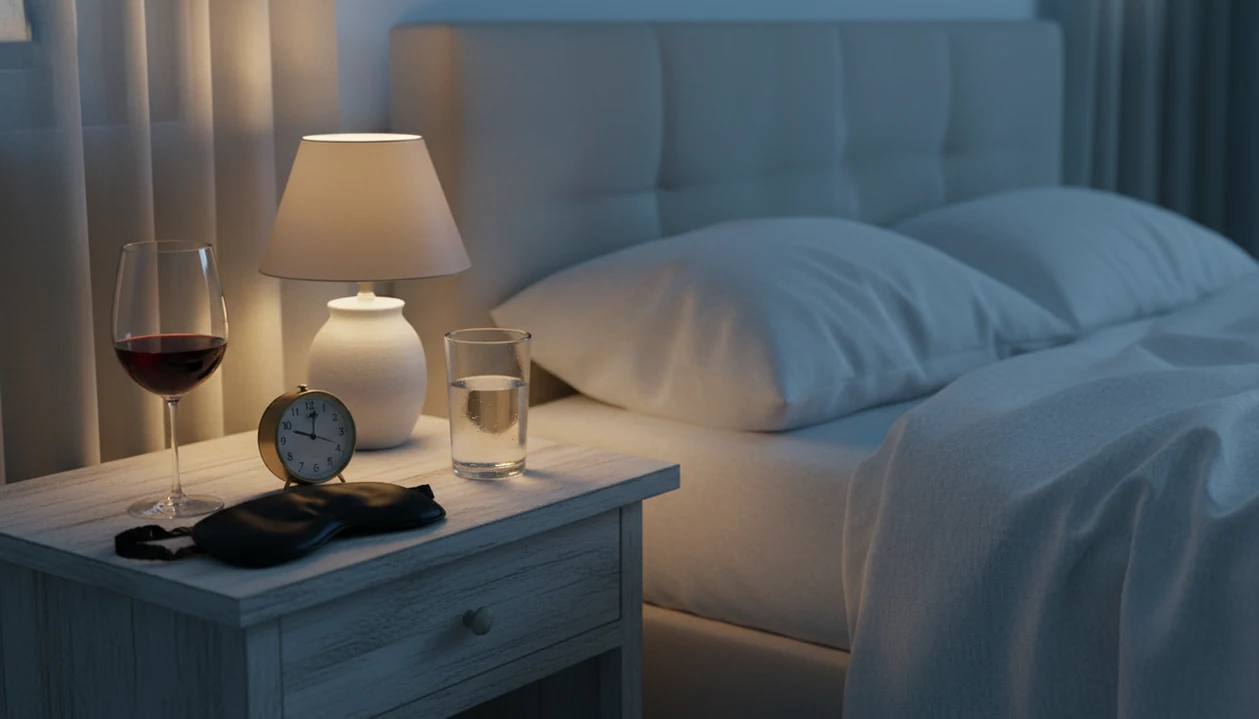
The phrase alcohol poor sleep fatigue describes how drinking can make you fall asleep faster while breaking up the deeper, more restorative stages of sleep later in the night. Alcohol disrupts REM sleep, increases awakenings, worsens snoring or sleep apnea risk, and can leave you groggy, anxious, and low-energy even after 7–8 hours in bed.
> Definition: Alcohol-related sleep fatigue is next-day tiredness caused by alcohol’s effects on sleep architecture, breathing, hydration, stress hormones, and overnight recovery.
TL;DR
- Alcohol can feel sedating at first, but it fragments sleep and reduces REM sleep later in the night.
- The tired, foggy, hungover feeling after drinking is often partly sleep deprivation, not just alcohol metabolism.
- Cutting back, avoiding evening alcohol, and tracking sleep and cravings can gradually improve energy and recovery.
Alcohol poor sleep fatigue at a glance
Quick answer: Alcohol can make you feel sleepy at first, but it often lowers sleep quality later in the night. For many people, drinking less—especially close to bedtime—may reduce grogginess, nighttime waking, anxiety, and next-day fatigue.
Key takeaways
- A nightcap may shorten the time it takes to doze off, but sleep may be lighter and more fragmented.
- Fatigue after drinking can come from poor sleep quality, dehydration, mood changes, and disrupted recovery.
- Cutting back gradually is often more sustainable than relying on willpower at bedtime.
- Avoiding alcohol in the few hours before bed may help some people notice better sleep sooner.
- Heavy or daily drinkers should ask a clinician before stopping suddenly because withdrawal can be dangerous.
- Tracking timing, amount, cravings, and next-day energy can reveal patterns that are easy to miss.
- Alcohol can shorten sleep onset, which is the time it takes to fall asleep, but shorter sleep onset is not the same as better sleep.
- Alcohol disrupts REM sleep, especially later in the night, when the brain normally cycles through more REM-rich sleep.
- Sleep fragmentation after drinking often shows up as 3 a.m. waking, restless turning, or checking the clock before dawn.
- Alcohol can increase nighttime urination, worsen snoring, and aggravate sleep apnea risk, all of which break sleep into lighter pieces.
- A high alcohol intake has been associated with about a 39% decrease in sleep quality in population sleep data, according to Sleep Foundation’s summary of alcohol-and-sleep research: https://www.sleepfoundation.org/nutrition/alcohol-and-sleep.
Tiredness can happen even after a full night in bed. The number on the alarm is only part of the story.
Why alcohol makes you tired after sleeping
why alcohol makes you tired is that sedation is not the same as restorative sleep. Alcohol can push the nervous system toward drowsiness early, then create a rebound effect as blood alcohol levels fall overnight.
That rebound can raise alertness at the wrong time. Some people wake with a dry mouth, a racing mind, or a headache behind the eyes at dusk the next day. The body slept, but not cleanly.
Fragmented sleep is associated with brain fog, low motivation, irritability, and slower reaction time. A mild hangover after two extra drinks may include nausea or thirst. Sleep-debt symptoms feel different: dull focus, heavy limbs, and the sense that ordinary tasks require extra effort.
For many adults, reducing evening alcohol is often easier than trying to “fix” sleep with supplements because it removes a direct sleep disruptor.
How alcohol disrupts REM sleep and recovery
Alcohol disrupts sleep architecture by increasing early-night sedation and increasing second-half sleep fragmentation as alcohol is metabolized. Sleep architecture means the pattern of light sleep, deep sleep, and REM sleep across the night.
REM sleep supports mood, learning, memory, and emotional regulation. When REM sleep is shortened or shifted, the next day can feel emotionally thin. People often describe ordinary stress as sharper, not just feeling tired.
Deep sleep matters too. It supports physical recovery, immune function, and the body’s overnight repair work. Alcohol can interfere with both REM-rich sleep and the steadier deep sleep that helps people wake restored.
Research reviews report that chronic alcohol use reduces overall sleep quality and is associated with insomnia and other sleep disturbances. The full mechanism is still being studied, but the lived pattern is familiar: fall asleep fast, wake too early, then feel unrefreshed.
For a deeper sleep-stage explanation, the related alcohol sleep cycle guide covers REM, deep sleep, and timing in more detail.
How alcohol and low energy reinforce each other
Poor sleep and cravings can push each other in both directions. Alcohol may reduce sleep quality, then fatigue raises stress, lowers motivation, and makes quick relief feel more attractive the next evening.
Sleep loss is not minor: CDC drowsy-driving guidance notes that being awake for at least 17 hours can impair performance in a way comparable to a 0.05% blood alcohol concentration: https://www.cdc.gov/sleep/aboutsleep/drowsydriving.html.
The taxi queue beside glowing vape tips is a real trigger scene for some people. Fatigue lowers the pause between urge and action, whether the urge is a drink, cigarette, or vape.
Not diagnosis. Just pattern recognition.
People working on alcohol reduction or nicotine recovery may benefit from logging sleep, cravings, and trigger times together. A craving log entry with time, trigger, intensity, and response is more useful than a vague note saying “bad mood.” Related patterns are covered in alcohol stress and mood swings.
Before you reduce alcohol for better sleep
Before changing alcohol to improve sleep, first decide whether this is a light habit experiment or a safety issue. Occasional drinking and heavy, dependent, or daily drinking are not the same starting line.
- Check your risk level by noting how often you drink, how much you usually have, whether you need more to feel the same effect, and whether cutting back has felt hard before.
- Call for medical advice first if you have withdrawal warning signs such as severe shaking, confusion, hallucinations, seizures, chest pain, uncontrolled vomiting, or a history of dangerous withdrawal.
- List your health variables before judging alcohol alone, including sleep medications, antidepressants, stimulants, pain medicines, snoring, witnessed breathing pauses, morning headaches, and shift-work or rotating schedules.
- Record a baseline week with drink timing, wake-ups, bedtime, wake time, naps, cravings, and next-day energy. One rough night is noise; a week gives you a pattern.
- Compare gradually after the baseline rather than expecting instant recovery. Better sleep may show up first as fewer 3 a.m. wake-ups, steadier mornings, or less evening craving.
5 steps to reduce alcohol poor sleep fatigue
- Set a cutoff time for alcohol earlier in the evening, ideally several hours before bed, so metabolism is less likely to collide with REM-heavy sleep.
- Track each drink with time, amount, and context, such as “9:20 p.m., two beers, work stress, intensity 6.”
- Hydrate steadily before bed without overdoing fluids, since alcohol can increase nighttime urination and broken sleep.
- Protect a consistent wake time after drinking nights and dry nights, because the body clock responds to regular timing.
- Review energy changes weekly, including grogginess, naps, cravings, and whether you woke between 2 a.m. and 4 a.m.
Tools like Me Quit can give adults a private way to track cravings, streaks, drink limits, and milestones without turning the process into a public identity. Good mequit addiction recovery hub for quit smoking, stop vaping, quit drinking, and mindful alcohol reduction tools deliver pattern tracking and reset support, not detox care or a medical diagnosis.
For structured reduction ideas beyond sleep, the alcohol reduction guides library covers cravings, limits, and recovery basics.
Best bedtime changes when alcohol keeps you awake
Alcohol cutoff: Avoid alcohol close to bedtime. The closer drinking is to sleep, the more likely it is to disturb breathing, REM timing, and middle-of-the-night wakefulness.
Earlier movement: Light exercise earlier in the day may support sleep pressure at night. Keep intense workouts away from bedtime if they leave you wired.
Lower stimulation: Dim screens, reduce late messages, and keep the room cool. A wind-down routine works better when it is boring enough to repeat.
Hydration planning: Drink water earlier, not only right before lying down. Otherwise the bladder becomes the alarm clock.
No “rescue drink”: Extra alcohol for sleep can deepen the cycle. It may sedate the first hour, but it often worsens the second half of the night.
Sleep may improve gradually rather than immediately. For many adults, less evening alcohol works best when paired with a stable wake time and low-stimulation bedtime routine.
Common mistakes when alcohol keeps disrupting sleep
The biggest mistakes are treating alcohol as a sleep tool and judging recovery too quickly. Better sleep usually comes from changing drink timing, dose, and routine together, not from one heroic dry night.
- Avoid using alcohol as a rescue aid after one bad night. A drink may make the first hour easier, but it can split the second half of sleep and make tomorrow’s fatigue more likely.
- Check timing and amount before redesigning the whole bedtime routine. New pillows, teas, or apps will not do much if drinking still happens close to lights-out.
- Hydrate earlier instead of chugging water at the bedside. Overcorrecting can turn thirst into repeated bathroom wake-ups.
- Give recovery several nights before calling it a failure. REM timing, wake-ups, and morning energy may improve unevenly.
- Watch for breathing clues such as loud snoring, choking sounds, witnessed pauses, morning headaches, or dangerous daytime sleepiness. If those show up, do not blame fatigue only on alcohol.
Early recovery insomnia after cutting back on alcohol
Sleep can temporarily worsen when someone cuts back or stops after heavy, regular drinking. That does not mean reduction has failed. It may reflect early withdrawal, nervous system rebound, and a body clock adjusting without alcohol.
Among people withdrawing from alcohol, 36% to 91% experience insomnia symptoms during acute withdrawal and early recovery. The range is wide because studies include different drinking histories, health conditions, and definitions of insomnia. Reviews of sleep disturbance during alcohol recovery describe insomnia as common during withdrawal and early abstinence, with rates varying widely by population and study definition: https://pmc.ncbi.nlm.nih.gov/articles/PMC2936493/.
A dry night can still bring a sleepy slump the next afternoon. Annoying, yes. But common.
Heavy or dependent drinkers should seek medical support before cutting back sharply. Urgent symptoms such as confusion, seizures, hallucinations, severe shaking, chest pain, or uncontrolled vomiting need emergency care. Persistent insomnia also deserves professional assessment, especially when it comes with suspected sleep apnea, depression, or dangerous daytime sleepiness.
The most common medically supported approach for risky alcohol withdrawal is supervised care combined with follow-up support, not trying to manage severe symptoms alone.
How Me Quit supports drink-less goals and better sleep habits
Me Quit helps adults track smoking, vaping, drink-less goals, cravings, streaks, and milestones in one private place.
For sleep-related alcohol goals, app tracking is most useful when it captures timing. A simple record might include drinks after 8 p.m., wake-ups, next-day fatigue, and craving intensity. Over two weeks, the pattern is often clearer than memory.
Private self-directed tools can support mindful reduction for adults who do not want a public group setting. The empty bottle beside the recycling bin is data only if it becomes a record, not a shame loop.
Me Quit does not replace medical care for alcohol use disorder, withdrawal, sleep apnea, insomnia, depression, or medication-related fatigue. Adults comparing app-based support can use a best drink less app guide to understand what tracking tools can and cannot do.
Limitations
- Heavy or dependent drinkers may need medical supervision when cutting back, especially if they have withdrawal symptoms.
- Withdrawal insomnia can be intense and may require treatment, not just sleep hygiene.
- Digital tools can help with logs, reminders, streaks, and reflection, but they cannot replace in-person medical care.
Clinicians typically recommend medical assessment when fatigue is persistent, severe, unexplained, or linked with breathing pauses, withdrawal symptoms, or unsafe daytime sleepiness.
FAQ
Why does alcohol keep me awake?
Alcohol can keep you awake because it wears off overnight and triggers rebound alertness, fragmented sleep, stress hormones, urination, and breathing disruption. This is why some people fall asleep quickly but wake at 2 a.m. or 3 a.m.
Does alcohol disrupt REM sleep?
Yes, alcohol can suppress or alter REM sleep, especially in the second half of the night. REM disruption can affect mood, memory, emotional regulation, and next-day energy.
Why am I tired after drinking?
Tiredness after drinking can come from poor sleep quality, dehydration, inflammation, low blood sugar, and hangover effects. It can happen even after 7–8 hours in bed.
Can alcohol cause insomnia?
Regular alcohol use can contribute to persistent insomnia, and Harvard Health has reported alcohol is implicated in about 10% of chronic insomnia cases. Ongoing insomnia should be discussed with a clinician.
When should I stop drinking before bed?
Avoiding alcohol close to bedtime is the practical sleep-focused guidance. In general, less alcohol and earlier timing are better for sleep quality.
Will quitting alcohol improve sleep?
Quitting or cutting back often improves sleep over time. Heavy drinkers may first experience withdrawal-related insomnia and should seek medical guidance.
What alcohol is worst for sleep?
Dose and timing usually matter more than the specific drink. High-alcohol drinks and sugary mixed drinks may worsen awakenings, dehydration, or reflux for some people.
When should I see a doctor?
Seek medical help for severe withdrawal symptoms, suspected sleep apnea, persistent insomnia, or dangerous daytime sleepiness. Emergency symptoms include seizures, confusion, hallucinations, chest pain, or severe shaking.