
Can Alcohol Make Tendonitis Worse?
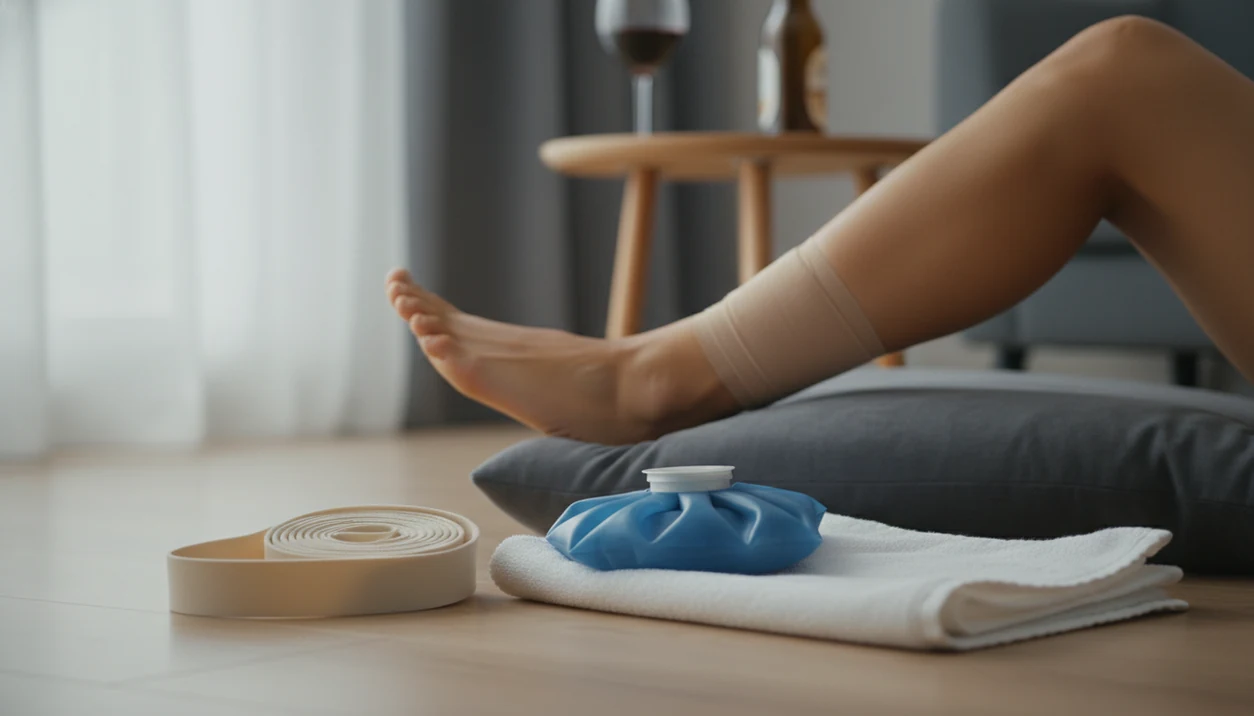
Yes, alcohol and tendonitis can be a risky mix because drinking may slow tendon repair, disrupt normal inflammation control, worsen dehydration, and make it easier to overuse a painful tendon before it is ready.
This article is educational and is not a diagnosis or a substitute for care from a clinician, physical therapist, or surgeon. Tendon tears, post-surgical restrictions, medication use, and heavy daily drinking need individualized medical guidance.
Definition: Tendonitis is irritation or inflammation of a tendon, while alcohol is a tissue-affecting drug that can alter immune activity, hydration, sleep, hormones, and repair processes involved in tendon recovery.
TL;DR
- Alcohol may not directly “cause” every case of tendonitis, but it can make recovery less predictable by interfering with inflammation control and tissue repair.
- The strongest direct evidence comes from animal tendon-healing research, including an Achilles tendon study where healing tendons exposed to ethanol were weaker after 3 weeks.
- If you are drinking with tendonitis, reducing or avoiding alcohol during the painful recovery window is the most cautious choice, especially after a tear, injection, or surgery.
At-a-glance answer on drinking with tendonitis
Quick answer: Alcohol may make tendonitis harder to recover from because it can interfere with repair processes, hydration, sleep, and pain judgment. For many people, avoiding or reducing alcohol during a flare or after a tendon injury is the safer choice, especially if pain, swelling, or limited function is ongoing.
Key takeaways
- Alcohol may delay normal tendon repair, especially after injury, overuse, or surgery.
- Drinking can make it easier to ignore pain signals and overload the tendon too soon.
- Poor sleep after alcohol use may reduce recovery quality for many people.
- Dehydration can worsen stiffness, cramping, and exercise tolerance during rehab.
- If you drink, keep it modest and avoid pairing alcohol with heavy training or painful activity.
- Ask a clinician before stopping heavy alcohol use suddenly or mixing alcohol with pain medicines.
Alcohol can plausibly worsen tendonitis recovery, but it is not proven to be the direct cause of every sore Achilles, elbow, shoulder, or wrist tendon. The main concern is that drinking can slow repair, disturb inflammation control, dehydrate tissues, worsen sleep, and blur pain signals that normally tell you to back off.
That matters during real recovery, not just lab theory. A person may feel looser after drinks at dinner, then climb stairs or train the next morning on a tendon that is still irritated. The warning signal got quieter. The tissue did not become stronger.
The cautious choice is to avoid alcohol during acute flare-ups, after a tendon injury, and around tendon surgery unless a clinician says otherwise. Tools like Me Quit can help adults who want to drink less by tracking cravings, streaks, and milestones during a recovery window.
Five facts about alcohol, tendon inflammation, and healing
- Ethanol-exposed tendons healed weaker in animal research. In a rat Achilles tendon injury model, alcohol exposure was linked with disorganized collagen and lower mechanical strength after 3 weeks.
- Alcohol can disrupt early immune repair. Neutrophils and macrophages help clean up damaged tissue and coordinate healing; alcohol can suppress these immune functions.
- Alcohol can alter inflammatory signaling. It may increase oxidative stress and disturb cytokine activity, which can make inflammation less useful for repair.
- Alcohol can mask pain. If a painful tendon feels “fine” after drinks, it is easier to overload it before collagen has adapted. The measuring shot glass near the sink is not the rehab plan.
- Dose probably matters, but the safe tendon threshold is unknown. Light occasional drinking may have a smaller effect than heavy repeated drinking, but no human study defines a harmless number of drinks for tendon healing.
Tendon collagen biology: how alcohol affects healing
Tendon healing works in stages: inflammation, collagen production, remodeling, and loading adaptation. In plain terms, the body first reacts to injury, then lays down repair fibers, then slowly organizes those fibers to tolerate force again.
Alcohol can interfere with several parts of that sequence. It may affect immune coordination, oxidative stress balance, hormone signaling, sleep quality, nutrient use, and hydration. These systems are not tendon-only systems. They are whole-body repair systems.
In a 2009 rat Achilles tendon study, healing tendons exposed to ethanol had about a 20% lower maximum failure load at 3 weeks, 31.6 ± 8.8 N versus 39.7 ± 8.2 N in controls, according to the study abstract the NIH. That is direct tendon evidence, but it is still animal evidence. Direct human dose-response data for tendonitis remain limited, so the practical message is caution rather than certainty.
Does alcohol affect tendon healing after injury or surgery?
Does alcohol affect tendon healing after injury or surgery? Alcohol may affect tendon healing, especially when drinking is heavy, repeated, or close to the injury or operation.
Mild tendonitis is different from a tendon tear, rupture, or surgical repair. A sore tennis elbow after yard work is not the same as a repaired Achilles or rotator cuff. Early recovery is especially vulnerable because immune response, collagen deposition, swelling control, and rehab adherence all need to line up.
That first week can feel boring. It is also not empty time.
If you had tendon surgery, a steroid injection, or are using pain medicines, ask your clinician about alcohol restrictions. Alcohol can interact with painkillers, sleep aids, and some anti-inflammatory medications. The National Institute on Alcohol Abuse and Alcoholism warns that alcohol can have harmful interactions with common medicines, including some pain relievers and sleep medications NIAAA alcohol data. For broader drinking patterns that may affect recovery planning, the alcohol reduction guides cover related body and craving topics.
Alcohol, tendon protein synthesis, and collagen repair
Tendons recover by rebuilding and reorganizing collagen, not just by making pain quieter. Pain relief can come before the tendon is ready for full load, which is one reason gradual rehab matters.
Alcohol may interfere with the broader repair environment needed for collagen work. It can affect nutrient use, protein turnover, sleep quality, hydration, and hormone balance. In human exercise research, alcohol ingestion after training reduced muscle protein synthesis rates, which supports caution about alcohol during tissue-repair windows, although this is not a tendon-specific dosing study the NIH. The evidence is stronger for alcohol’s effects on wound healing, immune function, and musculoskeletal recovery than for precise human tendonitis dosing.
For someone asking about alcohol protein synthesis tendons, the most careful answer is this: alcohol may make the conditions for collagen repair less favorable, but human tendon-specific thresholds are not established. Practical supports include adequate protein, steady hydration, sleep, progressive rehab, and lower alcohol intake during the painful phase. Clinicians typically recommend matching tendon loading to symptoms and healing stage, not relying on pain masking.
Alcohol versus six tendonitis triggers to avoid
Alcohol often compounds tendonitis risks rather than acting alone. A sore tendon may tolerate one bad variable, then flare when poor sleep, dehydration, smoking, and sudden loading arrive together.
| Trigger | How it can affect tendonitis | Practical note |
|---|---|---|
| Alcohol | May disrupt repair, hydration, sleep, inflammation control, and pain judgment | Avoid during flares and early healing when possible |
| Overloading | Adds force before collagen adapts | Increase rehab or training gradually |
| Dehydration | May worsen stiffness and fatigue | Use fluids consistently, especially after sweating |
| Smoking | Is associated with poorer tissue oxygenation and healing | Nicotine behavior change may support recovery goals |
| Poor sleep | Reduces recovery quality and pain tolerance | Alcohol can worsen sleep even when it causes drowsiness |
| Low protein intake | Limits building blocks for collagen repair | Aim for adequate dietary protein with meals |
Caffeine and sugar are not universal tendonitis causes. They may matter indirectly through sleep, hydration, appetite, or overall diet. If alcohol is leaving you exhausted after sleep, the alcohol tired after sleeping guide explains that pattern in more detail.
Safer alcohol choices during tendonitis recovery
If you do not plan to stop drinking completely, the safer recovery strategy is to reduce exposure during the most sensitive healing periods. Avoid alcohol during acute pain flares, the first days after injury, and after surgery unless your clinician clears it.
- Set a recovery window. Choose a temporary alcohol-free stretch, such as the first 1 to 2 weeks of a flare or the period your surgeon recommends.
- Use a non-alcoholic swap. Stock seltzer, alcohol-free beer, tea, or another option before a party cooler packed with cans becomes the easy default.
- Do not drink before rehab or sport. Alcohol can change coordination, pain judgment, and effort.
- Avoid risky medication mixes. Do not combine alcohol with painkillers, sleep aids, or anti-inflammatory medicines without medical advice.
A private tracking tool can help some adults notice drinking patterns during a recovery window, but it should not be treated as diagnosis, detox care, or orthopedic treatment. Me Quit can fit that tracking role for adults cutting back.
How to apply this advice when drinking with tendonitis
Use the advice as a short decision process, not a guilt test. The goal is to protect the tendon during its most sensitive window while also avoiding unsafe changes to medication use or alcohol intake.
- Check your symptoms first. Treat a familiar mild ache differently from a sudden pop, bruising, major weakness, fever, numbness, or swelling that is getting worse. Those signs need medical guidance rather than another night of guessing.
- Choose a brief alcohol-free window. During acute pain or early healing, pick a defined stretch without alcohol, such as several days or 1 to 2 weeks, then reassess symptoms and rehab tolerance.
- Review your risk factors. Ask about alcohol if you use pain medicines, sleep aids, anti-inflammatory drugs, had surgery, received an injection, or may have withdrawal risk from heavy daily drinking.
- Track the whole pattern. Log pain, swelling, sleep, drinks, hydration, and how the tendon responds to rehab so you are not judging recovery from pain alone.
- Return to loading gradually. Do not treat lower pain after drinking or resting as proof the tendon is ready for full sport, lifting, or long walks.
Medical advice for alcohol and tendonitis red flags
Self-management is not enough when tendon symptoms suggest a tear, infection, nerve problem, or dangerous withdrawal risk. Seek medical advice for a sudden pop, bruising, inability to bear weight, major weakness, fever, worsening swelling, numbness, or suspected rupture.
Get individualized guidance if you have had tendon surgery, a steroid injection, anticoagulant use, liver disease, diabetes, or heavy alcohol use. The same applies if you are pregnant or taking medicines that interact with alcohol.
Do not abruptly stop heavy daily drinking without medical input. Alcohol withdrawal can be dangerous for some people, including people with past seizures, severe tremors, confusion, or repeated morning drinking to feel normal. A mild hangover after two extra drinks is different from withdrawal that needs medical attention.
If drinking is tied to stress, the alcohol stress and mood swings page explains why cutting back can feel emotionally uneven at first.
Limitations
The evidence on alcohol and tendonitis supports caution, but it has important limits.
- Most direct tendon-healing evidence comes from animal and cellular studies, not large human tendonitis trials.
- No precise human number proves how many days or weeks alcohol delays tendon healing per drink.
- Recommendations must be individualized for people with alcohol dependence, liver disease, pregnancy, medication interactions, or post-surgical restrictions.
Experimental and clinical evidence shows alcohol can suppress neutrophil and macrophage activity, both involved in early wound and tissue healing, according to a review of alcohol exposure and immune repair pathways the NIH. Still, a review of immune repair is not a personalized rehab plan. For people comparing private support options, a best drink less app guide can help separate tracking tools from medical care.
FAQ
Does alcohol make tendonitis worse?
Alcohol may make tendonitis recovery worse by disrupting healing, hydration, inflammation control, sleep, and pain judgment. It is not proven to be the sole cause of every tendonitis case.
Can alcohol cause Achilles tendonitis?
Alcohol is not usually considered a sole direct cause of Achilles tendonitis. It may contribute indirectly by impairing recovery, altering inflammation, worsening sleep, and increasing overuse risk.
Does alcohol slow tendon healing?
Animal and mechanistic evidence suggests alcohol can slow or weaken tendon repair. Human dose-response data for tendonitis are limited.
Can I drink alcohol if I have tendonitis?
Avoiding or reducing alcohol is the cautious choice during flare-ups, early recovery, after injury, and after tendon surgery. Ask a clinician if you use pain medication or had a procedure.
Does alcohol increase tendon inflammation?
Alcohol can dysregulate inflammation rather than simply increase or decrease it in a helpful way. Normal inflammation helps start repair, but disturbed signaling may impair healing.
Is beer bad for tendonitis?
Beer contains alcohol, so the tendon-recovery concerns apply to beer, wine, and spirits. The amount and timing of drinking likely matter.
What should I avoid with tendonitis?
Common aggravators include overloading the tendon, ignoring pain, poor sleep, dehydration, smoking, heavy drinking, and inadequate rehab. Sudden increases in training load are especially common triggers.
How long should I avoid alcohol after a tendon injury?
Ask a clinician for timing based on the injury type and treatment plan. In general, avoiding alcohol during the acute healing window and after surgery is the safer approach.