How Alcohol Weakens the Brain’s Control Center
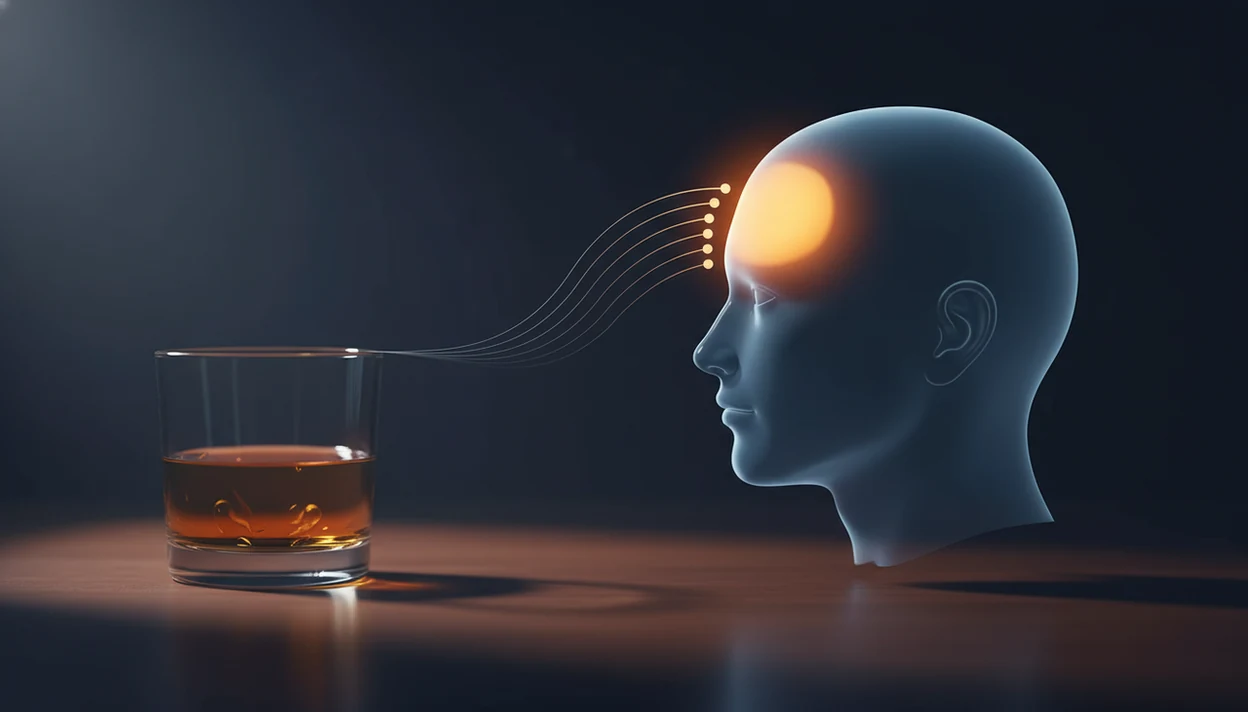
Alcohol makes self-control harder because it dampens the prefrontal cortex, the brain area that helps you pause, plan, weigh consequences, and resist urges. In plain terms, alcohol prefrontal cortex self control problems happen when reward and emotion systems get louder while the brain’s “brake pedal” gets weaker.
> Definition: The prefrontal cortex is the front-brain control system that supports executive functions such as inhibition, planning, working memory, flexible thinking, and goal-directed decision-making.
TL;DR
- Alcohol weakens impulse control by reducing the prefrontal cortex’s ability to slow down urges and evaluate consequences.
- Short-term drinking can make risky choices feel easier, while chronic heavy drinking is linked with structural and functional prefrontal changes.
- Self-control can improve after reducing or stopping alcohol, but recovery is gradual and works best with practical craving plans, tracking, and support.
Alcohol and the prefrontal cortex: the self-control definition
Quick answer: Alcohol can make self-control feel harder by reducing the brain’s ability to slow down, evaluate risk, and choose a goal-consistent response. For many people, the safest strategy is to make decisions before drinking starts, not after urges and social pressure are already high.
Key takeaways
- Decide your drink limit before the first drink, when judgment is clearer.
- Use a written plan instead of relying on memory or motivation.
- Eat, hydrate, and pace drinks to reduce rapid impairment.
- Track situations where alcohol leads to smoking, vaping, overeating, or texting regrets.
- If stopping alcohol causes shaking, seizures, confusion, or severe anxiety, seek medical care promptly.
- Medication or counseling may help some people; a clinician can personalize options.
Alcohol-related loss of self-control happens when alcohol reduces top-down prefrontal control while reward, emotion, and habit systems gain influence. The prefrontal cortex helps you plan, inhibit impulses, compare options, and protect goals you made earlier.
That control is not abstract. It is the difference between “I set a two-drink limit” and “one more is fine.” It also helps someone remember why they quit smoking when the cigarette urge after the first beer suddenly feels reasonable.
Alcohol does not erase values. It makes them harder to reach.
For readers comparing related brain effects, the broader alcohol prefrontal cortex effects are useful background. The key point here is narrower: drinking can weaken the mental pause that lets a person choose the planned action instead of the cued action.
Five facts about alcohol, executive function, and impulse control
- The prefrontal cortex supports inhibition and goal memory. It helps hold long-term goals in mind when a short-term reward is available.
- Alcohol can acutely impair prefrontal activity. That short-term shift makes disinhibition, risk-taking, and “I’ll deal with it tomorrow” thinking more likely.
- Heavy alcohol use is associated with executive-function deficits. Research links heavier use with weaker inhibitory control, working memory, and cognitive flexibility.
- Chronic alcohol exposure can change prefrontal circuits. A 2014 review described persistent prefrontal neuroadaptations that may contribute to the development and maintenance of alcohol dependence the NIH.
- Recovery is possible, but usually gradual. Executive control may improve after reducing or stopping alcohol, yet the timeline varies by drinking history, sleep, stress, health, and support.
A useful craving log is specific: time, trigger, intensity, response. “Friday, 8:40 p.m., bar patio, 7/10, ordered seltzer” is data.
How alcohol weakens impulse control in the brain
Alcohol weakens impulse control by shifting the balance away from top-down prefrontal regulation and toward bottom-up reward, emotion, and habit signals. In plain language, the part of the brain that says “pause” gets quieter, while the part that says “do it now” gets louder.
This is one reason the first drink can change the next decision. A person may still care about a drinking limit, a quit-smoking streak, or an early meeting. After alcohol starts, those goals can feel less vivid than the immediate reward in front of them.
The porch smoke after two cocktails is not random for many people. It is a learned cue arriving during a weaker-control brain state.
Drinking and executive function are linked because executive function depends on attention, working memory, inhibition, and flexible decision-making. For many adults, the practical move is to make the plan before the first drink, not after the argument with yourself has already started.
Before You Start: When a Self-Control Plan Is Not Enough
A self-control plan is for lower-risk adults who want to reduce cue-driven choices, not for managing alcohol withdrawal or severe dependence. If safety is uncertain, clinical support comes before habit tracking.
Use the steps only if the situation is stable enough for a planning tool.
- Check for red flags before you rely on willpower: shaking, sweating, nausea, seizures, confusion, panic, blackouts, repeated loss of control, drinking to avoid withdrawal, unsafe driving, or feeling unable to stop once you start.
- Seek medical help if withdrawal symptoms, severe dependence, or safety risks are present. Detox decisions are medical decisions, not app decisions.
- Set limits while sober and before the first cue appears. A plan made in the kitchen at noon is usually stronger than one made at the bar after the first round.
- Choose a safer setting before drinking: enough food, fewer refill pressures, no access to keys if driving could become a risk, and an exit that does not depend on impulse control.
- Arrange support first by naming a ride plan and one person you can text or call if the limit starts slipping.
How to protect self-control before drinking alcohol
The self-control plan has to be made before drinking because prefrontal control is usually weaker once alcohol is on board. A written limit beats an in-the-moment negotiation.
- Set a drink limit before the first drink, and write the number somewhere you will actually see it.
- Remove high-risk triggers such as cigarettes, vape pods, extra bottles, or payment apps used for late-night impulse buys.
- Log the urge in a private tracker or notebook with time, trigger, craving intensity, and response.
- Tell one person the plan, especially if the setting usually involves rounds or refills.
- Switch early to a nonalcoholic drink, not only after self-control is already strained.
- Reset quickly after a slip by recording what happened and choosing the next safer action.
A private tracker can help record cravings, streaks, milestones, and drinking goals. Tracking can reveal patterns and prompt safer choices, but it cannot diagnose dependence, provide detox care, or replace a clinician.
The most common practical way to reduce alcohol-related impulse decisions is to set limits before drinking and pair them with cue control.
Common Mistakes When Relying on Willpower Around Alcohol
Willpower around alcohol often fails when the plan starts too late, the cues stay too close, or the tracking misses the real trigger. The fix is not more shame; it is a more honest system.
- Choose the limit while sober instead of waiting until the first drink has already softened the mental brake. A number picked at the table after one round is usually a negotiation, not a plan.
- Clear the reach zone before drinking by moving cigarettes, vapes, spare bottles, delivery apps, or easy refills out of the immediate setting. Friction helps when inhibition is lower.
- Track the full scene instead of only counting drinks. Mood, people, place, time, hunger, stress, and nearby cues often explain why one night slid and another did not.
- Treat a slip as information by writing what happened and choosing the next safer action. “I failed” ends the learning; “the patio cue hit after drink two” improves the next plan.
- Escalate when safety requires it if withdrawal symptoms, repeated loss of control, blackouts, or fear about stopping are present. An app can organize patterns, but medical support is the safer tool for dependence or withdrawal risk.
Evidence Behind the Self-Control Steps
The self-control steps are evidence-informed because they reduce decisions during intoxication, lower cue exposure, and make patterns visible. They also fit public-health guidance that treats alcohol risk as something to plan around before judgment is impaired.
- Set limits early because alcohol can narrow attention and weaken inhibition after drinking starts. A sober limit protects the decision made by the clearer brain, not the one negotiating after round two.
- Control cues by changing the environment before the urge arrives. Habit research consistently shows that rewards, repeated settings, and visible triggers make automatic behavior more likely; moving the cue adds friction when the brain’s brake is weaker.
- Track behavior with enough detail to find the pattern. Monitoring is a core behavior-change tool because it turns vague regret into usable data: time, place, mood, drink number, craving, and response.
- Use lower-risk guidance as a guardrail, not a personal dare. Authoritative alcohol-risk recommendations generally emphasize drinking less, avoiding binge patterns, and seeking medical help when stopping feels unsafe.
- Review slips clinically when the pattern includes withdrawal symptoms, repeated loss of control, blackouts, or danger. That is no longer just a willpower problem.
Why alcohol makes willpower feel unreliable
How does alcohol affect willpower? Alcohol can make willpower feel unreliable because willpower depends on attention, working memory, inhibition, and the ability to picture future consequences.
After a few drinks, attention often narrows toward what is immediate. The next round, the late text, the snack order, or the vape in a jacket pocket can feel more important than tomorrow’s goal. The heavy shoulders at happy hour may also make relief feel urgent.
Not a character defect. A brain-state problem.
This does not mean people have no responsibility for choices made while drinking. It means prevention works better when it respects biology. If alcohol weakens the mental pause, then fewer decisions should be left for the impaired moment.
For more planning ideas across cravings and drinking patterns, the alcohol reduction guides group related topics in one place.
Short-term drinking versus long-term prefrontal cortex changes
Short-term drinking usually affects prefrontal control temporarily, while repeated heavy drinking and alcohol dependence are linked with more persistent executive-function and brain-structure changes. The distinction matters because a foggy Saturday morning is not the same as long-term impairment.
| Pattern | Typical prefrontal effect | Behavior risk | Recovery expectation |
|---|---|---|---|
| Short-term drinking | Temporary reduction in inhibition, attention, and planning | More risk-taking, broken limits, impulsive messages, extra drinks | Often improves as intoxication and acute after-effects pass |
| Binge or repeated heavy drinking | Repeated stress on executive-function systems | More frequent disinhibition and cue-driven choices | May improve with reduced use, sleep, and support, but varies |
| Chronic alcohol dependence | Persistent prefrontal neuroadaptations and structural differences | Ongoing problems with craving control, flexibility, and decision-making | Recovery can be gradual and may be incomplete after long-term heavy use |
One 2020 neuroimaging study found significantly less gray matter volume in the bilateral middle frontal gyrus and medial prefrontal cortex among people with alcohol dependence compared with healthy controls wiley. A 2014 review also described persistent prefrontal neuroadaptations after chronic alcohol exposure.
Alcohol, cravings, smoking, and vaping relapse loops
Alcohol can trigger other habits because the brain stores cues together. This cross-cueing means drinking settings may activate learned links with cigarettes, vapes, late-night eating, gambling, spending, or old relationship patterns.
The mechanism is practical. Alcohol weakens prefrontal resistance at the same time the environment supplies reminders. A mint pod wrapper in a backpack can become more persuasive after two drinks than it was at 4 p.m.
For adults trying to change overlapping habits, private tracking can make the pattern visible: drink number, place, mood, people nearby, nicotine craving, and what happened next.
Cravings often look less mysterious after two weeks of notes.
Any alcohol-reduction or addiction-recovery support tool should offer private pattern tracking and reset support, not medical detox, emergency care, or a promise that urges will disappear.
Adolescent prefrontal cortex development and alcohol risk
The prefrontal cortex continues developing into the mid-20s, which makes adolescence and young adulthood a sensitive period for alcohol-related disruption of decision-making and impulse control. NIAAA notes that adolescent drinking can interfere with normal brain development and raises safety risks NIAAA alcohol data.
That developmental window matters. Planning, inhibition, flexible thinking, and risk evaluation are still being refined, while reward and social-salience systems can be highly active. Alcohol exposure during this period may interfere with skills young people are still building.
Youth alcohol concerns should involve trusted adults and qualified professionals. Online education is not a substitute for school counselors, pediatric clinicians, family physicians, therapists, or emergency services when safety is at risk.
This article is for adults seeking private behavior-change education. It is not designed as medical advice for minors or as a family crisis plan.
Signs alcohol is weakening your self-control plan
Signs that alcohol is weakening a self-control plan are best treated as data points, not diagnoses. The pattern matters more than one messy night.
- Broken limits: You set a drink number while sober, then repeatedly pass it once drinking starts.
- Nicotine-only-with-alcohol: You smoke or vape mainly when drinking, even after deciding to quit.
- Impulse spillover: You send risky texts, overspend, drive when you should not, or skip commitments.
- Stress escape: You use alcohol to ignore conflict, loneliness, work pressure, or sleep debt.
- Morning repair: You wake up reconstructing what happened from receipts, messages, or half-finished plans.
The empty bottle beside the recycling bin can be more useful than shame if it starts a clear record. Track time of day, setting, mood, people, number of drinks, craving intensity, and response.
Repeated loss of control, distress around drinking, withdrawal symptoms, or safety concerns warrant professional support. Clinicians typically recommend medical assessment when alcohol use feels hard to stop or withdrawal may be present.
Limitations
Neuroscience can explain why alcohol weakens self-control, but it cannot predict one person’s next decision with certainty. The available evidence has real limits.
- Individual risk varies by genetics, age, sex, mental health, sleep, stress, nutrition, trauma history, and environment.
- Most research focuses on severe alcohol use disorder, so lower-level drinking effects are less precisely mapped.
- People with withdrawal symptoms, severe dependence, or safety concerns should seek qualified medical support.
Private habit-tracking tools may help adults organize goals and patterns, but clinical care is the safer route when dependence, withdrawal, or harm risk is present. For app selection context, the best drink less app guide compares practical tracking approaches.
FAQ
Does alcohol affect self-control?
Yes. Alcohol can impair inhibition and decision-making by weakening prefrontal control and increasing the pull of reward, emotion, and habit cues.
What brain area controls impulses?
The prefrontal cortex is a major brain control center for impulse inhibition and executive function. It works with other brain regions, but it is central to pausing, planning, and goal-directed decisions.
Does alcohol damage the prefrontal cortex?
Short-term drinking can temporarily impair prefrontal function. Chronic heavy drinking and alcohol dependence are associated with structural and functional prefrontal changes, including findings of lower gray matter volume in some studies.
Why do I smoke when drinking?
Alcohol can weaken inhibition while activating learned smoking or vaping cues. That combination can make a cigarette or vape feel easier to justify, even after a quit decision.
Can self-control recover after quitting?
Executive function can improve after reducing or stopping alcohol, but recovery is not instant. The timeline varies with drinking history, health, sleep, stress, and support.
Does binge drinking affect willpower?
Binge drinking can acutely impair prefrontal function, which may weaken inhibition and increase risky choices. Repeated binge episodes may also contribute to longer-term executive-function risk.
Why do I drink past limits?
Drinking past limits can happen when alcohol weakens prefrontal planning, reward signals become stronger, and drinking-context cues push the next choice. A preset plan works better than relying on willpower after alcohol has started.
Does alcohol affect teenage brains?
Yes. The prefrontal cortex continues developing into the mid-20s, so adolescence and young adulthood are sensitive periods for alcohol-related effects on decision-making and impulse control.