

Why Alcohol Makes Your Face Puffy, Red, or Tired
Bottom line
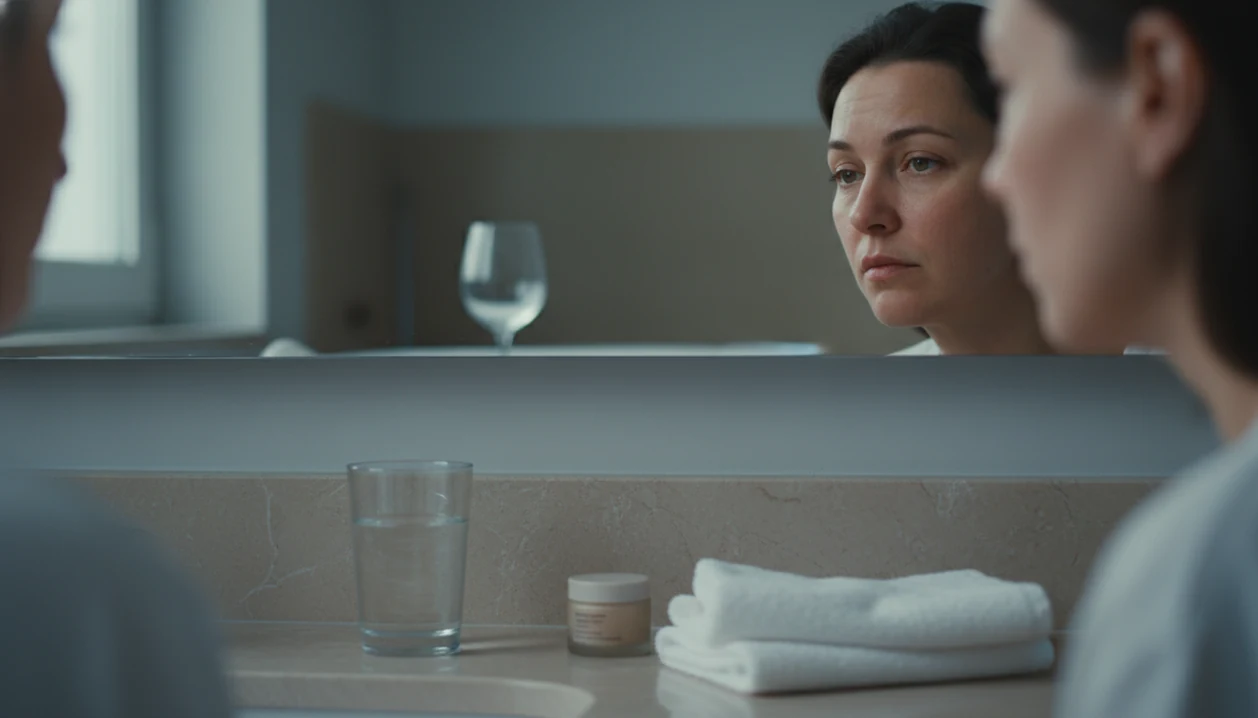
Alcohol can make your face look puffy by disrupting fluid balance, widening surface blood vessels, increasing inflammation, and interfering with restorative sleep. Swelling often stands out around the eyes and cheeks after heavy, salty, or late-night drinking. Mild puffiness may ease within a day or two, but sudden, painful, one-sided, or persistent swelling needs medical attention.
You may wake after drinking to swollen eyelids, fuller cheeks, blotchy skin, or darker under-eye shadows. These changes are usually temporary, but they can be more noticeable after several drinks, salty food, sugary mixers, or a short night of sleep.
A puffy face cannot show how much alcohol remains in your body, prove that you are clearing “toxins,” or diagnose liver damage. It is better treated as a visible clue about your drinking, hydration, meals, and sleep, not as a medical test.
Five reasons alcohol can leave your face puffy
- Alcohol can make the face look puffy, red, dull, and tired even after one heavy night, especially if drinking runs late.
- The five main drivers are dehydration, water retention, vasodilation, inflammation, and poor sleep quality.
- The CDC reported that 22.2% of U.S. adults binge drank in 2022, a pattern that can make next-day swelling, dehydration, and poor sleep more likely. Source: https://www.cdc.gov/nchs/products/databriefs/db508.htm
- Observational cohort research has linked heavy alcohol use with visible facial aging signs, including eye puffiness and midface volume loss.
- Skincare can soften the look for a few hours, but it cannot cancel out repeated heavy drinking.
The sticky bar table under your fingertips is not the whole story. The face you see the next morning is often your fluid system, blood vessels, and sleep repair all asking for a reset. Avoiding binge episodes usually makes a bigger visible difference than adding another serum.
How dehydration and fluid retention happen together
Alcohol face puffiness happens when alcohol increases fluid loss, irritates inflammatory pathways, widens surface blood vessels, and changes where fluid settles during sleep. Dehydration and fluid pooling can happen together, leaving loose tissue around the eyes and cheeks swollen while your mouth and skin feel dry.
Alcohol acts as a diuretic, which means it can increase urine output and contribute to dehydration. That sounds like it should make you look less swollen, but the body often responds by shifting fluid into soft tissues. The under-eye area and cheeks show it quickly because the tissue there is loose.
The National Institute on Alcohol Abuse and Alcoholism explains that alcohol can suppress vasopressin, increasing urination and dehydration risk: https://www.niaaa.nih.gov/publications/alcohol-and-your-health/alcohol-and-your-body
Vasodilation means blood vessels near the skin surface widen. Widened blood vessels near the skin can leave your face looking warm, red, or blotchy after drinking. Chronic heavy drinking is also associated with systemic inflammation and higher markers such as C-reactive protein, which may add to swelling and redness.
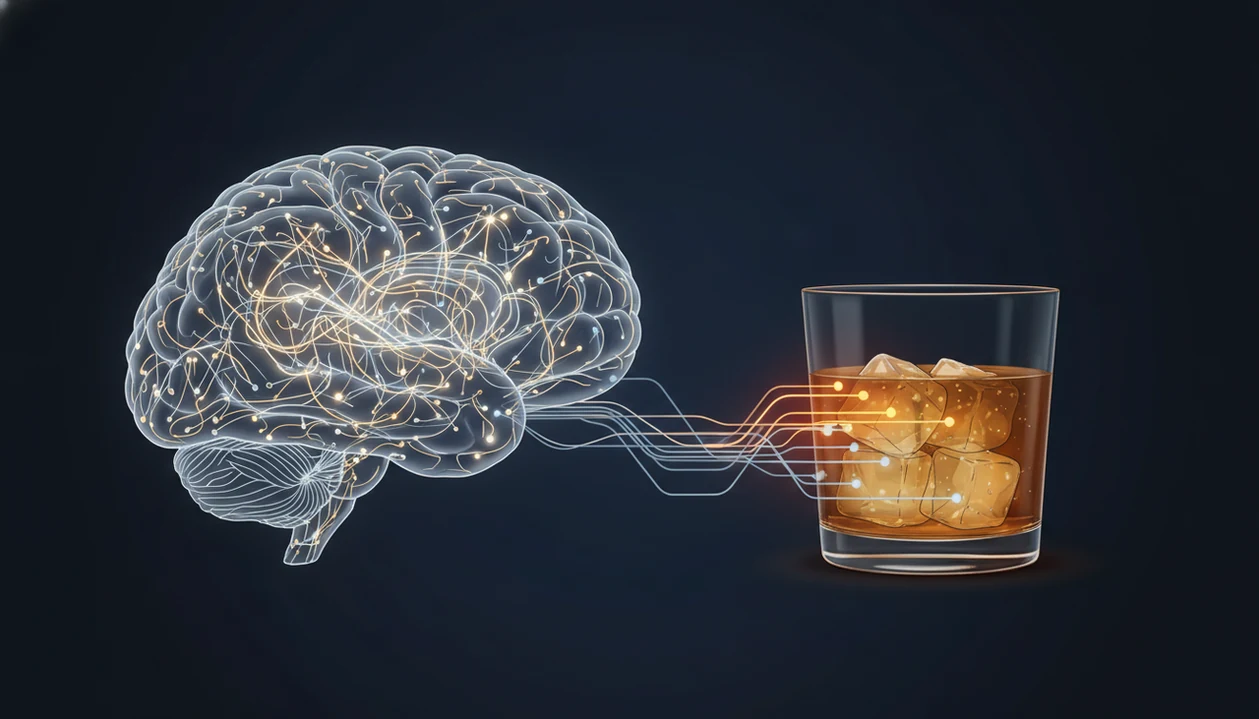
Why are your eyes and cheeks swollen the next morning?
Does alcohol make your eyes and cheeks puffy the next day? Yes, for many people, especially after a heavy, salty, sugary, or late-night drinking session.
Eyes, cheeks, and the jawline often look swollen after sleep because fluid redistributes while you are lying down. Add dehydration, salty fries, sweet mixers, and poor sleep, and the face can hold that fluid more visibly. The empty bottle beside the recycling bin is only one clue; the late bedtime matters too.
Mild puffiness may improve within a day or two as hydration, meals, and sleep normalize. That timing is not guaranteed. Hormones, age, skin type, allergies, and total alcohol intake all change the recovery window.
For next-day alcohol face puffiness, hydration and sleep may help the surface look better, but reducing heavy drinking is usually the prevention step that matters most.
Facial flushing, blotchiness, and inflammation
Alcohol skin inflammation can show up as redness, flushing, blotchiness, or an uneven facial tone. Vasodilation is the simple version: small blood vessels near the skin surface widen, so more redness shows through.
Some people flush easily after one drink. Others notice redness only after several drinks or after repeated weekends. People prone to rosacea or facial flushing may see a stronger reaction because their skin is already reactive. Alcohol can also make the chest-flutter-near-the-corner-store feeling worse the next day, which is not skin-specific, but it tells you the body is still unsettled.
Chronic heavy drinking is associated with systemic inflammation and elevated markers such as CRP. Alcohol is only one possible cause of facial redness. Persistent redness can also come from rosacea, allergies, dermatitis, medications, infection, or other medical conditions.
If redness persists or worsens, ask a clinician to check for rosacea, dermatitis, medication effects, or another cause.
Alcohol, dark circles, and poor sleep
Alcohol can worsen dark circles and dull tired skin because it disrupts sleep quality, even when it makes you feel sleepy at first. The first drink may feel relaxing, but later sleep can become lighter, shorter, and less restorative.
NIAAA notes that alcohol can disrupt sleep architecture and reduce sleep quality even when it initially feels sedating: https://www.niaaa.nih.gov/publications/alcohol-and-sleep
Poor sleep changes the face fast. Under-eye shadows look stronger. Skin looks flatter. Expression muscles seem heavier, especially after a night when you woke up at 3 a.m. with dry mouth and restless legs. Dehydration can also make the skin barrier look less smooth, so fine lines and texture stand out more.
Under-eye puffiness and dark circles often appear together after drinking. Fluid makes the area look swollen, while poor sleep and dehydration make shadows more obvious. Still, dark circles are not always about alcohol. Genetics, allergies, pigmentation, anemia, sinus issues, and other medical factors can all play a role.
Does alcohol make you look tired? It can, because alcohol affects sleep, fluid balance, and facial blood vessels at the same time.
Seek emergency care for facial swelling with breathing trouble, throat tightness, hives, faintness, chest pain, or rapidly spreading symptoms. If you drink heavily every day, do not stop suddenly without medical advice because alcohol withdrawal can cause seizures or delirium.
Before vs. after cutting back on alcohol
Many people notice less puffiness, redness, and dullness after cutting back, but the timeline is personal. Next-day swelling can improve quickly, while longer-term texture, tone, and facial aging changes take more time.
| Change area | Before cutting back | After reducing alcohol |
|---|---|---|
| Eyes | Puffy lids, darker under-eyes | Less morning swelling for many people |
| Cheeks | Fuller or swollen look | More normal fluid balance |
| Skin tone | Red, blotchy, warm-looking | Less flushing if alcohol was a trigger |
| Energy look | Dull, worn-out expression | Brighter look when sleep improves |
Improvement usually comes from better hydration, deeper sleep, lower inflammation, and fewer binge episodes. A cohort study linked heavy alcohol use with visible facial aging signs, including eye puffiness and midface volume loss.
If you want a structured starting point, an alcohol reduction plan can make the next choice easier.
How to reduce face puffiness after drinking
Alcohol face puffiness relief works best when you treat the short-term swelling and reduce the drinking pattern that keeps causing it. Quick fixes can help appearance, but prevention comes from fewer heavy drinking episodes.
- Water: Rehydrate steadily instead of chugging all at once.
- Electrolyte-containing fluids: Use them if appropriate, especially after sweating, vomiting, or very poor intake.
- Cold compresses: Apply briefly around puffy eyes to reduce the swollen look.
- Gentle movement: A walk can help circulation without punishing your body.
- Sleep: Recovery sleep is not glamorous, but it changes the face.
Skincare, eye creams, and facial massage may make puffiness look better for a while. They do not fix alcohol’s diuretic effect, inflammation, or sleep disruption. High-salt snacks, sugary mixers, and late-night drinking often amplify the next-day look.
Measure drinks before deciding how much to cut back
Drink size can be deceptive. One U.S. standard drink contains about 14 grams of pure alcohol. That is roughly 12 ounces of 5% beer, 5 ounces of 12% wine, or 1.5 ounces of 40% liquor. Strong beer, a large wine pour, or a mixed drink may contain more than one. The NIAAA guide to alcohol amounts can help you compare pours.
| Drink | Typical amount |
|---|---|
| Beer at 5% alcohol | 12 ounces |
| Wine at 12% alcohol | 5 ounces |
| Spirits at 40% alcohol | 1.5 ounces |
- Record every drink for seven days, including the pour size and alcohol percentage.
- Choose a specific weekly limit and schedule several alcohol-free days.
- Eat before drinking, slow the pace, and alternate alcoholic drinks with nonalcoholic drinks.
- Keep less alcohol at home so an unplanned refill takes more effort.
For a typical adult, NIAAA defines binge drinking as about five or more drinks for a man or four or more for a woman in roughly two hours. Avoiding that rapid pattern may reduce next-morning dehydration, flushing, poor sleep, and puffiness. See the NIAAA drinking pattern definitions.
If you drink heavily every day, get medical advice before cutting down or stopping. Alcohol withdrawal can begin within hours and can become life-threatening.
Treat these facial swelling symptoms as urgent
Get medical help when facial swelling after alcohol is sudden, one-sided, painful, or getting worse quickly. That pattern is different from mild next-morning puffiness around both eyes after salty food, poor sleep, and drinks.
Cosmetic puffiness usually fades as hydration, sleep, and eating normalize. But swelling can also point to an allergic reaction, infection, kidney or thyroid problems, liver disease, medication effects, or another condition that drinking only made more noticeable. Apps, skincare, cold tools, and habit trackers cannot rule those causes out.
- Seek urgent care now for swelling with breathing trouble, throat tightness, hives, chest pain, faintness, severe headache, or rapidly spreading symptoms.
- Call a clinician promptly if swelling comes with jaundice, fever, significant pain, new weakness, or swelling on only one side of the face.
- Book a medical evaluation for redness, puffiness, or under-eye changes that persist, keep returning, or no longer match your drinking pattern.
- Treat gentle self-care as appearance support, not a diagnosis. If the mirror looks wrong in a new way, let a professional check it.
Questions about alcohol and facial puffiness
Does alcohol make your face puffy?
Yes, it can. Alcohol may increase fluid loss, disturb fluid regulation, widen blood vessels, increase inflammation, and disrupt sleep. Together, these effects can make the eyelids and cheeks look swollen. The reaction varies with the amount consumed, drinking speed, food, sleep, allergies, medications, and individual health.
Why are my eyes puffy after drinking?
The tissue around your eyes is loose, so small fluid shifts are easy to see there. Lying down overnight, dehydration, salty food, sugary mixers, and fragmented sleep can add to the swelling. Puffy eyes on both sides the next morning are different from sudden, painful, or one-sided swelling.
How long does alcohol face bloating last?
Mild next-day puffiness may improve within a day or two as eating, hydration, and sleep return to normal. There is no reliable timetable that applies to everyone. Get medical advice if swelling persists beyond the expected hangover period, keeps recurring without drinking, becomes painful, or appears on only one side.
How can I reduce face puffiness after drinking?
Sip fluids steadily, eat a normal meal, limit very salty food, sleep, and try a brief cool compress around the eyes. Gentle walking may also help you feel better. Coffee, saunas, facial massage, and chugging water do not make your body metabolize alcohol faster. Preventing another heavy drinking episode has the largest effect.
Can alcohol cause dark circles and tired-looking skin?
Alcohol can make existing dark circles look stronger by disrupting sleep, dehydrating the skin, and causing under-eye swelling that casts shadows. Genetics, allergies, age, and skin structure also affect dark circles. If discoloration or swelling remains after your sleep and drinking pattern improves, consider another cause.
Will cutting out alcohol reduce facial puffiness?
It may, especially if alcohol is the main trigger. Some people notice less morning swelling after several alcohol-free nights, while changes in redness, texture, or tone can take longer. If you drink heavily every day, speak with a clinician before stopping because abrupt withdrawal can be dangerous.
Do clear liquors prevent a puffy face?
No. Clear liquor still contains alcohol, which can affect hydration, blood vessels, inflammation, and sleep. Mixers, serving size, drinking speed, and salty food may change how you feel the next morning, but switching from dark liquor to clear liquor does not remove the main cause.
Does a puffy face after drinking mean liver damage?
Not by itself. Temporary morning puffiness is nonspecific and cannot diagnose liver disease. Seek medical evaluation for yellow skin or eyes, abdominal swelling, leg swelling, easy bruising, persistent facial swelling, or other concerning changes. A clinician may need an examination and tests to identify the cause.