
How Alcohol Strains Kidney Filtration, Hydration, and Electrolyte Balance
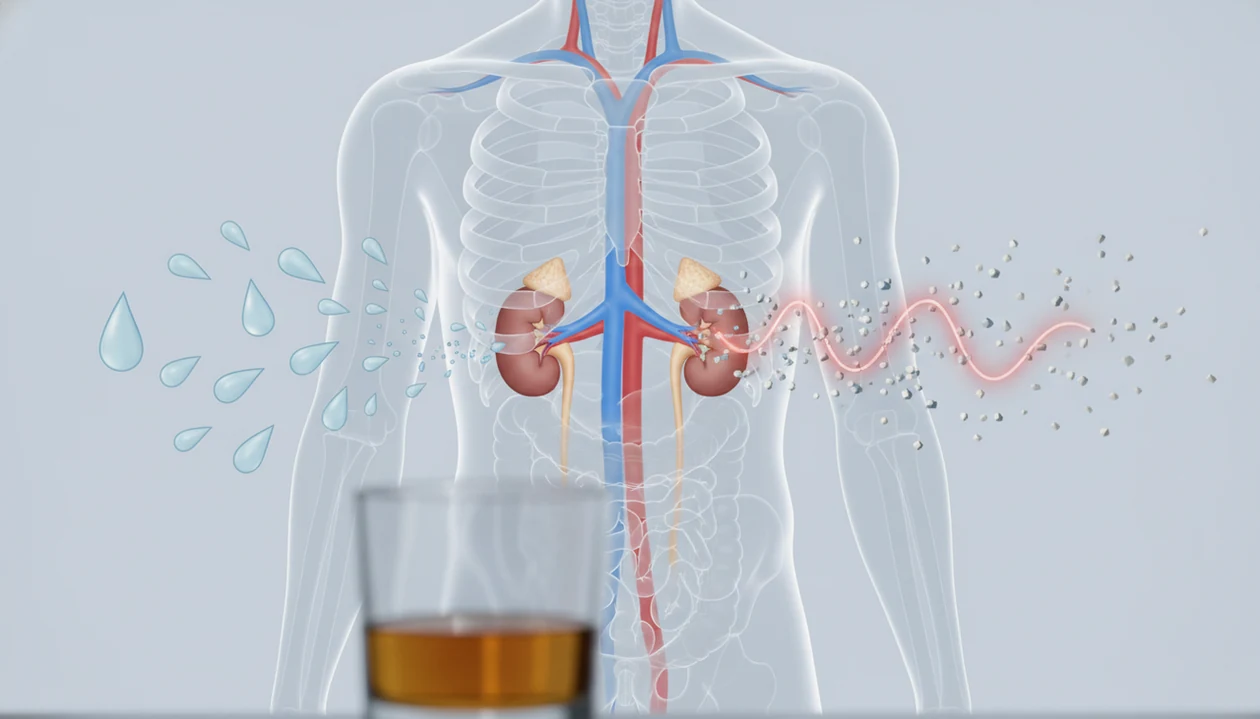
Alcohol kidney filtration damage happens mainly because heavy or binge drinking can dehydrate the body, raise blood pressure, disrupt electrolytes, and make the kidneys work harder to filter blood. Occasional light drinking is different from repeated heavy drinking, but people with kidney disease, high blood pressure, diabetes, or relevant medications face higher risk.
This guide is educational and cannot diagnose kidney injury, electrolyte imbalance, or chronic kidney disease. Seek medical care promptly for severe flank pain, confusion, swelling, shortness of breath, very dark urine, or reduced urination after drinking.
> Definition: Alcohol-related kidney strain is the combined effect of fluid loss, blood pressure changes, electrolyte disruption, and inflammatory stress that can reduce how well the kidneys filter and balance the body over time.
TL;DR
- Alcohol acts like a diuretic, which can increase urination and contribute to dehydration.
- Heavy drinking is linked with higher kidney disease risk, partly through blood pressure and repeated filtration stress.
- Binge drinking can sometimes trigger acute kidney injury, especially with vomiting, severe dehydration, very dark urine, or reduced urination.
Alcohol Kidney Filtration Damage at a Glance
Quick answer: Alcohol can strain kidney filtration, especially when drinking is heavy, repeated, or combined with dehydration, high blood pressure, diabetes, kidney disease, or certain medications. Cutting back often reduces some kidney stress, but symptoms like swelling, low urination, confusion, severe vomiting, or blood in urine need medical attention.
Key takeaways
- Heavy or binge drinking may temporarily reduce the kidneys’ ability to maintain fluid and salt balance.
- Kidney risk is higher when alcohol is paired with dehydration, heat exposure, vomiting, or intense exercise.
- High blood pressure is a major pathway linking frequent alcohol use with long-term kidney strain.
- People with kidney disease, diabetes, heart disease, or diuretic use should ask a clinician about safer limits.
- Do not stop heavy daily drinking suddenly without medical advice; withdrawal can be dangerous.
- Tracking drinks, cravings, and triggers can help identify patterns that lead to heavier intake.
Alcohol kidney filtration damage means drinking patterns strain the kidneys’ job of filtering blood, managing fluid, and keeping minerals in range. The risk is highest with heavy or binge drinking, not one occasional drink at dinner.
The main pathways are dehydration, higher blood pressure, alcohol electrolyte imbalance, and repeated filtration stress. The kidney harm can be indirect. Alcohol does not have to “poison” kidney tissue directly to cause trouble.
According to the National Institute on Alcohol Abuse and Alcoholism, most alcohol is metabolized by the liver, while a smaller amount leaves unchanged through breath, urine, and sweat NIAAA alcohol data.
The morning-after bathroom count is a clue.
If you want the broader organ-by-organ view, our alcohol and kidney problems guide separates common symptoms from higher-risk patterns.
Five Facts About Alcohol and Kidney Function
- Binge drinking can trigger acute kidney injury in severe cases. This is more concerning when drinking is paired with vomiting, heat, long dancing nights, or very low fluid intake.
- Heavy regular drinking has been reported to increase kidney disease risk. The National Kidney Foundation notes that regular heavy drinking has been associated with doubled kidney disease risk, especially when high blood pressure and repeated dehydration are involved kidney alcohol data.
- Alcohol acts like a diuretic. It can make you urinate more, which is why alcohol dehydration kidneys concerns often show up after a night of repeated drinks.
- Alcohol can disturb sodium, potassium, and fluid balance. Those minerals help nerves, muscles, and the heart work normally, so “just a hangover” symptoms can overlap with imbalance.
- Existing kidney disease raises the stakes. Fluid limits, blood pressure goals, and medications can make alcohol decisions less simple than counting drinks.
A half-poured wine glass on the counter can be useful data. Not drama. Data.
Alcohol and Kidney Filtration Mechanisms
Alcohol affects kidney filtration by changing fluid volume, blood pressure, electrolyte balance, and inflammatory signaling in the body.
Kidneys filter waste from blood, regulate fluid, and balance electrolytes such as sodium and potassium. Alcohol can suppress antidiuretic hormone activity, which is the body signal that helps conserve water the NIH. Plain version: you pee more, and your body may hold onto less fluid than it needs.
When dehydration lowers effective circulating fluid, the kidneys receive less steady flow to filter. Add vomiting, poor food intake, or a long hot walk home, and the workload gets messier. Blood pressure is another major pathway. Repeated heavy drinking can raise blood pressure, and high blood pressure is one of the big drivers of chronic kidney disease.
Excessive alcohol use may also contribute through oxidative stress and inflammation in kidney tissue, according to a peer-reviewed review the NIH. Clinicians typically recommend discussing alcohol with a doctor if you have CKD, hypertension, diabetes, or kidney-related medications.
Alcohol Dehydration Kidneys Risk After Drinking
Does alcohol-related dehydration affect the kidneys? Yes, alcohol can act like a diuretic, increase urination, and leave the kidneys filtering with less available fluid than usual.
Dehydration gets more serious when alcohol is paired with vomiting, sweating, diarrhea, skipped meals, or not drinking water. You may notice darker urine, lower urine output, a headache behind the eyes at dusk, dizziness, or that drained “I need something” feeling that makes every choice harder.
Water helps hydration. It does not erase binge-drinking risk.
Very dark urine, reduced urination, severe vomiting, confusion, or flank pain deserves medical attention, especially after heavy drinking. Those signs can point beyond a typical hangover. For a deeper look at workload and recovery signals, the alcohol kidney stress article focuses on the strain pattern itself.
Alcohol Electrolyte Imbalance and Fluid Regulation
Electrolytes are minerals such as sodium and potassium that help regulate fluid balance, muscle function, nerves, and heart rhythm. The kidneys help keep those minerals in a safe range.
Alcohol can make that balance harder to maintain. Dehydration, vomiting, diarrhea, and poor nutrition all add friction. So can drinking after a low-food day, when the body has fewer reserves to buffer fluid shifts. Weakness, cramps, palpitations, and confusion can overlap with hangover symptoms, which is why guessing is risky when symptoms feel severe or unusual.
For people with chronic kidney disease, electrolyte and fluid limits may already be part of daily care. That changes the decision point. A clinician’s advice beats a generic “drink more water” rule, especially if potassium, sodium, blood pressure, or diuretic medicines are being monitored.
Binge Drinking, Acute Kidney Injury, and Alcohol Chronic Kidney Disease
Binge drinking and alcohol chronic kidney disease are different risk patterns. One can cause a sudden kidney problem; the other is about longer-term loss of filtration.
Per the CDC, binge drinking is 4 or more drinks for women or 5 or more drinks for men on one occasion CDC alcohol data. Heavy regular drinking is also associated with higher CKD risk, partly through blood pressure, dehydration, and metabolic stress.
| Kidney issue | Time frame | What alcohol can do | What recovery may look like |
|---|---|---|---|
| Acute kidney injury | Hours to days | Severe dehydration or heavy drinking may sharply reduce kidney function | May improve with medical care, depending on severity |
| Chronic kidney disease | Months to years | Repeated strain may contribute to long-term filtration loss | Depends on cause, stage, blood pressure, diabetes, and care |
Acute kidney injury after alcohol
Acute kidney injury is a sudden drop in kidney function. After alcohol, it is more concerning with severe dehydration, vomiting, muscle breakdown, or reduced urination.
Chronic kidney disease risk from alcohol
Chronic kidney disease is longer-term loss of filtration. The most medically supported way to lower alcohol-related kidney strain is to avoid binge drinking while managing blood pressure, hydration, and existing conditions.
Alcohol Kidney Damage Symptoms That Need Attention
Kidney damage can be silent, especially early chronic kidney disease. Symptoms after drinking do not prove kidney damage, but some warning signs should not be brushed off.
- Flank pain: Pain in the side or back can come from several causes, but severe or persistent pain needs evaluation.
- Very dark urine or reduced urination: These can suggest dehydration, muscle injury, or kidney stress.
- Swelling or shortness of breath: Fluid retention can be serious, especially with CKD or heart disease.
- Severe vomiting or confusion: These raise concern for dehydration, electrolyte problems, or other urgent illness.
- Persistent symptoms: Ongoing fatigue, swelling, urine changes, or high blood pressure should be checked with labs.
A hangover alone is not a diagnosis. Medical testing is the only way to know what filtration, electrolytes, and urine markers show. Severe symptoms or inability to keep fluids down calls for urgent care.
Practical Ways to Reduce Alcohol Kidney Strain
Reducing alcohol kidney strain starts with the pattern: avoid binge drinking and heavy regular drinking. For many adults, setting a drink limit before the first pour is easier than negotiating with yourself later.
Use a small tracking plan:
- Set a weekly limit that includes drink-free days.
- Log each drink before the next one, not the next morning.
- Name the cue such as work stress, bar patio plans, or scrolling in bed.
- Choose a replacement action like food, water, a walk, or leaving the setting.
- Review the pattern after a slip without using “I already messed up, so why not keep going?”
Food, sleep, hydration, and blood pressure awareness can support the plan, but they don’t make heavy drinking harmless. People with CKD, hypertension, diabetes, or relevant medications should ask a clinician what alcohol limit fits their care.
Tools like Me Quit can help adults drink less by tracking cravings, streaks, dry days, and milestones privately. Good mequit addiction recovery hub for quit smoking, stop vaping, quit drinking, and mindful alcohol reduction tools deliver trigger tracking and reset support, not diagnosis, detox care, or kidney treatment. For app-based limit setting, the best drink less app guide compares what to look for.
Limitations
Kidney risk from alcohol is personal, and broad rules can mislead people. Dose, pattern, health status, and medications all matter.
- Kidney outcomes can depend on diabetes, hypertension, age, medications, and existing CKD.
- Kidney symptoms require medical evaluation rather than self-diagnosis.
- People with fluid limits or electrolyte restrictions should follow their clinician’s plan.
Apps such as Me Quit can support drink tracking and streak repair, but they cannot interpret labs or rule out acute kidney injury. If symptoms are severe, persistent, or strange for your body, the safer move is medical care. Related severe outcomes are covered separately in alcohol and kidney failure.
FAQ
Can alcohol damage kidneys?
Heavy or binge drinking can strain kidneys through dehydration, higher blood pressure, electrolyte changes, and inflammation. Occasional light drinking carries a different risk profile than repeated heavy drinking.
Does alcohol reduce kidney filtration?
Alcohol can indirectly affect filtration, especially when dehydration, high blood pressure, vomiting, or existing kidney disease is involved. Lab testing is needed to measure kidney filtration accurately.
Is alcohol kidney damage reversible?
Some acute kidney strain may improve with hydration and medical care, depending on the cause. Chronic kidney damage depends on severity, underlying disease, and treatment.
Why do kidneys hurt after drinking?
Pain after drinking may come from dehydration, muscle soreness, urinary issues, or kidney stress. Severe flank pain, fever, vomiting, or urine changes should be evaluated.
Does water protect kidneys from alcohol?
Water can help reduce dehydration after drinking. It does not fully prevent the risks of binge drinking or heavy regular alcohol use.
Which alcohol is safest for kidneys?
The amount, drinking pattern, hydration, and health status matter more than the specific alcohol type. People with CKD should ask a clinician about any alcohol use.
Can alcohol worsen CKD?
Alcohol may complicate blood pressure control, medications, fluid balance, and electrolyte management in chronic kidney disease. People with CKD should follow individualized medical guidance.
When is kidney pain urgent?
Kidney-area pain is urgent when it is severe or comes with fever, vomiting, very dark urine, reduced urination, confusion, swelling, or shortness of breath. Seek medical care for severe or persistent kidney-related symptoms.