

Can Alcohol Cause Liver Failure, and What Are the Warning Signs?
Short answer
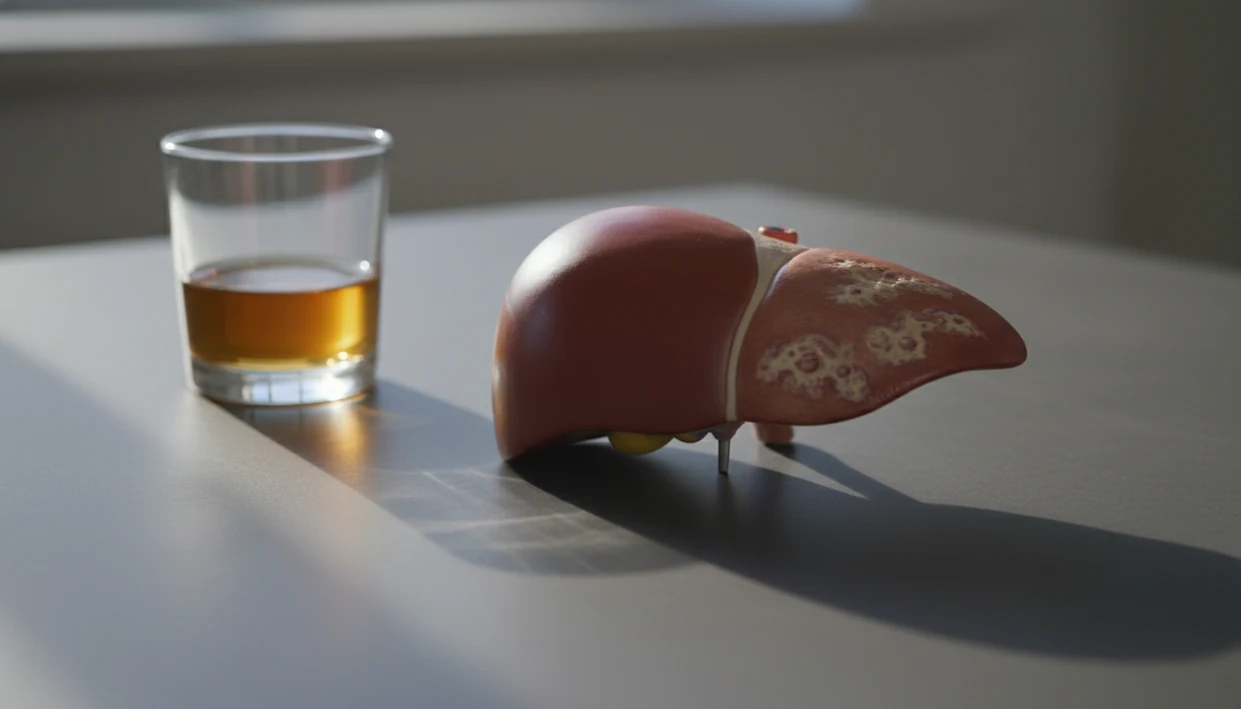
Yes. Heavy drinking can cause fatty liver, alcohol-related hepatitis, cirrhosis, and eventually liver failure. Early damage may improve after alcohol stops, but advanced scarring may be permanent. Yellow skin or eyes, confusion, vomiting blood, black stools, fainting, or severe swelling need urgent care. Heavy daily drinkers should get medical advice before stopping because withdrawal can be dangerous.
Liver damage can build quietly while someone still works, socializes, and feels mostly normal. By the time swelling, jaundice, bleeding, or confusion appears, the liver may already be struggling with essential jobs such as clearing toxins and making clotting proteins.
Risk depends on more than the number of drinks. Drinking pattern, years of use, sex, hepatitis C, obesity, genetics, nutrition, and other liver stress all matter. A medical assessment can identify injury that symptoms alone cannot stage.
How repeated drinking can overwhelm the liver
Heavy drinking can cause liver failure by repeatedly injuring liver cells, creating inflammation, and replacing healthy tissue with scar tissue. The usual alcohol-related path is fatty liver, alcoholic hepatitis, cirrhosis, and then liver failure.
Stopping alcohol is the most important risk-reduction step, especially before advanced cirrhosis develops. Fatty liver can be quiet, with no obvious warning. Someone can feel well after repeated heavy drinking and still have abnormal liver tests or silent fatty liver.
Urgent warning signs include yellow skin or eyes, belly swelling, confusion, vomiting blood, black stools, and severe abdominal pain. Those symptoms need prompt medical care, not a wait-and-see plan.
Who faces the highest risk of alcohol-related liver failure?
- Heavy long-term drinking is a major route to fatty liver, alcoholic hepatitis, cirrhosis, and liver failure.
- Up to about 1 in 3 people with alcohol use disorder develop some form of alcohol-associated liver disease, according to Mayo Clinic Mayo Clinic alcohol data.
- Alcoholic hepatitis risk rises significantly at 3 to 4 drinks daily for women, or 4 to 5 drinks daily for men, for six months or longer. Mayo Clinic alcohol data.
- Women and people with hepatitis C, obesity, or genetic vulnerability may develop damage at lower intake levels.
- Stopping alcohol completely is central for alcoholic hepatitis and alcohol-related liver disease treatment.
For most people worried about alcohol and liver failure, the most useful first step is not guessing the stage. It is stopping the next drink and arranging medical evaluation.
From alcohol metabolism to scarring and lost function
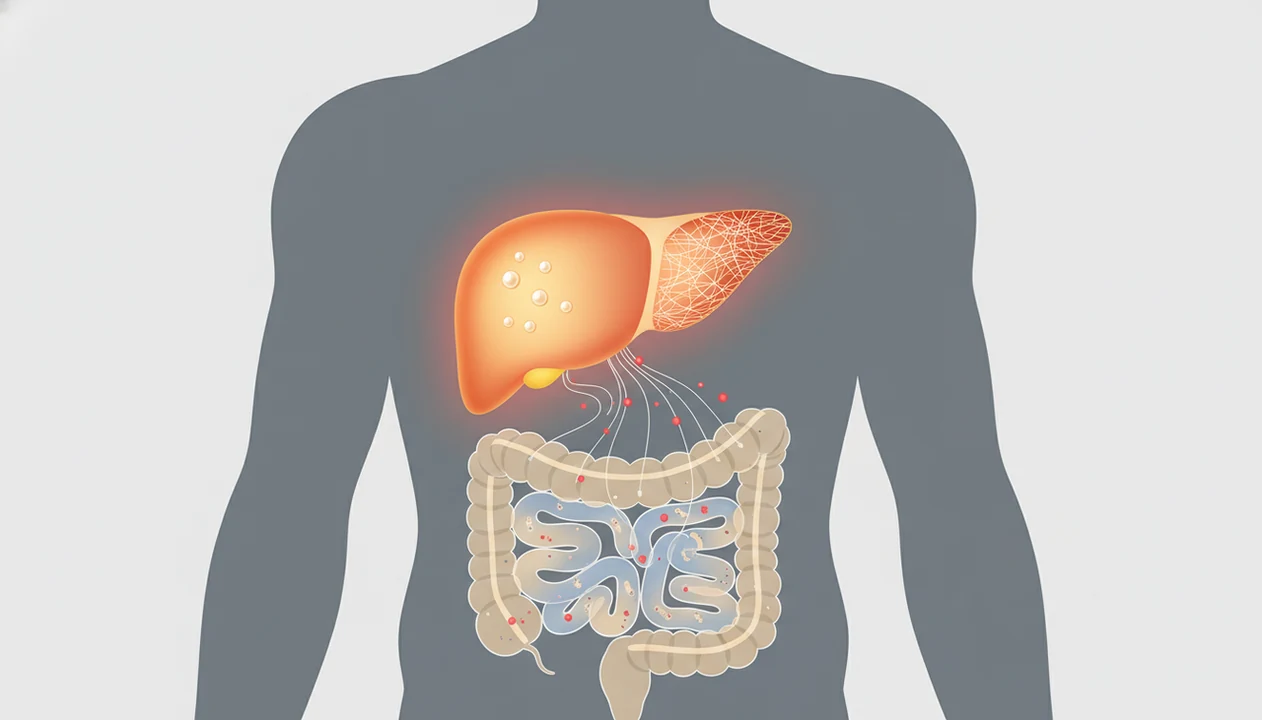
Alcohol-related liver failure happens when alcohol metabolism, inflammation, and scarring damage enough liver tissue that the organ can no longer do its critical jobs.
The liver metabolizes alcohol into toxic byproducts, including acetaldehyde. Processing alcohol produces toxic byproducts and chemical stress that can injure liver cells. Over time, alcohol can promote fat buildup, cell injury, and inflammation. Repeated injury leads to fibrosis, which is scar tissue. Scar tissue blocks normal blood flow and leaves fewer working liver cells.
Once cirrhosis develops, the liver may struggle to make clotting proteins, manage fluid balance, clear toxins, and fight infections. That can lead to easy bleeding, belly fluid, swollen legs, confusion, sleepiness, and mental status changes. The National Institute of Diabetes and Digestive and Kidney Diseases lists ascites, bleeding problems, infection risk, and confusion as possible cirrhosis complications NIDDK liver disease data. A sour stomach before a social event can be a craving cue, but yellow eyes or confusion are a different category.
A clinician may use your drinking history, an examination, blood tests, and imaging to identify the cause and estimate the stage of liver injury.
Fatty liver vs hepatitis, fibrosis, and cirrhosis
Alcohol-related liver disease often moves in stages, but people do not always feel each stage clearly. Fatty liver may cause no symptoms and can improve with abstinence, while advanced cirrhosis is often only partly reversible.
| Stage | What happens | Common symptoms | Reversibility |
|---|---|---|---|
| Fatty liver | Fat builds up inside liver cells | Often none, sometimes fatigue | Often improves when alcohol stops |
| Alcoholic hepatitis | Alcohol-driven inflammation injures liver cells | Jaundice, fever, nausea, pain, weakness | Can improve, but severe cases can be life-threatening |
| Fibrosis | Scar tissue begins replacing healthy tissue | Often mild or unclear | May improve if injury stops early |
| Cirrhosis | Heavy scarring disrupts blood flow and function | Swelling, bruising, fatigue, jaundice | Often partly reversible at most |
| End-stage liver failure | The liver cannot perform core functions | Confusion, bleeding, fluid buildup, severe illness | May require transplant evaluation |
For a deeper stage-by-stage map, the alcohol liver disease stages guide explains how these changes are usually described.
The stages of alcoholic liver disease and possible recovery
The stages of alcoholic liver disease describe increasing fat buildup, inflammation, and scarring. They do not always occur as neat steps, and more than one type of injury may be present at once. Early disease can also be silent, so symptoms cannot reliably identify the stage.
| Stage | What changes | Common signs | Chance of improvement |
|---|---|---|---|
| Fatty liver | Fat accumulates inside liver cells | Often none, sometimes fatigue or mild discomfort | Often improves after alcohol stops, especially early |
| Alcohol-related hepatitis | Inflammation damages liver cells | Jaundice, fever, nausea, pain, weakness | May improve, but severe cases can be life-threatening |
| Fibrosis | Scar tissue begins replacing healthy tissue | Often silent or unclear | Progression may slow or stop when the injury stops |
| Cirrhosis | Heavy scarring distorts liver structure and blood flow | Swelling, bruising, jaundice, bleeding, confusion | Scarring is usually permanent, but stopping can prevent further decline |
| Liver failure | Too little working liver remains to perform essential functions | Severe swelling, bleeding, infection, confusion, extreme illness | Requires urgent specialist treatment |
Bring a clinician a record of typical weekly intake, binges, daily use, previous withdrawal, symptoms, medicines, supplements, and past abnormal tests. Assessment may include liver blood tests, hepatitis screening, ultrasound, or elastography to estimate liver stiffness. The NHS guidance on alcohol-related liver disease emphasizes that the condition may not cause symptoms until damage is advanced.
Do not label symptoms as “just fatty liver.” Jaundice, swelling, vomiting blood, black stools, or confusion require prompt medical assessment.
Signs the liver may be losing critical function
“Liver shutdown” is not a precise diagnosis. People usually mean the liver is losing critical function and the body is showing signs of toxin buildup, bleeding problems, or fluid overload.
Jaundice signs: yellow eyes, yellow skin, dark urine, and pale stools can suggest bile processing problems.
Fluid signs: a swollen belly, ankle swelling, or rapid weight gain may reflect fluid retention.
Brain signs: confusion, unusual sleepiness, personality changes, or trouble staying awake can signal toxin buildup.
Bleeding signs: easy bruising, nosebleeds, vomiting blood, or black tarry stools can point to clotting or enlarged-vessel problems.
Emergency signs: severe abdominal pain, fever with jaundice, fainting, severe confusion, vomiting blood, or black stools need urgent care.
Symptoms cannot confirm alcohol as the cause. The detailed alcohol liver damage symptoms page can help you organize what to tell a clinician.
Call emergency services for vomiting blood, black stools, fainting, severe confusion, a seizure, inability to stay awake, or severe abdominal pain. Seek prompt medical care for new jaundice or swelling, and get medical advice before stopping abruptly if you drink heavily every day or have had withdrawal symptoms.
Get medical care for jaundice, bleeding, or confusion
Seek medical help right away for severe or fast-changing symptoms, and arrange prompt evaluation for ongoing warning signs after heavy drinking. The line is simple: bleeding, fainting, confusion, or jaundice should not be handled with a home plan.
Emergency symptoms include yellow skin or eyes, new confusion, vomiting blood, black stools, fainting, severe belly pain, or fever with jaundice. Non-emergency but still prompt concerns include swelling, dark urine, pale stools, easy bruising, worsening fatigue, appetite loss, nausea, or abnormal liver tests. Home staging is unsafe because symptoms overlap across fatty liver, hepatitis, cirrhosis, infection, medication injury, and withdrawal. Only labs, exam findings, imaging, and clinical history can sort that out.
- Call emergency services for confusion, vomiting blood, black stools, fainting, or severe abdominal pain, and seek urgent medical assessment for new jaundice.
- Ask about supervised withdrawal if you drink daily, have had shakes, seizures, hallucinations, or cannot safely stop on your own.
- Bring your drink amounts, timing, last drink, medications, supplements, symptoms, prior labs, hepatitis history, and any seizure or withdrawal history.
- Tell the clinician what changed recently, including binges, new pain, swelling, bleeding, or sleepiness.
Does alcohol make the liver rupture?
Can alcohol cause liver rupture? True liver rupture is rare, and it is more often linked with trauma, tumors, or certain medical emergencies than alcohol alone.
That said, severe alcohol-related liver disease can raise bleeding risk. Cirrhosis can reduce clotting proteins, increase pressure in enlarged blood vessels, and make circulation more fragile. So the fear behind the question is understandable, even if “rupture” is not the usual alcohol pathway.
Sudden severe right upper abdominal pain, collapse, dizziness, fainting, or signs of internal bleeding require emergency care. So do vomiting blood and black tarry stools. A sticky bar table under your fingertips is a trigger moment. Blood in vomit is not.
Alcohol can contribute to dangerous bleeding risk through advanced liver disease, but it should not be described as a common direct cause of liver rupture.
Reduce liver risk without overlooking withdrawal
The fastest risk-reduction move is to stop the next drink and avoid adding more strain to a liver that may already be inflamed or scarred. If symptoms, heavy use, or withdrawal risk are present, medical guidance matters more than willpower.
- Stop the next drink and pause other liver stress where you can, including binge patterns, mixing substances, or “one more before I quit” thinking.
- Call a clinician, urgent care, or emergency service if you have jaundice, belly swelling, confusion, vomiting blood, black stools, severe pain, heavy daily use, or possible withdrawal.
- Map your drinking pattern before cravings hit: the places, people, times of day, emotions, and body cues that usually come before the pour.
- Replace high-risk routines with a specific barrier, such as eating first, leaving the location, texting support, taking a different route home, or having an exit plan from the bar patio.
- Track alcohol-free days, slips, symptoms, and any lab results, then bring that record to follow-up so the conversation is based on real patterns, not memory under stress.
Plan for the first 48 hours after the last drink
For someone who is dependent on alcohol, the highest immediate risk may begin after drinking stops. Withdrawal can start about 6 to 12 hours after the last drink. Anxiety, sweating, shaking, nausea, insomnia, and a racing heartbeat are common early symptoms. Symptoms are often worst during the first 24 to 48 hours and commonly last 3 to 7 days, according to NHS alcohol-use disorder guidance.
- Contact a clinician before changing intake if you drink heavily every day, need alcohol to prevent morning shakes, or have had withdrawal before.
- Tell the clinician about liver symptoms, past seizures or hallucinations, medicines, nutrition, and the amount and timing of your drinks.
- Do not use a drink log as a substitute for supervised withdrawal care.
- Call emergency services for a seizure, hallucinations, severe shaking, severe confusion, inability to stay awake, repeated vomiting, chest pain, or trouble breathing.
Medical treatment may include monitored withdrawal, medicines, nutrition support, counseling, and ongoing treatment for alcohol use. Seeking help before the last drink gives the care team time to assess both withdrawal risk and liver injury.
Cutting down vs stopping completely
Stopping alcohol is the single most important action for alcoholic hepatitis and alcohol-related liver disease. Cutting down can reduce ongoing liver stress, but complete abstinence is often medically recommended when hepatitis or cirrhosis is present.
Even after years of heavy drinking, reducing or stopping alcohol can produce important short- and long-term benefits. The first practical move is often a trigger map: where you drink, who you drink with, and what feeling comes right before the pour. Then build an if-then plan. If the cigarette urge hits after the first beer, then switch seats, order food, or leave the bar patio for ten minutes.
It cannot diagnose liver disease, manage alcohol withdrawal, or replace medical treatment.
For step-by-step behavior plans, the alcohol reduction guides can help make the next choice easier.
Questions about alcohol and liver failure
Can alcohol cause liver failure?
Yes. Repeated heavy drinking can cause fatty liver, alcohol-related hepatitis, fibrosis, cirrhosis, and eventually liver failure. Severe alcohol-related hepatitis can also cause a rapid decline. Not everyone follows the same timeline, and substantial liver damage may exist before clear symptoms appear.
How much drinking causes liver failure?
There is no single amount that causes liver failure in everyone. The CDC defines moderate drinking as no more than two drinks in a day for men or one for women, but these are upper limits, not guarantees of safety. People with liver disease may need to avoid alcohol completely.
What counts as one standard drink?
In the United States, one standard drink contains about 14 grams of pure alcohol. That is roughly 12 ounces of regular beer, 5 ounces of wine, or 1.5 ounces of 40 percent spirits. Strong beers, large wine pours, and mixed drinks may contain two or more standard drinks.
Is alcoholic fatty liver reversible?
Fatty liver often improves after alcohol stops, especially when it is found early. NHS patient guidance says two weeks without alcohol can give the liver time to reduce fatty deposits and inflammation. Recovery is not guaranteed, and heavy daily drinkers should obtain medical advice before stopping abruptly.
What are the warning signs of liver failure from alcohol?
Warning signs include yellow skin or eyes, a swollen belly or legs, easy bruising, vomiting blood, black stools, confusion, unusual sleepiness, and difficulty concentrating. Dark urine, pale stools, poor appetite, nausea, weight loss, and right-sided abdominal discomfort can also occur. Symptoms alone cannot establish the stage.
Can one binge damage the liver?
A binge can place substantial stress on the liver, particularly if liver disease already exists or binge drinking happens repeatedly. Liver failure more often reflects sustained injury over time, but severe inflammation can become dangerous quickly. Seek urgent care for jaundice, confusion, severe pain, fainting, or bleeding.
Can the liver rupture from drinking alcohol?
Alcohol alone is not a common direct cause of liver rupture. True rupture is more often associated with trauma, tumors, or other medical emergencies. Advanced alcohol-related liver disease can still cause dangerous bleeding by reducing clotting proteins and increasing pressure in fragile blood vessels.
Does quitting alcohol help if cirrhosis has started?
Yes. Cirrhosis scarring is usually permanent, but stopping alcohol can prevent further deterioration and improve outcomes. Complete abstinence is commonly recommended when cirrhosis or alcohol-related hepatitis is present. If you may be dependent, arrange medical help before stopping because withdrawal can cause seizures, hallucinations, or severe confusion.