
From Fatty Liver to Fibrosis: Alcohol’s Liver Damage Path
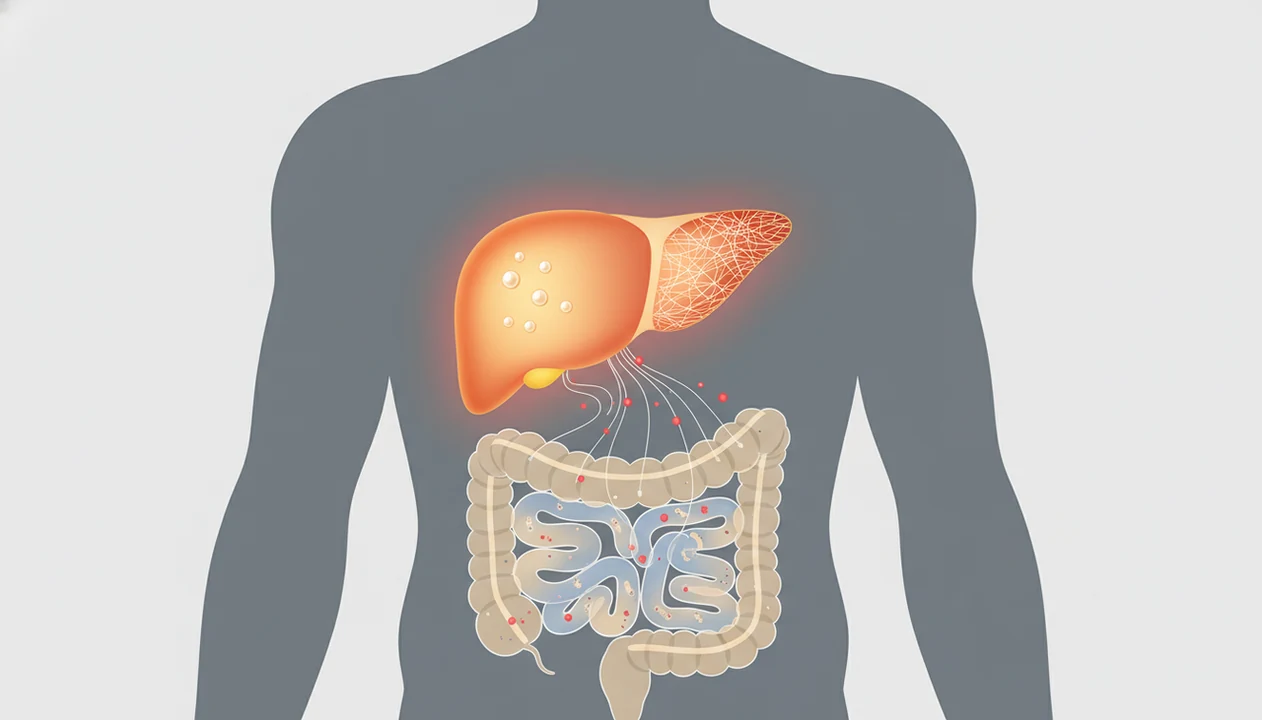
Alcohol liver disease stages usually move from fatty liver to alcohol-related hepatitis, fibrosis, and cirrhosis, with gut damage and liver inflammation helping drive the progression. Early damage can often improve when alcohol stops or sharply decreases, but advanced cirrhosis is usually permanent and needs medical care.
> Definition: Alcohol-related liver disease is liver injury caused by long-term alcohol exposure, progressing through fat buildup, inflammation, scarring, and sometimes liver failure.
This guide is educational and cannot diagnose fatty liver, fibrosis, cirrhosis, alcohol withdrawal risk, or liver failure; urgent symptoms such as jaundice, vomiting blood, black stools, confusion, severe abdominal swelling, or withdrawal signs need medical care.
TL;DR
- The usual path is fatty liver, alcohol-related hepatitis, fibrosis, and cirrhosis.
- Early alcohol-related liver damage can be silent, even when inflammation and scarring have begun.
- The alcohol gut-liver axis matters because alcohol can weaken the gut barrier, allowing bacterial toxins to fuel liver inflammation.
Alcohol liver disease stages at a glance
Quick answer: Alcohol-related liver disease often begins with fat buildup in the liver and can progress to inflammation, scarring, cirrhosis, and reduced liver function. Cutting back sharply or stopping alcohol can often improve early-stage damage, but symptoms, abnormal labs, withdrawal risk, or suspected cirrhosis should be handled with medical care.
Key takeaways
- Early alcohol-related liver damage may have no obvious symptoms.
- Normal energy, appetite, or weight does not rule out liver injury.
- Stopping alcohol is often the most important step to reduce further harm.
- People who drink daily or heavily should ask a clinician before quitting suddenly because withdrawal can be dangerous.
- Blood tests and imaging can suggest liver injury, but a clinician must interpret them.
- Tracking drinks, cravings, and triggers can make reduction attempts more concrete.
The main alcohol-related liver disease stages are fatty liver, alcohol-related hepatitis, fibrosis, and cirrhosis. These stages describe fat buildup, inflammation, scar formation, and then severe scarring that can disrupt liver function.
The path is not always tidy. A person can have fat in the liver and inflammation at the same time. Mild fibrosis may also be present before symptoms appear. That is why a normal-feeling Monday after a heavy weekend does not prove the liver is fine.
Quiet damage is common.
Fatty liver and mild fibrosis often cause no obvious pain, jaundice, or swelling. Clinicians typically recommend medical evaluation when there is a heavy drinking history, abnormal liver tests, jaundice, abdominal swelling, vomiting blood, confusion, or possible alcohol withdrawal risk. Early abstinence or sharp reduction can often improve fatty liver and may slow scarring, but this is not a self-diagnosis tool.
When to seek medical care for possible alcohol-related liver disease
Seek medical care if heavy drinking, abnormal liver tests, or liver-related symptoms raise concern. Do not wait for pain or visible illness; early fibrosis can be present even on normal-feeling days.
Routine evaluation is appropriate when drinking has been heavy or sustained, when a clinician has noted elevated liver enzymes, or when symptoms such as fatigue, nausea, itching, dark urine, easy bruising, or right-sided abdominal discomfort keep appearing. A visit can help sort out liver blood tests, imaging, hepatitis screening, medication effects, and alcohol withdrawal risk.
Use a different threshold for emergency warning signs:
- Call urgent or emergency services for jaundice, new confusion, fainting, severe weakness, severe belly swelling, or trouble staying awake.
- Treat vomiting blood, coffee-ground vomit, or black tarry stools as possible internal bleeding.
- Avoid suddenly stopping alcohol on your own if you drink heavily every day or have had shakes, seizures, hallucinations, or severe anxiety when cutting down.
- Bring your drinking history, recent lab results, medications, and supplements to the appointment so the clinician can assess risk more safely.
Five facts about alcohol fatty liver, fibrosis, and cirrhosis
- Around 90% of people with heavy alcohol use develop fatty liver, also called steatosis, according to Cleveland Clinic clinical education materials clevelandclinic alcohol data.
- Approximately 10% to 20% of people with high or sustained alcohol intake develop alcohol-related cirrhosis over time, according to a 2022 review the NIH.
- Alcohol-associated liver disease accounts for about half of cirrhosis deaths in the United States, per the CDC CDC alcohol data.
- Long-term intake above 40 grams of pure alcohol per day raises risk, and some studies link even 12 to 24 grams per day with cirrhosis the NIH.
- Alcohol use was responsible for 1.6 million liver cirrhosis deaths globally in 2019, according to the World Health Organization the World Health Organization.
For population-level risk, total alcohol exposure matters more than the label on the bottle. A sticky bar table under the fingertips is not medically different from home pours if the ethanol dose is the same.
How alcohol liver disease progression works
Alcohol liver disease progression works through repeated liver injury, inflammation, and wound repair that gradually replaces healthy tissue with scar tissue. The core process involves alcohol metabolism, oxidative stress, immune activation, and fibrosis.
The liver breaks down alcohol into acetaldehyde, a toxic byproduct. That process can increase oxidative stress, which means liver cells face chemical strain during alcohol processing. Fat often collects inside liver cells before any visible scarring develops.
With repeated exposure, inflammation activates hepatic stellate cells. In plain language, these are repair cells that can start laying down collagen. Too much collagen becomes fibrosis. The most common medically supported way to reduce alcohol-related liver injury risk is stopping alcohol exposure, combined with medical assessment when symptoms, abnormal tests, or withdrawal risk are present.
Over years, scar tissue can distort the liver’s structure. Detox function, bile flow, blood flow, and clotting support can all be affected. For severe complications, the related pathway is covered in alcohol and liver failure.
Alcohol gut-liver axis and leaky gut liver inflammation
Does alcohol-related liver inflammation involve the gut? Yes. The alcohol gut-liver axis describes blood flow and immune signaling between the intestine and liver, and it helps explain why gut barrier damage can worsen liver inflammation.
Blood from the intestines drains toward the liver through the portal circulation. When alcohol weakens the gut barrier, bacterial fragments and toxins can cross into that blood supply. The liver then sees those signals and may respond with immune activation. Over time, that inflammatory traffic can support fibrosis. Reviews of alcohol-associated liver disease describe this gut-barrier disruption and endotoxin signaling as part of the gut-liver axis the NIH.
The gut is not a side issue.
People often focus on “detox” language, but the available evidence points to exposure and inflammation. Gut-focused diets, probiotics, or supplements are not proven replacements for stopping or sharply reducing alcohol. They may be discussed with a clinician, especially when digestion is poor, but they do not cancel the effect of repeated drinking. Broader body effects are covered in our alcohol reduction guides.
Alcohol liver fibrosis risk by drinking pattern and health factors
Alcohol liver fibrosis risk rises with total alcohol dose over time, not with one beverage category alone. Beer, wine, spirits, and mixed drinks all contribute ethanol, and the liver responds to that cumulative exposure.
Drinking pattern still matters. Heavy weekend drinking can deliver repeated high-dose injury. Daily drinking can prevent recovery time between exposures. Both patterns may contribute to fat buildup, inflammation, and scar formation.
The beer fridge hum during dinner prep can become part of the risk pattern when it repeats nightly.
Risk is also modified by body weight, diabetes, metabolic syndrome, viral hepatitis, genetics, sex, and some medications. These factors can make two people with similar drinking histories progress differently. Normal bloodwork or no symptoms does not always rule out early disease. For related kidney strain from repeated alcohol exposure, the alcohol kidney stress guide explains a separate organ pathway.
Alcohol fatty liver fibrosis cirrhosis stage comparison
Alcohol fatty liver, fibrosis, and cirrhosis differ by how much injury, inflammation, and scarring are present. The table below separates the common stages, but real clinical findings can overlap.
| Stage | What happens | Common symptoms | Reversibility | Medical urgency |
|---|---|---|---|---|
| Fatty liver | Fat builds up in liver cells | Often silent; sometimes fatigue or mild discomfort | Often improves with abstinence, especially early | Evaluation is wise if drinking has been heavy |
| Alcohol-related hepatitis | Liver inflammation becomes clinically significant | Jaundice, fever, nausea, pain, feeling very ill | Can improve, but severe cases can be dangerous | Medical evaluation needed |
| Fibrosis | Scar tissue starts forming after repeated injury | May be silent | Progression may slow or stop if alcohol stops | Clinician assessment helps stage risk |
| Cirrhosis | Severe scarring distorts liver structure | Swelling, bleeding, confusion, jaundice, infections | Scarring is usually permanent | Ongoing specialist care is important |
For early symptoms that people often miss, the separate alcohol liver damage symptoms guide gives a symptom-focused view.
How to use alcohol liver disease stage information safely
Use alcohol liver disease stage information as a prompt for safer next steps, not as a home diagnosis. The goal is to organize what you know, notice warning signs, and bring better information to a clinician.
- Start with your drinking history, including typical weekly intake, binges, long stretches of daily use, and any past abnormal liver tests. Add symptoms such as fatigue, right-sided discomfort, nausea, itching, dark urine, or easy bruising.
- Compare your symptoms with the stage descriptions without assigning yourself a label like “just fatty liver” or “definitely cirrhosis.” Early disease can be quiet, and stages can overlap.
- Book medical evaluation promptly for jaundice, belly or leg swelling, vomiting blood, black stools, confusion, severe weakness, or possible withdrawal risk. Heavy daily drinkers should not assume abrupt stopping is safe without guidance.
- Ask what testing fits your situation, including liver blood tests, ultrasound, elastography to estimate stiffness, hepatitis screening, and a medication or supplement review.
- Track alcohol intake, cravings, triggers, and missed goals while following clinician advice. A clear record can make the appointment more useful than trying to remember the week from memory.
Behavior-change support for alcohol liver disease risk reduction
The most important behavior change for alcohol-related liver risk reduction is stopping or sharply reducing alcohol intake. That does not mean everyone can safely stop without support; people with heavy daily use or withdrawal symptoms should seek medical guidance.
A useful self-tracking plan records date, drink count, trigger, craving intensity, and response. For example: “Friday, 7:40 p.m., argument, craving 8/10, walked outside for 10 minutes.” That kind of entry is more useful than a vague mood note.
Me Quit can support private craving and drink-count tracking, but it does not diagnose liver disease, interpret labs, supervise detox, or guarantee reversal of liver injury. Use tracking notes as a behavior-change aid and bring medical questions, withdrawal risk, or liver symptoms to a clinician.
For people choosing a phone-based alcohol plan, a best drink less app guide can help compare tracking needs.
Limitations
This page explains population-level patterns, not a diagnosis or treatment plan. Alcohol-related liver disease is variable, and a clinician may need history, labs, imaging, elastography, or specialist review to judge stage.
Key limits:
- Advanced cirrhosis scarring is usually permanent, even with abstinence.
- A mild hangover after two extra drinks is not the same as alcohol withdrawal, which can need urgent medical care.
- This page cannot tell whether one person has fatty liver, fibrosis, or cirrhosis.
If symptoms such as jaundice, abdominal swelling, black stools, confusion, severe vomiting, or withdrawal signs appear, medical care should not wait.
FAQ
What are the stages of alcohol-related liver disease?
The usual stages are fatty liver, alcohol-related hepatitis, fibrosis, and cirrhosis. These stages can overlap, and symptoms may be absent early.
Is alcoholic fatty liver reversible?
Alcoholic fatty liver often improves when alcohol stops or sharply decreases, especially before major scarring develops. A clinician can assess whether other liver risks are also present.
What is alcohol liver fibrosis?
Alcohol liver fibrosis is scar tissue caused by repeated liver inflammation and injury. It can be silent and may progress if alcohol exposure continues.
Can fibrosis become cirrhosis?
Yes, ongoing alcohol-related injury can progress from fibrosis to cirrhosis. Cirrhosis means severe scarring that distorts normal liver structure.
What are the early signs of liver damage from alcohol?
Early alcohol-related liver disease often has no clear symptoms. Some people notice fatigue, vague right-sided discomfort, or abnormal blood tests before visible jaundice appears.
How do doctors detect alcohol-related liver damage?
Doctors may use drinking history, physical exam, blood tests, ultrasound or other imaging, elastography, and sometimes specialist assessment. No single home checklist can stage liver disease reliably.
Can beer cause cirrhosis, or is liquor worse?
Beer can contribute to cirrhosis if total alcohol intake is high or sustained. The main driver is ethanol dose over time, whether it comes from beer, wine, or liquor.
Can cirrhosis from alcohol be reversed?
Advanced cirrhosis scarring is usually permanent. Stopping alcohol can still reduce further harm and lower complication risk, but medical care is needed.