

Signs of Liver Damage From Alcohol, From Silent to Urgent
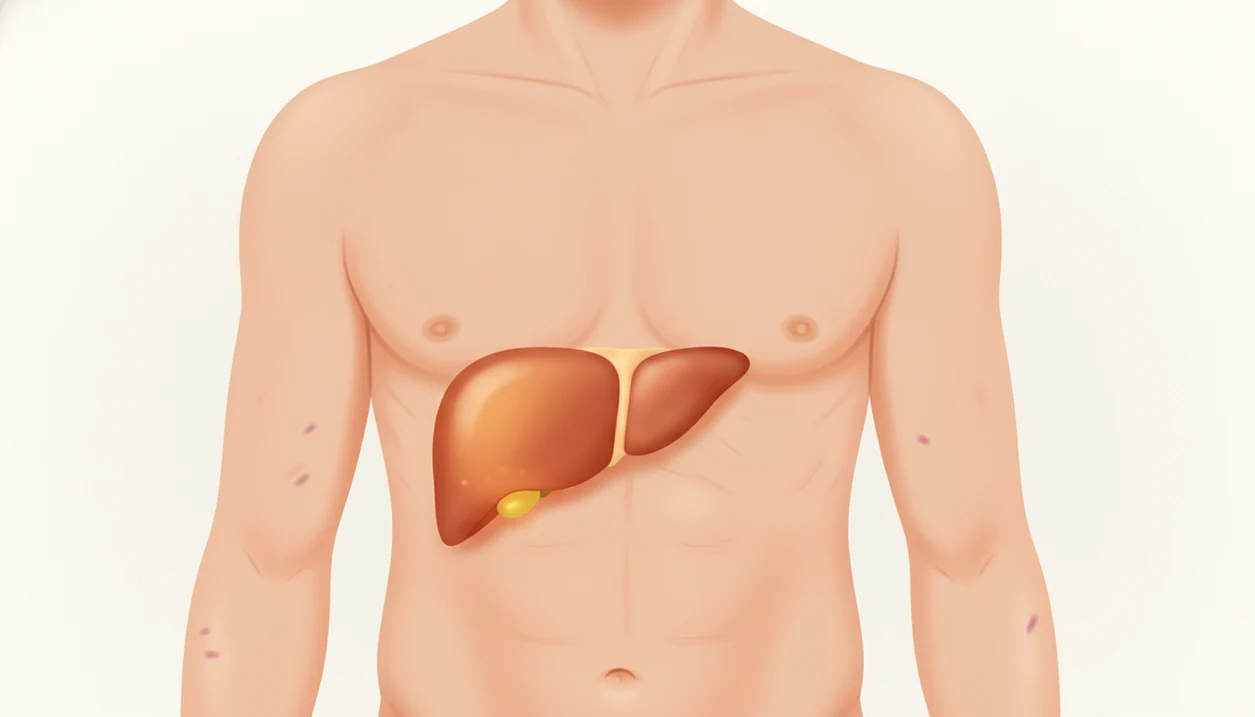
A person can have alcohol-related fatty liver or early scarring while still working, sleeping, and eating normally. When symptoms do appear, they may resemble a stomach bug, stress, or simple exhaustion. That makes a checklist useful for describing changes, but not for diagnosing the stage.
If drinking has been heavy or frequent, arrange a medical assessment even without yellow skin or severe pain. Blood tests, imaging, and an exam can reveal problems symptoms cannot. If physical dependence is possible, get medical advice before stopping alcohol suddenly because withdrawal can be dangerous.
Bottom line
Signs of liver damage from alcohol can include fatigue, poor appetite, nausea, pain under the right ribs, jaundice, swelling, easy bruising, dark urine, pale stools, itching, or confusion. Early disease often causes no symptoms. Yellow eyes, vomiting blood, black stools, severe swelling, or confusion require urgent medical care.
Symptoms that range from vague to urgent
Alcohol liver damage symptoms may be absent, vague, or easy to blame on stress, poor sleep, or a hard weekend. Common warning signs include fatigue, appetite changes, nausea, upper-right abdominal discomfort, bloating, jaundice, swelling, easy bruising, dark urine, pale stools, and confusion.
The tricky part is timing. Early fatty liver can be silent, even when drinking has already started to strain the liver. More visible symptoms often suggest moderate or advanced dysfunction, especially yellow eyes, a swollen belly, black stools, or mental changes.
If symptoms appear after regular heavy drinking, don’t use them to guess the stage. Use them as a reason to book medical care, and seek urgent help for confusion, vomiting blood, severe jaundice, or severe swelling.
Why early liver damage is easy to miss
- Early fatty liver is often silent. Many people have no pain, no yellowing, and no obvious skin change while fat builds inside liver cells.
- Vague symptoms still matter. Fatigue, poor appetite, mild nausea, and upper-right belly fullness can be early signs of alcohol liver damage, especially after repeated heavy drinking.
- Visible signs are more concerning. Jaundice, swelling, easy bruising, nosebleeds, and confusion can suggest the liver is struggling with bilirubin, fluid balance, clotting, or toxin handling.
- Earlier disease can improve. Alcohol reduction or abstinence can reverse fatty liver and may improve earlier inflammation; nearly all heavy drinkers develop fatty liver, and about 20-40% progress to hepatitis or cirrhosis over time, according to the American Liver Foundation liverfoundation alcohol data.
- Symptoms cannot grade severity. Blood tests, imaging, and clinical assessment are needed because mild symptoms can hide serious scarring.
Early liver damage can feel ordinary or cause no symptoms, so people who drink heavily are often safer getting tested than waiting for a dramatic change.
How repeated drinking injures the liver
Alcohol-related liver damage develops when repeated alcohol exposure overwhelms normal liver processing, leading first to fat buildup and later to inflammation, fibrosis, cirrhosis, or liver failure.
Here is how it works. The liver metabolizes alcohol into toxic byproducts, including acetaldehyde. Alcohol is broken down into substances that can damage liver cells, and repeated heavy exposure gives those cells less time to recover. Fat can collect inside liver cells, then inflammation may develop as alcohol-associated hepatitis. Over time, repair tissue can become fibrosis, then cirrhosis.
The liver can compensate for a long time. Because the liver can compensate for substantial injury, worsening scarring may not disrupt work, meals, or other daily routines at first. Alcohol-associated liver disease accounts for about 50% of cirrhosis deaths in the United States, according to NCBI research the NIH.
Cirrhosis and advanced scarring are rarely fully reversible. Stopping alcohol, with medical follow-up and a supervised withdrawal plan when dependence is possible, is the main medically supported way to slow alcohol-related liver injury.
Can alcohol-related fatty liver cause symptoms?
What are alcohol fatty liver symptoms? Many people have no symptoms at all, and the condition may only show up on blood tests or imaging.
When symptoms do appear, they can feel ordinary: fatigue, mild nausea, loss of appetite, weight changes, or a dull fullness under the right ribs. Some people describe heavier mornings or a sour stomach before a social event, then write it off as “just getting older.” Normal-looking skin, clear eyes, and no severe pain do not rule out liver stress.
Risk rises with heavier drinking patterns. Johns Hopkins, using NIAAA definitions, describes heavy alcohol use as at least 5 drinks in a day or 15 per week for men, and 4 drinks in a day or 8 per week for women NIAAA alcohol data. If Friday 6 p.m. keeps turning into several drinks, that pattern matters.
For broader body effects, our alcohol reduction guides cover cravings, recovery, and drinking patterns.
Call 911 for vomiting blood, black or tar-like stools, severe confusion, fainting, a seizure, or inability to stay awake. Seek prompt medical care for new jaundice, increasing belly or leg swelling, dark urine, pale stools, persistent vomiting, fever, or worsening pain under the right ribs.
Visible changes that need medical attention
Visible signs of liver dysfunction can include yellow skin or eyes, dark urine, pale or gray stools, swollen belly, swollen ankles, easy bruising, nosebleeds, spider angiomas, red palms, itching, and muscle wasting. These signs are not proof that alcohol is the cause, but they should be medically checked.
- Color changes: Yellow eyes, yellow skin, dark urine, and pale stools can happen when bilirubin is not processed normally.
- Fluid changes: A swollen belly or ankles may reflect fluid buildup, low albumin, or pressure changes in liver circulation.
- Bleeding changes: Easy bruising and nosebleeds can appear when clotting factors or platelets are affected.
- Skin and muscle changes: Spider-like blood vessels, red palms, itching, and muscle wasting can appear in chronic liver disease.
Don’t wait if symptoms feel severe. Confusion, vomiting blood, black stools, severe swelling, severe jaundice, or fever need urgent care. The bathroom mirror is not a liver test.
Fatty liver vs hepatitis, cirrhosis, and liver failure
Alcohol liver disease stages can overlap, and symptoms alone cannot confirm where someone is in the process. Blood work, imaging, and clinician assessment are needed.
| Stage | Typical symptoms | May improve or reverse? |
|---|---|---|
| Fatty liver | Often none; fatigue, mild nausea, upper-right fullness | Often improves with abstinence |
| Alcohol-associated hepatitis | Appetite loss, nausea, fever, jaundice, belly pain, weakness | May improve, but can be serious |
| Fibrosis or cirrhosis | Fatigue, bruising, itching, swelling, spider angiomas, muscle loss | Fibrosis may improve; cirrhosis often does not fully reverse |
| Decompensated liver disease | Ascites, confusion, vomiting blood, black stools, severe jaundice | Requires urgent specialist care |
Yale Medicine summarizes research showing risk rises above more than 2 standard drinks daily for men and more than 1 for women yalemedicine alcohol data. For a deeper stage-by-stage map, read our guide to alcohol liver disease stages.
Tests doctors use to check for liver damage
Symptoms alone cannot show how damaged the liver is. An evaluation may include a drinking and medical history, physical exam, liver enzymes, bilirubin, INR or other clotting markers, platelet count, and imaging.
Common checks include ultrasound, elastography to estimate stiffness, and CT or MRI when the picture is unclear. Sometimes biopsy is used, though it is not needed for every person. A clinician may also check for viral hepatitis, medication injury, metabolic fatty liver disease, anemia, thyroid disease, or infection.
Book a routine medical appointment if heavy drinking comes with fatigue, poor appetite, nausea, upper-right belly discomfort, mild swelling, or abnormal labs. Seek urgent care for confusion, vomiting blood, black stools, severe swelling, severe jaundice, fever, fainting, or severe illness.
- Write down your drinking pattern, symptoms, medicines, and when changes started.
- Call a clinician if symptoms follow repeated heavy drinking or keep returning.
- Ask which blood tests and imaging are appropriate.
- Avoid self-diagnosing the stage from skin color, pain level, or bloating.
- Seek emergency help for confusion, bleeding, black stools, or severe jaundice.
Prepare for an appointment without diagnosing yourself
Use alcohol liver damage symptom information as a prompt to get checked, not as a way to diagnose yourself. Symptoms can help you describe what changed, but they cannot tell you the stage of liver disease.
- Track what you notice before the appointment, including fatigue, appetite changes, nausea, belly swelling, jaundice, bruising, stool color, urine color, and when each symptom started.
- Record alcohol intake, medications, supplements, recent illnesses, and timing, especially if symptoms appear after heavier drinking days or keep returning.
- Call a clinician rather than trying to stage liver damage from pain, bloating, skin color, or a checklist. Mild symptoms can still need testing.
- Ask which blood tests, imaging, or referrals fit your situation, such as liver enzymes, bilirubin, clotting markers, platelet count, ultrasound, elastography, or a liver specialist.
- Seek urgent care for confusion, vomiting blood, black stools, severe jaundice, fainting, or severe illness.
- Use apps, calendars, or notes for behavior tracking only. They can help you see drinking patterns and dry days, but they cannot diagnose liver injury.
Recovery after stopping alcohol
Stopping alcohol is the cornerstone of care for alcohol-related liver disease. Fatty liver can often improve with abstinence, while cirrhosis and advanced scarring may not fully reverse.
Recovery signs are not always flashy. Energy may slowly improve, nausea may settle, appetite may return, swelling may reduce, and blood tests may move in a better direction. A green dry day marked on a calendar can feel small, but it is still data. People with hepatitis, cirrhosis, jaundice, or swelling should ask a clinician whether complete abstinence is necessary, not just “cutting back.”
Studies summarized by NCBI report that abstinence is the most important therapy and improves survival compared with continued drinking across all stages of alcoholic liver disease the NIH. For people worried about escalation, our alcohol and liver failure page explains red flags in more detail.
It is support for habit change, not detox supervision, liver testing, or a diagnosis.
Plan for withdrawal risk before stopping
Liver recovery and alcohol withdrawal follow different timelines. Recovery may begin after drinking stops, but withdrawal symptoms can start 6 to 24 hours after the last drink. Shaking, sweating, nausea, anxiety, agitation, a racing heart, headache, and insomnia are possible early symptoms. Withdrawal is often most severe during the first 48 hours and may continue for 3 to 7 days.
If you drink heavily every day, need alcohol to stop shaking, or have had withdrawal before, do not attempt an unsupervised detox. The NHS alcohol-related liver disease guidance advises getting medical help before suddenly stopping regular heavy drinking. A clinician can decide if you need medication, monitoring, supervised outpatient care, or hospital treatment.
Call 911 for a seizure, hallucinations, severe confusion, inability to stay awake, or rapidly worsening agitation. Severe withdrawal can include delirium tremens, which usually appears around days 2 to 3 but can occur as late as day 5, according to the UK clinical guideline for alcohol care.
Alcohol and liver symptom questions
What are the first signs of liver damage from alcohol?
Early alcohol-related liver damage often causes no clear symptoms. When symptoms occur, they may include tiredness, poor appetite, nausea, unexplained weight loss, or dull discomfort under the right ribs. These problems have many possible causes, so blood tests, an exam, and sometimes imaging are needed.
Can alcohol-related fatty liver have no symptoms?
Yes. Alcohol-related fatty liver is often silent and may be found only through blood work or imaging. Clear eyes, normal skin color, and no abdominal pain do not prove the liver is healthy. People with a pattern of heavy drinking should discuss testing with a clinician rather than waiting for visible changes.
Do yellow eyes always mean alcohol has damaged the liver?
No. Yellow eyes or skin indicate jaundice, which can have several liver, gallbladder, blood, or pancreatic causes. Alcohol-related liver disease is one possibility, especially with heavy drinking, but the cause requires medical testing. New or rapidly worsening jaundice should be assessed promptly.
Can liver damage from alcohol cause a swollen stomach?
Yes. Advanced liver disease can cause fluid to collect in the abdomen, a condition called ascites. Bloating can also come from digestion, weight changes, or other conditions, so swelling alone cannot identify the cause. Rapidly increasing swelling, pain, fever, breathing trouble, or confusion needs urgent medical attention.
Why can ankles swell with liver disease?
Liver disease can disrupt protein production and blood flow through the liver, allowing fluid to collect in the legs and ankles. Heart, kidney, vein, and medication problems can cause similar swelling. New swelling on both sides, especially with jaundice or abdominal enlargement, deserves prompt assessment.
Can alcohol-related liver damage reverse after quitting?
Alcohol-related fatty liver can often improve after alcohol stops. Inflammation and some fibrosis may also improve, but cirrhosis and advanced scarring often do not fully reverse. Abstinence can still prevent further injury and improve survival. People who may be physically dependent should arrange medical help before stopping suddenly.
What tests check for alcohol-related liver damage?
Testing may include liver enzymes, bilirubin, albumin, platelet count, and clotting markers such as INR. An ultrasound can show fat, structural changes, or fluid, while elastography estimates liver stiffness. CT, MRI, or biopsy is sometimes needed. No single normal result rules out every stage of disease.
How quickly can alcohol withdrawal start after the last drink?
Withdrawal can begin within 6 to 24 hours. Symptoms may include shaking, sweating, anxiety, nausea, headache, insomnia, agitation, or a racing heart. Severe cases can cause seizures, hallucinations, or delirium tremens. Heavy daily drinkers and anyone with previous withdrawal should get medical advice before stopping.