

Alcoholic Cardiomyopathy: When Drinking Weakens the Heart
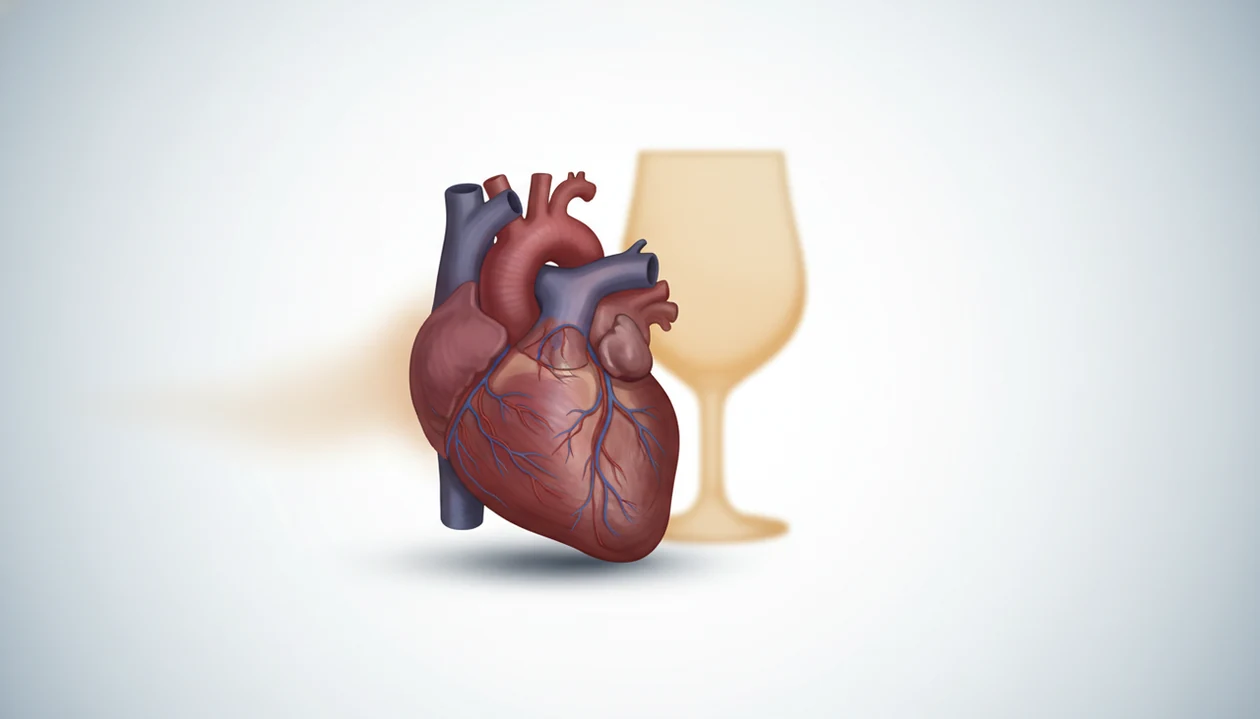
Getting winded on familiar stairs, finding ankle marks from your socks, or waking up short of breath can be easy to blame on age, stress, or poor sleep. When those changes occur alongside years of heavy drinking, the heart muscle needs medical attention.
Alcohol-related heart damage often develops gradually. An honest account of drink amounts, can sizes, alcohol strength, symptoms, and previous withdrawal problems gives a clinician more useful information than a general estimate. If dependence is possible, the plan must protect both the heart and the person from dangerous withdrawal.
The quick version
Alcoholic cardiomyopathy is an enlarged, weakened heart linked to prolonged heavy drinking. It can cause breathlessness, swelling, fatigue, palpitations, and heart failure. Stopping alcohol completely and starting heart treatment early may improve heart function, but recovery is not guaranteed. Heavy daily drinkers should get medical advice before stopping because withdrawal can be life-threatening.
What alcoholic cardiomyopathy means
Alcohol-induced cardiomyopathy is a type of dilated cardiomyopathy caused or worsened by chronic heavy drinking. In plain English, the heart chambers stretch, the heart muscle gets weaker, and each beat moves less blood than it should.
People search for this in different words: alcohol and heart muscle damage, enlarged heart from drinking, or alcohol weakens heart muscle. They are usually pointing at the same concern. This is not a rough morning after a party cooler packed with cans. Without treatment, the weakened heart can progress to heart failure, dangerous rhythm problems, or other life-threatening complications.
The American Heart Association has identified alcohol as one of the leading acquired causes of dilated cardiomyopathy, along with ischemic heart disease, infections, and other toxins. Source: American Heart Association, dilated cardiomyopathy overview, https://www.heart.org/en/health-topics/cardiomyopathy/what-is-cardiomyopathy-in-adults. If a clinician mentions this diagnosis, it deserves follow-up, not guessing at home.
The key facts about alcohol and a weakened heart
- Alcohol-induced cardiomyopathy is a form of dilated cardiomyopathy. The heart becomes enlarged and weaker, especially in the main pumping chamber.
- It is usually linked with heavy drinking over years. StatPearls describes a typical association with more than 80 grams of alcohol per day for at least 5 years, not one bad night.
- Early symptoms are easy to misread. Getting winded on stairs can feel like aging, stress, poor sleep, or being out of shape.
- Complete alcohol abstinence is the cornerstone of recovery. Clinicians typically recommend stopping alcohol fully when alcohol-related cardiomyopathy is suspected or diagnosed.
- Continuing to drink worsens prognosis. Ongoing ethanol exposure raises the risk of heart failure progression, dangerous rhythms, hospitalization, and early death.
For heart muscle recovery, complete abstinence is often more important than switching drink types because ethanol exposure is the shared injury.
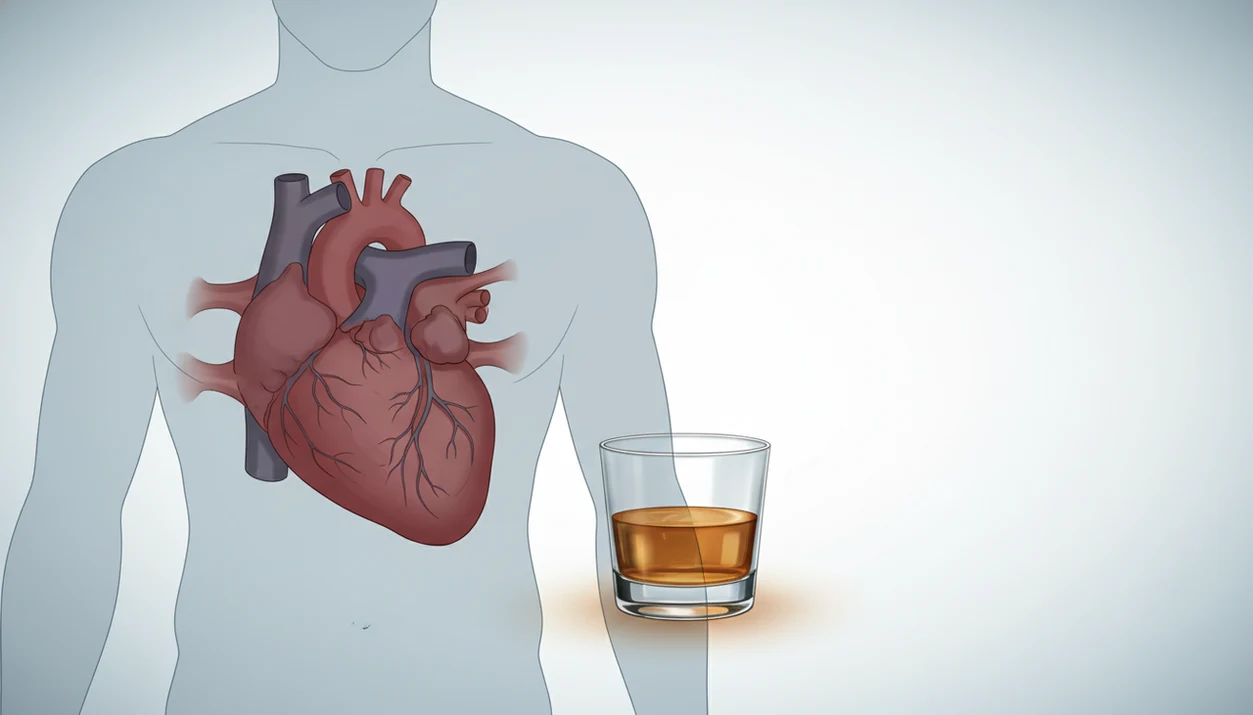
How does alcohol damage the heart muscle?
Alcohol-induced cardiomyopathy works through repeated toxic stress on heart muscle cells. Chronic ethanol exposure can disrupt mitochondrial energy production, which means the cells have less usable fuel for contraction and repair.
Over time, repeated injury can weaken contraction, promote chamber dilation, and reduce ejection fraction. Ejection fraction is the percentage of blood the left ventricle pumps out with each beat. When it falls, everyday tasks can feel oddly harder. A laundry basket suddenly feels like a workout.
This pattern fits dilated cardiomyopathy: stretched chambers, thinner or weaker muscle, and poor pumping. Genetics, high blood pressure, viral myocarditis, nutrition, and other toxins can all modify risk. Total ethanol amount matters more than whether it comes from beer, wine, or liquor. The heart does not sort ethanol by label.
For related body-wide effects, the alcohol reduction guides explain how alcohol can affect cravings, sleep, inflammation, and recovery routines.
How alcohol causes heart muscle damage
Alcohol can directly injure heart muscle cells. Repeated exposure can disrupt the cells' energy production, weaken contraction, and contribute to enlargement of the heart chambers. Excessive alcohol use is associated with cardiomyopathy and irregular heartbeat, according to the CDC overview of alcohol-related health effects.
Damage may begin before obvious symptoms
A person can still work, drive, and manage light exercise while heart strain is developing. Early damage may not produce a clear warning. Later signs can include shortness of breath during activity, trouble breathing while lying flat, swelling, palpitations, dizziness, rapid fluid-related weight gain, and unusual fatigue.
- Breathing changes during familiar tasks, such as carrying laundry or walking from a parking lot
- Shoes or socks becoming tight because of new ankle or foot swelling
- Pounding, skipped, or irregular beats that recur
- Heavy legs, weakness, or declining exercise tolerance
- Waking up breathless or needing more pillows to breathe comfortably
Some heart function may return after alcohol stops completely and medical treatment begins, particularly when the condition is identified early. Recovery becomes less predictable with advanced heart failure, scarring, other heart disease, or continued drinking. Severe breathlessness, fainting, chest pain, blue lips, confusion, or coughing pink froth requires emergency care.
How much drinking is linked to an enlarged heart?
How much drinking is linked with an enlarged heart risk? Alcoholic cardiomyopathy is typically associated with long-term heavy intake, often above 80 grams of alcohol per day for at least 5 years, according to StatPearls. Source: StatPearls, Alcoholic Cardiomyopathy, https://www.ncbi.nlm.nih.gov/books/NBK513322/.
That amount is roughly 5 to 6 U.S. standard drinks per day, though pours vary. A “glass” at home may not match a standard drink. The measuring shot glass near the sink tells a more honest story than memory does.
A large pooled analysis of 83 studies, including more than 599,000 current drinkers, found that more than 100 grams of alcohol per week was associated with higher all-cause mortality and cardiovascular disease risk, including heart failure, compared with 100 grams or less per week. Source: Wood et al., The Lancet pooled analysis of alcohol thresholds, https://www.thelancet.com/journals/lancet/article/PIIS0140-6736(18)30134-X/fulltext.
No alcohol amount should be presented as universally safe for every heart. Lower amounts may matter more for someone with genetic vulnerability, high blood pressure, prior myocarditis, or known heart disease. Drinking and enlarged heart risk is personal, not just mathematical.
Breathlessness, swelling, and other warning signs
Alcohol-induced cardiomyopathy symptoms often look like heart failure or rhythm problems, and they can start quietly. Do not self-diagnose from a symptom list; use symptoms as a reason to get checked.
- Breathing changes: Shortness of breath with exertion, waking breathless at night, or needing extra pillows can signal fluid backup.
- Swelling and fluid signs: Ankles, feet, legs, or the belly may swell as the heart struggles to move blood forward.
- Energy changes: Fatigue and reduced exercise tolerance may feel like stress, aging, or poor conditioning.
- Rhythm symptoms: Palpitations, skipped beats, dizziness, or chest discomfort can reflect abnormal heart rhythms.
Urgent red flags include severe breathlessness, fainting, chest pain, blue lips, confusion, or sudden swelling. Seek emergency care for those symptoms.
A small clue counts. If the walk from the parking lot feels different for several days, write it down and call a clinician.
Call emergency services for chest pain, fainting, severe breathlessness, blue lips, confusion, a seizure, or rapidly worsening swelling. If you drink heavily every day or have had withdrawal symptoms, seek medical advice before stopping alcohol suddenly.
Can alcohol cause an enlarged heart? Signs to compare
Yes. Prolonged heavy alcohol exposure can weaken the heart muscle and stretch its chambers, producing an enlarged heart known as dilated cardiomyopathy. The symptoms can initially resemble a hangover, anxiety, dehydration, or poor sleep. The pattern matters: cardiomyopathy symptoms tend to persist, worsen, or appear during ordinary activity rather than clearing as the day goes on.
| Symptom | More hangover-like | More concerning |
|---|---|---|
| Heartbeat | Brief racing after drinking, anxiety, or poor sleep | Repeated pounding, rapid, or irregular beats |
| Breathing | Temporary breathlessness with dehydration or panic | Breathlessness on stairs, while lying flat, or during sleep |
| Swelling | A puffy feeling after salty food | New ankle, foot, leg, or abdominal swelling |
| Energy | Tired after one poor night of sleep | Ongoing weakness during light activity |
Symptoms cannot confirm an enlarged heart. Diagnosis may involve a physical exam, ECG, blood tests, chest imaging, and an echocardiogram. Cardiac MRI or coronary testing may also be needed. Clinicians must consider coronary disease, high blood pressure, valve disease, viral myocarditis, thyroid disease, anemia, inherited cardiomyopathy, and other causes.
Seek urgent care for persistent chest pain, fainting, severe breathlessness, blue lips, or a rapid or irregular heartbeat accompanied by weakness or dizziness.
Tests used to diagnose alcoholic cardiomyopathy
Diagnosis requires a medical evaluation, a detailed drinking history, a physical exam, and cardiac testing. There is no single blood test that proves alcohol-induced cardiomyopathy.
Clinicians may use an ECG, echocardiogram, blood tests, chest imaging, cardiac MRI, stress testing, and sometimes coronary artery evaluation. An echocardiogram is an ultrasound of the heart. Typical echo findings include enlarged chambers, reduced pumping function, and valve leakage caused by stretching around the valve openings.
The drinking history matters, but it is not the whole diagnosis. Clinicians also consider coronary artery disease, high blood pressure, viral myocarditis, thyroid disease, inherited cardiomyopathy, and other causes of dilated cardiomyopathy.
Bring numbers if you can. “Two tall IPAs most nights” is more useful than “not that much.” The same honesty helps in other alcohol-related conditions, including alcohol and kidney failure, where symptoms can overlap and labs matter.
Prepare for a medical appointment
Use this information as a prompt to get organized and seek care, not as a way to diagnose yourself at home. If symptoms are continuing or getting worse, the safest move is to involve a clinician early.
- Write down what is happening. Track breathlessness, swelling, palpitations, fatigue, chest discomfort, sleep changes, and when each symptom started. Add medications, supplements, recent illness, stress, and any changes in drinking.
- Count your alcohol honestly. Bring exact drink counts, can sizes, bottle strength, mixed-drink pours, and usual timing. “Three doubles after work” gives a clinician better data than “a few.”
- Call promptly if symptoms persist. Ongoing shortness of breath, ankle swelling, racing or irregular heartbeat, or unusual fatigue should be checked rather than watched for weeks.
- Ask about safe stopping. If you drink heavily or have had shakes, sweats, seizures, confusion, or severe anxiety when cutting back, ask whether supervised withdrawal care is safer.
- Seek emergency care for red flags. Chest pain, fainting, confusion, blue lips, or severe breathlessness needs urgent evaluation, especially if walking across the room feels impossible.
Plan alcohol withdrawal around the weakened heart
Stopping alcohol is central to treatment, but abruptly stopping after prolonged heavy drinking can be dangerous. The NIAAA guidance on alcohol withdrawal notes that withdrawal can cause a rapid pulse, increased blood pressure, seizures, and other serious complications. Those effects can place added stress on an already weakened heart.
- Arrange a same-week medical assessment before changing intake if you drink heavily, drink every day, need alcohol in the morning, or have had withdrawal symptoms.
- Report previous shaking, sweating, vomiting, hallucinations, confusion, seizures, or severe agitation.
- Bring a list of heart symptoms, medications, supplements, liver or kidney problems, and the timing and amount of alcohol used.
- Ask if withdrawal should be managed at home with medical oversight, in an outpatient program, or in a hospital.
Withdrawal symptoms can begin within hours. Confusion, hallucinations, severe agitation, fever, or a seizure requires emergency care. Do not try to manage withdrawal with alcohol, sedatives, or another person's medication. Clinicians can prescribe treatment that reduces symptoms and makes cessation safer.
Treatment and the chances of heart recovery
Complete abstinence from alcohol is the cornerstone of alcohol-induced cardiomyopathy treatment. Standard heart failure care may also include medications, fluid and salt guidance, rhythm management, devices, cardiac rehab, and follow-up imaging depending on severity.
StatPearls reports that many patients improve ejection fraction and symptoms within 6 months of complete abstinence, with some showing near-normalization over time. Recovery is not guaranteed. It depends on how advanced the disease is, how early treatment starts, genetics, other heart conditions, and whether alcohol avoidance continues.
Complete alcohol abstinence, paired with guideline-based heart failure care, gives the heart its best chance to stabilize or recover.
The sleepy slump after a dry night may be uncomfortable. Still, it is useful data for the next plan.
Continued drinking vs complete abstinence
Can you keep drinking after an alcohol-induced cardiomyopathy diagnosis? Continuing to drink after diagnosis is linked with worse outcomes and is usually treated as a major risk factor for progression.
Reported 10-year mortality among patients with alcoholic cardiomyopathy ranges from 40% to 80%, depending on severity and continued alcohol use. Ongoing drinking can worsen heart failure, trigger dangerous arrhythmias, increase hospitalizations, and raise the risk of early death.
Switching from liquor to wine or beer does not remove the ethanol exposure driving risk. The heart responds to total alcohol load, not the shape of the bottle.
If you have symptoms or a diagnosis, ask a clinician about both alcohol cessation support and cardiac treatment. For people whose drinking also affects inflammation, sleep, or pain flares, alcohol immune inflammation can help connect the dots without turning it into a blame story.
Build support for stopping alcohol
People often need support to stop drinking consistently, especially when alcohol has become a cue, routine, and reward loop. A plan works better when it handles the moment before the pour, not just the promise made the next morning.
Match support to the part that is hardest, such as withdrawal risk, evening cravings, stress, or social pressure.
- Clinician guidance: Ask about safe stopping, withdrawal risk, heart failure care, and medication options when appropriate.
- Counseling or peer support: Use structured help when drinking is tied to stress, loneliness, or social pressure.
- Craving plans: Build an if-then plan before the trigger hits. If the urge starts after dinner, then make tea and set a 10-minute timer.
- Trigger and streak tracking: Record alcohol-free days, cravings, slips, and patterns privately.
- Set a medical boundary first. Ask your clinician whether abstinence is required and whether withdrawal monitoring is needed.
- Log the decision point. Note the time, place, feeling, and drink cue before alcohol appears.
- Choose a replacement action. Put water, gum, or a phone timer where the drink usually starts.
- Review the pattern weekly. Look for the bar patio, commute stop, or scrolling-in-bed trigger that keeps repeating.
- Repair the streak after a slip. Write what happened, restart the plan, and make the next choice easier.
Questions about alcohol-related heart damage
What is alcoholic cardiomyopathy?
Alcoholic cardiomyopathy is a form of dilated cardiomyopathy linked to prolonged heavy alcohol exposure. The heart chambers stretch, the muscle weakens, and each contraction pumps less blood. This can eventually cause heart failure, fluid buildup, abnormal rhythms, and reduced blood flow during ordinary activity.
Can alcohol cause an enlarged heart?
Yes. Long-term heavy drinking can directly damage heart muscle cells and cause the chambers to enlarge. Alcohol is not the only possible cause, so an enlarged heart requires medical evaluation for coronary disease, high blood pressure, valve problems, infections, inherited conditions, thyroid disease, and other contributors.
What are the early signs of alcoholic cardiomyopathy?
Early signs can include getting winded during familiar activities, unusual fatigue, reduced exercise tolerance, ankle swelling, or repeated palpitations. Some people have little warning before the disease is advanced. Symptoms that persist beyond a hangover or steadily worsen deserve medical assessment.
Can alcoholic cardiomyopathy be reversed?
Heart function can improve, particularly when alcohol stops completely and heart failure treatment begins early. Some people improve within months, but full recovery is not guaranteed. The outlook depends on disease severity, scarring, other heart conditions, treatment, and continued avoidance of alcohol.
How much alcohol can damage the heart?
Alcoholic cardiomyopathy is commonly associated with more than 80 grams of alcohol per day for at least five years, roughly five to six U.S. standard drinks daily. That is an association, not a safe threshold. Risk varies with genetics, blood pressure, nutrition, other illnesses, and actual pour sizes.
How do doctors diagnose alcoholic cardiomyopathy?
Doctors combine a drinking history and physical exam with tests such as an ECG, echocardiogram, blood work, and chest imaging. Some people need cardiac MRI, stress testing, or coronary evaluation. No single blood test proves that alcohol caused the heart damage, so other causes must be assessed.
Should I stop drinking completely after this diagnosis?
Complete abstinence is generally the safest goal because continued alcohol exposure can worsen heart failure and rhythm problems. If you drink heavily or have experienced withdrawal, do not stop suddenly without medical advice. A clinician can assess withdrawal risk and arrange outpatient or inpatient treatment.
Does switching from liquor to wine or beer protect the heart?
No. Beer, wine, and liquor all contain ethanol, the substance involved in alcohol-related heart injury. Changing the drink type does not remove that exposure. Once alcoholic cardiomyopathy is suspected or diagnosed, moderate drinking is not a treatment for the damaged heart.