

How Alcohol Causes Inflammation and Weakens Immunity
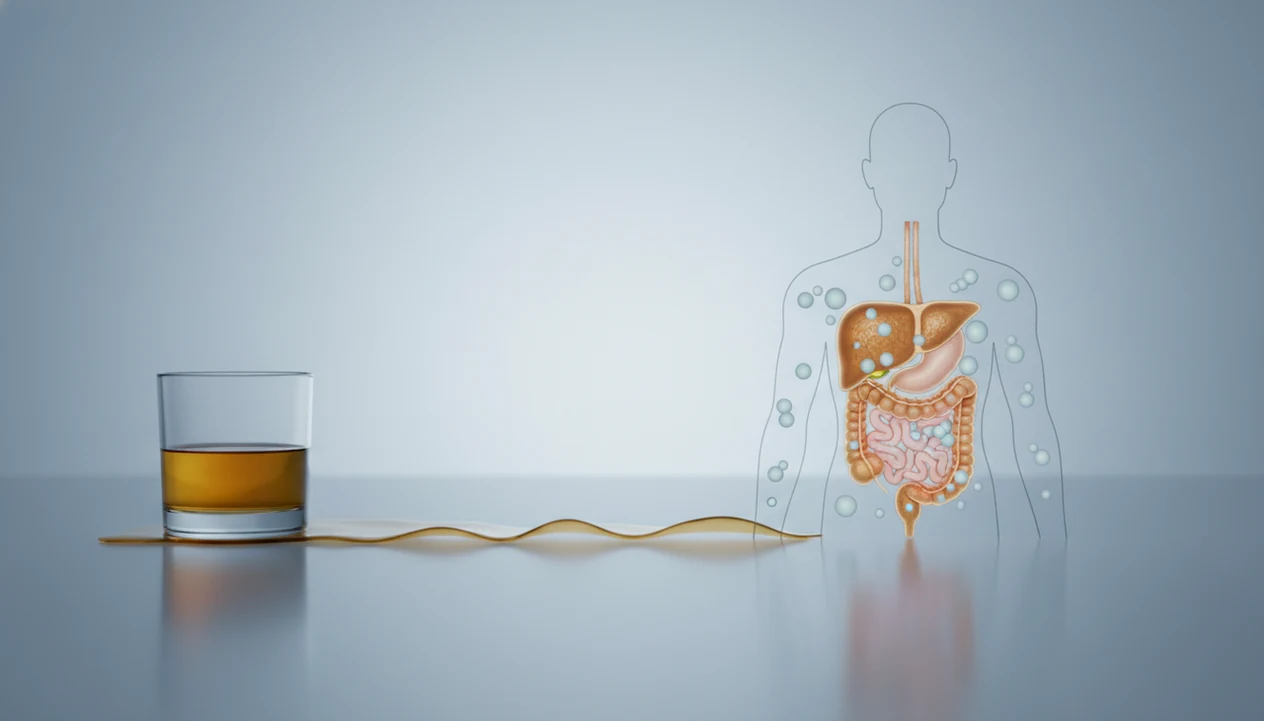
Inflammation after drinking is not always something you can feel. A headache, flushing, reflux, or joint pain may have several causes, while changes in immune signaling can happen without obvious symptoms. The clearest risks appear with binge drinking, frequent heavy use, and alcohol-related liver or gut damage.
Alcohol can also create an awkward combination: louder inflammatory signals but weaker defenses against germs. Understanding that distinction can help you interpret symptoms, discuss blood tests with a clinician, and decide which drinking pattern to change first.
Short answer
Alcohol can cause inflammation by irritating tissues, disrupting the gut barrier, stressing the liver, and changing immune signaling. At the same time, heavy or repeated drinking can weaken white blood cell defenses against infection. Risk depends heavily on dose and pattern. Cutting back may help, but daily heavy drinkers should get medical advice before stopping because withdrawal can be dangerous.
Five ways alcohol can affect inflammation and immunity
- Alcohol is a tissue toxin. It can irritate the gut, liver, lungs, brain, and blood vessels, then trigger inflammatory repair signals.
- Heavy drinking can weaken white blood cell function. That may make infections more frequent, more severe, or slower to clear.
- Alcohol can loosen the gut barrier. Bacterial components such as LPS can move into circulation and push the immune system into a more inflamed state.
- Autoimmune and inflammatory conditions may react badly. Alcohol and autoimmune flare ups are not a guaranteed cause-and-effect pair, but drinking can add stress to an already activated immune system.
- Reducing alcohol can support immune recovery. The most practical first move is fewer heavy episodes, because dose and pattern drive much of the risk.
For more on infection-specific risks, the related guide on alcohol immune infections goes deeper.
Why immune defenses weaken as inflammatory signals rise
Alcohol-related immune inflammation works because the body has to process ethanol as a toxin while also repairing the irritation it causes. As ethanol is broken down, it forms acetaldehyde, a reactive byproduct, and can increase oxidative stress, meaning more unstable molecules that can damage cells and switch on inflammatory signaling.
The gut-liver route is central. Alcohol can make the intestinal barrier leakier, so bacterial fragments such as LPS can reach the bloodstream. The liver then filters that exposure, and liver immune cells respond with cytokines, the chemical messages that tell the immune system to attack, repair, or stand down. This is why alcohol can look contradictory: some defenses become weaker, while inflammatory noise gets louder. Binge pattern, dose, and frequency change the risk because a large fast exposure creates a sharper immune shock, while repeated heavy exposure gives the gut, liver, sleep, and white blood cells less time to reset.
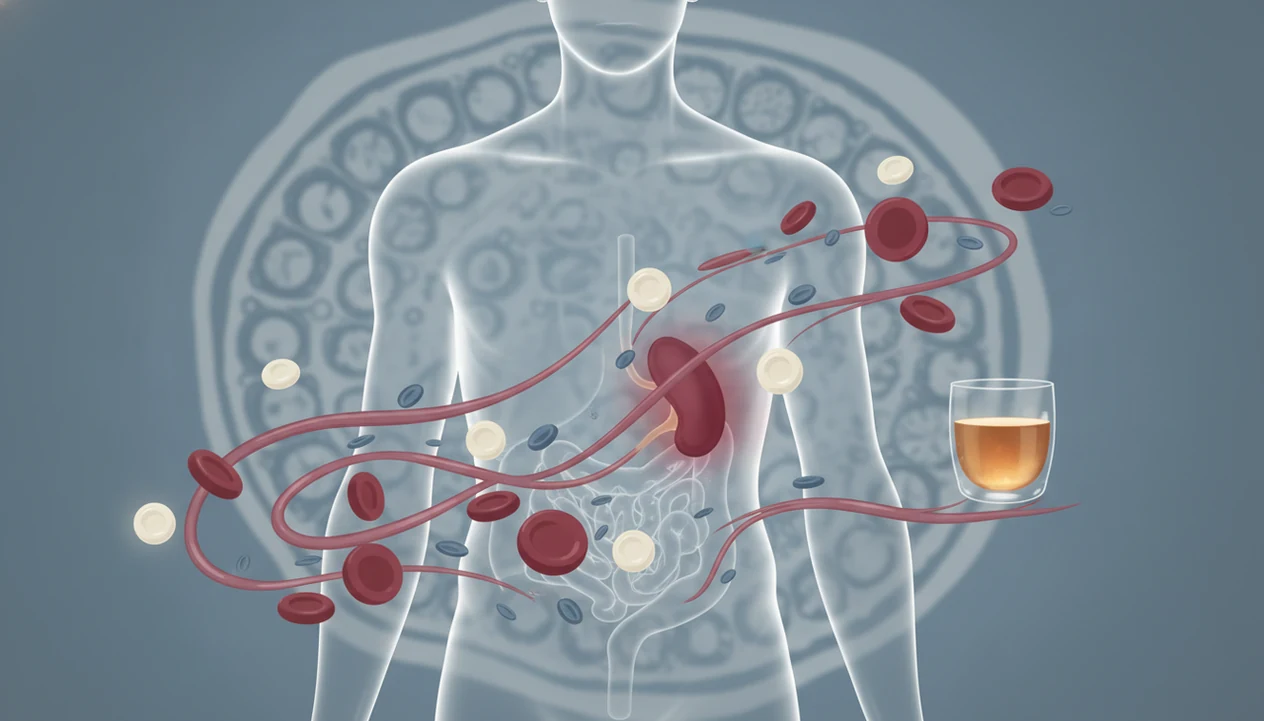
The gut-liver pathway behind alcohol-related inflammation
Alcohol-related inflammation often starts when ethanol irritates tissue, stresses metabolism, and disrupts the gut-liver-immune axis.
Here’s the plain version. Alcohol can weaken the intestinal lining, so bacterial products leak from the gut into the bloodstream. The liver has to filter that signal, and immune cells respond as if there is a threat. Over time, that can keep inflammatory cytokines turned up while infection defense becomes less precise. Reviews of alcohol-related gut barrier injury describe this endotoxin/LPS pathway as a key link between alcohol exposure, liver stress, and systemic inflammation the NIH.
Macrophages and neutrophils are part of this story. They normally help engulf germs, clear damaged cells, and coordinate repair. Heavy alcohol exposure can blunt those jobs, disturb cytokine balance, and slow pathogen clearance. These immune changes can affect infection clearance and tissue repair, not just how your stomach or head feels the next morning.
The same pathway can show up elsewhere: lungs that feel less resilient after a cold, skin that flares, joints that ache, or brain fog after poor sleep. Gut inflammation is covered separately in alcohol intestinal inflammation.
How long can one heavy drinking episode affect immunity?
How quickly can alcohol affect immune defenses after drinking? Immune changes can happen after one binge or heavy drinking episode, not only after years of alcohol use.
Experimental human data found that 5 to 6 drinks in one session can suppress key immune responses for up to 24 hours. In one controlled human study of acute binge drinking, immune activation rose early and then shifted toward reduced monocyte and natural killer cell activity several hours later the NIH. That window matters if you were exposed to a virus, slept poorly, got a cut, or are trying to recover after travel, work stress, or a crowded event.
A hangover is not the same thing as immune suppression. Dry mouth, headache, and nausea are often dehydration, sleep disruption, and acetaldehyde effects. But they can overlap with lower resilience. The morning after a weeknight pour that kept going after laptop shutdown, the “I just need to get through today” feeling may be partly your immune system and sleep debt asking for a quieter night.
See a clinician for repeated infections, unexplained bruising, abnormal blood counts, persistent upper abdominal pain, or worsening autoimmune, liver, or lung symptoms. Call emergency services for severe breathing trouble, blue or gray lips, seizures, hallucinations, severe confusion, uncontrolled bleeding, or serious withdrawal symptoms.
Does alcohol weaken the immune system, and for how long?
Alcohol does not simply switch immunity off. It can reduce some protective responses while increasing inflammatory signals. Innate immunity, the fast response from barriers, neutrophils, macrophages, and chemical alarms, may become less coordinated after heavy intake. Adaptive immunity, which relies on lymphocytes and immune memory, can also be impaired with chronic heavy drinking.
A single heavy session can temporarily alter immune responses. Experimental human findings described in the redirected material found suppression lasting up to 24 hours after roughly 5 to 6 drinks in one session. That does not mean everyone will catch an infection after one night. It means the body may have less reserve when poor sleep, dehydration, virus exposure, a wound, or another stressor occurs at the same time.
If colds, coughs, mouth sores, or skin infections repeatedly appear after heavy drinking weekends, record the timing and drink count for two weeks. Bring that pattern to a clinician rather than assuming alcohol is the only cause.
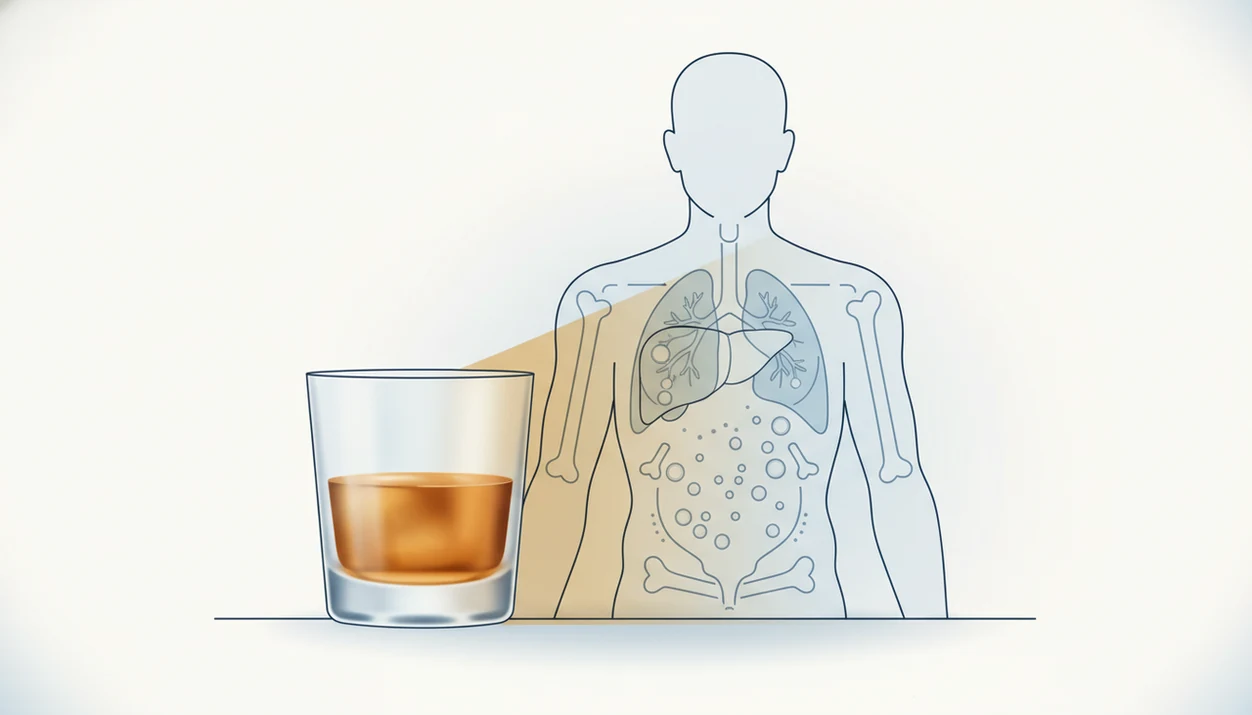
Pneumonia, ARDS, and weakened lung defenses
Alcohol can weaken lung immune defense by impairing airway barriers, immune cell response, antioxidant protection, and pathogen clearance. That matters because the lungs need fast, coordinated defense against viruses, bacteria, smoke, and irritants.
Stat callout: Heavy alcohol use is associated with a 2 to 3 times higher risk of community-acquired pneumonia, and chronic heavy drinkers have 3 to 7 times higher vulnerability to serious pneumonia-related conditions, according to a 2015 review the NIH. U.S. cohort data also found alcohol use disorder was linked with a 2.3-fold higher ARDS risk jamanetwork.
ARDS is not a mild chest cold. ARDS causes severe lung inflammation and fluid buildup that can sharply reduce oxygen transfer. This is especially relevant if you smoke, vape, have asthma or COPD, or are trying to rebuild respiratory resilience after quitting nicotine. The smoke smell on winter gloves is a cue; the lung stress is not just from the cigarette.
How alcohol weakens the immune system and raises infection risk
Alcohol can weaken physical barriers and immune cells that normally stop germs early. Neutrophils may become less effective at reaching and killing microbes, while macrophages may have more trouble swallowing invaders and clearing damaged tissue. Heavy repeated drinking can also disrupt lymphocytes, which support targeted immune responses and immune memory.
This helps explain why inflammation and immune suppression can happen together. A leakier gut and irritated tissues can produce more chemical alarm signals, even as infection-fighting cells become less coordinated. The result is more inflammatory activity without better germ clearance. The CDC lists weakened immunity and a greater likelihood of getting sick among the health effects of excessive alcohol use.
Lung infections are a particular concern because alcohol can impair airway barriers and the immune cells that clear bacteria. Heavy alcohol use has been associated with greater susceptibility to serious pneumonia, while smoking or vaping adds another source of lung stress. Seek prompt care for shortness of breath, chest pain, blue or gray lips, confusion, coughing blood, or a fever with rapidly worsening weakness.
Can alcohol trigger an autoimmune flare?
Can alcohol worsen autoimmune flare ups? Alcohol may worsen inflammatory symptoms in some people by increasing systemic inflammation, disrupting sleep, irritating the gut, and weakening infection defense.
A drink does not automatically cause a flare, but repeated symptom changes after drinking are worth recording and discussing with a clinician. It means alcohol and autoimmune flare ups are worth tracking as a risk pattern, especially when symptoms change after weekends, parties, or repeated “just two” nights that become more. For people taking immune-suppressing medication, infection risk adds another layer.
Alcohol and scleroderma need careful wording. Evidence is limited and not always direct, but alcohol can aggravate reflux, vascular symptoms, liver strain, sleep quality, and medication interactions. Those are already important issues for many people with connective tissue disease or lung involvement.
Ask a clinician for guidance if you have an autoimmune disease, take immune-suppressing medication, have lung involvement or frequent infections, or drink heavily. Don’t white-knuckle a change if withdrawal is possible. Ask first, then plan.
Symptoms, CRP, and patterns worth tracking
Alcohol inflammation symptoms are nonspecific, so they should be treated as clues, not a self-diagnosis. Track patterns over several weeks, then bring concerning changes to a clinician.
- Sleep and energy: poor sleep, early waking, fatigue, and a heavy “not recovered” feeling.
- Gut and skin: reflux, loose stools, bloating, facial flushing, itching, or skin flares.
- Joints and muscles: aches, stiffness, slower workout recovery, or more soreness than expected.
- Respiratory resilience: frequent colds, lingering coughs, sinus symptoms, or slow recovery.
- Lab markers: CRP, or C-reactive protein, is a blood marker of systemic inflammation.
A study of 1,330 adults found higher alcohol intake was significantly associated with higher CRP oup. For self-tracking, log drink count, sleep, cravings, respiratory symptoms, skin or joint symptoms, and alcohol-free streaks. The progress chart checked before sleep can become useful data, not a shame screen.
How alcohol affects the spleen, blood cells, and immune function
The spleen filters aging blood cells, stores immune cells, and helps defend against certain infections. Alcohol-related liver disease can increase pressure in the portal circulation, causing blood to back up into the spleen. An enlarged spleen may then trap platelets and other blood cells, contributing to low counts.
Chronic heavy drinking can also suppress bone marrow, where red blood cells, white blood cells, and platelets are made. Low red cells may contribute to anemia and fatigue. Low white cells can weaken infection defense. Low platelets can make bruising or bleeding more likely. Blood tests are needed because these symptoms have many possible causes, including nutritional deficiencies, medication effects, liver disease, infection, and unrelated blood disorders.
- Arrange medical review for unexplained bruising, frequent infections, persistent fatigue, or abnormal blood counts.
- Seek urgent care for strong pain under the left ribs, especially after an injury or when pain spreads to the left shoulder.
- Get prompt help for vomiting blood, black stools, uncontrolled bleeding, fainting, or severe weakness.
Drink type vs drinking pattern: which matters more?
The “worst alcohol for inflammation” is usually less about the label and more about ethanol dose, speed, and frequency. Beer, wine, spirits, cocktails, and hard seltzers can all contribute because ethanol is the main immune-disrupting substance.
Red wine gets overcredited. Its antioxidants do not cancel out ethanol’s toxic and pro-inflammatory effects. Binge drinking and frequent heavy drinking are generally more concerning than occasional low intake, but there is no single immune-safe alcohol.
| Drinking pattern | Immune and inflammation concern | Lower-friction alternative |
|---|---|---|
| Binge drinking | Higher short-term immune suppression and inflammatory stress | Set a drink limit before the first pour |
| Daily heavy drinking | Greater chronic gut, liver, lung, and immune strain | Add planned alcohol-free days |
| Occasional drinking | Lower risk than heavy patterns, but not risk-free | Keep dose low and avoid drinking when sick |
| Alcohol-free days | Gives sleep, gut, and habit loops a break | Pair with a replacement routine |
| Quitting or reducing | May support immune recovery over time | Use tracking, support, and medical help if needed |
For people comparing tools, a best drink less app guide can help match tracking style to the habit loop.
Check withdrawal risk before cutting back
Before you change your drinking pattern, make sure the plan is safe enough to start. Cutting back is usually helpful, but withdrawal risk, medications, and unclear baselines can turn a good intention into a rough week.
- Check for withdrawal warning signs before reducing. Get medical guidance first if you shake, sweat, feel your heart race, have nausea, panic, insomnia, high blood pressure, confusion, hallucinations, seizures, or need alcohol in the morning to feel steady.
- Ask about medication interactions with a clinician or pharmacist, especially if you take immune-suppressing drugs, sleep aids, pain medicine, antidepressants, anxiety medication, antibiotics, or liver-affecting prescriptions.
- Choose a realistic baseline goal instead of jumping to the strictest version on day one. That might mean avoiding binges, adding two alcohol-free days, or setting a drink limit you can repeat.
- Track the pattern first for one to two weeks. Log drink count, time, sleep, cravings, gut symptoms, skin or joint flares, cough, fatigue, and next-day mood.
- Review what changed before you make the next move. Use the record to find repeatable patterns, not to criticize yourself or diagnose a condition.
Withdrawal timing changes the safest first step
For someone who is physically dependent, abruptly stopping alcohol can be more immediately dangerous than continuing with a medically planned reduction. Possible withdrawal symptoms can begin within 6 to 12 hours after the last drink. They include shaking, sweating, anxiety, nausea, insomnia, and a racing heartbeat. Symptoms are often worst during the first 48 hours and commonly improve over 3 to 7 days, although sleep can take longer to settle.
Contact a clinician before reducing if you drink heavily every day, need a morning drink, feel unwell between drinks, or have had withdrawal before. The NHS alcohol dependence guidance describes warning signs and serious complications. Seizures, hallucinations, severe confusion, or extreme agitation require emergency care.
For adults without physical dependence, the CDC drinking check tool can help establish a baseline. CDC definitions classify binge drinking as generally 5 or more drinks for men or 4 or more for women on one occasion. Avoiding those concentrated episodes is a practical first target.
Six practical steps to reduce alcohol exposure
Reducing alcohol-related inflammation starts with changing the drinking pattern you can actually repeat. A specific plan, such as preventing binges and scheduling alcohol-free days, is usually easier to repeat than relying on a vague promise to drink less.
- Track drinks for two weeks, including time, place, mood, and the next-day body signal.
- Set alcohol-free days before the week starts, not at 6 p.m. when the cue is already loud.
- Replace high-risk routines with a specific action, such as tea after dinner, a walk, or a 10-minute craving timer.
- Hydrate and eat before social events so thirst and hunger do not feel like an alcohol urge.
- Review symptoms like sleep, gut upset, skin flares, joint aches, cough, and fatigue every Sunday.
- Seek medical help before cutting back if you drink heavily, wake needing alcohol, shake, sweat, or have past withdrawal symptoms.
Use it as a cue-and-progress log, not as a diagnosis, detox plan, or substitute for medical care.
Avoid binges, sleep disruption, and misleading conclusions
Problems often arise when people save their weekly drinks for one night, replace alcohol with another sleep-disrupting habit, or assume a symptom log proves a diagnosis. A safer plan protects sleep, spreads risk down rather than sideways, and gets medical support when withdrawal is possible.
- Protect sleep instead of replacing alcohol with late-night sugar, scrolling, or a second dinner that keeps reflux and poor recovery going. A quieter bedtime routine is part of the inflammation plan.
- Avoid banking drinks for one “allowed” night. Saving up can turn a lower-drink week into a binge episode, which may hit sleep, gut symptoms, and immune resilience harder than expected.
- Call for help before cutting down if you may withdraw. Shaking, sweating, panic, nausea, racing heart, confusion, seizures, or needing alcohol to feel normal are not willpower problems.
- Treat CRP as context rather than proof. A blood marker can move for many reasons, including infection, injury, autoimmune activity, weight change, and medication.
- Reset after slips instead of quitting the plan. Log what happened, adjust the cue or limit, and make the next alcohol-free block easier to start.
Alcohol, inflammation, and immunity questions
Does alcohol cause inflammation in the body?
Yes, especially with binge or repeated heavy drinking. Alcohol can irritate tissues, increase oxidative stress, weaken the intestinal barrier, and activate inflammatory signaling in the gut and liver. These effects can extend beyond the digestive system. One symptom cannot confirm inflammation, and some biological inflammation causes no obvious symptoms.
Does alcohol weaken the immune system?
Heavy or excessive alcohol use can weaken barriers and immune cells involved in infection defense. It may impair neutrophils, macrophages, lymphocytes, and tissue repair while increasing less useful inflammatory activity. This does not mean every drink causes a noticeable immune problem, but repeated heavy exposure raises concern.
How long can alcohol affect immunity after drinking?
Immune changes can occur after one heavy episode and may last up to 24 hours in experimental findings involving roughly 5 to 6 drinks. The exact duration varies with dose, drinking speed, sleep, nutrition, health conditions, and repeated exposure. Chronic heavy drinking can produce longer-lasting problems.
Can alcohol make autoimmune symptoms worse?
Alcohol may aggravate symptoms for some people through sleep disruption, gut irritation, reflux, medication interactions, infection risk, and inflammatory signaling. It does not cause a flare every time, and responses vary by condition. Track drinks and symptoms, then ask the clinician managing the autoimmune disease to review the pattern.
Does drinking increase the risk of pneumonia?
Heavy alcohol use is associated with weaker airway defenses and a higher risk of serious respiratory infection, including pneumonia. Alcohol can impair lung barriers and the immune cells that clear bacteria. Smoking, vaping, asthma, COPD, immune-suppressing medication, and poor nutrition may add further risk.
Which alcohol is least inflammatory?
No alcoholic drink is reliably inflammation-free. Ethanol dose, drinking speed, frequency, and binge patterns generally matter more than choosing beer, wine, spirits, or hard seltzer. Red wine contains plant compounds, but they do not cancel alcohol's risks. Lower total intake and fewer heavy episodes reduce exposure.
Will inflammation go down after quitting alcohol?
Reducing or stopping alcohol may improve sleep, gut symptoms, liver stress, and immune resilience, but there is no single timeline. Symptoms and blood markers can have other causes. Heavy daily drinkers should not stop suddenly without medical advice because withdrawal can begin within hours and may become dangerous.
Can alcohol cause low white blood cells or platelets?
Chronic heavy drinking can suppress bone marrow and contribute to low white blood cells, red blood cells, or platelets. Liver disease and an enlarged spleen can also lower counts by trapping blood cells. A blood test and medical assessment are needed because medication, infection, nutrition, and blood disorders can cause similar changes.