
Can Alcohol Cause Joint Inflammation or Make Pain Worse?
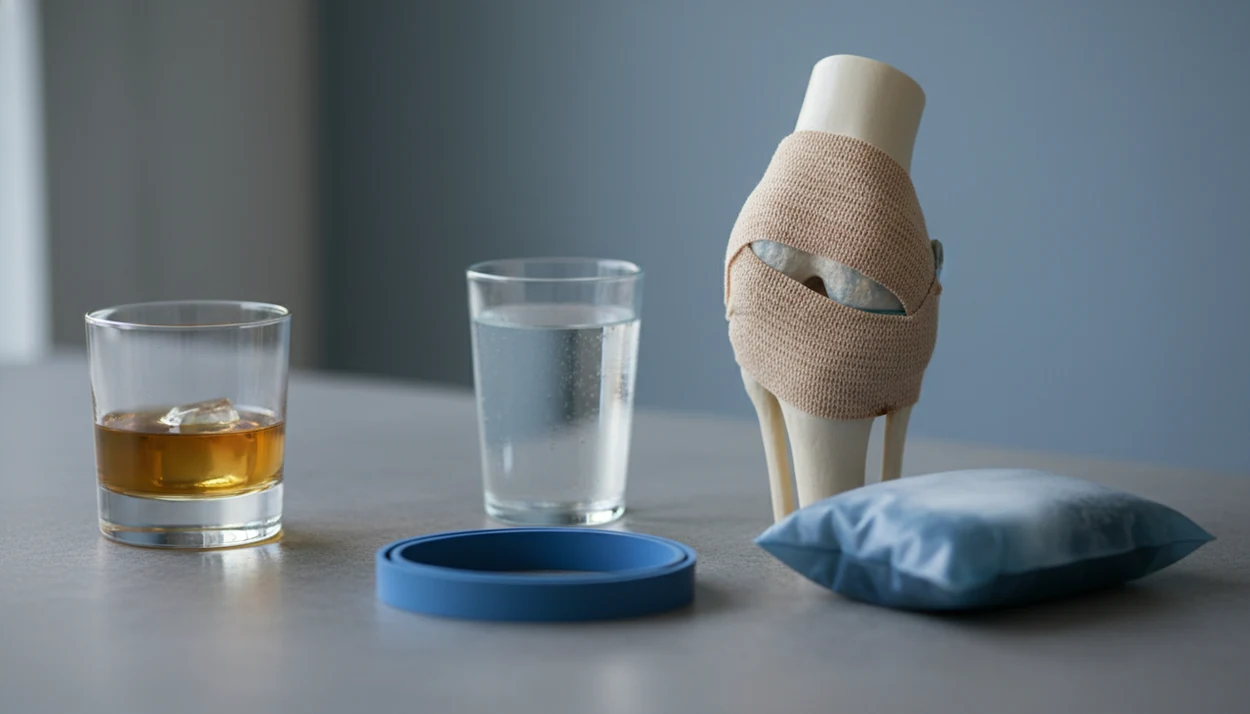
A sore knee after drinks, stiff hands the next morning, or a tendon flare during recovery can make alcohol look like the obvious cause. Sometimes it contributes, but joint and tendon pain also reflects training load, sleep, posture, medications, arthritis, gout, infection, and past injuries.
The most useful approach is to look for a repeated pattern while keeping up appropriate treatment. A drink and symptom log can clarify that pattern, but it cannot identify the cause of a hot, swollen joint or persistent pain.
Short answer
Alcohol does not directly cause every type of joint inflammation, but it can worsen pain and recovery through poor sleep, dehydration, and heavier inflammatory stress. The connection is clearest with gout, where alcohol can raise uric acid and trigger attacks. Alcohol may also hinder tendon healing, although direct human evidence remains limited.
Five Limits of the Alcohol and Joint Pain Connection
- Alcohol usually worsens symptoms or healing risk; it does not diagnose tendonitis, arthritis, or sacroiliitis by itself.
- In a rat tendon injury model, ethanol-treated tendons failed at 31.6 ± 8.8 N versus 39.7 ± 8.2 N in controls, showing weaker repaired tissue after alcohol exposure the NIH.
- The same study found delayed and abnormal tendon healing, including disorganized collagen bundles and abnormal tenocyte morphology after three weeks.
- Heavy or frequent drinking is more concerning than occasional light drinking, especially during the early repair window after a strain, sprain, or tendon flare.
- Pain relief after drinking does not prove tissue recovery. Alcohol can dull signals while the tendon or joint is still irritated.
That last point matters after a workout. A looser shoulder at 10 p.m. can still feel angry on the stairs the next morning.
How Drinking May Interfere With Tendon Repair
Alcohol and tendonitis healing interact because tendon repair depends on controlled inflammation, collagen remodeling, and gradual strengthening over time. Tendons do not heal like a simple scratch; they rebuild load-bearing fibers in stages.
Early inflammation clears damage. Later, collagen fibers organize and become stronger through careful loading. Alcohol may interfere with normal inflammatory signaling, oxidative stress balance, sleep quality, hydration, and protein repair pathways; NIAAA notes that alcohol can disrupt sleep architecture even when it initially feels sedating NIAAA alcohol data. Dehydration may add to stiffness or soreness, but it cannot account for every effect alcohol has on recovery. It is one piece, not the full mechanism.
Symptom numbing is different from tissue repair. If a drink makes an aching elbow feel quieter, that may be pain perception changing, not collagen suddenly knitting together. Persistent or worsening tendon pain usually calls for reduced aggravating activity, gradual rehabilitation, and an assessment of the injury.
For tendonitis recovery, reducing alcohol is often safer than “testing” pain during drinking because alcohol can blur the body’s warning signals.
Does Alcohol Make Tendonitis Worse or Slow Tendon Healing?
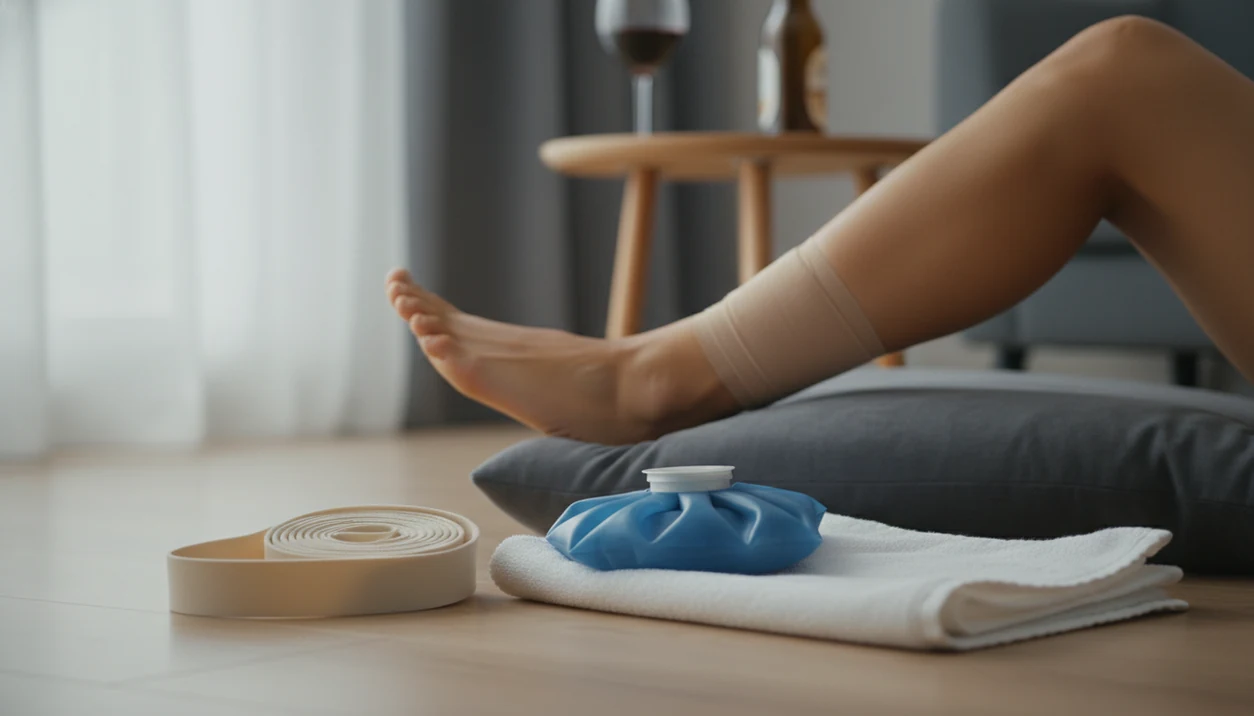
Tendon healing moves through inflammation, collagen production, remodeling, and gradual adaptation to load. Alcohol may interfere with several systems involved in that process, including immune coordination, oxidative stress, sleep, hydration, hormone signaling, and nutrient use. It can also dull pain temporarily, making an irritated tendon feel ready for more work before it is.
In a rat Achilles tendon injury study, ethanol-exposed tendons had about a 20% lower maximum failure load after three weeks. They failed at 31.6 ± 8.8 N, compared with 39.7 ± 8.2 N in controls, and showed disorganized collagen and abnormal tendon-cell appearance. This is direct tendon evidence, but it comes from animals. Human research has not established a precise drink limit or recovery delay for tendonitis.
| Factor | Why it matters | Practical response |
|---|---|---|
| Sudden overloading | Adds force before healing tissue has adapted | Increase training or rehabilitation gradually |
| Poor sleep | Can reduce pain tolerance and recovery quality | Keep a consistent bedtime and avoid late drinking |
| Dehydration | May add to stiffness and fatigue | Drink fluids regularly, especially after exercise |
| Low protein intake | Limits building materials used in repair | Include a protein source with meals |
Drinking after a tendon injury is not automatically dangerous, but avoiding alcohol during a new flare or early recovery removes one possible obstacle. Keep clinician-approved loading in place, and do not mix alcohol with pain medicines without checking the label or asking a pharmacist. Heavy daily drinkers should get medical advice before making a sudden reduction because alcohol withdrawal can be dangerous.
Is Alcohol Behind the Flare, or Is Something Else Going On?
“Is alcohol making my joint, tendon, or sacroiliac pain worse?” The useful answer starts with patterns, not one rough morning.
Common clues include joint stiffness after drinking, a tendon flare after workouts, lower back or pelvic joint irritation, and poor sleep after alcohol. Some people notice hand joint pain after drinking. Others feel a tight band across the low back after sitting at a bar table too long.
Sacroiliitis has many possible causes, including inflammatory arthritis, infection, pregnancy-related changes, injury, and mechanical back pain. Alcohol is not a stand-alone diagnosis. Track drinking quantity, sleep, workouts, pain location, and next-day stiffness before assuming cause.
Get urgent medical evaluation for severe pain, visible swelling, fever, trauma, new numbness, weakness, bowel or bladder changes, or inability to bear weight. The same caution applies if pain feels unusual for your body.
Get urgent care for a hot swollen joint, fever, major swelling, trauma, inability to bear weight, new weakness or numbness, bowel or bladder changes, or saddle numbness. If you drink heavily or daily, ask a clinician for help before stopping suddenly because withdrawal can cause seizures or delirium.
Build a Two-Week Drink and Pain Record
Start with a two-week trigger map before deciding alcohol is the whole problem. Log drinks, timing, type of alcohol, hydration, sleep, exercise, pain location, and next-day stiffness.
Use a 0 to 10 pain score. Add tendon-specific triggers such as running, lifting, gripping, stairs, typing, or overhead work. A single bad day can come from many things. Repeated next-day flares after drinking are more useful.
Good.
A simple entry might read: “Two beers, late dinner, six hours sleep, Achilles 6/10 on stairs.” That is better than guessing. If you are also cutting back, the broader alcohol reduction guides can help you separate cravings, social cues, and body symptoms.
It can support private pattern tracking, but it does not diagnose joint or tendon conditions.
Try a 2 to 4 Week Reduction During Recovery
A temporary alcohol-free or reduced-alcohol period is a practical experiment during acute tendonitis, sprains, strains, or post-workout flares. It lowers one possible barrier while the tissue is trying to repair.
- Choose a recovery window of 2 to 4 weeks, especially after a new flare.
- Set a drink limit or dry-day plan before the first craving hits.
- Keep rehab steady with clinician-approved loading, not sudden hard training.
- Prioritize sleep, protein, and hydration because healing needs raw materials and rest.
- Compare pain scores weekly instead of judging one night.
The phrase alcohol slows tendon healing is most useful as a caution, not a verdict. Cutting back may support collagen remodeling and better sleep, but it will not cure tendonitis by itself. Tendons still need progressive loading, time, and sometimes professional assessment.
Protect Sleep, Hydration, and Next-Day Movement
If you are not ready to abstain, reduce harm around the repair window. Avoid alcohol close to bedtime during injury recovery because sleep quality supports tissue repair, pain regulation, and rehab consistency.
Alternate alcoholic drinks with nonalcoholic ones. Eat a protein-containing meal before or with alcohol. Skip heavy lifting, long runs, or aggressive stretching the day after drinking, especially if the tendon already feels warm or touchy.
Hydration helps symptoms, but it does not erase alcohol’s repair effects. A water bottle on the nightstand is useful; it is not a reset button.
Binge drinking deserves special attention. In the United States, about 1 in 6 adults binge drink about four times per month on average, according to the CDC CDC alcohol data. Heavier intake is more likely to disrupt sleep, decisions, and recovery routines.
Alcohol vs Other Causes of Joint and Tendon Flares
Alcohol can be one trigger among several, so compare it against the usual suspects before blaming every ache on one drink. Searches like knee pain alcohol gout, hand joint pain after drinking, and joint stiffness often overlap with other causes.
| Trigger | Pattern to notice | What to do next |
|---|---|---|
| Alcohol | Next-day stiffness, poor sleep, flare after heavier intake | Cut back and track for 2 to 4 weeks |
| Overuse | Pain after running, lifting, gripping, stairs | Reduce load and rebuild gradually |
| Poor sleep | Higher pain sensitivity, slower recovery | Protect bedtime and wake time |
| Inflammatory arthritis | Morning stiffness, multiple joints, recurring swelling | Seek medical evaluation |
| Gout | Sudden hot, swollen joint, often big toe or knee | Get medical care |
| Injury | Sharp pain after twist, fall, or impact | Assess promptly |
| Infection red flags | Fever, severe swelling, warmth, feeling ill | Urgent care |
Wine, beer, and spirits can all be involved depending on quantity, sleep disruption, and personal triggers. The “worst alcohol for inflammation” is often the pattern that leads to heavier intake, poor sleep, or binge drinking.
Gout Is the Clearest Alcohol-Related Joint Risk
The strongest human evidence linking alcohol with joint inflammation concerns gout. Gout occurs when urate crystals trigger sudden inflammation, commonly in the big toe, ankle, or knee. A systematic review of alcohol and incident gout found increased risk with alcohol consumption, particularly beer and spirits.
Short-term intake can matter as well as long-term habits. In a study of people with gout, more than 1 to 2 drinks during the previous 24 hours was associated with 36% higher odds of another attack compared with no alcohol. More than 2 to 4 drinks was associated with 51% higher odds. The study found increased flare risk across beer, wine, and spirits, so wine is not a dependable workaround when alcohol triggers attacks. See the recurrent gout attack study for the full findings.
- Track the number of drinks and the time consumed, not just the beverage type.
- Record sudden warmth, swelling, redness, and pain along with medications and hydration.
- Discuss repeated attacks with a clinician because reducing alcohol does not replace urate-lowering treatment when that treatment is indicated.
The CDC guidance on gout advises limiting alcohol, especially beer and hard liquor. A suddenly hot, swollen, very painful joint needs prompt assessment because joint infection can resemble gout.
Make Cutting Back Easier While Pain Settles
Behavior-change tools can help you make the next choice easier while pain settles. They are support tools, not clinical diagnosis or medical treatment.
- Set a short recovery goal such as 14 dry days or no alcohol after 8 p.m.
- Log drinks and pain with time, amount, sleep, and a 0 to 10 symptom score.
- Replace high-risk drinking moments with a specific action, like club soda with lime after work.
- Review streaks weekly, including dry days and easier rehab sessions.
- Reset after slips by writing the trigger, not by starting a shame spiral.
A paper log, calendar note, or basic drink tracker is enough if you record entries consistently. For a medical-sensitive symptom experiment, the useful features are private drink tracking, craving notes, dry-day streaks, and reset prompts, not a promise to diagnose tendonitis, sacroiliitis, or arthritis.
If you want app options for alcohol limits, the best drink less app guide compares practical tracking approaches.
Check Withdrawal Risk Before a Sudden Cut
People who drink heavily or regularly should not abruptly stop without medical advice. Alcohol withdrawal can begin within hours and may include shaking, sweating, anxiety, nausea, insomnia, a fast pulse, or rising blood pressure. Seizures can occur during the first 6 to 48 hours, while delirium tremens often develops around 48 to 72 hours. These ranges are not instructions for home detox.
Risk is higher with prior withdrawal, seizures, delirium, very heavy daily drinking, serious illness, or concurrent sedative use. The NIAAA clinical resource on alcohol withdrawal and treatment advises medical assessment because severe withdrawal can be life-threatening. Withdrawal management may take days, but ongoing alcohol treatment often continues for months or longer.
Mistakes That Can Turn a Small Flare Into a Bigger One
The first mistake is treating alcohol-related relaxation as healing. A looser back after two drinks may simply mean the alarm got quieter.
Another mistake is training hard when alcohol has blunted pain signals. That can turn a mild tendon warning into a bigger flare, especially with hill running, heavy gripping, or deep squats. Restless legs after a late night can make the next workout feel clumsy before pain even starts.
Alcohol and sacroiliitis symptoms may overlap with mechanical back pain, inflammatory arthritis, infection, or nerve issues. Do not assume one drink caused all pain. Also do not assume alcohol has no musculoskeletal effects.
For persistent, worsening, or unexplained symptoms, get medical evaluation. The same goes for recurring pelvic pain, night pain, fever, swelling, or nerve symptoms. Alcohol reduction can be a smart support step, but diagnosis belongs with a qualified clinician.
When Joint, Tendon, or Back Pain Needs Medical Care
Seek medical care when pain is severe, new, worsening, unexplained, or paired with red flags. Alcohol tracking can show patterns, but it cannot diagnose arthritis, gout, infection, nerve compression, or a tendon injury.
- Get urgent help for fever, a hot swollen joint, major swelling, trauma, inability to bear weight, or pain that feels sharply different from your usual flare.
- Seek emergency care for new bowel or bladder changes, saddle numbness, progressive weakness, or significant numbness in the leg, foot, arm, or hand.
- Book evaluation when tendon pain lasts more than a couple of weeks, keeps returning with normal activity, or blocks rehab progression; sports medicine, physical therapy, or another qualified clinician can assess loading, strength, and movement.
- Separate tracking from diagnosis by bringing your drink log, sleep notes, and pain scores to the visit without assuming alcohol is the only cause.
- Discuss medications and alcohol if you use anti-inflammatories, pain medicines, sleep aids, blood thinners, or other prescriptions. Heavy drinkers should ask about a safer reduction plan, because abrupt stopping can be risky for some people.
Signs That Drinking Less May Be Helping
Judge the experiment over 2 to 4 weeks, not one morning. Look for lower morning stiffness, fewer flares, better sleep, easier rehab progression, and lower pain scores during normal activity.
A useful sign might be climbing stairs without the usual Achilles pinch, or waking with less low-back stiffness after several dry nights. Improvement after cutting back supports alcohol as one contributing factor. It does not prove alcohol was the only cause.
Keep standard rehab or clinician guidance in place for tendonitis, sacroiliitis, arthritis, or back pain. Tendon overuse usually improves through gradual load adjustments, adequate recovery, and close attention to symptoms.
Excessive alcohol also carries a broader health burden: the CDC estimates excessive alcohol use caused about 178,000 deaths per year in the United States during 2020-2021 CDC alcohol data, and a CDC study estimated a $249 billion U.S. economic cost in 2010 CDC alcohol data. Related body-wide effects are covered in alcohol immunity cancer.
Alcohol, Inflammation, and Joint Pain Questions
Can alcohol cause joint inflammation?
Alcohol is not proven to cause every form of joint inflammation. Its clearest connection is with gout, where drinking can raise uric acid and trigger an attack. Alcohol may also worsen sleep, hydration, pain sensitivity, and recovery, making existing arthritis, tendon pain, or back symptoms feel worse.
Why do my joints hurt the day after drinking?
Possible contributors include disrupted sleep, dehydration, reduced pain tolerance, gout, and activity done while alcohol was dulling discomfort. Sitting for hours or exercising before drinking may also matter. Track drink amounts, sleep, activity, and pain for two weeks. Repeated swelling or severe pain needs medical assessment.
Does alcohol make tendonitis worse?
It may aggravate tendonitis by disrupting sleep, hydration, pain judgment, and repair processes. Animal research found weaker tendon healing after ethanol exposure, but direct human dose-response evidence is limited. Avoiding alcohol during a new flare is a reasonable precaution, alongside gradual rehabilitation and appropriate load management.
Can I drink alcohol while recovering from a tendon injury?
No universal safe amount has been established for tendon recovery. An alcohol-free period during the early flare or repair phase removes a possible obstacle and may improve sleep. Also check for interactions with pain medicines. Heavy daily drinkers should seek medical guidance before stopping suddenly.
Is wine less likely than beer to trigger gout?
Beer has shown a particularly strong association with gout in some studies, but wine is not reliably safe. Research on recurrent attacks has found increased risk with beer, wine, and spirits. If gout flares follow drinking, total alcohol exposure may matter more than switching beverage types.
How long can joint pain after drinking last?
There is no fixed timeline because the cause matters. Mild stiffness related to poor sleep or dehydration may settle within a day or two. A gout flare or injured tendon can last longer and may require treatment. Seek care for a hot swollen joint, fever, severe pain, or inability to bear weight.
How can I tell if cutting back is helping my joint pain?
Compare two to four weeks of drink amounts, sleep, activity, morning stiffness, and pain scores. Look for fewer flares, easier stairs, better sleep, or steadier rehabilitation. Improvement suggests alcohol was one contributor, but it does not rule out arthritis, gout, injury, or another medical cause.
Should I stop drinking suddenly if alcohol worsens my pain?
A short alcohol-free trial may be reasonable for people without withdrawal risk. If you drink heavily, drink daily, or have had shaking, seizures, hallucinations, or severe withdrawal before, do not stop abruptly without medical advice. Withdrawal can begin within hours and may become life-threatening.