
How Alcohol Increases Heart Disease Risk
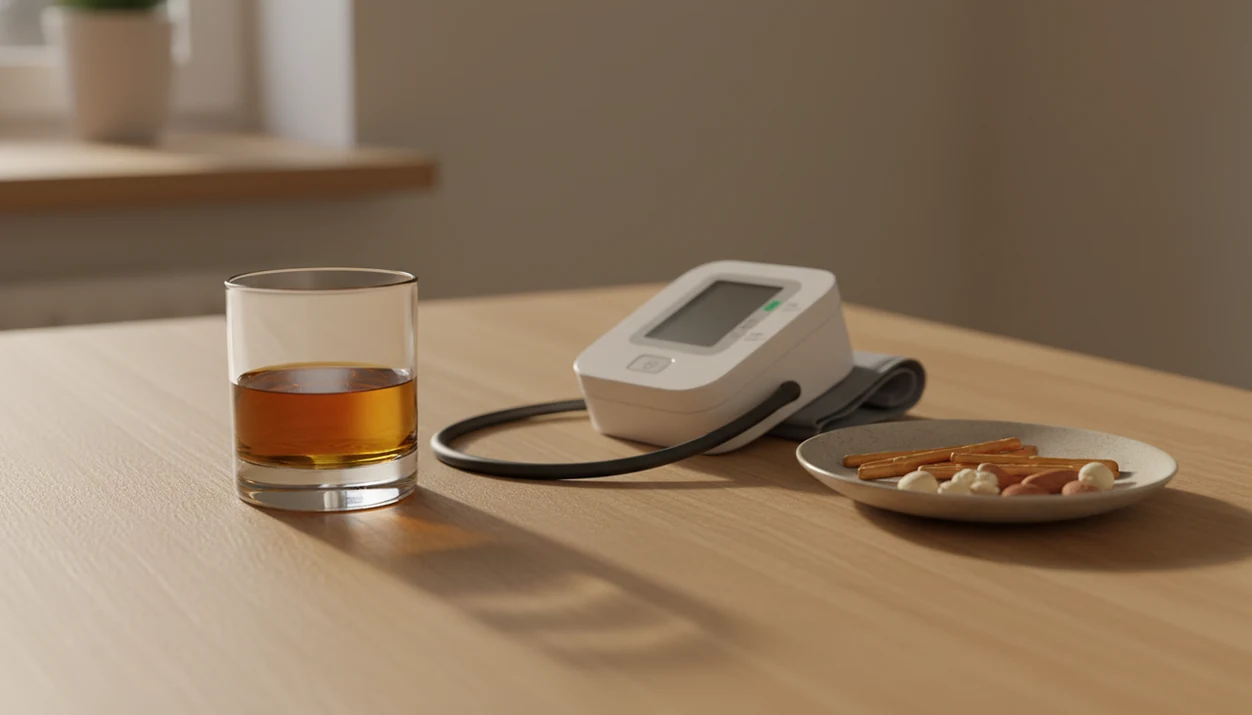
Alcohol and heart disease risk are connected through higher blood pressure, higher triglycerides, abnormal heart rhythms, and damage to the heart muscle over time. The clearest harm is seen with heavy or long-term drinking, but newer heart-health guidance questions whether any amount of alcohol is truly protective.
> Definition: Alcohol and heart disease risk describes the ways drinking can strain blood vessels, blood fats, heart rhythm, and heart muscle, increasing the chance of heart attack, stroke, cardiomyopathy, and heart failure.
TL;DR
- Heavy alcohol use is strongly linked to high blood pressure, high triglycerides, arrhythmias, alcoholic cardiomyopathy, and congestive heart failure risk.
- Older studies suggested light drinking might look heart-protective, but much of that evidence is observational and newer guidance is more cautious.
- Cutting back or quitting alcohol can support better blood pressure, healthier triglycerides, and lower long-term cardiovascular strain, especially when paired with quitting smoking.
Alcohol and heart disease risk at a glance
Quick answer: Alcohol may increase heart disease risk by raising blood pressure, increasing triglycerides, triggering abnormal rhythms, and weakening heart muscle over time. For many people, drinking less is a practical way to lower strain on the cardiovascular system, especially if they binge drink or already have risk factors.
Key takeaways
- Heavy or repeated drinking often raises cardiovascular risk more than occasional low intake.
- Blood pressure and triglycerides may improve when alcohol intake is reduced.
- Palpitations, chest pain, fainting, or shortness of breath after drinking need medical attention.
- Binge drinking can stress the heart even if weekly totals seem moderate.
- People with heart disease, pregnancy, liver disease, or certain medications may be advised to avoid alcohol.
- If you drink heavily every day, ask a clinician before stopping suddenly because withdrawal can be dangerous.
Alcohol can raise heart disease risk before a person notices chest pain, breathlessness, or a dramatic warning sign. The main pathways are higher blood pressure, higher triglycerides, rhythm instability, and alcohol heart muscle damage.
The CDC estimates that excessive alcohol use caused about 178,000 deaths per year in the United States in 2020–2021 and shortened lives by an average of 24 years (CDC alcohol data). That statistic matters because early heart strain often feels ordinary. A person may only notice a racing pulse after a party, a higher home blood pressure reading, or poor sleep after drinks.
The patio table with an ashtray and pint is a real risk setting, not just a habit scene.
Tools like Me Quit can give adults private support for drinking less by logging drinks, cravings, streaks, and milestones. It is behavior support, not a heart diagnosis.
Five alcohol heart disease facts people should know
- Heavy drinking can cause alcoholic cardiomyopathy, abnormal heart rhythms, and higher alcohol congestive heart failure risk.
- Too much alcohol raises blood pressure and triglyceride levels, both of which increase cardiovascular risk, per CDC public-health guidance.
- Long-term heavy drinking can make the heart larger, weaker, and less efficient at pumping blood.
- Light drinking benefits remain uncertain because many studies are observational and may reflect healthier lifestyles rather than alcohol itself.
- Cutting back can improve cardiovascular risk factors, especially when paired with stopping smoking, better sleep, healthier nutrition, and regular clinical follow-up.
The available evidence is clearest at the heavy-use end of the range. A half-poured wine glass on the counter may look minor, but repeated “extra” drinks add up in blood pressure, sleep, and calorie patterns. For people comparing heart outcomes, alcohol and heart attack risk is closely related but not identical to heart failure risk.
How alcohol heart damage works in blood vessels and heart muscle
Alcohol-related heart damage works through vascular stress, altered fat metabolism, rhythm instability, and direct injury to heart muscle cells. In plain language, alcohol can affect the pipes, the blood fats, the wiring, and the pump.
Alcohol can activate stress pathways and change vascular tone, which means blood vessels may constrict or respond less normally. Over time, that can contribute to higher blood pressure. Alcohol also changes how the liver processes fat, which can increase triglycerides circulating in the blood.
Repeated heavy exposure can weaken and enlarge the heart muscle. That reduces pumping efficiency and can eventually contribute to cardiomyopathy or heart failure. Rhythm instability may show up as palpitations, skipped beats, or atrial fibrillation risk, especially after heavy episodes.
The bathroom mirror check after a pounding heartbeat is familiar to many people. It is also a reason to take symptoms seriously.
Alcohol high triglycerides and blood pressure effects
Does alcohol raise triglycerides and blood pressure? Yes. Triglycerides are a type of blood fat, and elevated levels are associated with higher cardiovascular risk, especially when they occur with other metabolic risk factors.
The CDC lists high blood pressure, heart disease, stroke, and liver disease among the long-term health risks of excessive alcohol use (CDC alcohol data), and the American Heart Association notes that alcohol can raise triglycerides in some people (heart). These changes may not require daily intoxication. A person can feel “functional” and still see readings drift upward across months.
High triglycerides often cluster with insulin resistance, weight gain, poor sleep, and diet patterns that include late meals or high-sugar mixers. Alcohol can sit in the middle of that cluster. For alcohol high triglycerides, the most common measurable warning signs are lab results and blood pressure readings, not how drunk someone feels.
A brunch menu with bottomless mimosas can become a weekly cardiovascular pattern.
Alcohol heart muscle damage and alcoholic cardiomyopathy
Alcoholic cardiomyopathy is alcohol-related weakening and enlargement of the heart muscle. It matters because a weaker, stretched heart may struggle to pump enough blood for the body’s needs.
Symptoms may appear late. They can include breathlessness, fatigue, swelling in the legs or abdomen, palpitations, or reduced exercise tolerance. Some people first notice that stairs feel harder, or that lying flat makes breathing uncomfortable. That is not something an app should interpret.
Early reduction or quitting may allow partial improvement in some cases, especially before advanced structural damage develops. However, some long-term alcohol heart muscle damage can become irreversible. Medical evaluation is important for chest pain, fainting, severe shortness of breath, new swelling, or sudden changes in exercise capacity.
The full mechanism is covered further in alcohol heart muscle damage. Clinicians typically recommend symptom assessment, risk-factor review, and appropriate testing rather than guessing from drinking history alone.
When to seek medical help for alcohol-related heart symptoms
Seek urgent medical help if alcohol-related symptoms include chest pain, fainting, severe breathlessness, or sudden weakness. These can signal a heart attack, rhythm problem, stroke warning, or heart failure flare and should not be watched from home.
Less dramatic changes still deserve attention. New leg or belly swelling, frequent palpitations, needing more breaks on stairs, or a clear drop in exercise tolerance are reasons to book a clinical appointment, especially if they repeat after drinking or appear alongside higher blood pressure readings.
- Call emergency services for chest pain, collapse, severe shortness of breath, sudden weakness, or symptoms that feel rapidly worse.
- Book a clinician visit for swelling, fluttering or racing heartbeat, unusual fatigue, or exercise limits that are new or progressing.
- Discuss alcohol changes before stopping suddenly if you may be dependent, have withdrawal symptoms, or drink heavily every day.
- Bring tracking records such as drinks, pulse notes, blood pressure readings, and symptom timing, but treat them as appointment clues, not a diagnosis.
A log can make the conversation clearer. It cannot rule in or rule out heart disease.
Alcohol heart aging, arrhythmias, and weekend binge drinking
Alcohol heart aging is a practical phrase for a heart becoming stiffer, larger, weaker, or less rhythm-stable over time. Weekend-only drinking can still strain the heart if the episodes are heavy.
Binge drinking can spike blood pressure and trigger palpitations or rhythm disturbances, even in people who do not drink daily. Some people describe it as a fluttering chest the morning after. Others notice a fast pulse during the night, especially after dehydration or poor sleep.
Weekend-only does not mean harmless.
Smoking, poor sleep, dehydration, and stimulant use can make palpitations after alcohol more likely or more concerning. A cigarette urge after the first beer is not just a nicotine issue; it can stack two cardiovascular stressors in the same hour. For many adults, understanding why alcohol habits are hard to break helps explain why “only weekends” can still become a repeating risk loop.
Alcohol congestive heart failure risk and the wine myth
Older alcohol-heart research often used a J-shaped curve: some observational studies found lower risk among light or moderate drinkers than abstainers, while higher intake increased risk. Newer public-health guidance is more cautious because observational studies cannot prove alcohol caused the lower risk.
| Claim | What the evidence suggests | Practical takeaway |
|---|---|---|
| Light drinking protects the heart | An American Heart Association scientific statement reported that up to 1 drink per day for women and up to 2 for men was associated with 14 to 25% lower coronary artery disease risk in older observational studies (ahajournals). Risk rises beyond 7 drinks per week. | Association is not proof of protection. |
| Moderate alcohol lowers heart failure risk | A systematic review reported that 7 to 13 drinks per week was associated with 34% lower heart failure risk in one large cohort, while heavy drinking clearly increased risk. | The heavy-drinking signal is more consistent. |
| Red wine cancels risk | The World Heart Federation states that no amount of alcohol is good for the heart (world heart federation alcohol data). | Wine does not cancel smoking, high cholesterol, high blood pressure, or heavy drinking. |
For someone with multiple risk factors, cutting alcohol exposure is often safer than relying on possible wine benefits because the protective evidence is uncertain and indirect.
Practical ways to reduce alcohol heart disease risk
Reducing alcohol heart disease risk starts with measuring the pattern before judging it. Track drinks honestly for one to two weeks, including time, trigger, amount, and what happened next.
- Drink log: Record each drink, the setting, and whether it followed stress, social pressure, or habit.
- Alcohol-free days: Set specific dry days and mark them on a calendar, not just “drink less.”
- Binge guardrails: Avoid saving drinks for one heavy night; spread-out goals can still fail if the weekend dose is high.
- Cue removal: Move bottles, mixers, and default glassware out of the easiest reach.
- Clinical checks: Ask a qualified clinician about blood pressure, lipid panels, palpitations, swelling, or breathlessness.
Me Quit supports private drink logging, craving notes, streaks, and reset plans for adults trying to cut down. It is behavior support, not detox care, a diagnosis tool, or emergency support.
For self-guided planning, the alcohol reduction guides can pair well with blood pressure checks and smoking cessation support.
Limitations
Alcohol-heart evidence has important limits, especially around low-level drinking and individual risk.
- There is no universally safe drinking level for every person because genetics, medications, blood pressure, pregnancy status, and existing heart conditions change risk.
- This page is educational and does not diagnose chest pain, palpitations, heart failure, or alcohol use disorder.
- A mild hangover after two extra drinks is not the same as alcohol withdrawal symptoms that need medical attention.
If symptoms are new, severe, or worsening, professional assessment matters more than any tracking record. Bring the numbers, but do not self-diagnose from them.
FAQ
Can alcohol cause heart disease?
Yes. Alcohol can contribute to heart disease through higher blood pressure, higher triglycerides, rhythm problems, and alcohol-related heart muscle damage.
Does alcohol raise triglycerides?
Yes. Too much alcohol can increase triglyceride levels, which matters because elevated triglycerides are linked with higher cardiovascular risk.
Can alcohol damage heart muscle?
Yes. Heavy or long-term alcohol use can weaken and enlarge the heart muscle, a condition often called alcoholic cardiomyopathy.
Is alcoholic cardiomyopathy reversible?
Early alcohol-related heart muscle damage may improve with abstinence or major reduction. Advanced cardiomyopathy may not fully reverse and needs medical care.
Does binge drinking affect your heart?
Yes. Binge drinking can raise blood pressure and trigger palpitations or rhythm problems, even in people who do not drink daily.
Is red wine heart healthy?
Any possible red wine benefit is uncertain and based largely on observational evidence. Red wine does not outweigh the risks of heavy drinking or other heart risk factors.
Can alcohol cause heart failure?
Yes. Heavy long-term alcohol use can increase congestive heart failure risk through cardiomyopathy, high blood pressure, arrhythmias, and other pathways.
Will quitting alcohol help my heart?
Cutting back or quitting can support healthier blood pressure, triglycerides, sleep, and long-term cardiovascular risk reduction. People with symptoms should discuss changes with a qualified clinician.