
How Alcohol Weakens Immunity and Raises Infection Risk
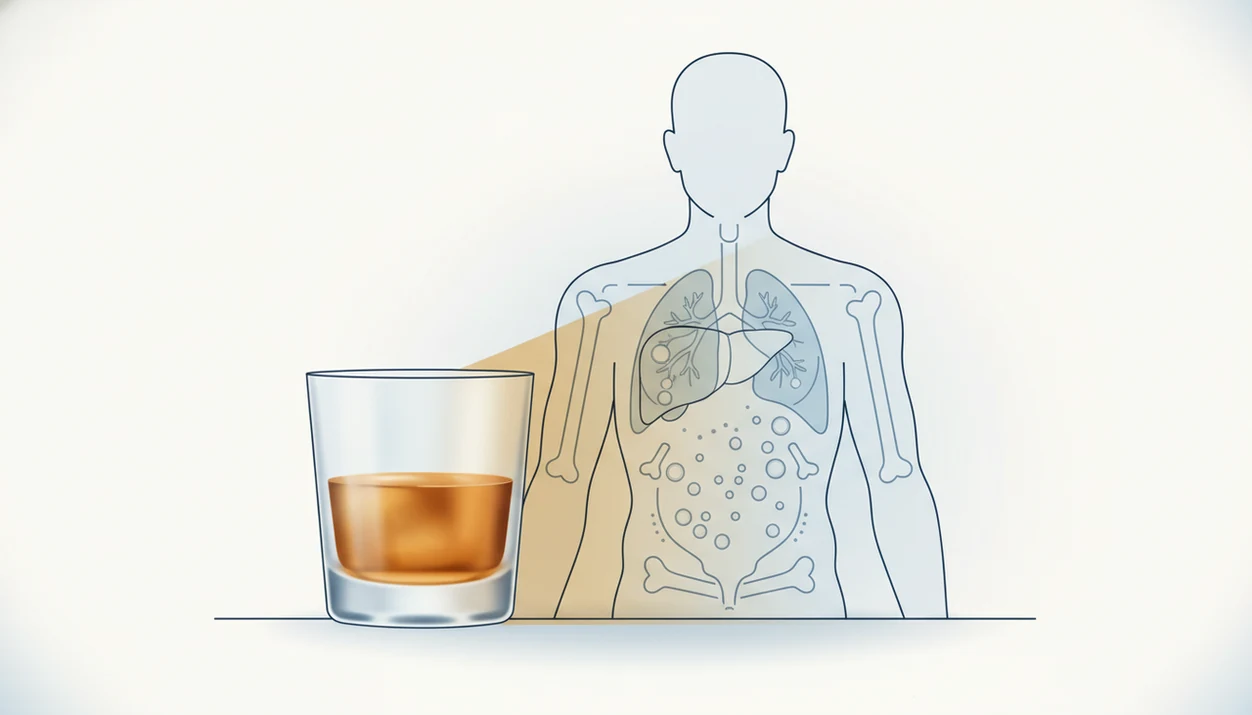
Heavy or binge drinking can make infections more likely and more severe because alcohol can weaken immune defenses in the blood, gut, lungs, skin, and liver. This page explains alcohol-related immune suppression; it is not a diagnosis tool or a substitute for urgent medical care. The strongest evidence links chronic heavy alcohol use with higher risks of pneumonia, ARDS, slow-healing skin wounds, bone infections, liver abscesses, and sepsis.
> Definition: Alcohol-related immune suppression means alcohol disrupts immune cells, physical barriers, inflammation signaling, and tissue repair in ways that make germs easier to catch and harder to clear.
TL;DR
- Alcohol can reduce the number and function of infection-fighting immune cells, including lymphocytes and neutrophils.
- The best-quantified risk is in the lungs: chronic alcohol abuse is linked with a 3- to 7-fold higher susceptibility and severity of bacterial pneumonia.
- Cutting back or quitting alcohol can allow some immune defenses and healing capacity to improve, though recovery varies by person and drinking history.
Alcohol immune-suppression infection risks by body system
Quick answer: Alcohol can weaken immune defenses and make some infections more likely, harder to clear, or more dangerous. The risk is often higher with heavy drinking, binge drinking, liver disease, wounds, lung disease, or repeated infections.
Key takeaways
- Binge drinking can temporarily reduce immune response even in people who do not drink daily.
- Repeated heavy drinking may impair wound healing and raise the stakes of skin or soft-tissue infections.
- Alcohol can increase aspiration risk, which may contribute to lung infections in vulnerable people.
- Fever, spreading redness, confusion, shortness of breath, or severe pain should be treated as urgent warning signs.
- Cutting back gradually and tracking triggers can help many people reduce immune stress over time.
- People at risk for alcohol withdrawal should not stop suddenly without medical guidance.
Heavy and binge drinking are the main infection concern, not one small drink in isolation. The biggest risk pattern is repeated high alcohol exposure that weakens barriers, slows repair, and changes immune signaling.
Alcohol-related infection risk shows up in the lungs, skin, soft tissue, bone, liver, and bloodstream. The same person may have two problems at once: poor germ clearance and too much damaging inflammation. That is why an infection can feel slow to resolve but still become intense fast.
The bar patio cough matters more if smoking or vaping is also in the loop. Poor nutrition, chronic disease, missed sleep, and housing instability can add friction to recovery too. For people trying to reduce exposure, private tracking can help. Tools like Me Quit can fit into a behavior-change plan that tracks drinking patterns without making every reset feel public.
Five facts about alcohol, immunity, and infection defenses
- Chronic heavy drinking is linked with lower lymphocyte frequency and impaired immune cell function, which can reduce defenses against bacterial and viral infections.
- Chronic alcohol abuse is associated with a 3- to 7-fold increase in susceptibility and severity of bacterial pneumonia, according to a 2016 review the NIH.
- A single 5- to 6-drink episode can suppress immune function for up to 24 hours, according to the Alcohol and Drug Foundation org alcohol data.
- Alcohol can slow healing by weakening physical barriers, disrupting blood flow, and throwing off the timing of inflammation.
- Reduced drinking or abstinence can partially improve immune function over time, though the timeline depends on health, nutrition, and drinking history.
The shaky fingers over a phone screen after a heavy night are not a moral clue. They are data. A trigger map can turn that moment into the next small decision.
How alcohol-related immune suppression works
Alcohol-related immune suppression works by weakening the body’s early defenses while also confusing later, more targeted responses. It affects physical barriers, immune cells, and inflammatory signaling, so germs may enter more easily and take longer to clear.
Innate immunity is the quick first response: skin, airway lining, gut lining, neutrophils, macrophages, and chemical alarms. Adaptive immunity is the slower precision system, where lymphocytes learn and remember specific bacteria or viruses. Alcohol can make neutrophils less able to travel toward germs and kill them, while macrophages may become poorer at swallowing invaders and cleaning up damaged tissue. Lymphocytes can also become less available or less coordinated, which weakens the “memory and targeting” side of defense.
Alcohol can also make the gut barrier leakier. That does not mean bacteria always flood the bloodstream, but it can allow bacterial fragments or products to cross into circulation, sometimes called bacterial translocation. The result can feel paradoxical: more inflammatory noise, but weaker germ clearance. More alarm bells, fewer clean arrests.
Alcohol effects on innate and adaptive immune defenses
Alcohol weakens infection defense by disrupting innate immunity, adaptive immunity, gut barriers, and inflammation control. Innate immunity is the fast first response. Adaptive immunity is the targeted memory system that learns specific germs.
How alcohol-related immune suppression works: neutrophils may move and kill less effectively, macrophages may clear invaders poorly, and lymphocytes may become less available or less coordinated. Alcohol can also loosen the gut barrier. That lets bacterial products move from the gut into the blood, a process often called bacterial translocation. Plain version: germs and toxins get access to places they should not reach.
The paradox is important. Alcohol can increase inflammatory noise while reducing pathogen clearance. More heat, less precision. That pattern helps explain why some infections are more severe, recovery feels slower, and a “normal” cut or cough becomes harder to ignore. For the inflammation side of the story, the related alcohol immune system inflammation guide goes deeper.
Alcohol, lung infections, ARDS, and pneumonia risk
Does alcohol make pneumonia and ARDS more likely? Yes, heavy alcohol use can impair lung barrier defenses and airway immune responses, which raises the chance that respiratory infections become serious.
The lung has a thin barrier where oxygen exchange happens. Alcohol can weaken that barrier, disrupt immune cells in the airways, and reduce the lungs’ ability to clear bacteria. Chronic alcohol abuse is associated with a 3- to 7-fold increase in susceptibility and severity of bacterial pneumonia. The Alcohol and Drug Foundation also describes heavy drinkers as having about 3 to 7 times higher vulnerability to serious pneumonia-like complications from respiratory infections.
Observational ICU research has linked a history of alcohol abuse with higher ARDS risk among patients already stressed by sepsis, pneumonia, aspiration, or trauma the NIH. Smoking or vaping can add more lung stress. No blame. Just another cue to track, especially when game-night cans sit beside cigarette packs.
Alcohol and skin infections, wounds, and soft-tissue healing
Skin is an immune barrier, not just a covering. When alcohol disrupts inflammation timing, blood flow, nutrition status, and white blood cell response, cuts and wounds can become easier entry points for bacteria.
Common concerns include cellulitis, infected wounds, abscesses, and slow-healing cuts. A scraped shin that stays red for days deserves attention, especially if heavy drinking has been part of the week. Ongoing heavy alcohol use can also make infections harder to clear even when antibiotics are prescribed, because the medicine is not repairing the immune and healing environment by itself.
Get urgent medical care for spreading redness, fever, severe pain, pus, red streaks, or skin that becomes hot and swollen quickly. Don’t wait it out if the area is expanding. Clinicians typically recommend prompt evaluation for fast-moving skin infections because delayed treatment can raise the risk of deeper tissue infection or sepsis.
Alcohol and osteomyelitis risk after wounds or bloodstream infection
Osteomyelitis is a bone infection that can follow deep wounds, surgery, bloodstream infection, or ulcers that do not heal well. Alcohol may contribute indirectly by weakening neutrophil function, slowing wound repair, worsening nutrition, and increasing falls or trauma.
Exact risk estimates for moderate drinkers are limited. That matters. The stronger concern is chronic heavy alcohol use, which is tied to broader vulnerability to bacterial and viral infections. A delayed clinic visit after a deep puncture wound can turn a manageable problem into a harder one, especially if drinking also masks pain or disrupts sleep.
Warning signs include persistent deep pain, fever, swelling, drainage, or a wound that exposes deeper tissue. Bone pain that keeps pulsing at night is not a craving-style discomfort. Different category. People with repeated wounds, diabetes, poor circulation, or immune suppression should get medical help early.
Alcohol, liver abscess risk, bacteremia, and sepsis
The liver filters blood coming from the gut, so it is exposed when alcohol weakens gut barriers and bacterial products move into circulation. Alcohol-related liver disease can also reduce immune surveillance, making infections more dangerous once bacteria spread.
Serious complications can include liver abscess, bacteremia, and sepsis. A liver abscess is not something to self-diagnose from a symptom list. It needs medical testing and urgent treatment. Still, the risk logic is clear: gut barrier disruption, liver injury, and immune suppression can make bacterial spread harder for the body to contain.
Seek urgent care for fever with right upper abdominal pain, jaundice, confusion, fainting, or severe weakness. If alcohol has also affected the heart, infection stress can be harder on the body; the alcohol and heart disease risk guide explains that overlap.
When to seek medical care for possible infection
Seek medical care quickly when infection signs are spreading, severe, or paired with heavy alcohol use or withdrawal risk. Do not wait out possible sepsis, a deep wound infection, or symptoms that feel suddenly different from a routine cold, scrape, or hangover.
- Call emergency services for confusion, fainting, severe weakness, yellow skin or eyes, trouble breathing, chest pain, or fever with a rapidly worsening overall condition.
- Get same-day urgent care for spreading redness, pus, red streaks, skin that is hot and swollen, fever, severe pain, or swelling that expands over hours.
- Tell the clinician about recent drinking, binge episodes, liver disease symptoms, falls, wounds, antibiotics, and any history of withdrawal seizures or delirium.
- Use medical support if stopping alcohol could trigger withdrawal. Shaking, sweating, agitation, vomiting, fast heartbeat, hallucinations, or seizures can be dangerous and may need supervised detox or medication.
- Do not delay treatment because you are embarrassed, unsure, or worried alcohol caused the problem. Early care can mean antibiotics, drainage, fluids, monitoring, or transfer before the infection spreads.
Alcohol reduction steps for immune recovery
Immune recovery can partially improve after reducing or stopping heavy drinking, but timing varies. The most useful first move is to make the pattern visible: drinks, binge episodes, cravings, sleep, wounds, coughs, and high-risk situations.
How to use alcohol reduction for infection-risk goals:
- Log each drink before bed or the next morning, including where you were and who was there.
- Mark binge episodes separately, since short heavy sessions can suppress immune function for about a day.
- Name the trigger when a craving hits, such as pain, stress, boredom, or the bartender reaching for the usual bottle.
- Choose a replacement action like water, gum, a 10-minute timer, or leaving the cue-heavy room.
- Review weekly for infection-related patterns, including coughs, wounds, fatigue, or missed medications.
- Ask for medical support if you have dependence, withdrawal risk, repeated infections, or liver disease symptoms.
Private tracking tools can support reduction by logging drinks, cravings, triggers, streaks, and reset patterns. Me Quit can be one option for tracking quit smoking, stop vaping, quit drinking, and mindful alcohol reduction goals, but it is not diagnostic, detox, antibiotic, or emergency infection care. For a broader plan, use the alcohol reduction guides.
Sources and medical scope
This page summarizes alcohol, immunity, and infection research; it does not diagnose an infection or tell you whether a cough, wound, fever, or lab result is safe. The goal is to explain risk patterns so you can decide when tracking is useful and when medical care is the next step.
Preferred evidence for this topic includes NIH-linked materials, peer-reviewed review articles, and clinical studies in humans when available. Mechanism studies can help explain why alcohol affects immune cells or barriers, but they do not replace a clinician’s exam, cultures, imaging, or medication review. Individual risk depends on more than the number of drinks: liver health, diabetes, nutrition, sleep, smoking or vaping, immune conditions, injuries, and the shape of the drinking pattern all matter.
Use this page as a research summary, not a treatment plan:
- Treat urgent infection symptoms as medical issues, not app data.
- Ask a licensed clinician or pharmacist about antibiotics, medication interactions, and whether alcohol is unsafe with a specific prescription.
- Get medical support before stopping suddenly if withdrawal is possible.
- Share recent drinking patterns honestly during care, even if the details feel uncomfortable.
Limitations
Alcohol and infection research is useful, but it is not a personal risk calculator. Keep these caveats in mind:
- Most strong data come from chronic heavy drinking or alcohol use disorder populations.
- Light or moderate drinking risk is less clear and likely smaller than heavy or binge drinking risk.
- Immune recovery after cutting back varies by baseline health, drinking history, nutrition, sleep, and coexisting conditions.
For people comparing private tracking options, a best drink less app guide can help match the tool to the decision point.
FAQ
Does alcohol weaken immunity?
Yes. Heavy or binge drinking can weaken immune defenses by impairing white blood cells, physical barriers, and inflammation signaling.
Can binge drinking cause infections?
Binge drinking does not directly “cause” every infection, but it can suppress immune function for up to 24 hours. That may raise short-term risk, especially around wounds, respiratory viruses, or poor sleep.
Does alcohol worsen pneumonia?
Chronic alcohol misuse is linked with more frequent and more severe bacterial pneumonia. Alcohol can weaken airway defenses and reduce the body’s ability to clear germs from the lungs.
Can alcohol cause ARDS?
Alcohol does not usually cause ARDS by itself. Excessive alcohol use increases ARDS risk in vulnerable patients with pneumonia, sepsis, or major trauma.
Does alcohol slow wound healing?
Yes. Alcohol can impair inflammation, white blood cell response, blood flow, nutrition status, and tissue repair.
Can alcohol worsen cellulitis?
Heavy drinking may make cellulitis harder to fight by weakening immune response and healing. Seek urgent care for spreading redness, fever, severe pain, pus, red streaks, or rapidly worsening swelling.
Does alcohol affect antibiotics?
Some antibiotics have alcohol warnings, and a pharmacist or clinician can check the specific medication. Antibiotics also do not erase alcohol-related immune suppression, dehydration, or delayed wound healing.
Can immunity recover after quitting alcohol?
Immune function can partially improve after reducing or stopping heavy alcohol use. The timeline varies by drinking history, nutrition, liver health, sleep, and other medical conditions.