
Can Alcohol Cause a Heart Attack?
Bottom line
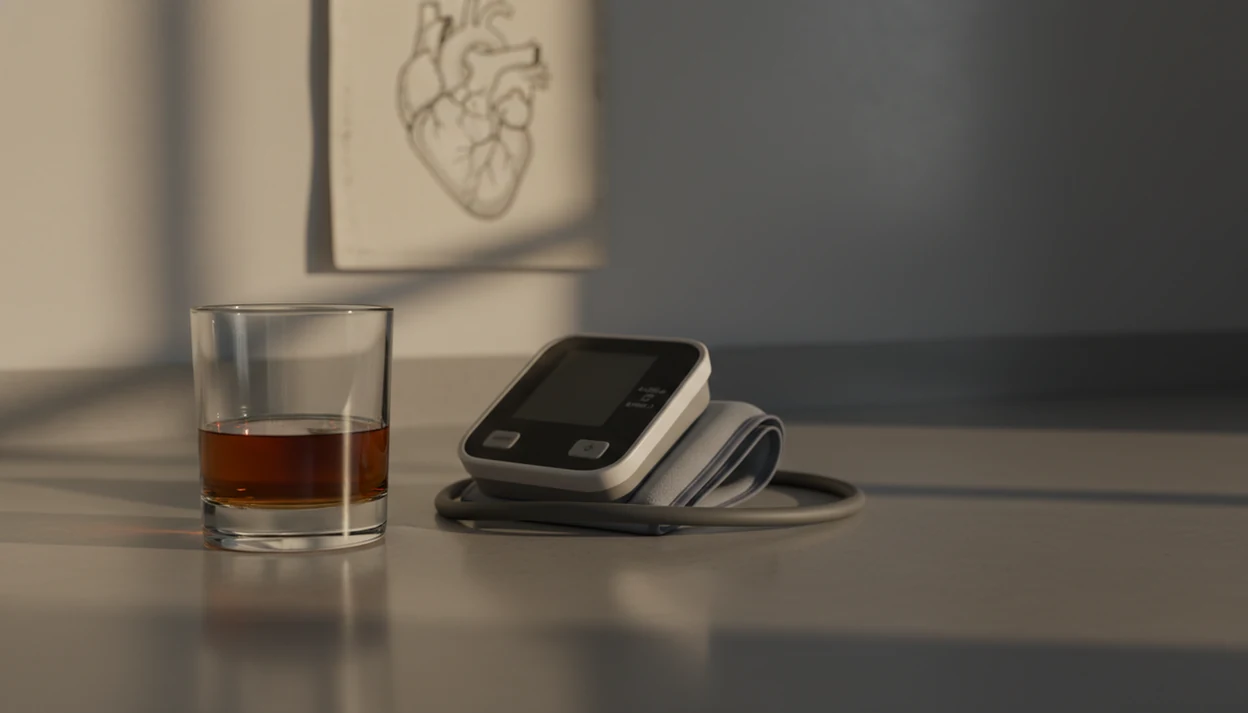
Yes. Alcohol can increase the chance of a heart attack, especially with binge drinking or heavy, frequent use. It can raise blood pressure and triglycerides, disrupt heart rhythm, injure blood vessels, and weaken heart muscle. A single episode may trigger acute strain, particularly in someone with coronary disease, high blood pressure, or a prior heart attack.
Concern often starts after a night of drinking: a pounding heart at bedtime, chest tightness the next morning, or a blood pressure reading that is much higher than usual. Other people are worried about years of regular drinking and what it may have done quietly.
The amount matters, but so do drinking speed, binge episodes, nicotine use, medications, age, and existing heart disease. Symptoms cannot confirm or rule out a heart attack at home. Severe or unfamiliar chest, breathing, rhythm, or neurologic symptoms need prompt medical attention.
Why drinking pattern matters more than drink type
Heavy and binge drinking raise cardiovascular risk through repeated blood pressure spikes, rhythm disruption, inflammation, and gradual weakening of the heart muscle. Risk is not determined by a single drink label. It depends on dose, pattern, age, blood pressure, existing heart disease, smoking, vaping, medications, and genetics.
Older claims that moderate alcohol protects the heart are less certain than they once appeared. Some early studies mixed lifelong non-drinkers with former drinkers who had stopped for health reasons. That can make light drinkers look healthier than they really are.
A measuring shot glass near the sink tells a more useful story than “wine with dinner.” How often, how much, and what happens afterward matter. The British Heart Foundation advises that there is no completely safe level for heart health and recommends not regularly exceeding 14 UK units per week, spread over at least 3 days, to reduce risk British Heart Foundation.
Five heart risks linked to heavy drinking
- Heavy long-term alcohol use increases vascular risk. It is associated with high blood pressure, stroke, heart failure, and heart attack-related blood vessel disease.
- Alcohol irregular heartbeat risk includes atrial fibrillation. Palpitations, premature beats, and “holiday heart” patterns can appear after heavy weekend or celebration drinking.
- Alcohol heart inflammation may be silent. Biomarker changes can appear before a person notices breathlessness, chest discomfort, swelling, or reduced exercise tolerance.
- Alcohol cardiomyopathy inflammation can weaken the pump. Chronic heavy drinking can stretch and inflame heart muscle, raising the risk of heart failure, clots, arrhythmias, or sudden cardiac death.
- Reducing alcohol can lower cardiovascular strain. The most common risk-reduction path is lowering alcohol exposure while also addressing smoking, vaping, blood pressure, sleep, and exercise.
One risk rarely travels alone. A late-night kebab shop smoking crowd, followed by several drinks, is a different cardiovascular load than one isolated beer.
What alcohol does to arteries, rhythm, and heart muscle
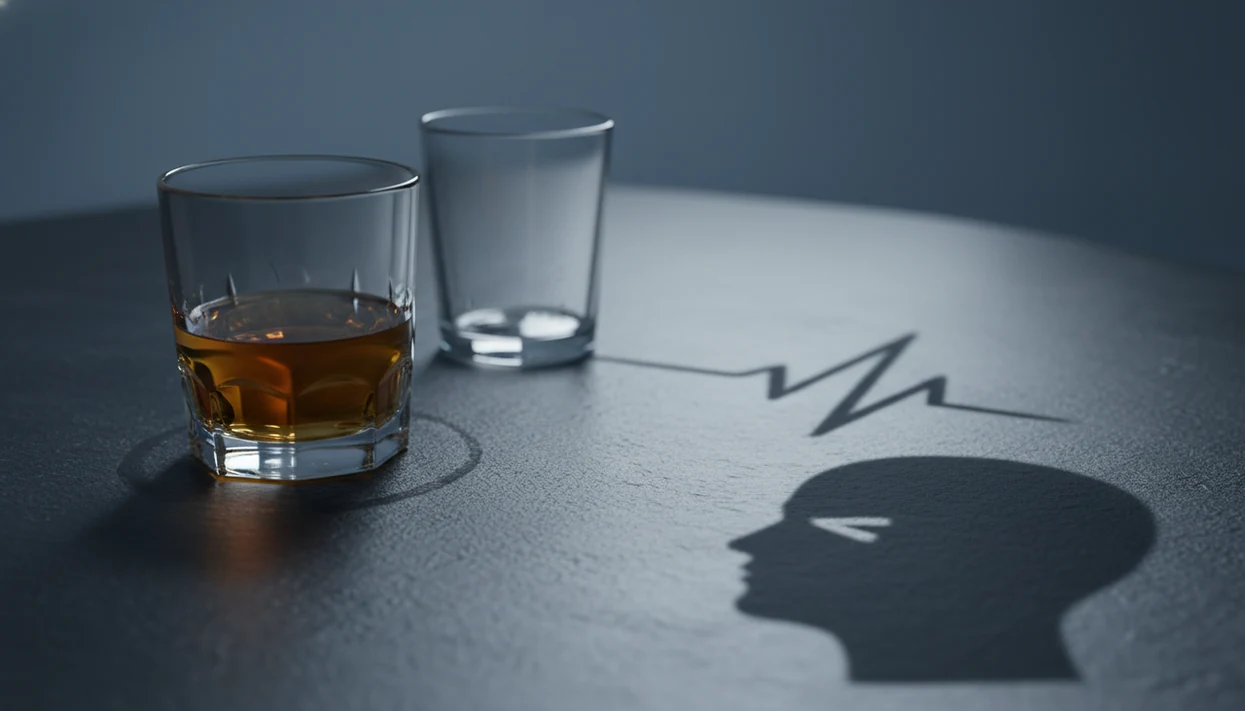
Alcohol raises heart attack risk through blood pressure stress, vascular injury, rhythm disturbance, inflammation, clotting changes, and heart muscle toxicity. Ethanol affects sympathetic stress hormones, vessel function, lipid metabolism, and inflammatory signaling. The combined effect can increase the heart's workload while making blood vessels more vulnerable to injury.
Repeated pressure spikes can injure artery walls. Over time, that injury can contribute to atherosclerosis, the plaque buildup involved in many heart attacks. Alcohol can also alter clotting tendency, which matters when a narrowed artery is already vulnerable.
The electrical system is another route. Alcohol can disturb cardiac signaling and trigger atrial fibrillation, especially after heavier intake. Long-term heavy use may stretch the heart chambers, inflame muscle tissue, and reduce pumping ability. That pattern overlaps with the broader topic of alcohol and heart disease risk.
Tight jaw, fast pulse, then the phone search. That is often when people first connect drinking with rhythm symptoms.
Why your heart may race or skip after drinking
Does alcohol cause irregular heartbeats after drinking? Alcohol irregular heartbeat risk means a higher chance of palpitations, premature beats, or atrial fibrillation after alcohol exposure, especially after binge drinking.
Weekend-heavy drinking is a common setting for “holiday heart syndrome,” a rhythm disturbance often linked to alcohol binges. It can happen in people without known heart disease. The person may feel fluttering, pounding, skipped beats, chest unease, or a racing rhythm while trying to sleep.
Not every palpitation is atrial fibrillation, but atrial fibrillation matters because it raises stroke risk and adds strain to the heart. Get urgent medical help when palpitations occur with chest pain, fainting, severe shortness of breath, stroke symptoms, or a racing rhythm that does not settle.
A watch alert or pulse check may be the first clue that drinking and rhythm symptoms are linked. Some people notice the pattern only after comparing drink count, bedtime, and pulse alerts the next morning.
Can alcohol trigger a heart attack or acute cardiac event?
A drink does not usually cause instant cardiac arrest in an otherwise healthy person. The immediate concern is that a large amount consumed quickly can cause sharp blood pressure changes, dehydration, coronary spasm, and disturbed electrical signaling. These effects can provoke atrial fibrillation or add enough strain to contribute to an acute cardiac event, especially in someone with coronary disease, uncontrolled blood pressure, or a previous heart attack. A review of alcohol and cardiovascular risk describes the acute and long-term hazards linked to heavy intake.
Can alcohol cause arrhythmia or palpitations?
Heart palpitations after drinking may feel like pounding, fluttering, skipped beats, or a fast irregular pulse. Binge-related atrial fibrillation is often called holiday heart syndrome, and it can occur without previously diagnosed structural heart disease. The name does not mean the episode is harmless or safe to diagnose at home.
- Call emergency services for chest pressure, collapse, blue lips, severe shortness of breath, or fainting.
- Treat facial droop, one-sided weakness, confusion, trouble speaking, seizure, or sudden vision loss as an emergency.
- Get prompt assessment for a new irregular heartbeat with dizziness or a racing heart that does not settle.
- Seek care for a sudden thunderclap headache, the worst headache of your life, or a severe headache after a head injury.
Do not wait a week to track symptoms that feel dangerous tonight, and do not drive yourself to emergency care.
Hidden inflammation can precede obvious symptoms
Alcohol heart inflammation can appear before obvious symptoms, and biomarkers may show heart strain while a person still feels “mostly fine.” Blood markers can reflect inflammation and stretching of the heart wall before breathlessness or swelling is noticeable.
An American Heart Association-reported study found that people with heavy drinking patterns had 69.2% higher heart inflammation markers and 46.7% higher markers of heart wall stretching than people in the general population without a drinking problem heart. Those figures do not diagnose one person, but they show why “I feel normal” is not a complete safety check.
Normal liver tests also do not prove the heart is safe from alcohol-related damage. The liver and heart can show injury on different timelines. Possible warning symptoms include fatigue, breathlessness, ankle swelling, chest discomfort, palpitations, and reduced exercise tolerance. A short walk feeling strangely hard is worth taking seriously.
Call 911 for chest pressure, pain spreading to the arm, jaw, back, or shoulder, severe shortness of breath, fainting, cold sweating, collapse, or sudden one-sided weakness. If you drink heavily every day or have had alcohol withdrawal before, get medical advice before stopping suddenly because withdrawal can be life-threatening.
Alcoholic cardiomyopathy and a weakening heart
Alcoholic cardiomyopathy is weakening and enlargement of the heart muscle linked to chronic heavy drinking. This is lasting damage to the heart muscle, not just a hangover or a temporarily fast pulse.
The mechanism includes inflammation, oxidative stress, and toxic alcohol metabolites that can damage heart muscle cells. As the heart stretches, pumping ability can fall. Fluid may back up into the lungs or legs, and rhythm problems can become more likely. Progression can lead to heart failure, arrhythmias, clots, or sudden cardiac death.
Early-stage alcohol-related cardiomyopathy can sometimes improve with sustained abstinence or major reduction under medical guidance. That caveat matters. People with breathlessness, swelling, fainting, chest discomfort, or known heart disease should not treat this as a self-monitoring project only. More detail on pump damage is covered in alcohol heart muscle damage.
Binge drinking vs daily drinking: different patterns of strain
Binge drinking and daily drinking can both raise heart risk, but they often do it through different time patterns. Daily intake tends to build chronic pressure and muscle strain. Binge intake can create acute stress in a short window.
| Drinking pattern | Common heart-risk pathway | What a person may notice |
|---|---|---|
| Frequent daily drinking | Higher chronic blood pressure, vascular damage, cardiomyopathy risk | Rising home blood pressure, lower exercise tolerance, poor sleep |
| Episodic binge drinking | Sudden blood pressure spikes, atrial fibrillation, acute strain | Palpitations, racing pulse, chest tightness, next-day anxiety |
| Mixed daily plus binge pattern | Chronic injury plus acute triggers | Fewer alcohol-free recovery days, repeated rhythm symptoms |
| Lower-risk reduction pattern | Fewer heavy episodes and more alcohol-free days | More stable sleep, easier blood pressure tracking |
Ethanol dose matters more than whether the drink is wine, beer, or spirits. Sparkling water in a rocks glass can look minor, but replacing the third drink changes the dose.
Binge drinking after a heart attack carries added risk
People with a previous heart attack or acute coronary syndrome have less room for alcohol-related blood pressure spikes, rhythm problems, and coronary strain. In a prospective cohort, reported binge drinking was associated with about twice the risk of a major adverse cardiovascular event during the following year, even though weekly alcohol intake by itself was not clearly associated with those events. The acute coronary syndrome cohort report supports focusing on drinking pattern, not only the weekly total.
After a heart attack, ask the cardiology team directly about alcohol. A population drinking limit is not a personal safety guarantee.
Is a small amount of alcohol good for the heart?
Does alcohol raise heart attack risk at low amounts? The answer is nuanced, but alcohol should not be started for heart protection.
Older observational studies sometimes suggested lower heart attack rates among moderate drinkers. Those findings may be confounded by income, diet, smoking, baseline health, social factors, and former-drinker bias. In other words, moderate drinking may have been tagging along with other advantages.
A large pooled analysis of nearly 600,000 current drinkers found that each additional 100 g of alcohol per week increased stroke risk by about 14 to 15% and heart failure risk by about 9%. The same analysis linked about 21 drinks per week with roughly 50% higher heart failure risk than under 7 drinks per week thelancet.
Mendelian randomization evidence also has not shown a protective effect of moderate alcohol on coronary artery disease risk bmj. For heart protection, lowering blood pressure and not smoking are more reliable targets than adding alcohol.
Turn concern into a useful drink and symptom record
Use this information as a risk map, not a diagnosis. The safest next step is to turn vague concern into a clear pattern, then decide what needs medical help and what can be changed this week.
- Count every drink across a normal week, including pours at home, shared bottles, top-ups, and binge episodes. Be honest about the night that started as two drinks and became six.
- Record the context around symptoms: palpitations, home blood pressure readings, sleep quality, nicotine use, stress, food, and timing. Patterns matter more than one perfect entry.
- Replace one high-risk drinking window with a lower-risk plan, such as eating first, leaving earlier, setting a drink limit, choosing alcohol-free options, or avoiding the smoking area.
- Contact a clinician promptly for chest symptoms, fainting, a new or persistent rhythm change, very high blood pressure, pregnancy, known heart disease, or signs that cutting down could trigger withdrawal.
- Use tracking tools to spot trends and prepare better questions, not to rule out heart attack, diagnose atrial fibrillation, manage withdrawal, or decide whether emergency care is needed.
Check withdrawal risk before making a sudden change
Heavy daily drinking creates a second heart concern: stopping abruptly can trigger withdrawal. Symptoms may begin 6 to 24 hours after the last drink and often worsen during the next 24 to 72 hours. Withdrawal can produce a rapid pulse, sharply elevated blood pressure, sweating, shaking, anxiety, vomiting, hallucinations, seizures, or severe confusion. Clinical alcohol withdrawal guidance recommends medical assessment when dependence or severe withdrawal risk is possible.
Arrange medical advice before stopping if any of these apply
- You drink heavily every day or need alcohol soon after waking.
- Delaying a drink causes shaking, sweating, nausea, anxiety, or insomnia.
- You have had withdrawal seizures, hallucinations, delirium, or repeated detoxifications.
- You also use sedatives or have serious heart, liver, or other medical disease.
When recording intake, count actual servings rather than glasses. One U.S. standard drink is about 12 ounces of 5% beer, 5 ounces of 12% wine, or 1.5 ounces of 40% spirits. The CDC drinking check tool can help compare pours and weekly totals.
Chest pain, fainting, or breathlessness: act now
Seek medical help immediately for alcohol-related heart symptoms that feel severe, sudden, or different from your usual pattern. Chest pressure, fainting, severe shortness of breath, one-sided weakness, confusion, blue lips, or a racing heartbeat that will not settle are emergency signs, not tracking moments.
- Call emergency services for possible heart attack, stroke, dangerous heart rhythm, or collapse, including symptoms that begin after a binge or after combining alcohol with nicotine, stimulants, or medication.
- Ask for same-day medical advice if palpitations are new, recurrent, lasting longer than a few minutes, linked with dizziness, chest discomfort, breathlessness, very high blood pressure, or an irregular pulse alert.
- Speak with a clinician before cutting down sharply if you have known heart disease, previous heart attack or stroke, atrial fibrillation, pregnancy, liver disease, seizures, heavy daily drinking, or past withdrawal symptoms.
- Plan supervised reduction if stopping alcohol has caused shaking, sweating, vomiting, agitation, hallucinations, seizures, or severe anxiety before. Withdrawal can be medically risky.
- Use apps and logs to describe the pattern, not to replace an ECG, blood work, medication review, detox support, or emergency evaluation.
Alcohol and heart attack questions
Can alcohol cause a heart attack?
Alcohol can contribute to a heart attack by raising blood pressure and triglycerides, disturbing rhythm, damaging blood vessels, or causing acute strain during a binge. It is rarely possible to identify alcohol as the sole cause. The risk is greater with heavy intake, coronary disease, high blood pressure, smoking, or a previous heart attack.
Can one night of heavy drinking trigger a heart attack?
A heavy drinking episode can abruptly raise blood pressure, provoke an abnormal rhythm, cause dehydration, and affect coronary blood flow. Those changes may trigger an acute event in a susceptible person. Chest pressure, fainting, severe breathlessness, cold sweating, or pain spreading to the arm or jaw requires emergency care.
Why does my heart race after drinking alcohol?
Alcohol can affect the heart's electrical signals, stress hormones, hydration, sleep, and blood pressure. That may cause a fast pulse, skipped beats, or atrial fibrillation. Get urgent care if the racing pulse does not settle or occurs with chest pain, fainting, dizziness, severe shortness of breath, or weakness.
What is holiday heart syndrome?
Holiday heart syndrome describes an abnormal rhythm, often atrial fibrillation, that appears after binge drinking. It can occur in someone without known structural heart disease. Symptoms include pounding, fluttering, skipped beats, breathlessness, or dizziness. A new irregular rhythm needs medical assessment rather than home diagnosis.
Is red wine good for the heart?
Alcohol should not be started or continued as heart medicine. Older studies sometimes made moderate drinking appear protective, but lifestyle differences and the inclusion of former drinkers can distort those comparisons. Wine still contains ethanol and can raise blood pressure, trigger rhythm problems, and contribute to other health risks.
Can cutting down on alcohol help the heart?
Reducing heavy intake and binge episodes can lower alcohol exposure and may improve blood pressure, sleep, hydration, and resting heart rate over days to weeks. The timeline varies. Heavy daily drinkers should get medical advice first because sudden withdrawal can temporarily produce dangerous blood pressure, pulse, seizure, and confusion risks.
When are heart palpitations after drinking an emergency?
Call emergency services if palpitations occur with chest pressure, fainting, severe shortness of breath, blue lips, confusion, one-sided weakness, or collapse. A racing or irregular heartbeat that does not settle also needs urgent assessment. New, repeated episodes should be discussed with a clinician even if they stop on their own.
How much alcohol counts as one standard drink?
In the United States, one standard drink contains about 14 grams of pure alcohol. That is roughly 12 ounces of 5% beer, 5 ounces of 12% wine, or 1.5 ounces of 40% spirits. Strong beer, large wine glasses, cocktails, and home pours often contain more than one drink.