
How Alcohol Can Weaken the Heart Muscle
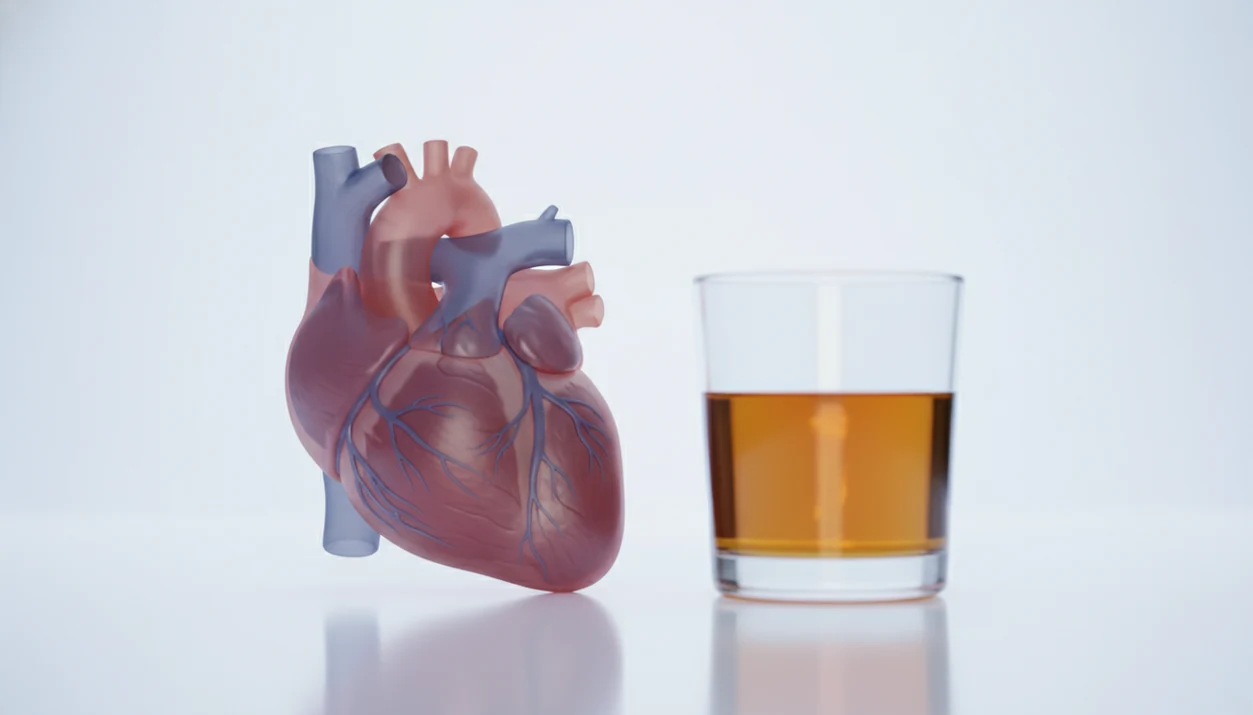
Regular heavy drinking can cause alcohol heart muscle damage by making the heart enlarged, stretched, and too weak to pump blood well. This condition, often called alcoholic cardiomyopathy, can build silently for years before symptoms such as shortness of breath, swelling, fatigue, or heart palpitations appear.
Definition: Alcoholic cardiomyopathy is a form of dilated cardiomyopathy in which long-term heavy alcohol use weakens and enlarges the heart muscle, raising the risk of heart failure and abnormal heart rhythms.
This page is for education only and cannot diagnose cardiomyopathy, heart failure, arrhythmia, or alcohol withdrawal risk. If symptoms are severe, worsening, or sudden, seek urgent medical care.
TL;DR
- Alcohol can directly injure heart muscle cells and make the heart pump less effectively over time.
- Warning signs include breathlessness, fatigue, ankle or leg swelling, racing heartbeat, and reduced exercise tolerance.
- Stopping alcohol is the most important step for lowering risk and may allow partial or full heart recovery when damage is caught early.
Alcohol Heart Muscle Damage at a Glance
Quick answer: Regular heavy drinking can weaken and stretch the heart muscle over time, sometimes leading to alcoholic cardiomyopathy and heart failure. Cutting back or stopping alcohol may help prevent further damage and, for some people, support partial recovery when paired with medical care.
Key takeaways
- Heavy alcohol use can damage heart muscle even before obvious symptoms appear.
- Shortness of breath, leg swelling, fatigue, chest discomfort, or fainting should be checked promptly.
- Stopping or reducing alcohol is often a core part of protecting the heart from further injury.
- People who drink heavily every day should ask a clinician before stopping suddenly because withdrawal can be dangerous.
- Medication, heart imaging, lab tests, and follow-up may be needed to assess damage and guide care.
- Tracking drinks, cravings, and triggers can make risky patterns easier to notice and change.
Alcohol heart muscle damage means alcohol-related weakening and enlargement of the heart muscle. Over time, the heart can stretch, lose pumping strength, and move less blood with each beat.
The common warning pattern is shortness of breath, fatigue, leg or ankle swelling, palpitations, and reduced exercise tolerance. Some people first notice they cannot climb stairs they handled last year. Others feel a racing heartbeat after a normal evening drink.
Feeling fine does not always mean the heart is fine. Damage can begin before obvious symptoms, especially with years of heavy intake or repeated binges. Heavy drinkers with breathlessness, swelling, palpitations, or a drop in stamina should book medical evaluation rather than guessing.
Tools like Me Quit can support private alcohol reduction and craving tracking, but they do not diagnose or treat heart disease.
Five Facts About Alcoholic Cardiomyopathy Symptoms and Risk
- Alcoholic cardiomyopathy is alcohol-related dilated cardiomyopathy. Long-term heavy alcohol use can weaken and enlarge the heart muscle until pumping becomes less effective.
- Symptoms may start quietly. Fatigue, shortness of breath, swelling, abnormal heartbeat, and lower exercise tolerance can appear slowly.
- Risk rises with sustained heavy intake. Heavy alcohol use above 80 grams per day for longer than 5 years is associated with significantly increased alcoholic cardiomyopathy risk, according to a 2021 medical review esmed alcohol data.
- Continuing to drink after diagnosis is dangerous. The same review reports mortality of about 40 to 50% within 3 to 6 years among people with alcoholic cardiomyopathy who keep drinking.
- Stopping alcohol gives the heart its strongest recovery chance. Recovery is more likely when damage is found early and alcohol stops completely.
The Friday 6 p.m. drink can feel ordinary. The body may read it differently.
How Alcohol Weakens Heart Muscle Cells
Alcohol weakens heart muscle cells by exposing them to alcohol and acetaldehyde, a toxic breakdown product. These stressors can injure the cells that contract, relax, and help the heart pump blood.
Here is how alcohol heart muscle damage works. Alcohol can increase oxidative stress, inflammation, and mitochondrial strain. In plain language, the heart’s energy system becomes less efficient, and its repair signals get overwhelmed. The muscle may stretch, thin, and enlarge. Contractions can become weaker, so each heartbeat moves less blood forward.
Small changes may show up before a person feels sick. Clinicians sometimes see biochemical injury markers rise before classic symptoms develop. That matters because the first sign may not be dramatic chest pain. It may be a slower walk to the car, breathlessness when lying flat, or a pulse that jumps around after drinking.
For many people, reducing exposure is easier when the trigger pattern is visible, and broader alcohol reduction guides can help explain those patterns.
Drinking and Heart Failure Risk From Heavy Alcohol Use
Does heavy drinking raise heart failure risk? Yes. Regular heavy alcohol use can raise the risk of heart failure by weakening the heart muscle and contributing to alcoholic cardiomyopathy.
A commonly cited risk pattern is more than 80 grams of alcohol per day for longer than 5 years. That is a risk estimate, not a personal guarantee. Some people tolerate years of heavy intake without developing cardiomyopathy, while others may be more vulnerable because of genetics, blood pressure, nutrition, medications, viral illness, or other heart risks.
Binge patterns may also matter, even below classic daily thresholds. A half-poured wine glass on the counter after “just one more” can still be part of a weekly pattern that strains the heart. Clinicians and the ACC/AHA heart failure guideline recognize alcohol consumption as a potentially modifiable heart failure risk factor, including alcohol-related cardiomyopathy source.
Not all cardiomyopathy is caused by alcohol. Not all heavy drinking causes cardiomyopathy. Both truths can be true.
Early Alcohol Heart Damage Before Symptoms Appear
Alcohol-related heart injury can progress silently for years. A person may still work, drive, exercise lightly, and feel “mostly normal” while early strain is developing.
Early-damage signal block:
- Heavy drinkers in a European cohort had 10.3% higher heart injury markers than non-problem drinkers.
- They also had 46.7% higher markers of heart wall stretching.
- Inflammation markers were 69.2% higher in heavy drinkers.
- These changes were reported before obvious heart failure symptoms in many people.
- The findings came from a 2019 American Heart Association report on heavy drinking and early heart damage heart alcohol data.
Clinicians may use blood markers, an ECG, an echocardiogram, imaging, and ejection fraction measurement to check pumping function. These tests do not belong in a self-diagnosis checklist. If heavy drinking plus breathlessness, swelling, palpitations, or unusual fatigue is present, medical evaluation is the small next step.
Alcoholic Cardiomyopathy Symptoms That Need Medical Attention
Alcoholic cardiomyopathy symptoms need medical attention when they suggest fluid buildup, rhythm problems, or reduced pumping ability. The symptoms overlap with other conditions, so the safest move is evaluation, not assumption.
Common symptom groups:
- Breathing changes: shortness of breath with activity, trouble breathing when lying flat, or waking up breathless.
- Fluid signs: ankle or leg swelling, bloating, rapid weight gain from fluid, or tight shoes by evening.
- Rhythm symptoms: palpitations, racing heartbeat, skipped beats, dizziness, or near-fainting.
- Energy changes: fatigue, reduced exercise tolerance, and heavy legs after ordinary tasks.
- Discomfort signals: chest pressure, chest discomfort, or unusual upper-body tightness.
Get urgent medical care for severe breathlessness, fainting, chest pain, blue lips, coughing pink froth, or rapidly worsening swelling.
Fatigue can be confusing because alcohol may also contribute to alcoholic myopathy, general deconditioning, poor sleep, anemia, or nutrition problems. The cause needs a clinician, not a guess from a symptom list.
Can the Heart Recover After Alcohol Damage?
Can the heart recover after alcohol damage? Sometimes, especially when damage is caught early and alcohol stops completely. Recovery is less predictable when scarring, long-standing heart failure, or repeated relapses have already caused lasting structural damage.
For alcoholic cardiomyopathy, complete abstinence is generally recommended because ongoing alcohol exposure can keep injuring the heart. The most common medically supported way to lower alcohol-related cardiomyopathy risk is stopping alcohol, combined with heart failure care and follow-up testing when a clinician finds reduced pumping function. Clinical summaries describe abstinence from alcohol as the central treatment step for alcoholic cardiomyopathy, alongside standard heart failure care when needed source.
Support usually includes medical care, heart failure medicines when prescribed, repeat monitoring, nutrition support, sleep repair, and relapse prevention. Apps such as Me Quit can help people drink less or stop drinking by tracking cravings, streaks, dry days, and health milestones.
A calendar dry day marked green can matter. It turns the plan into something visible.
People comparing phone-based help may also find a best drink less app guide useful when choosing private support.
Alcohol Heart Muscle Damage Care Pathway
If you drink heavily and notice breathlessness, swelling, palpitations, or reduced exercise tolerance, book a clinician visit. The goal is not to label yourself. The goal is to check whether the heart is under strain and reduce the exposure that may be causing harm.
A practical care pathway often includes:
- Book an evaluation if heavy drinking overlaps with breathlessness, swelling, palpitations, chest discomfort, or falling stamina.
- Ask about testing such as blood work, ECG, echocardiogram, imaging, and ejection fraction measurement.
- Stop alcohol with support if a clinician suspects or diagnoses alcohol-related cardiomyopathy.
- Follow the heart plan for medicines, monitoring, nutrition, sleep, and repeat testing.
- Use behavior-change tools to log cravings, trigger patterns, dry days, and reset moments after slips.
Private behavior-change support can help adults log cravings, trigger patterns, dry days, slips, and health milestones. Me Quit can support alcohol reduction tracking, but it is not a cardiology tool, detox plan, or substitute for clinician-guided care.
Alcohol can affect the heart in more than one way, and alcohol and heart disease risk covers the wider cardiovascular picture.
Medical Review and Source Standards
Medical claims on this page are checked against clinical and public-health sources, with preference given to cardiology guidelines, peer-reviewed reviews, and major medical organizations. Symptom guidance is educational only; it is not a diagnosis, risk score, or emergency triage tool.
When evidence is summarized, the goal is to separate what is well supported from what still depends on personal risk, exam findings, and clinician judgment. Alcohol-related heart symptoms can overlap with anxiety, lung disease, anemia, withdrawal, arrhythmias, and other causes, so the page avoids telling readers what they “have” based on a checklist.
- Prioritize cardiology guidelines, medical reviews, and established health organizations when explaining risk, symptoms, and treatment themes.
- Check claims for fit with the source, including whether a statement applies to heavy drinking, binge patterns, diagnosed cardiomyopathy, or general heart risk.
- Update the page when major guidelines change, safety warnings emerge, cited sources are revised, or better evidence replaces older summaries.
- Separate app mentions from medical advice: Me Quit may support tracking and behavior change, but diagnosis, detox decisions, and heart treatment belong with clinicians.
Limitations
Alcohol heart muscle damage is real, but the evidence has limits and personal risk varies.
- Heart recovery after stopping alcohol varies. Some people improve substantially, while others have permanent damage.
- Online symptom lists cannot diagnose heart failure, arrhythmia, cardiomyopathy, panic symptoms, anemia, or lung disease.
- Cutting down may reduce exposure, but established alcoholic cardiomyopathy usually requires clinician-guided abstinence and medical care.
Use this page as education. Use symptoms as a reason to get checked.
FAQ
Can alcohol weaken heart muscle?
Yes. Long-term heavy alcohol use can weaken and enlarge the heart muscle, making it harder for the heart to pump blood effectively.
What is alcoholic cardiomyopathy?
Alcoholic cardiomyopathy is alcohol-related dilated cardiomyopathy. It occurs when long-term heavy drinking damages the heart muscle and reduces pumping ability.
What are alcoholic cardiomyopathy symptoms?
Common symptoms include shortness of breath, fatigue, ankle or leg swelling, palpitations, and reduced exercise tolerance. Some people also notice bloating, dizziness, or chest discomfort.
Is alcohol heart damage reversible?
It can be reversible in some early cases when alcohol stops completely and medical care is started. Advanced scarring or long-standing heart failure may not fully reverse.
How much alcohol damages the heart?
Risk is often associated with more than 80 grams of alcohol per day for longer than 5 years. Individual risk varies, and binge patterns may still strain the heart.
Can binge drinking cause heart failure?
Repeated binge drinking may contribute to heart strain, abnormal rhythms, high blood pressure, and higher heart failure risk. Severe symptoms after drinking need urgent medical care.
When should drinkers see a doctor?
Drinkers should see a doctor for breathlessness, swelling, palpitations, chest discomfort, dizziness, fainting, or a clear drop in exercise tolerance. Severe breathlessness, chest pain, blue lips, or coughing pink froth require emergency care.
Does quitting alcohol help heart failure?
Stopping alcohol is central when alcohol contributes to cardiomyopathy or heart failure. It may improve outcomes when combined with clinician-guided heart care and monitoring.