
Why Alcohol Makes You Tired, Even After a Full Night
Short answer
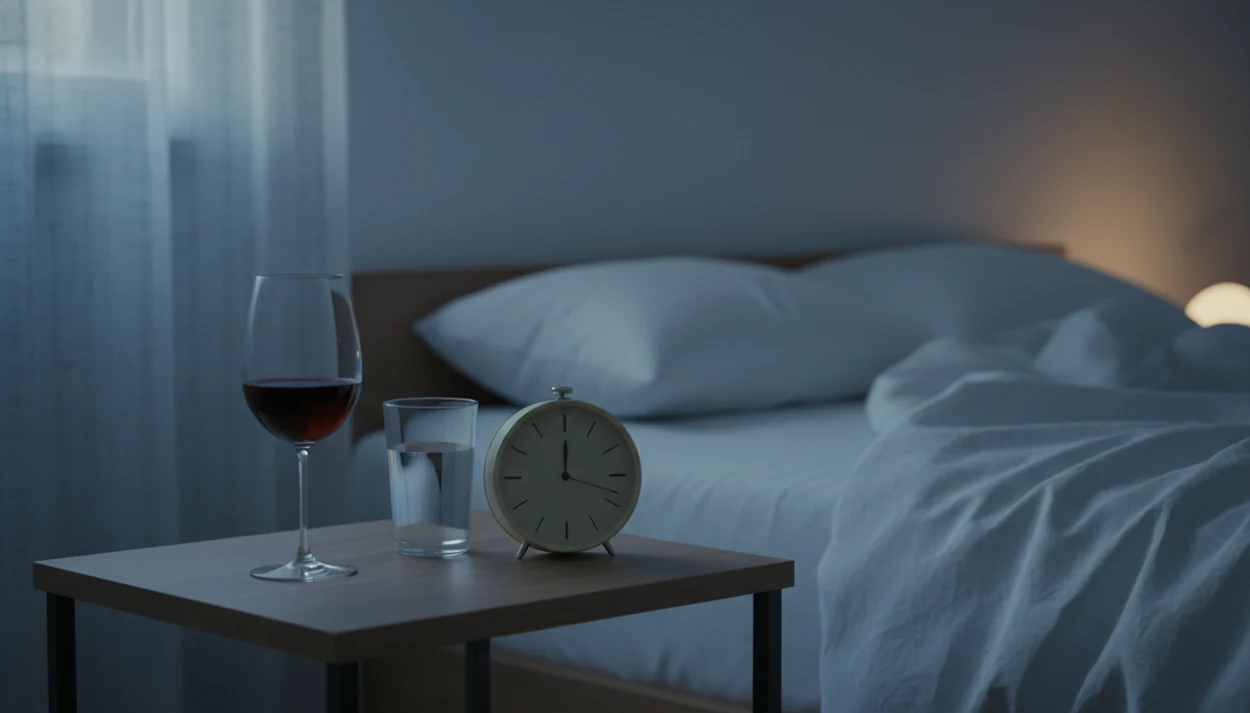
Alcohol makes you sleepy at first by slowing nervous system activity, but that sedation does not provide consistently restorative sleep. As alcohol wears off, sleep may become lighter and more fragmented. Reduced REM sleep, bathroom trips, dehydration, breathing problems, reflux, and blood sugar changes can then leave you tired or foggy the next day.
You may fall asleep quickly after drinking, stay in bed for seven or eight hours, and still wake up feeling as if the night barely counted. That mismatch is common because time asleep and sleep quality are not the same thing.
The amount you drink matters, but so do timing, food, medications, snoring, and your usual sleep health. A single rough morning offers few clues. Recording a week of drink timing, awakenings, and next-day energy can make the pattern much clearer.
Why seven hours of sleep can still leave you exhausted
Alcohol can make seven hours in bed feel like five because sedation is not the same as recovery. It depresses the central nervous system, so you may feel heavy, relaxed, and ready to sleep faster than usual.
That first sleepy feeling can be misleading. As alcohol is broken down overnight, sleep often becomes lighter, more broken, and less mentally restoring. Someone may remember “sleeping all night” but still wake with a dry mouth, a dull headache, and no real morning lift.
The practical answer to why alcohol makes you tired is usually not one single pathway. It is often sedation first, then REM sleep changes, more awakenings, fluid loss, blood-sugar swings, and breathing disruption layered together. A simple drink-and-sleep note the next morning can reveal patterns faster than memory alone.
Five reasons alcohol causes next-day grogginess
- Alcohol is sedating early because it slows brain activity, but that early drowsiness can be followed by poorer sleep later.
- Alcohol can reduce REM sleep and increase sleep fragmentation, especially in the second half of the night, according to controlled sleep research.
- Alcohol can relax upper-airway muscles, which may worsen snoring or sleep apnea in people who are already vulnerable.
- Alcohol can increase urination by suppressing vasopressin, a hormone involved in fluid balance, and this may contribute to thirst and fatigue.
- Fatigue after drinking often reflects poor sleep architecture, dehydration, breathing disruption, and blood-sugar effects together.
A person who wakes up after a party cooler packed with cans may blame only the late night. The alcohol may have changed the night’s sleep structure too. More background on the longer body timeline is covered in how long alcohol affects body.
Sedation first, rebound arousal later
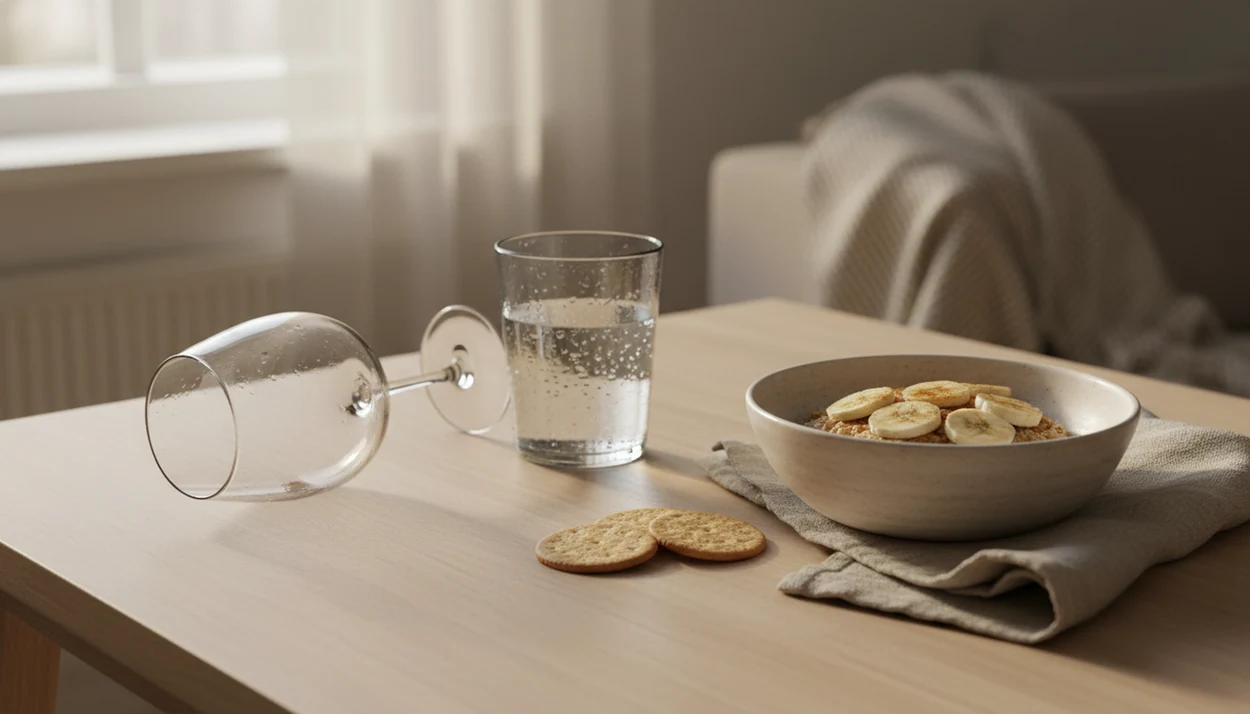
Alcohol fatigue works through a two-phase pattern: alcohol first increases inhibitory signaling in the brain, then sleep becomes less stable as alcohol levels fall. The quiet, heavy feeling at midnight can turn into lighter sleep and alertness around 3 a.m. as alcohol levels fall.
How alcohol fatigue works: alcohol affects GABA and glutamate signaling, two systems involved in slowing and activating the nervous system. Early relaxation can shift into rebound arousal, with lighter sleep, faster heart rate, or stress-hormone activity. REM sleep supports memory and emotional processing. Deep sleep supports physical restoration. Alcohol can disturb both, though the size of the effect varies.
Dose, timing, tolerance, body size, sex, medications, and baseline sleep health all matter. A person with already short sleep may notice the drain sooner. Someone else may need a few tracked nights before the pattern is obvious. For related brain chemistry, the alcohol gaba glutamate rebound guide explains the calming-then-rebound pattern.
Do not stop suddenly without medical advice if you drink heavily every day, need alcohol to feel normal, or have had withdrawal symptoms before. Call emergency services for a seizure, hallucinations, severe confusion, fainting, extreme agitation, repeated vomiting, chest pain, or a very rapid heartbeat.
How reduced REM sleep affects your morning
Does alcohol reduce REM sleep and make you tired the next morning? Yes, alcohol can reduce REM sleep and make sleep less restorative, especially when drinking happens close to bedtime.
REM sleep is a sleep stage linked with memory, emotional processing, and feeling mentally reset. When REM sleep is disrupted, the morning may bring fogginess, low patience, slower thinking, or a flat mood. Controlled sleep research found alcohol before bed can reduce REM sleep and increase sleep fragmentation, particularly later in the night the NIH.
Alcohol does not eliminate REM sleep for everyone. The effect depends on dose and timing. Still, a common pattern is easy to recognize: sleep comes quickly, the night turns choppy, then the alarm feels unreasonable. A taper goal reviewed on the bus may look sensible in the morning because the fatigue finally has a pattern attached to it.
Reducing alcohol near bedtime often does more than adding another sleep trick because it removes a direct source of disruption.
Why drinking can wake you around 3 a.m.
Why do I wake up tired after drinking? Alcohol can help you fall asleep early, then make the second half of the night more restless as your body metabolizes it.
Deep sleep is often described as physically restorative sleep. Alcohol may increase early sleep pressure, but that does not guarantee steady deep rest across the whole night. If you wake at 3 a.m., check the phone, and drift in and out until morning, the total hours in bed can look normal while recovery feels poor.
The CDC says adults generally need 7 or more hours of sleep per night for optimal health CDC. CDC sleep surveillance also shows that a substantial share of U.S. adults sleep less than 7 hours, which can make alcohol-related disruption more noticeable CDC statistics. In real logs, the key detail is not only bedtime. It is drink timing, last drink, awakenings, and morning energy score.
Hours in bed do not show how often you woke or how restorative the sleep was.
Why alcohol causes tiredness and unrefreshing sleep
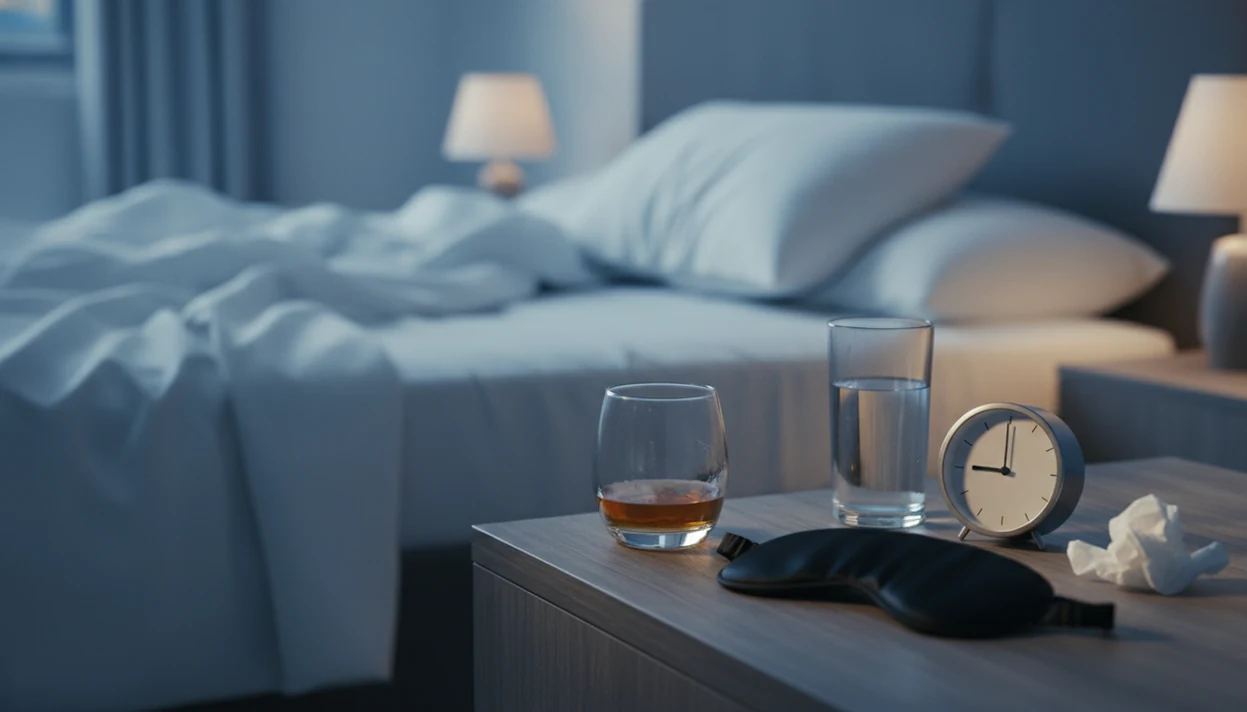
Sleep is a repeating sequence of light sleep, deep sleep, and REM sleep, not one steady state. Alcohol may increase heavier sleep early in the night while reducing REM sleep and making later sleep less stable. In a 2003 controlled sleep study, three alcohol doses before bed reduced REM sleep by 9.3 percent and cut REM time by 24.1 minutes during the first half of the night. Slow-wave sleep increased by 6.8 percent during that period. The result was a changed sleep pattern, not simply better deep sleep.
| Morning pattern | Sleep disruption is more likely | Hangover effects are more likely |
|---|---|---|
| Night | Repeated waking, early waking, restless sleep | Long sleep followed by physical discomfort |
| Head and focus | Heavy eyelids, slow thinking, poor focus | Headache, light sensitivity, shakiness |
| Body | Unrested despite enough time in bed | Thirst, nausea, dry mouth, stomach upset |
Fluids, food, and time may ease thirst or stomach symptoms, but they cannot recreate REM sleep lost overnight. Alcohol is also not a dependable sleep treatment. CDC sleep guidance recommends avoiding alcohol near bedtime because it can disturb sleep even when it initially causes drowsiness.
Dehydration, blood sugar, and nighttime breathing
Next-day alcohol grogginess is not only a hangover and not only REM loss. It can come from fluid loss, blood-sugar swings, and breathing changes during sleep.
Dehydration and overnight urination
Alcohol can suppress vasopressin, which helps the body conserve water, so urine output may increase overnight. NIAAA describes alcohol’s diuretic effect as one contributor to hangover symptoms such as thirst, weakness, and headache NIAAA statistics. The lived version is simpler: waking at 4:10 a.m. to urinate, then returning to bed with a dry mouth and a racing thought loop. Mild dehydration can add thirst, headache, and low energy.
Blood sugar may also shift after drinking, especially when alcohol replaces food or follows a sugary mixer. Some people describe morning shakiness, weakness, or a drained feeling. Electrolytes are not the whole story, but they can be part of it; the alcohol electrolyte hangover guide covers that piece.
Snoring and sleep apnea risk
Alcohol can relax throat muscles, making snoring more likely in some people. In those with sleep apnea risk, alcohol may worsen airway collapse and repeated breathing pauses. A 2020 systematic review and meta-analysis found alcohol consumption was associated with about a 25% higher risk of sleep apnea the NIH.
Ask a clinician about loud snoring, witnessed breathing pauses, nighttime gasping, morning headaches, or daytime sleepiness that makes driving unsafe.
How alcohol affects blood sugar and contributes to next-day fatigue
The liver normally releases glucose between meals and overnight. When alcohol arrives, the liver gives alcohol metabolism priority, which can temporarily reduce glucose production and release. One fasting study in people without diabetes found that alcohol suppressed liver glucose production by about 45 percent. That does not mean everyone who drinks will develop hypoglycemia. Risk depends on food intake, alcohol amount, medications, timing, and underlying health.
| Symptom pattern | Possible contributor | Practical response |
|---|---|---|
| Shaking, sweating, hunger | Low blood sugar, anxiety, or withdrawal | Eat if able; follow your diabetes treatment plan if applicable |
| Heavy fatigue and brain fog | Fragmented sleep, dehydration, or glucose changes | Rest, eat balanced food, hydrate, and track the pattern |
| Confusion or fainting | Severe low blood sugar or another urgent problem | Get immediate medical help |
People who use insulin or certain diabetes medicines can remain at risk for low blood sugar for hours after drinking, sometimes into the next day. Drinking without food can raise that risk. A glucose reading from 55 to 69 mg/dL is considered low for a person with diabetes, but each person should follow the treatment instructions supplied by their clinician.
Do not assume shaking after drinking is only a blood sugar problem. Tremor, sweating, anxiety, nausea, and a racing heart can also be alcohol withdrawal signs.
Earlier drinks vs bedtime drinks
The more and later someone drinks, the more likely sleep disruption becomes. Higher doses take longer to metabolize, so the sleep-disrupting phase can extend deeper into the night or even into the morning.
Timing matters. A drink with dinner may affect sleep differently than two drinks in the last hour before bed. Bedtime alcohol is more likely to collide with REM sleep, awakenings, reflux, bathroom trips, and snoring. Feeling less drunk because of tolerance does not mean sleep is protected. The brain and airway can still be affected.
A practical, nonjudgmental experiment is to compare three nights: no alcohol, earlier alcohol, and later alcohol. Keep the rest ordinary. Record bedtime, last drink time, awakenings, and energy from 1 to 10. If the later-drinking night repeatedly brings fog, the pattern is useful information. Not a moral verdict. Just data.
Daily limits are not sleep guarantees
Current CDC guidance on moderate alcohol use sets an upper limit of two drinks in a day for men and one for women on days alcohol is consumed. These limits are not targets and do not guarantee unaffected sleep. Some people notice insomnia, reflux, snoring, or fatigue after less.
The CDC defines binge drinking as four or more drinks for women or five or more for men on one occasion. Heavy drinking means eight or more drinks per week for women or 15 or more for men. Drinking less, or not drinking, carries lower health risk. People drinking heavily or daily may need medical support to reduce safely.
Reduce alcohol-related fatigue without chasing sleep hacks
Alcohol fatigue reduction is risk reduction, not a promise of perfect sleep. Drinking less overall, choosing alcohol-free nights, and stopping earlier in the evening may give the body more time to metabolize alcohol before sleep.
- Set a sleep-focused limit. Choose a drink limit or alcohol-free night before the evening starts.
- Stop earlier. Give your body more hours between the last drink and bedtime.
- Eat and hydrate. Pair drinking with food and water rather than using alcohol as a sleep aid.
- Log the pattern. Record drinks, last drink time, awakenings, sleep quality, cravings, streaks, and milestones.
- Review weekly. Look for repeat links between alcohol timing and morning energy.
A notebook or general drink tracker can support private tracking for adults who are cutting back. It can help you log cravings, streaks, drink timing, sleep notes, and milestones, but it is not medical detox, diagnosis, emergency care, or treatment for alcohol withdrawal.
For people cutting back, a private tracking system is often easier than memory because alcohol fatigue patterns depend on timing, dose, and sleep quality together. More app-based limit planning is covered in the best drink less app guide.
Why am I tired after drinking alcohol, even after a full night's sleep?
A full night in bed may include more awakenings, less REM sleep, nighttime urination, reflux, or worsened snoring. You might not remember every interruption. If you cut back after heavy, regular drinking, sleep can also become worse temporarily because of nervous system rebound or withdrawal. Reviews have reported insomnia symptoms in 36 percent to 91 percent of people during acute withdrawal and early recovery, with the wide range reflecting different populations and definitions.
Check safety before changing your drinking
- Record how much and how often you drink, plus any previous trouble cutting back.
- List sleep medicines, antidepressants, stimulants, pain medicines, and other sedating drugs.
- Note shaking, sweating, nausea, marked anxiety, a racing heart, hallucinations, or previous withdrawal seizures.
- Track a baseline week of drink timing, wake-ups, naps, cravings, and next-day energy.
Withdrawal can begin 6 to 12 hours after the last drink and is often worst during the first 48 hours. Sleep may take several weeks to settle after heavy use. If you drink heavily every day, need alcohol to feel normal, or have had dangerous withdrawal before, get medical advice rather than stopping suddenly. The NHS alcohol support guidance describes withdrawal symptoms and treatment options.
Signs your fatigue needs medical evaluation
Seek professional help right away for severe withdrawal symptoms, confusion, chest pain, seizures, or any symptom that feels urgent or unsafe. This page is educational only; it cannot diagnose alcohol withdrawal, sleep apnea, depression, anemia, thyroid disease, or any other condition.
If fatigue keeps showing up even after reducing alcohol, it is worth bringing the pattern to a qualified clinician. The same is true for loud snoring, witnessed breathing pauses, gasping at night, or severe daytime sleepiness, because breathing problems can make “enough sleep” feel useless.
- Get urgent care if you have seizures, chest pain, severe confusion, hallucinations, fainting, or intense withdrawal symptoms.
- Tell a clinician about medications, supplements, sleep aids, and alcohol timing, since combinations can change sedation, breathing, and next-day alertness.
- Describe sleep-apnea clues such as loud snoring, pauses others notice, morning headaches, or falling asleep when you need to stay awake.
- Ask about other causes if exhaustion persists, including depression, anemia, thyroid symptoms, chronic insomnia, or another medical issue.
- Bring your log of drinks, last drink time, awakenings, mood, and morning energy so the visit starts with data, not guesswork.
How alcohol causes chronic fatigue, poor sleep, and low energy
Repeated drinking can create a cycle of sedation, broken sleep, slow mornings, and more alcohol used to settle down the next night. Alcohol may be one contributor rather than the only cause. Irregular schedules, nicotine, dehydration, low iron, thyroid problems, depression, medication effects, sleep apnea, and liver disease can produce similar fatigue.
Use an alcohol-fatigue log for two to four weeks
- Record the number of drinks and the time of your last drink.
- Write down bedtime, wake time, nighttime awakenings, and naps.
- Rate morning and afternoon energy from 1 to 10.
- Add meals, hydration, nicotine, medications, stress, exercise, illness, and mood.
- Compare drinking days with alcohol-free days rather than judging one isolated morning.
A log can identify a repeated link, but it cannot diagnose the cause. Ask for medical evaluation if fatigue is severe, worsening, or still present after several alcohol-free weeks. Mention dizziness, chest symptoms, unexplained weight loss, jaundice, persistent low mood, heavy periods, loud snoring, gasping, or morning headaches. CDC sleep information also recommends discussing persistent sleep problems with a health professional.
Alcohol, sleep, and fatigue questions
Why am I tired after drinking even when I slept eight hours?
Eight hours in bed does not guarantee eight restorative hours. Alcohol can reduce REM sleep, cause repeated brief awakenings, increase bathroom trips, worsen reflux, and relax the airway. Dehydration and blood sugar changes may add to the fatigue, so you can wake feeling drained without remembering a particularly restless night.
Does alcohol reduce REM sleep?
Yes, alcohol can reduce or delay REM sleep, particularly when consumed close to bedtime. The effect varies with dose, timing, tolerance, medications, and existing sleep problems. REM disruption may show up the next morning as poor focus, slower thinking, irritability, or a feeling that sleep did not provide a mental reset.
Can one alcoholic drink affect sleep?
It can. Some people notice little effect, while others develop lighter sleep, reflux, snoring, an early awakening, or next-day fatigue after one drink. Body size, sex, food, medication use, drinking time, and sleep apnea risk all matter. Daily drinking limits are health-risk guidelines, not promises of undisturbed sleep.
Why does alcohol make me sleepy and then keep me awake?
Alcohol initially slows nervous system activity, which can shorten the time it takes to fall asleep. As the body metabolizes it, that sedating effect fades. Rebound alertness, a faster heart rate, stress-hormone activity, thirst, reflux, and bathroom trips can then make the second half of the night lighter and more restless.
Does alcohol make snoring or sleep apnea worse?
Alcohol relaxes muscles around the upper airway, which can worsen snoring and breathing obstruction in susceptible people. Seek assessment for loud regular snoring, witnessed breathing pauses, gasping, morning headaches, or severe daytime sleepiness. Avoid driving if sleepiness makes it hard to stay alert.
How long can alcohol-related fatigue last?
Fatigue from a single night often improves with food, fluids, rest, and time, but the duration depends on the amount consumed and the degree of sleep disruption. Repeated drinking can make low energy persistent. Fatigue lasting through several alcohol-free weeks deserves medical evaluation for sleep apnea, anemia, thyroid disease, depression, medication effects, or other causes.
Why is my sleep worse after cutting back on alcohol?
After heavy or regular drinking, the nervous system can become more active as alcohol is reduced. Insomnia, anxiety, sweating, tremor, nausea, or a racing heart may begin within hours. Do not manage this alone if you drink heavily every day or have had withdrawal before. Alcohol withdrawal can become dangerous and may require supervised treatment.
Is alcohol a safe way to fall asleep faster?
No. Alcohol may make you drowsy and shorten the time needed to fall asleep, but later sleep is often lighter and more fragmented. It can also worsen breathing, reflux, and medication-related sedation. Mixing alcohol with sleeping pills, opioids, or other sedatives can be dangerous unless a clinician has specifically advised otherwise.