

How Alcohol Affects Electrolytes During a Hangover
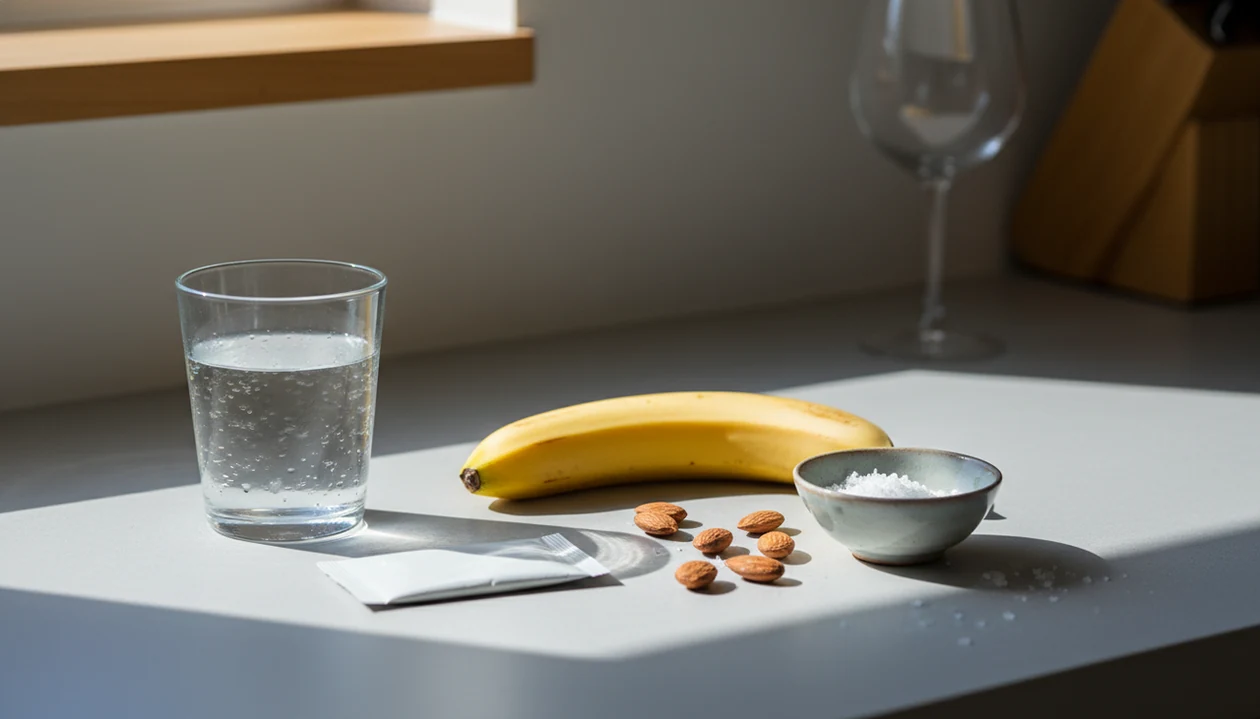
The practical answer
Alcohol increases urination and can contribute to fluid and electrolyte losses, especially with vomiting, diarrhea, sweating, or little food. Electrolyte drinks may support rehydration, but they do not cure a hangover or treat alcohol withdrawal. Severe weakness, confusion, fainting, chest pain, seizures, or persistent vomiting require medical care.
A dry mouth and pounding head may suggest dehydration, but a hangover is rarely just a water problem. Alcohol also disrupts sleep, irritates the stomach, affects stress signals, and produces inflammatory and metabolic effects. That is why an electrolyte drink may help thirst or weakness without clearing every symptom.
The first question is not which powder to buy. Check whether you can keep fluids down, think clearly, walk normally, and see symptoms improving. For people who drink heavily most days, morning shaking or sweating can be withdrawal rather than a routine hangover.
What an electrolyte-related hangover can feel like
An alcohol electrolyte imbalance hangover means drinking has disturbed fluids and minerals enough to add to next-day symptoms. The main minerals people ask about are sodium, potassium, and magnesium, but water balance matters just as much.
Common symptoms include shakiness, anxiety, muscle cramps, palpitations, dizziness, brain fog, thirst, and weakness. A person may notice it while trying to answer a text with shaky fingers over a phone screen. That feeling can be real without proving a dangerous lab abnormality.
Electrolytes are supportive context, not the whole hangover story. Sleep disruption, stomach irritation, acetaldehyde, inflammation, low food intake, and nervous system rebound also matter. People cutting back often notice these symptoms more because they are finally tracking body reactions instead of writing them off as “just Sunday.”
When hydration advice is not enough
Electrolyte advice is only for mild support after drinking, not a way to diagnose or treat a medical problem. This page is educational and cannot replace personal advice from a clinician who knows your health history.
Mild hangover support usually means small sips, food, rest, and time when symptoms are improving and you can think clearly, keep fluids down, and walk normally. Same-day medical care is different: get help for chest pain, fainting, confusion, severe weakness, persistent vomiting, seizures, a new irregular heartbeat, or symptoms that feel frightening or unusual.
Alcohol withdrawal deserves separate attention. Tremors, sweating, anxiety, nausea, insomnia, or palpitations that worsen as alcohol wears off, happen after daily heavy drinking, or improve after more alcohol may be withdrawal rather than ordinary dehydration.
- Treat mild thirst, headache, and weakness with slow fluids, food, and rest if symptoms are stable.
- Watch for escalation, especially confusion, collapse, severe shaking, or repeated vomiting.
- Check with a clinician before using electrolyte powders or supplements if you have kidney disease, a heart condition, pregnancy, or a pattern of heavy daily drinking.
- Use urgent care or emergency services for severe symptoms instead of trying to self-correct with salt, potassium, magnesium, or water.
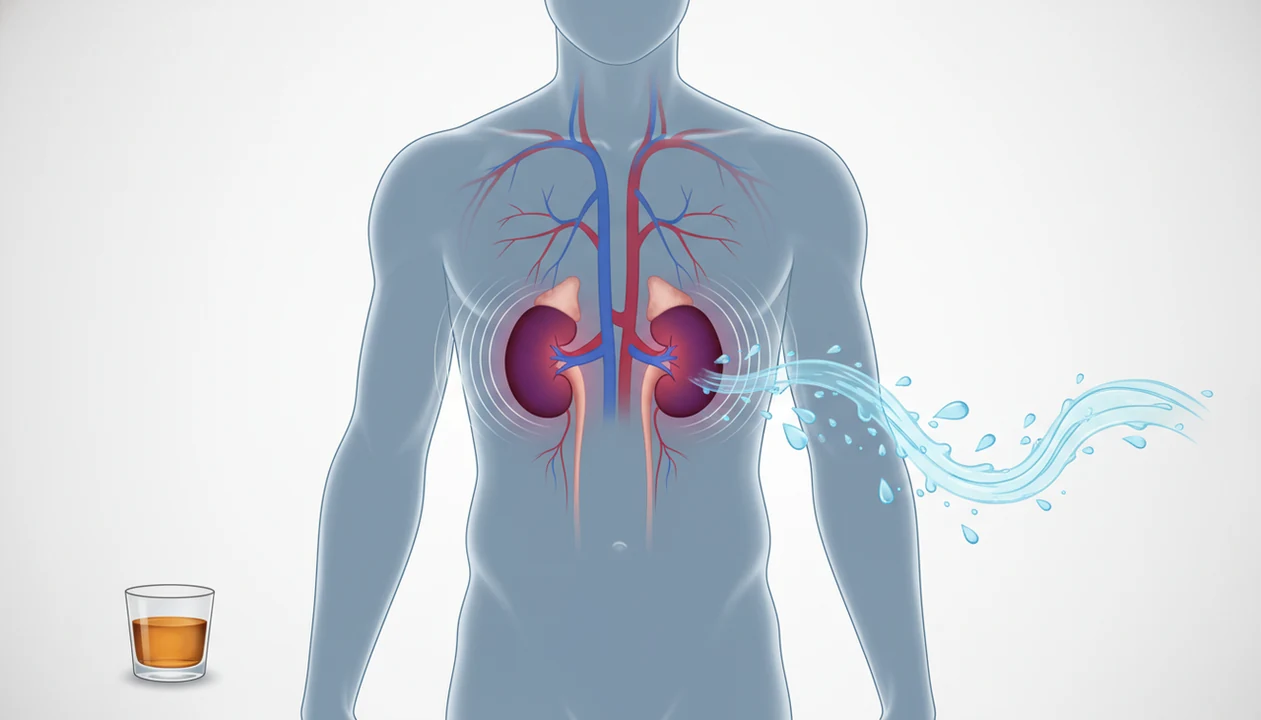
Why alcohol makes you urinate more
Alcohol-related fluid loss starts when alcohol inhibits antidiuretic hormone, also called vasopressin, which normally helps the kidneys retain water. NIAAA describes dehydration as one contributor to hangover symptoms and explains that alcohol can increase urination by affecting antidiuretic hormone: https://www.niaaa.nih.gov/publications/brochures-and-fact-sheets/hangovers.
When vasopressin drops, urine output rises. That extra urination can remove water and dissolved minerals. Sweating, vomiting, and diarrhea can add more loss, especially after heavy drinking, hot rooms, dancing, or poor sleep. Experimental work from 2019 found that alcohol-related vasopressin suppression can cause measurable dehydration within hours.
That is the basic “how it works” mechanism. Your body uses sodium, potassium, magnesium, calcium, and water balance to run nerve signals and muscle contraction. Sodium, potassium, magnesium, and calcium help nerves carry signals and muscles contract and relax.
The larger hangover picture includes brain chemistry and sleep. Our guide to how long alcohol affects body explains why next-day symptoms can outlast the last drink.
Sodium, potassium, and magnesium the morning after
- Alcohol is a diuretic. It increases urination by suppressing vasopressin, so fluid loss can begin during the drinking window rather than the next morning.
- Vomiting, diarrhea, and sweating can worsen losses. A hot bedroom, skipped dinner, or nausea after the last drink can turn mild dehydration into a rougher morning.
- Sodium supports fluid balance and nerve signaling. Too much plain water without food can sometimes leave a person still weak or washed out.
- Potassium and magnesium support muscle and heart electrical activity. Shifts in intake or losses may contribute to hangover muscle cramps, twitching, heavy legs, or a pounding-heart sensation.
- Electrolytes cannot reverse the whole hangover. Electrolyte support may help weakness or cramps, but it does not undo intoxication, poor sleep, inflammation, acetaldehyde effects, or alcohol’s effects on stress hormones.
For a mild hangover, combine slow fluids with food, rest, and time. Drinking less is more reliable than trying to repair the effects the next morning.
Does alcohol deplete electrolytes every time?
Not every hangover produces a major electrolyte deficiency. A 2024 paper reported a rise in sodium and a fall in potassium during the hangover state, changes attributed to increased urination. The same paper reviewed earlier research involving 90 healthy volunteers, half of them women, that found negligible electrolyte and mineral changes and no biomarker evidence of substantial dehydration. The peer-reviewed hangover and dehydration paper shows why symptoms alone cannot confirm low sodium, potassium, or magnesium.
Vomiting, diarrhea, heavy sweating, poor food intake, and repeated heavy drinking make clinically meaningful fluid or mineral problems more plausible.
Repeated drinking and low magnesium
Magnesium helps muscles relax, supports nervous system regulation, and is involved in normal sleep quality. When people discuss alcohol magnesium depletion, they are usually describing repeated drinking patterns, poor intake, and urinary losses rather than a single symptom proving deficiency.
For magnesium’s roles, food sources, supplement cautions, and kidney-related safety concerns, see the NIH Office of Dietary Supplements magnesium fact sheet: https://ods.od.nih.gov/factsheets/Magnesium-HealthProfessional/.
Repeated alcohol use can crowd out balanced meals. It can also increase bathroom trips and make breakfast feel impossible. Over time, that combination may show up as muscle twitches, cramps, poor sleep, irritability, and mood changes. Still, those symptoms are not a diagnosis. Low magnesium, low food intake, anxiety, nicotine withdrawal, and poor sleep can overlap.
Food-first replenishment is the safer default for most healthy adults. Leafy greens, beans, nuts, seeds, whole grains, yogurt, and regular meals all help restore intake without guessing at supplement doses.
High-dose magnesium is not harmless. People with kidney disease or medications affecting the heart, kidneys, or blood pressure should ask a clinician before supplementing.
Call 911 for a seizure, confusion, hallucinations, fainting, chest pain, severe agitation, or a new irregular heartbeat. If you drink heavily every day or have had withdrawal before, do not stop suddenly without medical advice.
Why do cramps, palpitations, and internal tremors happen?
“Why do I get cramps, palpitations, or internal tremors after drinking?” These symptoms can come from dehydration, mineral shifts, low food intake, poor sleep, anxiety, and rebound nervous system activation after alcohol wears off.
Cramps may reflect muscle irritability. The cause can be alcohol dehydration electrolytes, but also lying tense for hours, skipping dinner, or sweating through sleep. Palpitations often relate to alcohol’s effects on the nervous system, dehydration, anxiety, blood pressure changes, and fragmented sleep. A rain-specked windshield during a smoke break can become the exact moment someone notices the chest pounding.
Internal tremors are different from ordinary tiredness. They may reflect stress chemistry rising as alcohol leaves the body. They can also overlap with withdrawal, especially in people who drink heavily or daily.
These symptoms are not always proof of dangerously low electrolytes. However, chest pain, fainting, confusion, severe weakness, persistent vomiting, or a new irregular heartbeat needs urgent medical evaluation. Do not try to self-correct severe symptoms with powders or salt.
Electrolyte drinks vs food and fluids
Electrolyte drinks can support rehydration when someone has been sweating, vomiting, not eating, or urinating frequently. They do not cure hangover anxiety, brain fog, poor sleep, acetaldehyde effects, or inflammation.
| Option | What it may help | What it does not do |
|---|---|---|
| Oral rehydration drink | Fluid and sodium replacement | Reverse intoxication or withdrawal |
| Broth or soup | Salt, fluid, and easier calories | Fix poor sleep or nausea by itself |
| Banana, fruit, smoothie | Potassium, carbohydrate, fluid | Replace a full balanced meal |
| Normal breakfast | Sodium, potassium, magnesium, energy | Cure heavy drinking effects |
| IV drip | Medical hydration in selected cases | Serve as routine hangover care |
Timing is simple: before bed, sip fluids only if you are alert, not vomiting, and can swallow safely. The next morning, use small sips and food as tolerated; drinking less remains more reliable than trying to repair dehydration after heavy alcohol use.
- Sip slowly if your stomach is unsettled.
- Add food such as toast, soup, fruit, eggs, or yogurt.
- Avoid chugging plain water when you have not eaten and feel washed out.
- Rest and reassess symptoms over the next few hours.
- Seek care if vomiting persists, confusion appears, or weakness becomes severe.
Use electrolytes without making nausea worse
Use electrolyte support as a gentle rehydration tool, not as a reset button for heavy drinking. The safest approach is slow fluids, simple food, rest, and clear limits on when symptoms need medical care.
- Start with small sips if nausea, reflux, or stomach irritation is present. A few mouthfuls every several minutes is often easier than forcing a full bottle at once.
- Pair fluids with simple food when you can tolerate it. Toast, soup, crackers, fruit, eggs, yogurt, or a small breakfast can add sodium, carbohydrate, and glucose support without overloading the stomach.
- Avoid high-dose potassium or magnesium powders, pills, or concentrated drops unless a clinician recommends them, especially with kidney disease, heart conditions, blood pressure medicines, or uncertain supplement labels.
- Rest and reassess over the next few hours. If shakiness is improving with fluids, food, and time, that is different from symptoms that keep escalating.
- Do not drink more alcohol to steady tremors, palpitations, or anxiety. Seek medical care for confusion, chest pain, fainting, seizures, persistent vomiting, or symptoms that feel severe or unusual.
Hangover or withdrawal? Timing changes the answer
Anxiety, sweating, tremors, palpitations, insomnia, and nausea can appear in both hangovers and alcohol withdrawal. Timing matters. Symptoms that appear as alcohol wears off, worsen over repeated mornings, or improve after more alcohol can be a warning sign.
A mild hangover after two extra drinks is different from withdrawal risk after heavy daily drinking. Medical support is especially important with prior withdrawal symptoms, seizures, confusion, severe anxiety, hallucinations, or a history of needing alcohol to steady the body.
A useful craving log records time, trigger, intensity, and response. For example: 8:40 p.m., argument, 7/10, sparkling water in a rocks glass. People comparing phone-based support can also read our best drink less app guide.
The 6 to 72-hour alcohol withdrawal window
Alcohol withdrawal can begin 6 to 24 hours after a person stops or sharply reduces heavy, prolonged drinking, according to NIAAA clinical guidance on alcohol use disorder. Early symptoms can include tremor, sweating, anxiety, nausea, insomnia, a rapid heartbeat, and elevated blood pressure.
| Time | Possible development | Action |
|---|---|---|
| 6 to 24 hours | Tremor, sweating, anxiety, nausea, insomnia, fast heart rate | Contact a clinician, especially after heavy daily drinking |
| 24 to 48 hours | Seizures may occur in severe withdrawal | Call 911 for any seizure |
| 48 to 72 hours | Confusion, hallucinations, agitation, or delirium may develop | Seek emergency care |
Cleveland Clinic withdrawal guidance describes seizures and delirium as serious complications. Electrolyte drinks do not prevent them. A person who drinks heavily every day, drinks in the morning, or has had withdrawal seizures or hallucinations should get medical advice before cutting down or stopping.
Questions about hangovers and electrolytes
Do electrolytes help hangovers?
They may help replace fluid and sodium after vomiting, diarrhea, sweating, frequent urination, or poor food intake. They are less likely to change symptoms caused by poor sleep, stomach irritation, inflammation, or nervous system rebound. An electrolyte drink does not sober you up, cure a hangover, or prevent alcohol withdrawal.
What are the best electrolytes for a hangover?
For mild symptoms, an oral rehydration drink, broth, soup, or food with water is usually more sensible than a concentrated supplement. Sodium and glucose help fluid absorption, while ordinary meals provide potassium and magnesium. Avoid high-dose powders or pills unless a clinician recommends them, particularly with kidney, heart, or liver disease.
Does alcohol deplete electrolytes every time?
No. Alcohol increases urination, but research does not show that every hangover causes major electrolyte depletion. Risk is more plausible after heavy drinking combined with vomiting, diarrhea, sweating, little food, or repeated alcohol use. Symptoms such as weakness and brain fog cannot show which electrolyte is low without medical assessment and blood tests.
Why do I feel shaky after drinking alcohol?
Shakiness can come from poor sleep, dehydration, low food intake, anxiety, or nervous system rebound as alcohol wears off. Tremor with sweating, nausea, insomnia, or a racing heart can also be alcohol withdrawal, especially after heavy daily drinking. Do not try to manage possible withdrawal with electrolyte drinks alone.
Should I take magnesium for a hangover?
A hangover symptom does not prove magnesium deficiency. Food sources are generally safer than high-dose supplements, which can cause diarrhea and may be unsafe with kidney problems or some medicines. Persistent vomiting, malnutrition, severe weakness, or heavy daily drinking may require blood testing and medically directed replacement rather than a home supplement.
Can a hangover cause heart palpitations?
Alcohol, dehydration, anxiety, poor sleep, blood pressure changes, and withdrawal can all contribute to a pounding or fluttering heartbeat. Rest, slow fluids, and food may help mild symptoms that steadily improve. Seek urgent care for chest pain, fainting, severe weakness, breathing trouble, or a new irregular heartbeat.
When should I drink electrolytes after alcohol?
If you are awake, able to swallow safely, and not repeatedly vomiting, take small sips before bed or the next morning. Pair fluids with crackers, soup, toast, fruit, yogurt, or another tolerated food. Chugging a large bottle can worsen nausea. Persistent vomiting or inability to retain fluids needs medical care.
How can I tell a hangover from alcohol withdrawal?
Withdrawal is more likely after heavy, prolonged drinking when shaking, sweating, anxiety, nausea, insomnia, or a rapid heartbeat begins as alcohol wears off. Symptoms that improve after another drink are also concerning. Withdrawal can start within 6 to 24 hours and become dangerous, so get medical advice before abruptly stopping heavy daily alcohol use.