
How Long Alcohol Can Affect Your Body After Drinking
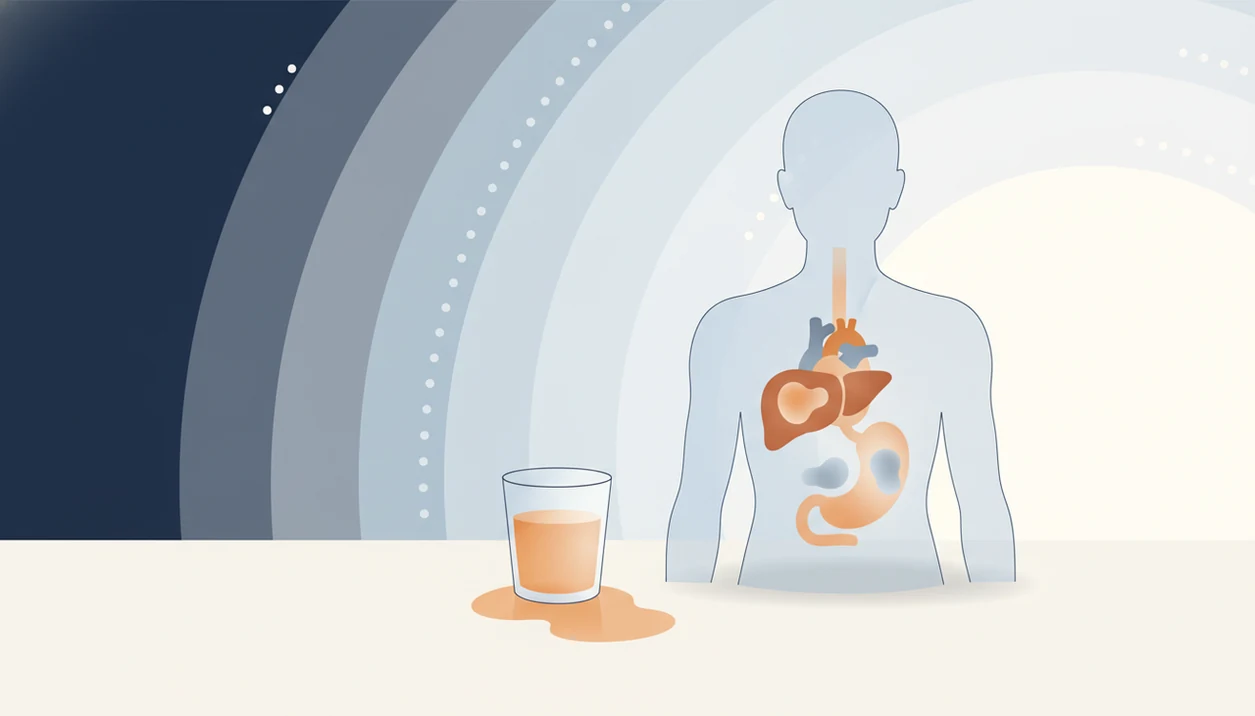
The morning after drinking can be confusing. You may no longer feel drunk, yet still feel shaky, exhausted, anxious, nauseated, or mentally slow. That gap exists because intoxication and physical recovery run on different clocks.
How much you drank matters, but so do the size of each pour, drinking speed, food, sleep, medications, liver health, and your usual drinking pattern. Separating alcohol clearance from hangover symptoms, detection windows, and withdrawal risk gives you a more useful timeline.
The quick version
Alcohol often clears from the bloodstream within about 12 to 24 hours, but disrupted sleep, anxiety, stomach problems, elevated heart rate, and poor concentration may continue for 1 to 3 days after heavier drinking. Time, not coffee or cold showers, clears alcohol. Severe, worsening, or unusual symptoms need medical attention.
The First 72 Hours After a Night of Drinking
Alcohol intoxication and lingering alcohol effects are different timelines. Intoxication fades as blood alcohol drops, but sleep, mood, digestion, and focus can stay disrupted for one to three days after heavier drinking.
A rough frame looks like this: during the first 6-12 hours, your liver is still clearing alcohol, especially if the night included several drinks or a late final pour. By the next morning, you may not feel drunk, but your sleep architecture, hydration, gut lining, and stress chemistry may still be off. Poor-quality sleep can leave you unusually drained the next day, even after an alcohol-free night.
Sleep, mood, digestion, and concentration commonly take 24 to 72 hours to settle after heavier drinking. Some people feel off longer because of dose, age, sex, liver health, medication use, poor sleep, or anxiety sensitivity.
Feeling sober does not confirm that your sleep, reaction time, digestion, or mood has returned to normal.
How Long Sleep, Mood, Digestion, and Focus Stay Affected
Alcohol affects different body systems on different clocks. Blood alcohol usually clears first, while sleep quality, mood, digestion, and inflammation may take longer to settle.
| Body system | Typical window after drinking | What you may notice |
|---|---|---|
| Blood alcohol | Roughly 12-24 hours, depending on amount and individual factors | Impairment risk, slowed reaction time, poor judgment |
| Sleep | Often one to two nights after heavy drinking | Early waking, restless sleep, low energy |
| Mood and anxiety | Commonly 24-72 hours | Irritability, low mood, “hangxiety,” poor patience |
| Digestion and hydration | Often one to three days | Nausea, reflux, bloating, headache, thirst |
| Immune and inflammation effects | May linger several days after binge drinking | Achy feeling, slow workout recovery, feeling run down |
If the main symptom is exhaustion, the deeper sleep story is covered in why alcohol makes you tired.
For most adults, alcohol recovery feels slow because the body is repairing several systems at once, not because alcohol is still creating a buzz.
Why Only Time Lowers Alcohol in Your Blood
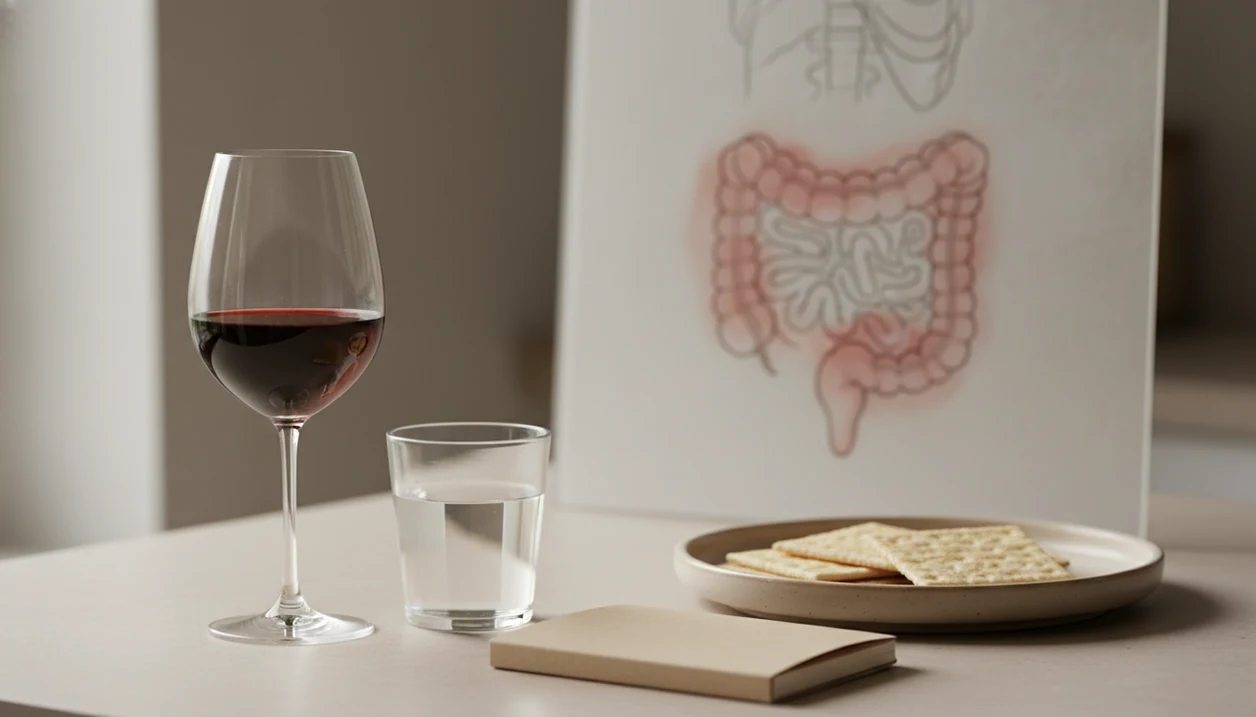
Alcohol metabolism is the liver’s process of breaking alcohol into byproducts and clearing them from the bloodstream at a fairly fixed pace. That pace is why time matters more than any hangover trick.
Most healthy adults metabolize alcohol at a fairly fixed rate, often summarized as about one standard drink per hour, although blood alcohol level varies by body size, sex, food, medications, and liver health (NIAAA: https://www.niaaa.nih.gov/publications/brochures-and-fact-sheets/understanding-dangers-alcohol-overdose). Alcohol’s half-life is often estimated around 4-5 hours, and alcohol commonly leaves the bloodstream within 12-24 hours after heavier drinking, depending on dose and individual factors. Food can slow absorption, which may blunt the spike, but it does not make the liver work faster once alcohol is in the blood.
Coffee, cold showers, energy drinks, and loud motivation do not sober the body up faster. They may make you feel more awake while your reaction time and judgment are still impaired.
Count Standard Drinks, Not Glasses
The estimate of roughly one drink per hour refers to standard drinks, not containers or home pours. In the United States, one standard drink contains about 14 grams of pure alcohol. That is approximately 12 ounces of 5% beer, 5 ounces of 12% wine, or 1.5 ounces of 40% spirits.
A strong beer, tall can, large wine pour, or mixed drink may contain two or more standard drinks. Check the alcohol percentage and serving size before estimating a timeline. The CDC alcohol guidance also defines binge drinking as four or more drinks for women or five or more for men on one occasion. These are higher-risk thresholds, not safe limits.
Why a Hangover Can Continue for Two or Three Days
Alcohol hangover symptoms can last for days because alcohol disrupts sleep, hydration, gut function, inflammation, and brain chemistry at the same time. The result can be fatigue, anxiety, nausea, foggy focus, and that tight-chest “I need something” feeling.
NIAAA describes hangovers as involving dehydration, poor sleep, gastrointestinal irritation, inflammation, and acetaldehyde exposure, which is why symptoms can feel broader than simple tiredness (NIAAA: https://www.niaaa.nih.gov/publications/brochures-and-fact-sheets/hangovers).
- Alcohol disrupts sleep architecture, especially REM sleep and deeper restorative sleep.
- Alcohol can worsen dehydration and electrolyte shifts, which may add headache, thirst, and weakness.
- Alcohol irritates the gut, so nausea, reflux, appetite changes, and bloating can continue after the buzz is gone.
- Alcohol can activate inflammatory and immune responses, which may leave the body feeling sore or run down.
- Alcohol changes brain chemistry linked with anxiety, low mood, reward, and attention.
Sleep debt after alcohol
A full night in bed can still be poor recovery if alcohol fragments sleep. Many people notice the second-day drag more than the first morning.
Mood chemistry after alcohol
Alcohol can temporarily push reward and calming pathways, then leave a rebound effect. The alcohol dopamine reward system explains why cravings can show up after the hangover starts.
Call emergency services for a seizure, severe confusion, hallucinations, trouble breathing, inability to wake, blue-tinged skin, or repeated vomiting. If you drink heavily every day, get medical advice before stopping suddenly because alcohol withdrawal can be dangerous.
When the Timeline Points to Alcohol Withdrawal
A hangover follows a drinking episode. Withdrawal happens when a person whose body has adapted to regular heavy drinking cuts down or stops. Symptoms can begin about 6 to 12 hours after the last drink, become worse during the first 24 to 48 hours, and continue for 3 to 7 days. Anxiety, insomnia, nausea, sweating, shaking, and a rapid heartbeat can occur.
NHS guidance on alcohol dependence warns that suddenly stopping can be harmful for people who are physically dependent. Do not attempt an unsupervised detox if you drink heavily every day, have previously had withdrawal seizures or delirium, or develop significant symptoms when you miss a drink.
A seizure, hallucinations, severe confusion, fever, extreme agitation, fainting, chest pain, trouble breathing, or repeated vomiting requires emergency care.
Alcohol Detection Windows vs Whole-Body Recovery
Alcohol detection windows do not tell the same story as whole-body recovery. A person can feel sober, test negative later, and still have disrupted sleep, digestion, mood, or focus.
| Measure | What it reflects | Typical window |
|---|---|---|
| Blood or breath alcohol | Recent alcohol in the body and possible impairment | Often up to 12-24 hours, depending on amount |
| Standard urine test | Recent alcohol use | Often up to about 12 hours |
| EtG urine test | Alcohol byproducts after use | Often 24-72 hours or longer |
| Hair testing | Past exposure, not current impairment | Up to about 90 days |
| Body recovery | Sleep, mood, gut, hydration, inflammation | Often 24-72 hours after heavier drinking |
Do not use detection windows as driving, workplace, probation, or legal advice. Testing rules vary, and impairment can be present before someone feels obviously drunk.
For behavior change, the useful note is simpler: one night drinking body effects may outlast the period when alcohol is detectable by common short-window tests.
What Makes Alcohol Effects Last Longer?
Alcohol recovery time varies because dose, biology, health, and context all change the load on the body. Two people can drink the same amount and have very different next-day symptoms.
- Amount and speed matter: Six drinks in three hours usually creates a different recovery problem than two drinks with dinner.
- Body factors matter: Body size, sex, genetics, age, and liver health can change blood alcohol levels and recovery time.
- Medication and sleep matter: Some medications, poor sleep, dehydration, and mental health strain can make symptoms feel stronger.
- Binge thresholds matter: Per the CDC, binge drinking means 4 or more drinks for women or 5 or more drinks for men on one occasion (CDC: https://www.cdc.gov/alcohol/about-alcohol-use/binge-drinking.html).
- Patterns matter: Repeated weekend drinking can create a recurring recovery cycle, where Monday focus and midweek mood never fully reset.
A weeknight pour after laptop shutdown can become a cue, routine, reward loop. If that cue keeps repeating, the body may spend more days recovering than expected.
What to Do While Your Body Recovers
Use alcohol recovery steps to reduce symptom load, not to “detox” alcohol faster. The liver still needs time, but your next choices can make the next 24 hours easier.
- Rest your body and allow enough time for liver metabolism before making safety-sensitive decisions.
- Hydrate steadily with water or electrolyte-containing fluids if you can tolerate them.
- Eat balanced meals with protein, carbohydrates, and salt if nausea allows.
- Avoid more alcohol as a hangover fix, since it can restart the recovery clock.
- Track the pattern by logging drinks, sleep, anxiety, cravings, and next-day functioning.
- Set an if-then plan for the next drinking cue, such as “If I want another drink after midnight, then I switch to water.”
The useful role is tracking and reset planning, not medical detox, diagnosis, emergency care, or legal testing advice.
Recognize Alcohol Poisoning and Withdrawal
Lingering alcohol effects need medical help when symptoms suggest poisoning, withdrawal, severe mental health risk, or unusual physical danger. Self-management is not enough in those situations.
Seek urgent help for severe confusion, slow or irregular breathing, unconsciousness, repeated vomiting, seizures, very low body temperature, or blue-tinged skin. Those can be alcohol poisoning warning signs. Do not wait for someone to “sleep it off” if they cannot be awakened or their breathing looks wrong.
Withdrawal can also be dangerous after cutting back or stopping, especially after regular heavy drinking. Shaking, sweating, racing heart, hallucinations, severe agitation, seizures, or confusion need professional support.
Persistent panic, depression, or thoughts of self-harm deserve immediate care too. That is not a streak problem. Treat these symptoms as urgent medical concerns, not something to manage with rest or a tracking streak.
Get medical assessment for severe withdrawal symptoms, possible alcohol poisoning, or symptoms that are intense, unfamiliar, or difficult to explain.
How to Use These Timelines Safely
These alcohol timelines are educational estimates, not medical advice, legal advice, or a personal clearance tool. They can help frame what may happen after drinking, but they cannot prove that someone is safe to drive, work, test, or stop drinking without support.
The timing ranges on this page are based on public health and clinical reference points, including NIAAA material on alcohol metabolism, overdose, and hangovers; CDC definitions and risk information for binge drinking; and standard clinical toxicology concepts for blood, breath, urine, EtG, and hair testing. Those sources describe averages across groups, not guarantees for one body on one morning.
Use the timelines as rough recovery ranges, not proof that you are safe to drive, work, or stop heavy drinking without support:
- Treat the windows as rough recovery ranges, not proof of zero impairment.
- Consider dose, speed of drinking, food, sleep, medications, liver health, and regular drinking pattern.
- Separate body recovery from detection testing, since results vary by test type, cutoff level, lab process, and legal or workplace setting.
- Get professional care for possible alcohol poisoning, withdrawal symptoms, seizures, confusion, severe vomiting, hallucinations, or self-harm thoughts.
If symptoms feel severe, new, or hard to explain, the timeline matters less than getting help.
Alcohol Effects and Recovery Questions
How long does alcohol affect your body after one night of drinking?
Blood alcohol may take roughly 12 to 24 hours to clear after heavier drinking, depending on the amount and personal factors. Poor sleep, nausea, reflux, anxiety, headache, fatigue, and slowed concentration can continue for 24 to 72 hours. A large amount, little sleep, medications, or liver problems may extend the timeline.
How long does alcohol stay in your system?
Alcohol in blood or breath generally has a shorter window than alcohol byproducts detected by specialized tests. Blood or breath alcohol may remain measurable for hours, while EtG urine tests can detect use for 24 to 72 hours or longer. Detection does not prove current impairment, and these estimates should not guide driving or legal decisions.
Why do I still feel bad two days after drinking?
Alcohol can disturb sleep, irritate the stomach, contribute to dehydration, affect mood chemistry, and trigger inflammatory responses. Those effects may remain after alcohol has left your bloodstream. Rest, regular fluids, and balanced meals may help symptoms, but worsening pain, repeated vomiting, confusion, breathing problems, or severe shaking needs medical care.
Does coffee sober you up faster?
No. Coffee may make you feel more awake, but it does not make the liver clear alcohol faster or restore safe reaction time. Cold showers, exercise, vomiting, food, and sleep also do not reliably speed elimination. Only time lowers the amount of alcohol in your bloodstream.
How long does hangxiety last after drinking?
Next-day anxiety and irritability often improve within 24 to 72 hours as sleep, hydration, and stress responses settle. The timing varies with the amount consumed, usual anxiety level, sleep loss, and drinking pattern. Severe panic, persistent depression, thoughts of self-harm, or anxiety accompanied by shaking and sweating needs prompt professional help.
Can weekend binge drinking affect the rest of the week?
Yes. A heavy night can disrupt one or two nights of sleep and leave mood, digestion, exercise recovery, and concentration affected for several days. Repeating the pattern every weekend can create a cycle in which sleep and mood never feel fully reset. Tracking drinks and next-day symptoms can make that pattern easier to see.
When are lingering alcohol symptoms dangerous?
Get urgent help for inability to wake, slow or irregular breathing, blue-tinged skin, seizures, hallucinations, severe confusion, chest pain, fainting, or repeated vomiting. Shaking, sweating, agitation, and a racing heart after cutting down may indicate withdrawal. Heavy daily drinkers should seek medical advice before stopping suddenly.