
How Alcohol Affects Dementia, Memory, and Silent Stroke Risk
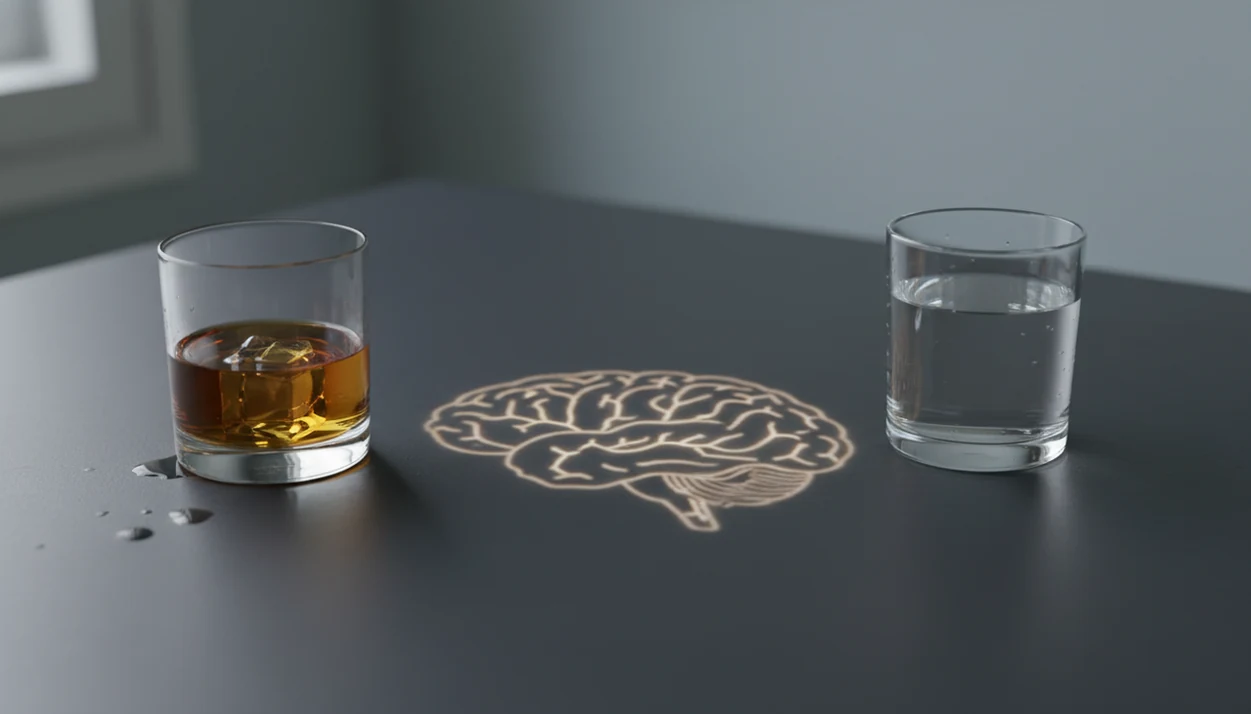
Alcohol can raise dementia, memory-loss, and stroke risk by injuring brain cells, increasing blood pressure, damaging blood vessels, and contributing to silent strokes over time. The strongest alcohol dementia and stroke risk signal is seen with heavy long-term drinking and repeated binge drinking, but newer research does not prove that light or moderate alcohol protects the brain.
Definition: Alcohol-related brain risk refers to the direct and indirect ways drinking can affect memory, cognition, blood vessels, dementia risk, and silent or major strokes over years.
This article is educational and cannot tell whether a specific memory change is dementia, alcohol-related brain injury, medication-related, or another medical condition. Sudden neurological symptoms or worsening confusion need professional medical evaluation.
TL;DR
- Heavy long-term drinking is clearly linked with alcohol-related brain damage, dementia, and higher stroke risk.
- Silent strokes, microbleeds, and brain shrinkage can build up without obvious symptoms before memory or balance problems appear.
- Cutting down or quitting alcohol, managing blood pressure, and tracking drinking patterns may help protect long-term brain health.
Alcohol Dementia and Stroke Risk at a Glance
Quick answer: Alcohol may increase dementia, memory-loss, and stroke risk, especially with heavy long-term use or repeated binge drinking. Cutting back can lower several brain-risk pathways, including high blood pressure, poor sleep, falls, and alcohol-related vascular injury.
Key takeaways
- Heavy drinking is the clearest alcohol-related brain-health risk pattern.
- Binge drinking may stress blood vessels even if weekly totals seem moderate.
- Alcohol can worsen sleep, blood pressure, balance, and medication safety.
- Memory problems after drinking should not be dismissed as normal aging.
- Reducing drinks gradually is safer for people at risk of withdrawal.
- People with stroke symptoms need emergency care, not watchful waiting.
Heavy long-term drinking is the clearest alcohol-related risk factor for dementia, memory decline, silent strokes, and major strokes. Alcohol affects the brain in two main ways: direct toxicity to brain cells and indirect damage through blood pressure, heart rhythm, and blood-vessel injury.
That matters because the same person may notice “brain fog” after a few drinks, then miss the quieter pattern. The lime wedge sinking in club soda at dinner can be a tiny decision point, not a moral test.
Newer evidence does not support alcohol as a reliable brain-protective habit. For brain and blood-vessel health, reducing heavy drinking or stopping alcohol is often more useful than trying to find a “safe” sweet spot. A simple drink log can make the next choice easier.
Five Alcohol and Dementia Risk Facts People Miss
- Heavy long-term alcohol use can cause alcohol-related brain damage, including dementia syndromes and Wernicke-Korsakoff syndrome.
- Alcohol can raise stroke risk through high blood pressure, blood-vessel injury, atrial fibrillation, and a higher chance of brain bleeding.
- Moderate drinking is not proven to protect against dementia; newer genetic evidence has challenged the old “small amount is good” story. This is why the safer public-health framing is not to start drinking for brain protection, even when older observational studies appeared to show lower risk among light drinkers.
- Silent strokes, microbleeds, white-matter changes, and brain shrinkage may appear before obvious memory, balance, or speech symptoms.
- Cutting down from heavy drinking or quitting can support better long-term brain-health odds, especially when paired with blood-pressure care.
For many people, the trigger map is boring but revealing. Friday night, two drinks, cigarette urge after the first beer, then sleep breaks at 3 a.m. That pattern says more than a vague promise to “drink less tomorrow.”
How Alcohol Affects Memory, Dementia, and Stroke Pathways
Alcohol affects memory, dementia risk, and stroke pathways through neurotoxicity and vascular injury. In plain English, it can harm brain cells directly and also strain the blood supply that keeps the brain working.
Direct alcohol effects on brain cells
Alcohol can impair learning, increase inflammation, shrink brain tissue, and worsen vitamin B1 deficiency. Severe thiamine deficiency is linked with Wernicke-Korsakoff syndrome, a medical condition involving confusion and major memory problems. That does not mean every forgetful morning is dementia. Still, repeated blackouts are a serious signal, not just a rough night.
Indirect alcohol effects on blood vessels
Alcohol can raise blood pressure, trigger atrial fibrillation, injure small vessels, and increase stroke or brain-bleed risk. Brain fog, slower thinking, low mood, and balance changes can overlap because the same circuits handle attention, movement, and emotional regulation. Alcohol also changes reward learning, which is why alcohol dopamine reward system patterns can make “just one” feel automatic.
Alcohol Silent Strokes and Hidden Brain Injury
Can alcohol contribute to silent strokes? Yes, alcohol may contribute to silent strokes by raising blood pressure, damaging blood vessels, increasing irregular heart rhythm risk, and making brain bleeds more likely in heavier drinkers.
Silent strokes are brain injuries that may not cause obvious stroke symptoms when they happen. Microbleeds are tiny areas of bleeding. White-matter changes are signs that the brain’s wiring has been stressed or injured over time.
Quiet damage can still matter.
Repeated heavy drinking and binge episodes are linked with higher odds of stroke, ischemic stroke, and intracerebral hemorrhage in a large international study published in Neurology neurology. Get urgent medical care for sudden weakness, speech trouble, confusion, severe headache, facial droop, or one-sided numbness. Don’t wait to see if it passes.
Alcohol Memory Loss in Aging Adults
Alcohol memory loss in aging adults can come from short-term effects, long-term brain changes, or another medical issue entirely. A web article cannot diagnose dementia, but it can help you decide when a pattern deserves attention.
Short-term effects include blackouts, fragmented sleep, poor attention, and next-day brain fog. If alcohol disrupts deep sleep, the next morning can feel like your thoughts are moving through wet sand. The fuller sleep piece is covered in alcohol deep sleep.
Longer-term concerns include slower processing, reduced attention, impaired learning, and weaker executive function. Sleep problems, depression, medication interactions, vitamin deficiency, smoking, and blood pressure can compound alcohol’s effects. If memory problems are persistent, worsening, linked to falls, or creating safety concerns, it’s time to talk with a clinician.
When to Seek Medical Help for Alcohol, Memory, or Stroke Symptoms
Seek emergency care right away for possible stroke symptoms, and seek medical evaluation for worsening memory, falls, confusion, or balance changes. Tracking alcohol, cravings, or sleep can be useful, but an app cannot rule out dementia, a silent stroke, or an active stroke.
- Call emergency services immediately for FAST-style signs: facial drooping, arm weakness, speech trouble, or sudden time-sensitive symptoms such as one-sided numbness, severe headache, vision loss, dizziness, confusion, or trouble walking.
- Book a clinical visit if memory lapses are getting worse, bills or medications are being missed, falls are happening, or balance feels newly unreliable.
- Ask for supervised medical support before stopping alcohol suddenly if you have morning shakes, sweating, vomiting, hallucinations, seizures, severe anxiety, heavy daily use, or past withdrawal problems.
- Bring a plain drink log, blackout notes, sleep patterns, fall details, blood-pressure readings if you have them, and a full medication and supplement list.
- Tell the clinician about smoking, blood thinners, sleep medicines, heart-rhythm history, and any recent change that made daily life feel less safe.
How Much Alcohol Raises Dementia and Stroke Risk
Risk generally rises with sustained heavy drinking, repeated binge episodes, and drinking above guideline levels. The exact threshold varies because studies define “drink,” “unit,” “moderate,” and “heavy” differently across countries.
| Drinking pattern | What research suggests | Practical read |
|---|---|---|
| Sustained heavy drinking | A Korean cohort of 3,933,382 adults linked at least 30 g alcohol per day with higher all-cause dementia risk jamanetwork. | Daily high intake is a major risk signal. |
| More than 21 UK units weekly | The 2020 Lancet Commission on dementia prevention identifies excessive alcohol use, defined as more than 21 UK units per week, as a modifiable dementia risk factor doi. | Weekly totals matter, not only “bad nights.” |
| Heavy episodic drinking | A large international stroke study found higher stroke odds with heavy episodic drinking. | Binge episodes are not erased by dry weekdays. |
| Low or moderate drinking | Newer genetic evidence does not prove brain protection. | Don’t drink for brain health. |
For adults trying to lower risk, reducing heavy drinking is often a better first target than debating light drinking because it removes the clearest exposure.
Reducing Alcohol to Protect Brain Health
The practical way to reduce alcohol-related brain risk is to track honestly, lower the highest-risk patterns first, and pair drinking changes with medical basics like blood-pressure care. Start with one to two weeks of logging before setting a goal.
Use a simple if-then plan. If the urge hits while scrolling in bed, then set a 10-minute timer and drink water before deciding. If the trigger is a bar patio, order sparkling water in a rocks glass before the first round arrives.
Me Quit can help adults track smoking, vaping, drinking, cravings, streaks, and milestones while they work on behavior change privately. Me Quit does not diagnose memory loss, treat stroke risk, provide medical detox, or replace urgent neurological care.
For a broader set of self-guided plans, the alcohol reduction guides can help you choose a first experiment.
How to Use This Information to Lower Alcohol-Related Brain Risk
Use this information by turning vague concern into one measurable, safer next step. The goal is not to solve every habit at once; it is to find the pattern most likely to strain memory, sleep, blood pressure, or stroke risk.
- Track one ordinary week of drinking, including number of drinks, pour size, binge episodes, sleep quality, blackouts, brain fog, and memory slips.
- Identify the pattern with the highest risk signal, such as drinking every night, pouring larger-than-standard drinks, or saving most alcohol for a weekend binge.
- Choose one reduction target before rebuilding your whole routine, such as alcohol-free weekdays, smaller pours, a lower weekly total, or no shots after beer.
- Check blood pressure and ask a clinician or pharmacist about medication interactions if you have hypertension, falls, confusion, sleep medicines, blood thinners, or heart-rhythm concerns.
- Seek medical help before stopping suddenly if you may have withdrawal risk, especially morning shakes, seizures, heavy daily intake, past detox symptoms, or needing alcohol to feel normal.
Limitations
Alcohol and dementia research is important, but it has limits. Use it for risk awareness, not self-diagnosis.
- Many alcohol and dementia studies are observational, so they cannot prove alcohol causes dementia in every individual case.
- Definitions of one drink, moderate drinking, heavy drinking, and binge drinking vary by country and study.
- Anyone with sudden neurological symptoms, withdrawal risk, worsening confusion, falls, or safety concerns should seek medical care.
Clinicians typically recommend medical evaluation for persistent cognitive change, sudden neurological symptoms, or alcohol withdrawal risk rather than relying on tracking alone. If decisions get riskier after drinking, alcohol affects decision making explains that loop in more detail.
FAQ
Can alcohol cause dementia?
Heavy long-term drinking can contribute to alcohol-related brain damage and dementia syndromes. Diagnosis requires medical evaluation, because memory symptoms can have many causes.
Does alcohol worsen memory loss?
Alcohol can worsen memory through blackouts, poor sleep, reduced attention, and impaired learning. Long-term heavy drinking may also contribute to slower thinking and cognitive decline.
What are silent strokes?
Silent strokes are brain injuries that may happen without obvious immediate stroke symptoms. Over time, they can contribute to problems with memory, movement, mood, or thinking speed.
Can alcohol cause silent strokes?
Alcohol may contribute to silent strokes through high blood pressure, blood-vessel damage, heart rhythm problems, and brain bleeding risk. It is one risk factor among several.
Is moderate drinking brain protective?
Older observational studies suggested possible benefits, but newer genetic evidence does not prove that moderate drinking protects the brain. No one should start drinking for dementia prevention.
How much alcohol is risky?
Risk rises with heavy drinking, more than 21 UK units per week, sustained high intake such as 30 g daily, and repeated binge episodes. Study definitions vary, so personal risk should be discussed with a clinician.
Can memory improve after quitting?
Some alcohol-related thinking problems may stabilize or improve after reducing or quitting alcohol. Nutrition, sleep, thiamine treatment when needed, and medical care can affect recovery.
When should I see a doctor?
Seek urgent care for sudden weakness, speech trouble, confusion, severe headache, facial droop, or one-sided numbness. Also get professional help for worsening memory, balance problems, withdrawal symptoms, or safety concerns.