
Alcohol, Digestive Damage, Cancer Risk, and Internal Bleeding
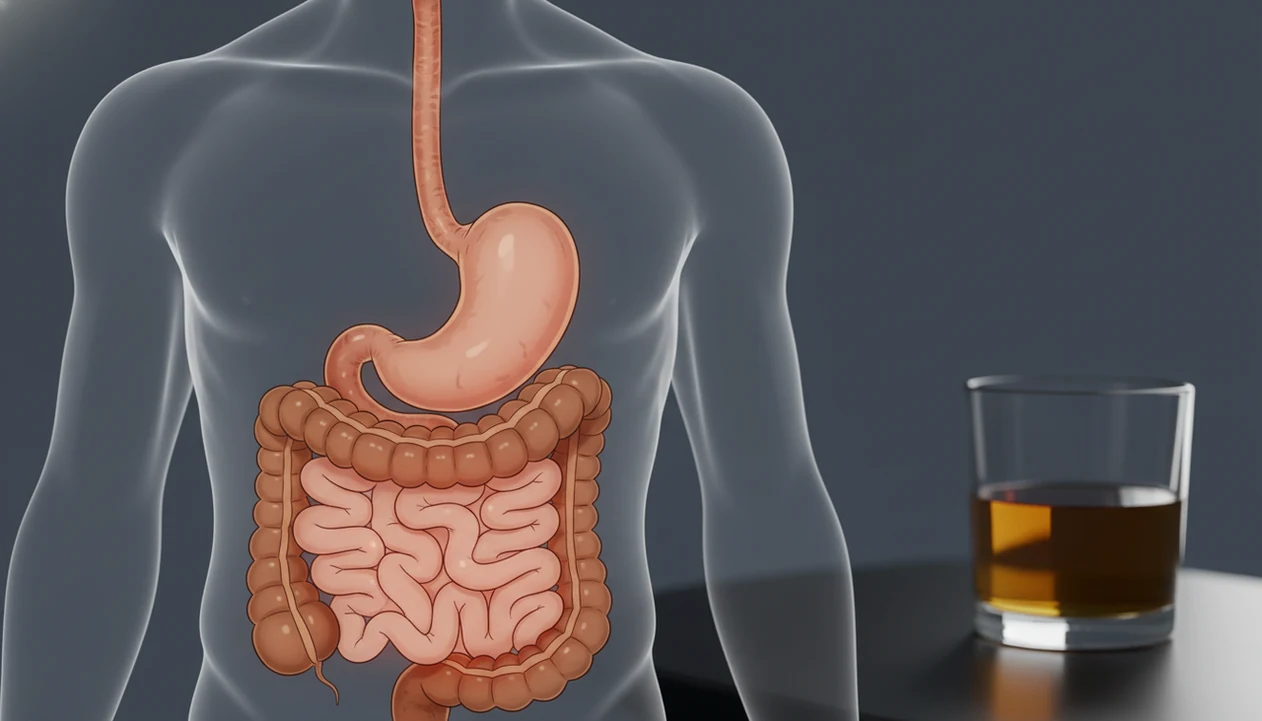
Alcohol digestive cancer bleeding refers to three related risks: alcohol can irritate the stomach and intestinal lining, raise long-term colorectal cancer risk, and worsen the chance or severity of gastrointestinal bleeding. Black stools, vomiting blood, severe abdominal pain, fainting, or unexplained weakness should be treated as urgent medical warning signs.
This article is educational and is not a diagnosis. If you have signs of bleeding, severe pain, fainting, unexplained weakness, or major bowel changes, seek medical care rather than relying on alcohol tracking or self-monitoring.
Definition: Alcohol-related digestive bleeding and cancer risk describes the short-term injury alcohol can cause to the stomach or intestinal lining and the long-term cancer risk linked to repeated alcohol exposure.
TL;DR
- Alcohol can damage the stomach lining, contribute to gastritis or ulcers, and increase the risk of gastrointestinal bleeding.
- Alcohol use is causally associated with colorectal cancer and other gastrointestinal cancers, with higher and longer exposure generally raising risk.
- Cutting back or stopping can reduce ongoing digestive irritation and lower future risk, but symptoms of bleeding or cancer need medical evaluation.
Alcohol digestive cancer bleeding: the key distinction
Quick answer: Alcohol may irritate the digestive tract, worsen reflux or gastritis symptoms, and contribute to bleeding risk in some people, especially with heavy use or certain medicines. Over time, drinking is also associated with higher colorectal cancer risk, so cutting back can be a practical risk-reduction step.
Key takeaways
- Seek urgent care for black or tarry stool, vomiting blood, fainting, severe belly pain, or sudden weakness.
- Alcohol can aggravate stomach lining irritation and may make bleeding more likely in vulnerable people.
- Bleeding risk may be higher when alcohol is combined with blood thinners, aspirin, or anti-inflammatory pain relievers.
- Less alcohol generally means less digestive irritation for many people, though symptoms should still be medically evaluated.
- People who drink daily or heavily should ask a clinician before stopping suddenly because withdrawal can be dangerous.
- Tracking drinks, cravings, and triggers can help reveal patterns that make cutting back more realistic.
Alcohol digestive cancer bleeding is a search phrase, not a single medical diagnosis. It usually points to two different concerns: short-term digestive injury that can bleed, and long-term cancer risk in the bowel or other digestive organs.
The bleeding side is more immediate. Alcohol can irritate the stomach lining, worsen gastritis, aggravate ulcers, or make an existing injury more likely to bleed. The cancer side is slower. Repeated alcohol exposure is linked to colorectal cancer risk over years, especially with heavier use and other risk factors.
That distinction matters when you're deciding what to do next. A last drink marked on a phone can be a useful habit reset, but it cannot tell you whether pain, black stool, or rectal bleeding is an ulcer, hemorrhoids, inflammatory bowel disease, or cancer.
Online information cannot diagnose ulcers, gastrointestinal bleeding, or cancer. Symptoms need medical evaluation.
5 facts about alcohol stomach lining damage and bowel cancer risk
- Alcohol can irritate and damage the stomach and intestinal lining, especially when drinking is heavy, frequent, or paired with other irritants.
- Gastritis, ulcers, and gastrointestinal bleeding can sit on the same short-term harm pathway, though not every irritated stomach becomes a bleeding ulcer.
- Alcohol use is causally associated with colorectal cancer and several other gastrointestinal cancers, according to a peer-reviewed PubMed Central review the NIH.
- Acetaldehyde, a toxic byproduct made when the body breaks down alcohol, can damage DNA in digestive tract cells.
- Alcohol plus smoking can raise digestive cancer risk more than either exposure alone, because tissue irritation and carcinogen exposure stack together.
The practical takeaway is simple: digestive symptoms and cancer risk should not be sorted by vibes. If the empty bottle beside the recycling bin has become a weekly pattern, the exposure is worth measuring honestly.
How alcohol stomach lining damage works
Alcohol stomach lining damage works by weakening the stomach’s protective mucous barrier. That barrier normally helps shield tissue from acid, digestive enzymes, and bacteria. When alcohol thins that protection, the lining can become irritated and inflamed.
That inflammation is often described as gastritis. In plain language, the stomach is rubbed raw more easily. Repeated irritation can worsen ulcers or make existing digestive injury bleed, especially when the tissue is already fragile.
Risk tends to rise with heavy drinking, binge patterns, frequent NSAID use such as ibuprofen or naproxen, and existing stomach disease. The combination matters. A person who drinks heavily on Saturday and takes pain relievers on Sunday for a headache may be adding friction to an already irritated gut.
For people trying to reduce that exposure, a simple trigger map can help. Our alcohol digestive irritation guide covers reflux, nausea, and stomach irritation in more detail.
Alcohol internal bleeding risk and urgent warning signs
Can alcohol-related digestive bleeding be an emergency? Yes. Possible gastrointestinal bleeding should be treated as urgent when warning signs appear, even if you recently stopped drinking or feel embarrassed about how much you drank.
Black, tarry stool can signal bleeding higher in the digestive tract. Bright red blood in stool can come from lower gastrointestinal bleeding, hemorrhoids, fissures, inflammation, or other causes, but it still needs evaluation. Vomiting blood, or material that looks like coffee grounds, is an emergency warning sign.
Other red flags include dizziness, fainting, rapid heartbeat, severe weakness, or severe abdominal pain. Don’t wait to see whether these symptoms improve after stopping alcohol.
That waiting period can be dangerous.
If you're lying in bed watching a craving timer glow on your phone, that is a good moment for urge surfing. It is not the right tool for black stool, vomiting blood, or fainting.
Alcohol colorectal cancer risk and weekly drinking patterns
Alcohol use is causally associated with colorectal cancer and several other gastrointestinal cancers. Risk generally rises with heavier drinking, longer duration, and patterns that keep weekly exposure high.
A Korean study summarized by the Colon Cancer Foundation reported that heavy drinking was associated with a 26% higher distal colon cancer risk in men compared with light drinking. The same summary reported a 17% higher rectal cancer risk in men. coloncancerfoundation alcohol data.
A recent lifetime drinking summary reported that current drinkers with 14 or more drinks per week had higher colorectal and rectal cancer risks than people drinking less than one drink per week.
For long-term digestive cancer prevention, reducing total weekly alcohol exposure is often more useful than switching drink types because ethanol exposure is the shared risk driver.
If alcohol also changes what you eat, when you stop, or whether you smoke later, the decision point is bigger than one drink. The habit loop is covered more fully in alcohol decision making.
Alcohol type, red wine myths, and digestive cancer risk
Beer, wine, and spirits all contain ethanol. For alcohol-related digestive cancer risk, ethanol exposure is the central issue, not just the label on the bottle.
Red wine should not be presented as protective against alcohol-related digestive harm. It may carry a healthier image in some social settings, but the body still has to process the alcohol. That processing creates acetaldehyde, and total exposure still matters.
“I only drink wine” does not erase colorectal cancer or bleeding risk. Serving size, pour size, frequency, and weekly total matter more than whether the glass came from a bottle of red, a can of beer, or a mixed drink.
The restaurant pour can be sneaky. One glass may be closer to two standard drinks, especially when nobody is measuring.
Alcohol, smoking, and combined gastrointestinal cancer risk
Alcohol and smoking can act synergistically for digestive tract cancer risk. In plain language, the combination can be more harmful than either exposure by itself.
Alcohol may make digestive tissues more vulnerable, while tobacco adds carcinogenic exposure. The pattern matters even when each behavior feels moderate. A cigarette urge after the first beer is not random; it is a cue, routine, reward loop that has been practiced many times.
Tools like Me Quit can be used privately to track cigarette, vape, and drink cravings in the same place. That matters for people whose relapse pattern crosses categories, not just people with one habit.
Private habit-tracking tools can help you record cigarette, vape, and drink cravings in one place; they should not be used to diagnose bleeding, ulcers, or cancer.
Cutting back on alcohol for digestive bleeding and cancer prevention
Cutting back reduces ongoing alcohol exposure to the stomach and bowel. It does not instantly erase prior cancer risk, but it can support long-term risk reduction and may reduce repeated digestive irritation.
A PubMed Central review discusses 100 g of alcohol per week or less as a low-risk limit in the gastrointestinal cancer risk context. That is not a personal safety guarantee. It is a population-level reference point, and individual risk still depends on age, smoking, medications, body weight, diet, genetics, and existing disease.
Practical steps are small but useful: track drinks, avoid binge patterns, set alcohol-free days, and get medical advice for pain, bleeding, anemia symptoms, or bowel changes. Clinicians typically recommend medical evaluation for suspected gastrointestinal bleeding rather than self-monitoring alone.
MeQuit is a quit smoking app that helps adults stop smoking, stop vaping, drink less, and track cravings, streaks, and milestones. For step-by-step behavior support, our alcohol reduction guides can help you build a lower-risk plan.
How to use alcohol tracking for digestive risk reduction
Alcohol tracking helps lower digestive risk by turning vague drinking patterns into numbers, cues, and decisions you can adjust. It is not a medical test, but it can make risky weeks easier to see before they become the default.
- Count standard drinks rather than judging by the glass, can, or pour. A large wine, strong beer, or mixed drink may contain more alcohol than it looks like.
- Schedule alcohol-free days before high-risk social plans, travel, deadlines, or stressful family events. Decide early, not after the craving has already started.
- Log triggers when you want to drink, including pain, boredom, stress, smoking cues, or the first awkward silence at a gathering.
- Write if-then plans for third-drink or binge-risk moments, such as switching to water, leaving the bar area, or texting someone before ordering again.
- Review weekly totals and adjust limits with medical guidance when symptoms, medications, withdrawal risk, or existing digestive disease make self-directed changes unsafe.
Limitations
Alcohol-related digestive risk is real, but it is not identical for every person. Risk depends on dose, duration, genetics, age, smoking, body weight, diet, medications, and existing disease.
- Online articles cannot diagnose gastrointestinal bleeding, ulcers, anemia, bowel disease, or cancer.
- Emergency bleeding symptoms should be handled by medical professionals, not self-tracked in an app.
- Cutting back may require medical support if someone drinks heavily every day or has withdrawal symptoms.
Reset the plan.
A streak repair after a lapse is useful for habit change. It is not a substitute for urgent care when the body is sending bleeding warning signs.
FAQ
Can alcohol cause stomach bleeding?
Alcohol can irritate the stomach lining and contribute to gastritis, ulcers, and bleeding, especially with heavier use, NSAID use, or existing stomach disease. Stomach bleeding needs medical evaluation.
What symptoms of bleeding after alcohol need urgent care?
Black tarry stool, vomiting blood, coffee-ground vomit, fainting, severe weakness, rapid heartbeat, or severe abdominal pain need urgent medical care. Do not wait to see if symptoms improve after stopping alcohol.
Does alcohol raise colon cancer risk?
Yes. Alcohol use is causally associated with colorectal cancer, and risk generally increases with heavier or longer-term use.
Can alcohol cause rectal bleeding?
Alcohol can contribute to digestive irritation and bleeding risk, but rectal bleeding has many possible causes. A clinician should evaluate rectal bleeding rather than assuming alcohol is the only cause.
Is wine safer for digestion than beer or liquor?
Wine still contains ethanol, so it should not be treated as protective against alcohol-related digestive harm. Total weekly intake and serving size matter more than the drink label.
Does quitting alcohol lower digestive cancer risk?
Reducing or stopping alcohol lowers future exposure and may reduce risk over time. It does not instantly erase risk from prior years of drinking.
How does alcohol damage DNA in the digestive tract?
When the body breaks down alcohol, it produces acetaldehyde. Acetaldehyde is a toxic byproduct that can damage DNA in digestive tract cells.
When is gastrointestinal bleeding an emergency?
Gastrointestinal bleeding is an emergency when there is vomiting blood, black tarry stool, fainting, rapid heartbeat, severe weakness, or severe abdominal pain. These symptoms need urgent medical care.