
Try a Weekday No Drinking Challenge
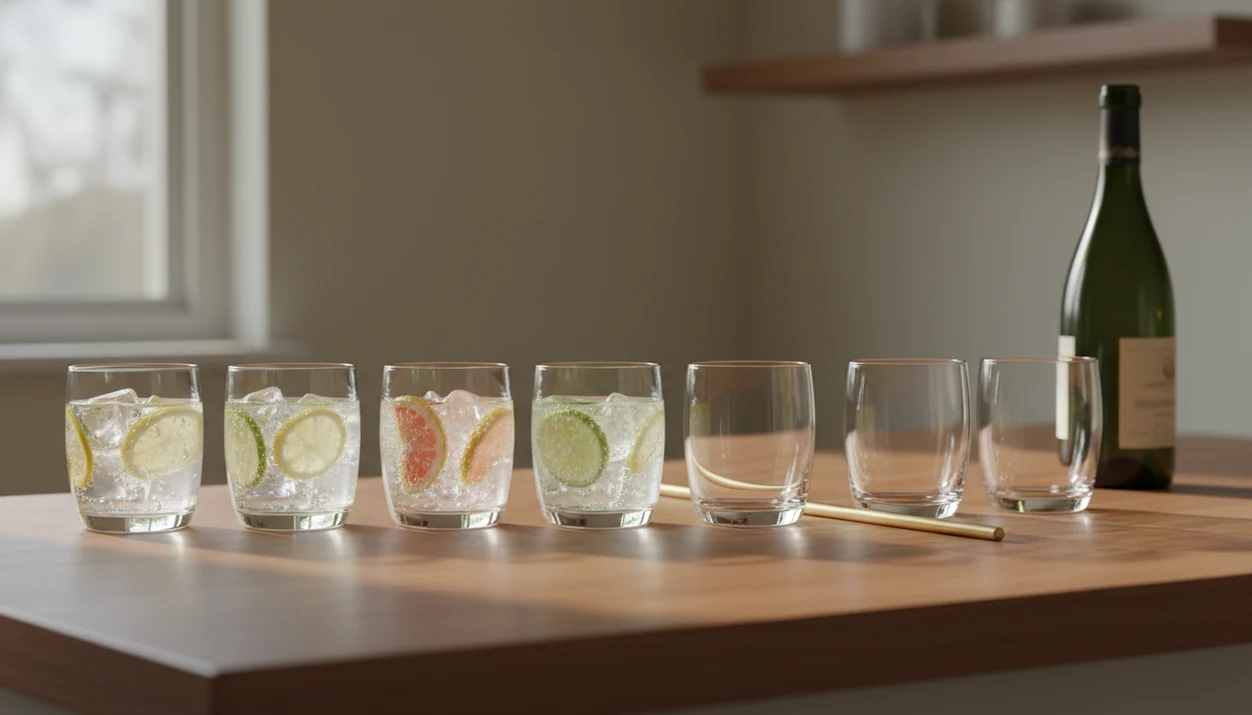
A weekday no drinking challenge is a moderation plan where you skip alcohol Monday through Friday, track cravings and triggers, and decide intentionally what weekends will look like. It works best when dry weekdays are paired with replacement routines, sleep protection, and a clear weekend boundary.
Definition: A weekday no drinking challenge is a weekday alcohol-free plan that removes routine drinking occasions while leaving weekend choices separate and intentional.
TL;DR
- Dry weekdays can help you drink less during the week by reducing automatic after-work, boredom, or stress drinking.
- The challenge is a moderation strategy, not a treatment plan for alcohol dependence or withdrawal risk.
- Weekend rebound is the main risk, so the plan should include limits, tracking, and a reset rule.
Weekday no drinking challenge basics
Quick answer: A weekday no drinking challenge can help many people reduce total alcohol intake by making Monday through Friday alcohol-free and planned in advance. It works best when weekends are defined ahead of time, cravings are tracked, and high-risk routines are replaced rather than simply endured.
Key takeaways
- Set your weekday rule before the week starts, not during a craving.
- Decide weekend limits in advance to reduce rebound drinking.
- Track time, mood, place, and trigger when an urge appears.
- Protect sleep with a consistent evening routine and nonalcoholic wind-down.
- If stopping causes shaking, confusion, seizures, or severe symptoms, seek medical help promptly.
- Review patterns weekly and adjust the plan instead of treating one slip as failure.
A weekday no drinking challenge usually means no alcohol Monday through Friday, with weekend choices planned separately. It is not full sobriety unless you decide to extend it that way.
Many adults drink alcohol. In 2023, 58.9% of U.S. adults reported drinking in the past year, according to NCHS data CDC. That makes moderation plans common, especially for people who don't want alcohol to become the default answer after work.
The cleanest version is simple: no wine with dinner, no beer while watching TV, no “just one” after a long commute. Weekends still need a boundary, though. They are not a make-up zone.
A private tracker can help, but the core plan is behavior: choose dry weekdays, notice the cue, and take the next small step.
Five dry weekday drinking facts before you start
- Dry weekdays are a moderation tool. They are not the same as sobriety, treatment, or a promise that alcohol will feel easy to manage.
- The goal is fewer automatic drinking occasions. A weekday alcohol free plan interrupts the “home, shoes off, drink poured” sequence.
- Replacement routines matter. Stress and boredom need somewhere to go, even if that means a walk, shower, tea, gym class, or early dinner.
- Tracking reveals cues. Notes can show reward drinking, social momentum, decompression, or the Thursday night urge that always arrives after one meeting.
- Weekend rebound can erase progress. The CDC lists moderate drinking as up to 1 drink per day for women and up to 2 for men, and defines heavy drinking as 15 or more weekly drinks for men or 8 or more for women CDC alcohol data.
Numbers clarify the plan. They don't judge you.
How a weekday alcohol-free plan works
A weekday alcohol-free plan works by changing habit loops: cue, craving, routine, reward. In plain language, you spot what starts the urge, skip the usual drink, and give your brain a different finish line.
For many people, weekday alcohol becomes automatic because the cue repeats. The laptop closes. Dinner starts. The couch looks like permission. Removing alcohol Monday through Friday weakens that loop because the routine stops getting daily rehearsal.
Cue replacement matters more than white-knuckle willpower. If the craving window hits at 6:15 p.m., decide ahead of time what fills it: sparkling water in a rocks glass, a run around the block, a call, or food before the urge gets loud.
Private tracking can help you record cravings, streaks, and milestones while the pattern is still fresh, especially when you note the time, cue, intensity, and substitute action.
For routine weekday drinkers, cue replacement is often easier than willpower alone because it changes the moment where the drink usually happens.
Five steps for a weekday no drinking challenge
Use this five-step weekday no drinking challenge when you want structure without making a lifetime decision today. Keep it small enough that you can actually repeat it next Monday.
- Set your weekday boundary. Define Monday through Friday as alcohol-free, including work trips, dinner at home, and “just one” exceptions.
- Remove the obvious cues. Keep alcohol out of the house for the first week, or change the shopping route that passes the wine aisle.
- Replace the after-work drink. Choose a decompression routine before the craving hits, such as a shower, walk, gym session, mocktail, or early meal.
- Log cravings, sleep, mood, and triggers. Write the time, intensity, cue, and substitute action while the details are still accurate.
- Review before the weekend. Pick a drink cap, alcohol-free plan, or reset rule before Friday evening starts deciding for you.
The most common workable version is boring on purpose: clear weekdays, planned weekends, and a reset rather than restart from zero.
No drinking on weekdays versus other alcohol reduction plans
No drinking on weekdays fits people whose alcohol use is tied to routine weeknight cues. Other plans may fit better if your main risk is weekend binge drinking, daily dependence, or wanting a longer alcohol-free reset.
| Plan | What it means | Who it fits | Main caution |
|---|---|---|---|
| Weekday no drinking | No alcohol Monday through Friday | Routine weekday drinkers who want dry weekdays | Weekends still need limits |
| Drink-count limits | Set a daily or weekly drink maximum | People who track numbers well | Easy to negotiate in the moment |
| Dry January or 30-day breaks | No alcohol for a full month | People wanting a full reset, often with a Dry January app | Can rebound after the month |
| Full sobriety | No alcohol at all | People who do better with a clear stop | May need added support |
| Mindful drinking | Pause, track, and choose intentionally | People exploring a sober curious app style | Too loose without boundaries |
Dry weekdays usually work best when the problem is weekday routine, while full breaks fit people who need a cleaner reset.
Weekend rebound risk in dry weekdays
Does no drinking Monday through Friday make weekends safer? Not automatically. Weekend rebound means compensating for dry weekdays by drinking more heavily on Friday, Saturday, or Sunday.
Total weekly intake still matters. If five dry nights lead to a heavy Saturday, the plan may reduce routine drinking but still leave risk in place. A large CDC MMWR study found that about 31% of U.S. adults who drink engaged in binge drinking in the past month CDC report. NCHS data also reported that 10.6% of U.S. adults had 5 or more drinks on one occasion at least once in the past year.
Friday 6 p.m. can be slippery.
Choose a weekend intention before the first invite arrives: a two-drink cap, one alcohol-free event, a pre-logged plan, or a full first sober weekend. If weekends are the hard part, support aimed to stop weekend binge drinking may fit better than weekday-only rules.
Weekday triggers that make alcohol feel automatic
Weekday drinking often starts with a trigger pattern, not a character flaw. Name the cue, rate the intensity, record the time, and choose a substitute action before the urge gets comfortable.
- Stress relief: The drink promises a fast off-switch after a tense day.
- Reward after work: Alcohol becomes the prize for finishing meetings, childcare, errands, or shift work.
- Boredom: A slow evening makes drinking feel like an activity.
- Cooking dinner: Chopping vegetables or opening the fridge can cue wine or beer.
- Social momentum: One coworker’s invite can turn “not tonight” into “fine, one.”
After-work decompression cues
The bartender reaching for the usual bottle is a cue before you even order. Log it as “social reward,” not as a personal weakness.
Boredom and reward cues
A craving note typed under a table can be enough to interrupt autopilot. The goal is to drink less during the week by seeing the pattern sooner.
Private tracking for a weekday alcohol-free plan
Private tracking helps a weekday alcohol-free plan stay specific: record dry weekdays, cravings, streaks, milestones, and quick notes without turning the challenge into a public identity.
Patterns usually show up after a few entries. Maybe sleep is better after two dry nights. Maybe stress spikes on Wednesdays. Maybe the urge is strongest when dinner is late, not when the workday ends. That kind of detail makes the next small step easier.
Me Quit mequit addiction recovery hub for quit smoking, stop vaping, quit drinking, and mindful alcohol reduction can support private progress tracking and craving notes; it does not provide diagnosis, detox care, or a guaranteed cure.
If Monday through Friday feels too big, start with one dry weekday. Then add another. A drink less for health app can be useful when your main goal is fewer drinking occasions, better sleep, and more intentional weekends.
Limitations
A weekday no drinking challenge can be useful, but it has clear limits. Treat it as a structure for moderation, not a substitute for care when alcohol feels unsafe or hard to control.
- It does not treat alcohol dependence, withdrawal risk, or severe loss of control.
- It does not guarantee low-risk drinking if weekends become heavy.
- People with withdrawal symptoms, safety concerns, pregnancy-related questions, medication concerns, or repeated loss of control should seek professional support.
Clinicians typically recommend professional evaluation when stopping alcohol causes withdrawal symptoms or when drinking creates safety risks.
FAQ
What are dry weekdays?
Dry weekdays means not drinking alcohol Monday through Friday. Weekends are planned separately rather than treated as unlimited drinking time.
Does no weekday drinking work?
No weekday drinking can reduce drinking occasions when it is paired with tracking, replacement habits, and weekend boundaries. It works less well if weekends become heavier.
Can I drink on weekends?
Yes, a weekday no drinking challenge can leave weekends separate. Set a cap or alcohol-free event so the weekend does not become a rebound period.
Is weekday drinking a problem?
Routine weekday drinking can be a habit worth examining, even if it does not mean you have an alcohol problem. The question is whether it feels automatic, hard to skip, or linked to stress.
What can I do instead of having after-work drinks?
Use a replacement that matches the cue: a walk for stress, food for fatigue, a shower for transition, or a nonalcoholic drink for ritual. Log what works so you can repeat it.
How long should I try no drinking on weekdays?
Start with one to four weeks and review cravings, sleep, mood, and weekend intake. Extend the plan only if it is helping without creating rebound drinking.
When should I get help for my drinking?
Seek professional support if you have withdrawal symptoms, repeated loss of control, blackouts, safety concerns, or drinking that feels impossible to change alone. A weekday challenge is not a medical treatment plan.