App That Helps Cut Back On Drinking Without Shame
Yes, an app that helps cut back on drinking can help you set limits, track drinks, plan dry days, and notice patterns without requiring you to quit completely. The best fit is a private, moderation-focused tool that combines drink logging, goal setting, reminders, reflection prompts, and honest feedback.
An alcohol moderation app is a mobile behavior-change tool that helps adults drink less by tracking alcohol use, setting reduction goals, and turning drinking patterns into practical next steps.
- A cut back on alcohol app is best for adults who want more control, not necessarily lifelong abstinence.
- Useful features include drink logs, dry-day planning, limit reminders, craving notes, reflection prompts, streaks, and progress trends.
- Apps can support alcohol reduction, but they are not a substitute for medical care if withdrawal, dependence, or severe alcohol use disorder may be present.
How these apps look
Quick answer: Yes. For many people, an app can support cutting back on drinking by making alcohol use more visible, helping set realistic limits, and prompting reflection before and after drinking occasions. It is not a substitute for medical care if you may have withdrawal symptoms, alcohol dependence, or use medications that interact with alcohol.
Key takeaways
- Start with a small, specific goal, such as fewer drinks per week or alcohol-free weekdays.
- Track every drink as close to real time as possible for a more honest picture.
- Review patterns by time, place, mood, and people—not just total drinks.
- Plan alternatives before high-risk situations, such as stress, social events, or boredom.
- If you feel shaky, sweaty, confused, or unable to cut down, seek medical advice before reducing quickly.
- Progress often looks like fewer heavy-drinking days, faster recovery after slips, and more intentional choices.
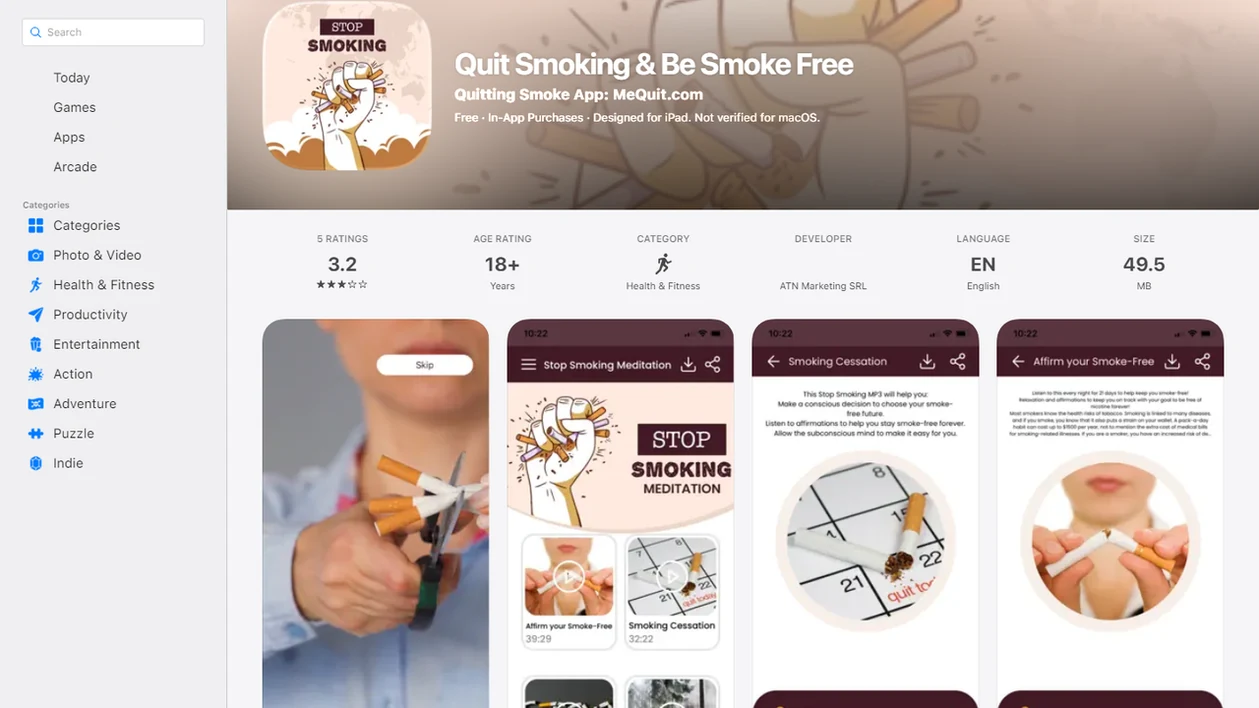
Side-by-side captures of the compared products. Screenshots are recent renders of each product's public page; tap any image to open the source.
What an app that helps cut back on drinking actually does
Is there an app that helps cut back on drinking? Yes. A moderation app helps you drink less by making your usual pattern visible, then turning that pattern into a smaller, specific plan.
Moderation means reducing alcohol without making total abstinence the only goal. For one person, that might mean no drinks Monday through Thursday. For another, it might mean stopping at two drinks on Friday instead of letting the night drift. The measuring shot glass near the sink tells a different story when it becomes a logged choice, not a blur.
Tools like Me Quit can fit adults who want private app-based support for drinking less while also working on smoking or vaping triggers. That matters because habits often overlap. The Friday 6 p.m. drink can make a cigarette feel automatic, even for someone who does not think of themselves as having alcohol use disorder.
8 alcohol moderation app features that matter
A useful alcohol moderation app does more than count drinks. It helps you set a plan, notice trigger patterns, and respond before the next drink becomes automatic.
| Feature | What it does | Why it helps |
|---|---|---|
| Drink logging | Records what, when, and how much you drank | Evidence-informed self-monitoring |
| Weekly limits | Sets a planned maximum | Evidence-informed goal setting |
| Dry days | Schedules alcohol-free days | Builds routine and confidence |
| Reminders | Prompts before high-risk times | Helps interrupt autopilot |
| Craving tracking | Notes urges before drinking | Evidence-informed trigger awareness |
| Reflection prompts | Captures mood, place, and context | Turns slips into information |
| Streaks | Shows dry days or limit days | Nice-to-have motivation |
| Milestone tracking | Shows trends, money saved, or health wins | Nice-to-have feedback |
The difference shows up on ordinary nights. A reminder at 5:45 p.m. can be more useful than a regret note at midnight. For a broader comparison, a best drink less app guide can help you separate a simple counter from a behavior-change tool.
Named alternatives readers may want to compare include Sunnyside, Reframe, Try Dry, and DrinkControl; evaluate each one on privacy, limit-setting, prompt timing, and trend feedback rather than app-store slogans.
How a cut back on alcohol app works behind the screen
A cut back on alcohol app works by combining self-monitoring, goal setting, feedback loops, coping prompts, and habit interruption. In plain language: you log the drink, the app compares it with your goal, then it shows a trend or asks a better next question.
- Self-monitoring turns “I probably drank less” into a visible weekly number.
- Goal setting gives the app something to compare against, such as 8 drinks per week or 3 dry days.
- Feedback loops show whether your plan is working before the month disappears.
- Coping prompts create a pause during the craving window, especially before the second or third drink.
- Habit interruption helps break routines, like pouring wine while opening takeout containers.
What the evidence says is encouraging, but not magic. A Cochrane review found digital alcohol interventions reduced weekly drinking by about 23 grams of alcohol, roughly two standard drinks, compared with minimal or no intervention cochranelibrary. In the Drink Less smartphone app trial, the enhanced app group reduced weekly consumption by about 6 UK units more than the control app at six months jamanetwork.
Small prompts help.
How to use an alcohol moderation app to drink less without quitting
The simplest way to use an alcohol moderation app is to treat it like a weekly feedback tool, not a daily grade book. For people who want to drink less without quitting, a baseline week is often easier than starting with a strict rule because it shows the real pattern first.
- Set a baseline week before judging progress, and log your usual drinking without editing the story.
- Choose weekly drink limits and dry days that are lower than your baseline but still realistic.
- Log drinks honestly as soon as you can, including size, setting, and time.
- Add reflection prompts for mood, trigger, people, place, and what happened before the first drink.
- Review weekly trends and adjust the goal after one imperfect night instead of deleting the app.
If pours vary at home, standard drink tracking can make the numbers less fuzzy. A half-poured wine glass on the counter is easier to understand when the serving size is clear.
Common mistakes when using an alcohol moderation app
The most common mistakes are not moral failures. They are small setup problems that make the app less useful than it could be.
- Log near the drink, not only at bedtime. Waiting until the end of the night turns tracking into memory work. A quick note after the first beer or glass of wine gives the app cleaner data and gives you a pause before the next one.
- Start with a limit you can actually use. If your first weekly target is so strict that you miss it by Tuesday, the plan may create shame instead of feedback. Reduce from your baseline, then tighten later.
- Track the scene, not just the count. Mood, location, people, time, and triggers often explain why one drink became four. The number matters, but the pattern around it is where the next plan comes from.
- Adjust after a miss instead of deleting the app. One limit miss is information. Review what happened, change the reminder, add a dry day, or reset the goal.
- Check home pours against standard sizes. A heavy pour can quietly count as more than one drink, especially with wine, liquor, or mixed drinks.
Before you start using a drink less without quitting app
What should you decide before using a drink less without quitting app? Start by naming the outcome you actually want: fewer drinks, fewer drinking days, fewer binges, a dry month, or fewer mornings you regret.
Pick a realistic baseline, not a perfection goal. If last week had 14 drinks, setting a first target of zero may be too sharp unless abstinence is your clear plan. A smaller first goal may teach more. Per the CDC, nearly 30% of U.S. adults who drank alcohol in the past year reported binge drinking in the past month, so many people are working on patterns rather than labels CDC alcohol data.
Clinicians typically recommend medical guidance before cutting back if you have withdrawal symptoms, blackouts, pregnancy, major medical concerns, or repeated inability to reduce despite harm. For phone-based routines, the practical setup is covered in how to drink less with phone.
When to get medical help before cutting back
Get medical help before cutting back if stopping or reducing alcohol could trigger withdrawal, worsen a health condition, or put you or someone else at risk. A moderation app can support tracking and planning, but it does not provide detox, medical diagnosis, or emergency care.
Withdrawal can include shaking, sweating, nausea, fast heartbeat, insomnia, agitation, hallucinations, or feeling unable to function without alcohol. Seizures, confusion, fainting, or severe anxiety are urgent warning signs because withdrawal can escalate quickly and may need supervised treatment.
- Call a clinician before reducing if you have had withdrawal symptoms, blackouts, seizures, or repeated failed attempts to cut down.
- Seek urgent care if you feel confused, extremely panicked, unsafe, or physically unstable after drinking less or stopping.
- Check medical risks first if you are pregnant, may be pregnant, have liver disease, take medications that interact with alcohol, or mix alcohol with sedatives, opioids, or other drugs.
- Use emergency services or local crisis support if there is danger to yourself or others, or if you cannot stay safe while waiting for an appointment.
The goal is not shame. It is making the first step safer.
4 myths about a cut back on alcohol app
A cut back on alcohol app is not a confession booth. It is a private way to turn drinking behavior into information you can use.
- Myth: Using an app means I have a serious drinking problem. Many adults use moderation tools because they want fewer hangovers, clearer sleep, or more control at social events.
- Myth: Moderation apps only work if I quit completely. Many are built for reduction goals, including dry days, weekly limits, and lower-risk occasions.
- Myth: Tracking drinks will make me obsess. For many users, logging reduces guesswork. The number is just the number.
- Myth: All free drink trackers are basically the same. A basic counter is different from an app with goals, prompts, trend feedback, and coping tools.
- Fact: Tracking is information, not judgment. The app should help you reset, not restart from zero.
The pocket check is real. So is the quiet decision to open the app before ordering another round.
How Me Quit fits mindful alcohol reduction with smoking and vaping goals
Me Quit is a quit smoking app that helps adults stop smoking, stop vaping, drink less, and track cravings, streaks, and milestones. It fits people whose alcohol, cigarette, and vape triggers tend to overlap rather than stay in separate boxes.
Alcohol can lower the pause between urge and action. A beer after work may bring back the cigarette routine. A fruit flavor smell in a hoodie can make a vape feel close before a person has even decided what they want. Private tracking helps connect those moments without making them public.
Good tools in the Me Quit mequit addiction recovery hub for quit smoking, stop vaping, quit drinking, and mindful alcohol reduction deliver logs, limits, cravings, streaks, and reflection prompts, not diagnosis, detox, or a promise that an app can replace care.
Progress signs your alcohol moderation app is working
An alcohol moderation app is working when your weekly pattern changes, even if no single week looks tidy. Progress is usually easier to see in trends than in one night.
- Fewer drinks per week. Your total weekly count drops from baseline, even by a small amount.
- More dry days. Alcohol-free days become planned, not accidental.
- Fewer heavy-drinking nights. The nights that used to run long become less frequent.
- Shorter drinking sessions. You stop earlier, switch sooner, or skip the late refill.
- Fewer regretful mornings. You wake up with fewer “why did I do that?” notes in your head.
Weekly review beats shame. If you miss a limit, look at the trigger pattern and adjust the next plan. A craving tracker can help when the drinking urge sits beside cigarette or vape cravings.
Limitations
Alcohol moderation apps can support behavior change, but they cannot safely cover every drinking situation. Some people need professional care, abstinence support, medication, therapy, detox, or a higher level of treatment.
- Apps are not a substitute for medical or mental health care.
- Seek medical guidance before cutting back if you have shaking, sweating, seizures, confusion, severe anxiety, or other withdrawal symptoms.
- Pregnancy, major liver disease, medication interactions, or dangerous drinking patterns need clinician input.
No app can make drinking safe in every context.
FAQ
Can an app help me drink less?
Yes, apps can support drinking less through tracking, goals, reminders, prompts, and feedback. Results depend on honest logging and consistent use.
Do I have to quit drinking to use a moderation app?
No, moderation apps can support drinking less without quitting completely. Some people, however, may need abstinence or medical support.
What drinking limit should I set in an app?
A drinking limit is a planned maximum for a day, week, or occasion. Start from a realistic baseline, then reduce gradually.
What are dry days in a drinking tracker?
Dry days are planned alcohol-free days. They help reduce weekly intake and build confidence that drinking does not have to be automatic.
Should I track every drink in the app?
Yes, track every drink as honestly and promptly as possible. The app’s feedback is only as useful as the data entered.
Can an app help reduce binge drinking?
An app may help users spot binge patterns, plan limits, and add reminders before high-risk times. Risky or repeated binge drinking may need professional guidance.
Are alcohol moderation apps private?
Privacy depends on the app’s data policy, permissions, account settings, and sharing options. Review these before entering sensitive drinking information.
When should I get medical help for drinking?
Get medical help if you have withdrawal symptoms, cannot cut down, drink despite harm, or have safety concerns. Urgent symptoms or danger to yourself or others need immediate support.