
How to Be Sober Curious Without Taking On a Label
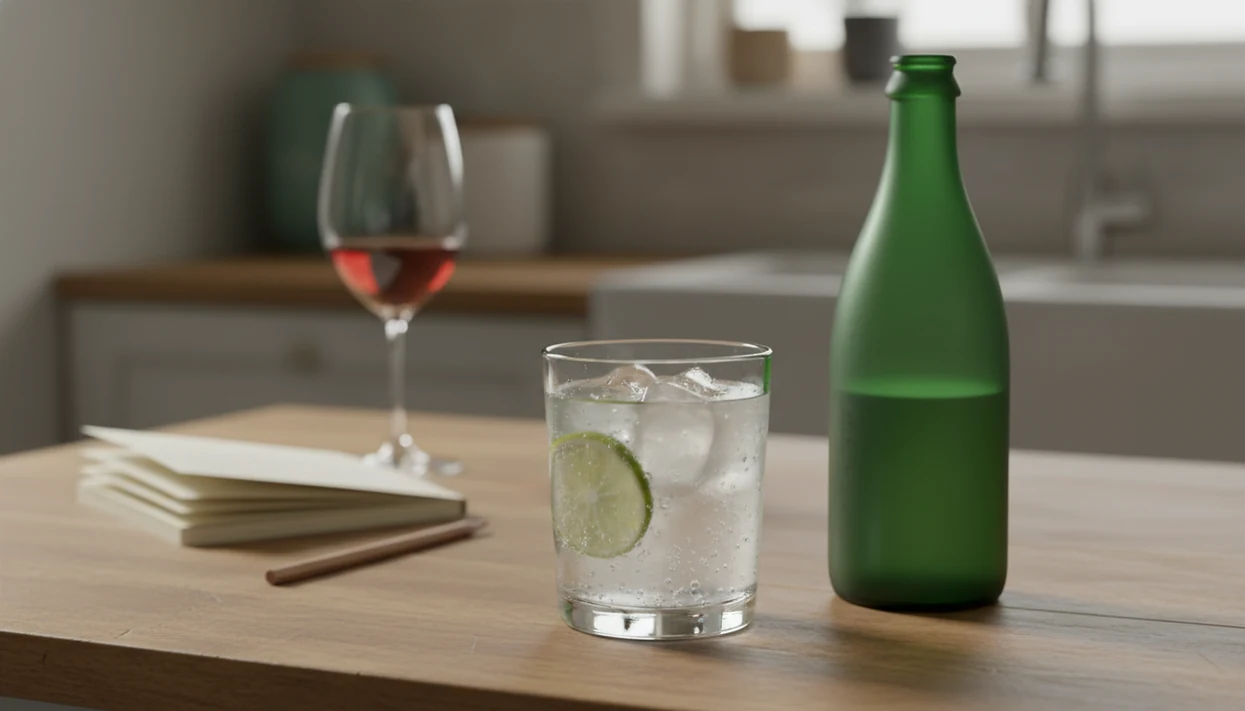
You may be tired of losing part of Sunday to Saturday night, but still feel that words such as sober or in recovery do not fit. You do not need to settle that identity question before changing what you drink.
Start with a defined experiment instead of a permanent promise. A dry month, alcohol-free weekdays, or a limit for social events can show you where drinking is automatic and what changes when you interrupt it. Before cutting back sharply, make sure withdrawal is not a medical risk.
The quick version
Being sober curious means examining your drinking without committing to a permanent identity or lifelong abstinence. You can take a break, set limits, track patterns, or stop drinking privately. The aim is to learn how alcohol affects you and make a more deliberate choice about its place in your life.
What does sober curious mean without a label?
Sober curious without labels is a way to question alcohol use without adopting words like sober, alcoholic, or in recovery. The focus is the experiment, not the identity.
For some people, that means Dry January. For others, it means alcohol-free weekdays, a weekend drink limit, or a one-month break before deciding what comes next. You might simply notice that the Friday 6 p.m. drink turns into two more than planned.
Sober curious without labels is not the same as denying a serious alcohol problem. If alcohol feels hard to control, causes withdrawal, or keeps creating harm, the safer next step is professional support. Medical guidance is especially important when stopping alcohol could cause withdrawal symptoms such as shaking, sweating, hallucinations, seizures, or confusion; MedlinePlus lists severe alcohol withdrawal as a condition that can require urgent care (medlineplus).
Before the experiment, check if stopping is safe
There are two separate questions: Do you want to drink less, and can you safely stop today? Goals, substitutions, and tracking can help with the first. The second depends on your drinking pattern, withdrawal history, medications, and health. The NIAAA guidance on getting alcohol treatment warns that withdrawal after prolonged heavy drinking can be life-threatening.
- Talk with a clinician before stopping suddenly if you drink heavily or daily, need alcohol to feel normal, or have experienced withdrawal before.
- Also ask for medical advice if you have a seizure history, are pregnant or could be pregnant, take interacting medicines, use other sedating drugs, or have liver or heart disease.
- Do not assume that skipping some drinking days rules out withdrawal risk. Quantity, duration, prior withdrawal, and individual health all matter.
Alcohol withdrawal can begin 6 to 12 hours after the last drink or a major reduction. Symptoms are often worst during the first 48 hours and may last 3 to 7 days, according to NHS alcohol support guidance. This timeline is not a reason to attempt withdrawal alone.
Seizures, hallucinations, severe confusion, chest pain, inability to stay awake, severe vomiting, or rapidly worsening shaking require emergency care.
Why quiet alcohol experiments appeal to social drinkers
Many people who want to drink less do not feel represented by traditional recovery language. Their drinking may look social or normal, but still leave them tired, anxious, foggy, or replaying texts from the night before.
- Heavy episodes are common: Per CDC alcohol surveillance data, about 21.7% of U.S. adults reported binge drinking at least once in the past 30 days in 2022 (CDC alcohol data).
- Most excessive drinkers are not severely dependent: The CDC has reported that about 90% of adults who drink excessively do not meet criteria for severe alcohol use disorder (CDC).
- Labels can delay small changes: Some people wait too long because they think change only counts if they “admit” something.
- Earlier change can feel easier: Label-free reduction gives social drinkers a lower-stakes door into behavior change.
- Look for changes you can actually observe: better sleep, fewer regrets, and a clearer Sunday morning all tell you something about alcohol's effect on your week.
For mild overdrinking, a private experiment is often easier than a public declaration because it reduces the social pressure around identity.
Turn your drinking patterns into usable data
Private alcohol reduction tracking works by turning drinking from an automatic habit into observable data. You notice the cue, set a small rule, track what happened, compare outcomes, and adjust the plan.
Alcohol habits often run through habit loops: a cue, a behavior, and a reward. A familiar couch, an active group chat, the bartender reaching for your usual bottle, or the end of a stressful workday can put a drink in motion before you consciously decide. Tracking interrupts that loop long enough to choose.
A useful log includes drinks, cravings, sleep, mood, money saved, and trigger pattern notes. Not a moral scorecard. Just facts.
Phone-based tools can support this by keeping the experiment close when the craving window opens. Apps can remind you of a drink limit, record a dry day, or show whether alcohol-free weekdays are helping your sleep. A sober curious app can be useful when privacy matters more than public accountability.
Build a six-step plan to drink less
A drink-less-without-labels plan works best when it is specific enough to follow and flexible enough to reset. Choose one clear experiment, then measure what changes.
- Set one rule: Try a 30-day break, a two-drink limit, alcohol-free weekdays, or event-specific rules for weddings, work trips, or dates.
- Log every drink: Record the amount, time, place, and whether the drink was planned or automatic.
- Choose craving notes: Track urges, stress, social pressure, boredom, and body signals like dry mouth after skipping drinks.
- Replace the ritual: Use seltzer, tea, a walk, food, or a planned exit when the usual drink cue appears.
- Review weekly: Compare sleep, mood, anxiety, money saved, and streaks without turning one slip into a verdict.
- Reset the plan: If a weekend goes sideways, restart from the next decision, not from zero.
For a time-boxed test, a 30 days no alcohol app can make the rule easier to remember.
A private alcohol break vs formal recovery support
AA is one option for changing alcohol use, not a requirement for every adult who wants to drink less. The safer path depends on risk, withdrawal history, control, and support needs.
| Path | What it offers | Better fit when |
|---|---|---|
| Private break | Self-set rules and quiet reflection | Mild overdrinking, curiosity, no withdrawal |
| App tracking | Drink logs, streaks, reminders, trigger notes | You want private feedback and daily structure |
| Peer group | Shared stories and accountability | Isolation or secrecy is making change harder |
| Therapy | Coping skills and mental health support | Anxiety, trauma, depression, or stress drives drinking |
| Medication | Medical support for cravings or relapse risk | A clinician recommends it |
| Medical detox | Supervised withdrawal care | Withdrawal, seizures, severe dependence, or safety risks |
A label-free approach may be enough for habit change without withdrawal. Choose more support if you have blackouts, drink in the morning, cannot stay within your limits, or continue drinking despite harm. For weekend patterns, a focused plan to stop weekend binge drinking may be a clearer starting point.
If you drink heavily or daily, need alcohol to feel normal, or have had withdrawal before, contact a clinician before cutting down sharply or stopping. Call 911 for a seizure, hallucinations, severe confusion, chest pain, inability to stay awake, or rapidly worsening symptoms.
Signs that self-directed change is not enough
Seek professional help when cutting back feels medically risky, repeatedly unworkable, or unsafe to do alone. Support is a safety step, not a new identity you have to wear.
Withdrawal symptoms are the clearest line. Shaking, sweating, nausea, severe anxiety, insomnia, fast heartbeat, hallucinations, confusion, or seizures can make self-directed reduction dangerous; MedlinePlus notes that severe alcohol withdrawal can require urgent medical care (medlineplus). Escalation signs also matter: blackouts, morning drinking, losing control after the first drink, or drinking despite consequences are reasons to add more support.
- Call a clinician if you have withdrawal symptoms, medical conditions, medication interactions, pregnancy concerns, or a history of seizures.
- Ask about therapy if stress, anxiety, trauma, depression, or relationship conflict keeps driving the pattern.
- Discuss medication if cravings or relapse risk stay high after several honest attempts to cut back.
- Use detox care if stopping could trigger serious withdrawal or you need supervised monitoring.
- Seek emergency help for seizures, hallucinations, confusion, chest pain, severe agitation, or thoughts of self-harm.
Getting help does not mean your experiment failed. It means the plan is matching the risk.
What may change when you drink less
Short alcohol breaks and drinking reductions can produce real benefits, even when the person does not choose lifelong abstinence. The strongest reason to try is simple: you get evidence from your own life.
- Sleep may improve: Many people notice fewer 3 a.m. wakeups once alcohol is removed from the evening routine.
- Mood can steady: Some people report less next-day anxiety and irritability after reducing heavy drinking.
- Health markers may move: A one-month alcohol abstinence study reported improvements in insulin resistance, blood pressure, weight, and liver-related markers among moderate-to-heavy drinkers (bmj).
- Longer-term drinking can drop: In a U.K. Dry January study, 72% of participants reported lower levels of harmful drinking six months later (the NIH).
- Quality of life can improve: Research on reducing heavy drinking to lower-risk levels has found associations with better mental health and quality-of-life outcomes; the evidence is strongest when reductions are sustained and clinically supported when needed.
Reducing heavy drinking and binge episodes can lower alcohol-related risk, while possible dependence or withdrawal calls for clinical support. A weekday no drinking challenge can give the body several predictable alcohol-free nights.
Sober-curious questions people ask
What does sober curious mean?
Sober curious means questioning how alcohol affects your life and experimenting with drinking less or not drinking. It does not require a diagnosis, public announcement, recovery identity, or permanent commitment. The focus is on observing patterns and deciding more deliberately when alcohol does or does not fit.
Can I stop drinking without calling myself sober?
Yes. You can take an alcohol break or stop entirely without adopting a label. Describe the behavior instead, such as “I am not drinking tonight” or “I am taking a month off.” A label is optional, but medical guidance is not optional when withdrawal could be a risk.
Do I need AA to drink less?
No. AA is one form of peer support, not a requirement for changing your drinking. Some people use personal limits, therapy, medication, another support group, or medically supervised care. Repeated loss of control, withdrawal, blackouts, or continued drinking despite harm are reasons to seek professional assessment.
How do I start being sober curious?
Choose one measurable experiment, such as 30 alcohol-free days, alcohol-free weekdays, or no drinking at work events. For at least seven days, record each drink, time, setting, trigger, craving, and aftereffect. Review the log weekly and adjust the plan based on patterns rather than one difficult night.
Can I still drink sometimes if I am sober curious?
Yes, sober curiosity can involve moderation or abstinence. Decide your limit before the situation begins and record what happens. If you repeatedly exceed that limit, experience blackouts, or cannot stop after the first drink, a private experiment may not provide enough support.
Is Dry January worth trying?
A dry month can reveal alcohol's effects on sleep, mood, spending, cravings, and social habits. It does not prove that your drinking is safe afterward, and it is not safe to begin without medical advice if you may be physically dependent. Decide in advance what you will evaluate at the end.
What are the warning signs of alcohol withdrawal?
Possible symptoms include anxiety, insomnia, nausea, sweating, shaking, a rapid heartbeat, hallucinations, confusion, and seizures. Symptoms can begin within 6 to 12 hours after stopping or cutting down sharply. Seizures, hallucinations, severe confusion, chest pain, or rapidly worsening symptoms require emergency care.
Will cutting back on alcohol help my anxiety?
It may reduce next-day anxiety or irritability, especially when heavy drinking or poor sleep contributes to those feelings. Anxiety can temporarily rise during withdrawal, however, and severe anxiety with shaking, sweating, or a rapid heartbeat needs medical attention. Persistent anxiety deserves care even if drinking decreases.