Sober Streak Motivation That Keeps You Going
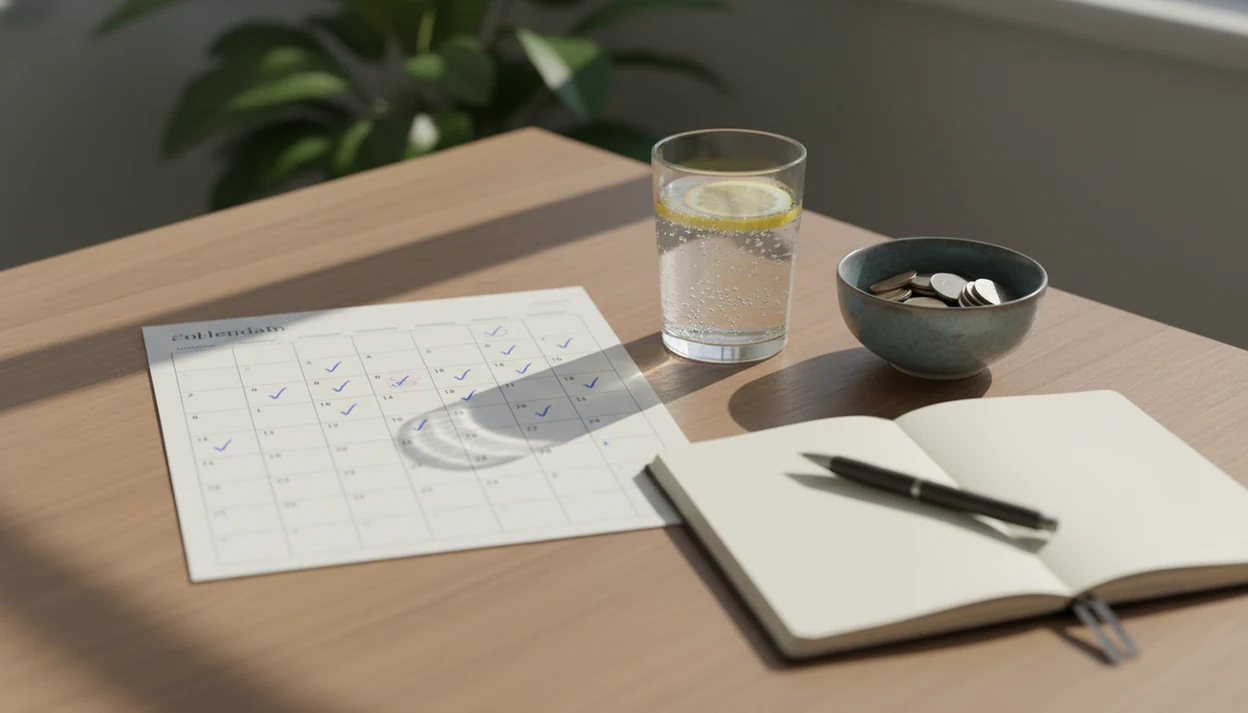
Sober streak motivation works best when you turn your alcohol-free days into visible progress, small rewards, craving wins, and repeatable routines instead of relying on willpower alone. The goal is to keep going without perfectionism: track the streak, learn from hard moments, and adjust the plan if motivation dips.
> Definition: A sober streak is the continuous number of days, weeks, or months you go without alcohol, used as a simple progress signal rather than a measure of personal worth.
- Motivation naturally rises and falls, so build systems around your sober streak instead of expecting constant confidence.
- Milestones, healthy rewards, craving logs, and support can make an alcohol-free streak feel concrete and worth protecting.
- A slip does not erase everything you learned; it is a cue to reset your plan, reduce triggers, and keep moving.
Sober Streak Motivation Basics for Daily Momentum
Quick answer: Sober streak motivation is most useful when the streak becomes feedback, not a test of worth. For many people, tracking alcohol-free days, naming craving wins, and planning small rewards can make progress feel visible while leaving room to learn from lapses.
Key takeaways
- Treat a streak as information, not a moral score.
- Plan rewards that support tomorrow’s choice, such as rest, hobbies, or savings goals.
- Log cravings after they pass so you can see proof that urges are temporary.
- Use one small daily routine to reduce decision fatigue.
- If alcohol withdrawal could be a concern, seek medical advice before stopping abruptly.
Sober streak motivation is the practical drive that helps you protect a visible count of alcohol-free days, weeks, or months. It works better when the streak is treated as feedback, not a verdict on who you are.
Motivation is not a steady fuel tank. It jumps after a good night’s sleep, drops after stress, and gets tested hard around the Friday 6 p.m. drink that used to feel automatic. That is why reminders, routines, rewards, and support matter.
Needing tools is normal. In the 2022 National Survey on Drug Use and Health, 28.8 million U.S. adults met criteria for alcohol use disorder in the past year (SAMHSA: https://www.samhsa.gov/data/report/2022-nsduh-annual-national-report).
Small systems beat speeches to yourself.
How Sober Streak Motivation Works in the Brain and Routine
Sober streak motivation works by turning delayed alcohol-free benefits into immediate feedback, using habit loops, milestone rewards, and social accountability. In plain terms, your brain gets more reasons to repeat the next sober choice.
A streak counter makes today matter before the long-term health milestone arrives. A planned reward after seven days or 30 days gives the routine a finish line. Over time, repetition supports identity: “I’m someone who gets through this craving window.”
Cravings are temporary signals, not commands. Logging the time, place, intensity, and response can reveal trigger patterns, like the sour stomach before a social event or the group chat that always starts with drink plans.
Support groups, trusted friends, and digital tools reduce isolation. Tools like Me Quit can help adults track dry days, cravings, milestones, and money saved, but they are support tools, not medical treatment.
Five Sober Streak Motivation Facts to Remember
- Motivation rises and falls. A low-motivation day is expected, not evidence that your alcohol-free streak is doomed.
- Small goals beat vague promises. For most people, “I’m doing 14 dry days” is easier to act on than “I’m changing my whole life.”
- Sober milestone rewards should be healthy and planned. Decide the reward before the milestone, so celebration does not drift toward alcohol-adjacent places.
- Support improves maintenance. A Cochrane review found that Alcoholics Anonymous and other 12-step facilitation programs can improve continuous abstinence compared with some alternatives (cochranelibrary).
- Sleep, stress, movement, and food affect motivation. A randomized smartphone app trial also found that digital alcohol tools were linked with fewer heavy drinking days and more abstinent days than control conditions.
The body counts too.
How to Use Alcohol-Free Streak Motivation This Week
Use alcohol-free streak motivation by making the next seven days specific, visible, and reviewable. The plan should be simple enough to follow when you are tired.
- Set a short target such as 7, 14, or 30 days, especially if “forever” makes your chest tighten.
- Write a personal why that is specific and emotional, like wanting clearer mornings or no empty bottle beside the recycling bin.
- Log cravings, triggers, and alcohol-free days in a notebook, calendar, or 30 days no alcohol app.
- Plan sober milestone rewards before the milestone arrives, not after the craving has already talked you into improvising.
- Review patterns weekly and change one thing at a time, such as leaving earlier or stocking different drinks.
- Share the plan with one safe person, community, app, or support group.
For early streaks, a short target is often easier than an open-ended vow because it gives the brain a clear finish line.
Sober Milestone Rewards That Keep a Dry Streak Going
Sober milestone rewards work best when they reinforce rest, health, savings, connection, hobbies, or self-respect. Pre-planned rewards are stronger than vague celebration ideas because they remove the “what now?” moment.
- 1 day: The reset reward. Take a long shower, make a real breakfast, or put the drink money into a visible savings note.
- 1 week: The proof reward. Buy a book, gym class, movie ticket, or good takeout that does not revolve around alcohol.
- 30 days: The confidence reward. Try a day trip, new running shoes, or a class you kept postponing.
- 60 days: The connection reward. Plan a sober meal with someone who respects the goal.
- 90 days: The identity reward. Mark the milestone with a health check, hobby upgrade, or private reflection.
- 1 year: The self-respect reward. Choose something meaningful, affordable, and not tied to gambling, risky spending, or shame.
A weekday no drinking challenge can make reward timing easier if weekends feel too big at first.
Craving Wins That Help You Stay Motivated Sober
How do craving wins help you stay motivated sober? A craving win is noticing an urge, choosing a response, and getting through the wave without drinking.
The win may look small from the outside. You delay 10 minutes. You pour sparkling water in a rocks glass. You walk around the block, text a friend, breathe slowly, leave the bar, or open an app during a three-minute craving instead of arguing with yourself for an hour.
Log five details: time, trigger, intensity, response, and outcome. “8:40 p.m., lonely, 7 out of 10, shower and texted Sam, urge dropped to 3” is useful data.
Repeated craving wins can become more motivating than the streak number alone because they prove skill under pressure. For people who drink mainly on weekends, a plan to stop weekend binge drinking often needs craving practice before Friday arrives.
Support Tools for Alcohol-Free Streak Motivation
Support for alcohol-free streak motivation can be layered; you do not have to choose one perfect option. Different tools solve different problems, from privacy to crisis support.
| Support option | Helps with | Watch for |
|---|---|---|
| Private apps | Streaks, reminders, craving logs, milestone tracking | Notification fatigue or low engagement |
| Friends and family | Real-world encouragement and plans | Not everyone responds safely or helpfully |
| Online communities | Late-night reassurance and shared ideas | Advice quality varies |
| Mutual-help groups | Structure, identification, accountability | Group fit matters |
| Therapy | Triggers, coping skills, co-occurring stress | Access and cost barriers |
| Helplines | Immediate referral and support | Not a replacement for emergency care |
Me Quit can support adults who want to track dry days, cravings, milestones, money saved, and related smoking or vaping goals in one place. Me Quit is a support tool for private progress tracking and next-step prompts; it does not provide diagnosis, detox care, emergency support, or medical treatment.
Sober Streak Resets Without All-or-Nothing Thinking
A sober streak reset means the count changes, not that your progress, skills, and self-knowledge disappear. A lapse is feedback about risk, support, timing, or stress.
One drink does not mean you might as well give up. That thought is a trap, especially after a hard night when shame is loud and sleep is poor. Reset, not restart from zero.
Use a brief review: What happened? What was the trigger? What support was missing? What will change today? Maybe the answer is skipping the next game night, setting a ride home, or moving the beer money into savings before checkout.
The most useful reset is specific and immediate because it turns a lapse into one small next step. If you have dangerous withdrawal symptoms, repeated loss of control, or fear you cannot stop safely, seek urgent professional help.
When to Seek Medical or Professional Help
Seek medical or professional help if stopping alcohol could be unsafe, symptoms feel severe, or your situation includes pregnancy, medication risks, or serious mental-health concerns. Streak tools can support behavior change, but they do not replace detox care, therapy, medication, crisis support, or emergency treatment.
Alcohol withdrawal can be dangerous. Red flags include seizures, confusion, hallucinations, severe shaking, chest pain, repeated vomiting, or feeling unable to stay oriented. If you have been drinking heavily or daily, do not detox alone or try to “tough it out” with only an app and willpower.
- Call local emergency services right away for seizures, confusion, hallucinations, severe shaking, suicidal thoughts, or fear you may harm yourself or someone else.
- Ask a clinician before cutting down if you are pregnant, might be pregnant, take medications, have liver disease, or have a history of withdrawal symptoms.
- Contact a doctor, therapist, addiction clinic, SAMHSA, or an equivalent local helpline if you cannot stop once you start or keep returning to drinking despite consequences.
- Use streak tracking as a support layer after safety is covered, not as proof that you should handle medical risk alone.
Limitations
Sober streak motivation can help, but it has real limits. Maintenance is hard; relapse is common after alcohol-dependence treatment, with multiple reviews finding high first-year relapse risk depending on severity, setting, and follow-up method (example review: https://www.ncbi.nlm.nih.gov/pmc/articles/PMC4553654/).
- Sober streak motivation is not a replacement for professional treatment for moderate or severe alcohol use disorder.
- Dangerous withdrawal symptoms need medical help, not an app, counter, or self-guided streak plan.
- Clinicians typically recommend medical guidance when alcohol withdrawal risk, pregnancy, medication interactions, or serious mental-health symptoms are present.
If the streak starts feeling like punishment, change the metric.
FAQ
What is a sober streak?
A sober streak is the continuous time you go without alcohol, usually counted in days, weeks, months, or years. People track it because visible progress can support motivation and make alcohol-free choices feel concrete.
How do I stay motivated sober?
Set short goals, write a specific reason, plan sober milestone rewards, log cravings, and use support before motivation drops. A sober curious app can help with private tracking if you are experimenting with alcohol-free time.
Do sober streaks really help?
Sober streaks can help by making progress visible and giving you a daily reason to protect the next choice. They are not the only measure of change, and they should not be used to shame yourself after a lapse.
What rewards help with a sober streak?
Healthy rewards include rest, fitness, hobbies, savings goals, sober meals, small trips, books, classes, or time with supportive people. Avoid rewards that involve alcohol, gambling, risky spending, or situations that make you feel worse afterward.
What should I do if I break my sober streak?
Reset the count without erasing what you learned. Review the trigger, support gap, and next change, then take one alcohol-free action today.
Why does sober motivation fade after a few days or weeks?
Motivation often fades when the novelty wears off and normal stress returns. That is why routines, sleep, support, rewards, and craving logs matter more than waiting to feel inspired.
Can an app help me stay sober?
An app can support streak tracking, reminders, milestones, craving awareness, and private progress review. Me Quit may be useful for adults tracking alcohol reduction alongside smoking or vaping goals, but it does not replace professional care.