
How to Break the Cigarette-After-Eating Routine
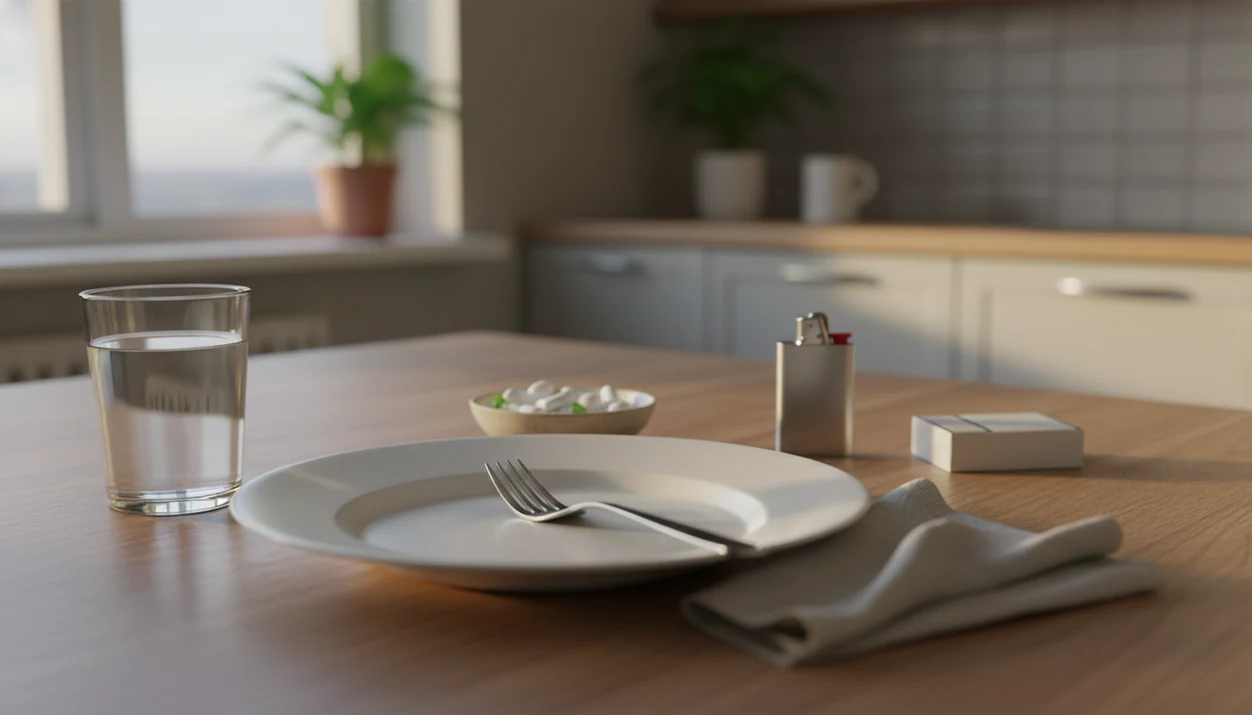
Dinner ends, plates are cleared, and your hand seems to reach for a cigarette before you have made a decision. The urge may be especially strong with coffee, alcohol, a large meal, or the chair where you usually smoke.
That automatic feeling can be changed. Start by identifying the meals and settings that trigger you most. Then prepare a short routine that begins as soon as you finish eating, before the familiar smoking script has time to take over.
The quick version
Smoking cravings after eating usually come from nicotine withdrawal, a learned routine, or both. Treat the first five minutes after each meal as a planned high-risk period. Leave the table, change the taste in your mouth, drink water, and walk or do another short activity. Repeating the same routine helps weaken the meal-to-cigarette connection.
Why a meal can feel unfinished without a cigarette
A post-meal smoking trigger is a learned cue-response pattern where eating, drinking, cleanup, or relaxing after food automatically prompts a nicotine urge. Many people describe it as the meal feeling unfinished until they smoke, especially after dinner, coffee, alcohol, or a familiar restaurant routine.
That feeling is common, not a character flaw. Tobacco use affects a large share of the world, with about 22.3% of people aged 15 and older using tobacco in 2020, according to the WHO the World Health Organization smoking data. Per the CDC, about 12.5% of U.S. adults smoked cigarettes in 2020 CDC report.
The body remembers patterns. A heavy meal, the first morning cigarette before coffee, or the same chair after lunch can all become cues. The craving feels personal, but the mechanism is learned.
How food, place, and nicotine form a habit loop
The after-meal smoking trigger works through a cue-routine-reward loop: finishing food is the cue, smoking is the routine, and nicotine relief or pleasure is the reward. Over time, your brain starts asking for the routine as soon as the cue appears.
This can happen even when withdrawal is not at its peak. The cue is conditioned, which means the setting itself has become part of the craving. Coffee, dessert, alcohol, a patio table, or a friend lighting up can press the same button.
The urge can feel physical, emotional, and environmental at once. Your throat may feel restless. Your mood may dip. Your eyes may scan for the lighter that used to sit by the back door.
When the same urge repeatedly ends in smoking, add quit support or medication to the routine changes instead of relying on willpower alone.
Five useful facts about after-meal cravings
- Post-meal urges are usually learned habit loops. They are not a true digestive need, even when the craving arrives right after the last bite.
- Many individual cravings last about 3-5 minutes. That short window is why a planned reset works better than arguing with yourself for an hour.
- Situational urges are common early on. Smoking cues, stress, and negative mood can trigger urges during quit attempts, according to the U.S. Surgeon General’s smoking cessation report hhs cessation data.
- Changing the routine helps retrain the cue. For many people, the new ending matters more than the exact replacement.
- Nicotine replacement therapy may reduce craving intensity. A Cochrane review found that NRT increases quit rates by about 50-60% compared with placebo cochranelibrary.
For after-meal cravings, the most common medically supported approach is a repeatable coping routine combined with approved stop-smoking support when needed.
Meal cue or nicotine withdrawal?
The two can overlap. A cue-triggered craving appears around a familiar meal, drink, chair, person, or location. Withdrawal tends to affect more of the day and may come with irritability, restlessness, low mood, or difficulty concentrating. Tracking the time and setting helps show which part of the pattern needs attention.
| Pattern | Common clue | Useful response |
|---|---|---|
| Meal cue | Starts after a specific meal or drink | Change location and begin the same five-minute routine |
| Withdrawal | Appears across different times and settings | Consider medication and behavioral support |
| Both | Strongest after meals but present elsewhere too | Use a replacement routine and discuss treatment options |
The NHS guide to smoking triggers and cravings specifically identifies smoking after a meal as a routine that can be replaced with actions such as brushing your teeth or chewing mint gum.
Set up your plan before the food arrives
Before eating, identify the meals most likely to trigger you. Common high-risk moments include breakfast with coffee, a rushed lunch break, dinner after work, restaurant meals, and meals that include alcohol.
Remove the obvious cues before the plate is full. Put cigarettes, lighters, balcony ashtrays, and car smoking supplies out of reach. If the balcony smoke usually drifts into damp hair after dinner, avoid opening that door for the first five minutes.
Choose one replacement item in advance. Gum, toothpicks, mint, tea, cold water, or a short walking route all work better when they are ready before the craving window opens.
Planning ahead is not weakness. It reduces decision-making when the urge is loud.
Talk with a clinician, pharmacist, quitline coach, or tobacco-treatment specialist if after-meal cravings remain intense or repeatedly lead back to smoking. Ask for medical guidance before choosing medication if you are pregnant, breastfeeding, have heart disease, take other medicines, or manage a mental health condition.
Try this five-minute reset after every meal
Use the same 5-minute reset after meals so your brain learns a new ending. The point is not to feel calm instantly. The point is to stay occupied while the post meal nicotine urge rises, peaks, and starts to pass.
- Stand up immediately when you finish eating, before the old cigarette script starts.
- Clear the plate or move away from the table so the meal has a clean endpoint.
- Brush your teeth or use a mint to change the taste in your mouth.
- Drink water slowly and notice the first minute passing.
- Walk or breathe for five minutes outside, down the hall, or around the block.
- Before returning to your day, record the craving, including the meal, location, and intensity.
Repeat beats variety here. For most people, a consistent reset is easier than choosing a new coping idea every time because the brain learns through repetition.
Track the meals that actually trigger you
Track smoking cravings after meals by logging the meal, time, location, drink, mood, people present, craving intensity, and whether you smoked. After a week, patterns usually become easier to see.
You may notice the cigarette after eating craving is not “after every meal.” It may be coffee after breakfast, boredom after lunch, alcohol at dinner, or stress after a large meal. A nicotine craving tracker can make those patterns visible without relying on memory.
A private craving log can track urges, streaks, slips, and milestones without turning one post-meal craving into a moral scorecard.
One quiet restart after a weekend lapse still counts as data. Reset, not restart from zero.
Distraction vs a repeatable replacement ritual
Give the meal a clear new finish, one you can repeat until brushing, walking, or cleaning up begins to replace the cigarette ritual.
- Clean-mouth reset: Brush teeth, use mouthwash, or chew sugar-free gum right after eating.
- Body reset: Stretch, walk for five minutes, or stand outside without smoking.
- Hands reset: Clear the table, pack leftovers, or hold a cold drink.
- Support reset: Text one person, open a craving note, or mark the urge in a craving tracker.
Heavy, high-fat, or high-sugar meals can make reward-seeking stronger for some people. Lighter portions or slower eating may reduce that “now I need something” feeling.
Be careful with constant snacking as a replacement. It can help briefly, but it may create a new loop if weight, binge eating, or blood sugar concerns are already stressful.
Coffee, alcohol, and other stacked triggers
Coffee, alcohol, vaping cues, social smoking, stress, and dessert can stack on top of the after-meal smoking trigger. A Friday 6 p.m. drink can make a cigarette feel automatic before you’ve even decided.
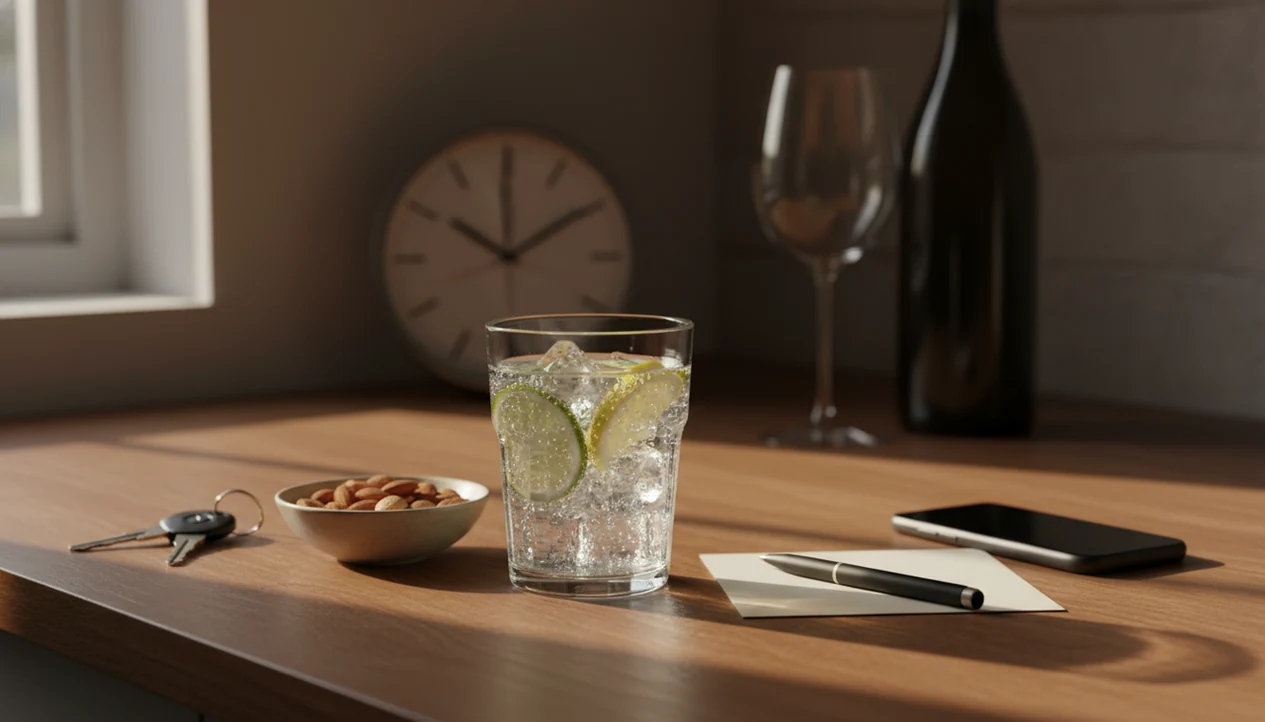
Use temporary swaps during early quitting. Change coffee timing, sit in a different chair, skip the smoking area, or limit alcohol for a few weeks. If alcohol is part of the pattern, an alcohol craving tracker can help separate the drink cue from the cigarette cue.
Switching from cigarettes to constant vaping can preserve the same habit loop. The mint vape in a hoodie pocket may still teach your brain that every meal ends with nicotine.
Private tracking tools can support progress notes and habit plans, but they are not emergency care or individualized medical treatment.
Protect the first 28 days after quitting
Cravings are generally hardest during the first 28 days, when your body and routines are adjusting to life without cigarettes. For this period, make after-meal decisions in advance. Put gum or mints beside your plate, choose a five-minute walking route, and avoid sitting in your usual smoking place.
- Change coffee timing or switch drinks temporarily if coffee and smoking are tightly linked.
- Choose nonalcoholic drinks when alcohol makes the urge harder to resist.
- Leave restaurant smoking areas as soon as the meal ends.
- Discard cigarettes after a lapse and return to the plan at the next meal.
These changes do not need to last forever. They create distance from the strongest cues while the old routine is still easy to reactivate. NHS guidance offers more ways to handle brief cravings and prevent a lapse from becoming a return to smoking.
Mistakes that keep the meal-to-cigarette link alive
Does smoking after meals help digestion? No, smoking after meals does not improve normal digestion, and it adds health risks rather than solving the trigger.
A common mistake is trying to use willpower while leaving the environment unchanged. If the lighter stays on the table and the chair stays pointed toward the smoking spot, the cue keeps doing its job.
Another trap is saving cigarettes “only for after meals.” That may reduce total cigarettes, but it also preserves one of the strongest cue-response patterns. The after meal smoking trigger stays rehearsed.
One hard craving does not erase progress. It means the plan found a weak spot.
Herbs, detox teas, and unproven supplements should not replace evidence-based support. If you’re unsure what is driving the pattern, the guide on what app identifies smoking triggers explains what to track first.
Signs your new routine is starting to work
Progress means the craving is lower, shorter, delayed, or less automatic. You may still want a cigarette after dinner, but you wait five minutes, finish the reset, or smoke fewer times that week.
Review logs weekly instead of judging each meal. Meal-by-meal judgment gets noisy fast, especially after stress, travel, or restaurant meals.
Look for small signals. A craving drops from 9 to 6. You leave the table before reaching for your phone. The stale smoke smell on a winter coat bothers you more than the urge pulls you.
Recurring cravings after certain meals are useful information. Adjust the next plan around that meal, drink, person, or location.
If cravings remain intense or relapse keeps happening, consider NRT or professional quit support.
When cravings call for medication or professional support
Get professional help when smoking cravings keep pulling you back into repeated relapse, feel severe, or come with medical risks. This is especially important if you are pregnant, have heart disease, or feel withdrawal is becoming hard to manage safely.
Use support early rather than waiting for a “perfect” quit attempt. A clinician, pharmacist, quitline coach, or licensed tobacco-treatment specialist can help match the plan to your dependence level, health history, and daily triggers. Nicotine replacement therapy and stop-smoking medicines can be useful, but they should be taken according to the product label or a clinician’s directions.
- Call your primary care clinician, pharmacist, quitline, or tobacco-treatment specialist if cravings stay intense after several planned resets.
- Tell them about relapse patterns, withdrawal symptoms, pregnancy, heart disease, medicines, and any nicotine products you use.
- Ask which NRT or prescription options fit your situation and how to use them safely.
- Seek urgent care now for chest pain, severe mood changes, thoughts of self-harm, or any immediate safety concern.
A craving plan is useful. Medical backup can make it safer and more durable.
After-meal cigarette craving questions
Why do I crave a cigarette after eating?
Your brain may have learned that finishing food is followed by nicotine. The meal, coffee cup, chair, restaurant patio, or people around you can become cues. Withdrawal may add to the urge, but the timing does not mean your body needs a cigarette for digestion.
How long do cigarette cravings after meals last?
An individual craving often lasts only a few minutes, although another urge can return later. Start a prepared five-minute activity as soon as the meal ends. If the craving continues, repeat the activity, change rooms, contact a support person, or use quit medication as directed.
How can I stop smoking after meals?
Stand up when you finish eating, clear the plate, brush your teeth or chew mint gum, drink water, and walk for five minutes. Use the same sequence after each high-risk meal. A fixed routine requires fewer decisions and gives your brain a new signal that the meal is over.
Does smoking after eating help digestion?
No. A cigarette is not needed for normal digestion, and smoking adds health risks rather than treating a digestive problem. The sense that a meal is incomplete without smoking usually comes from conditioning. Changing the taste in your mouth and leaving the table can interrupt that learned connection.
Why are cigarette cravings stronger after dinner?
Dinner may combine several triggers: a larger meal, alcohol, dessert, stress after work, social smoking, or more time to sit. Track the drink, setting, people present, and craving strength for several dinners. That can reveal which part of the evening needs to change.
Can coffee trigger smoking cravings after eating?
Yes. If coffee and cigarettes have repeatedly occurred together, the smell, taste, or usual coffee chair can prompt an urge. Try changing the drink, delaying coffee, using a different cup, or sitting somewhere else during the first weeks of quitting. Return to coffee gradually if the pairing weakens.
Can nicotine replacement therapy help with after-meal cravings?
Nicotine replacement therapy can reduce craving intensity and improve the chance of quitting. A patch provides background nicotine, while gum, lozenges, sprays, or inhalers may help with sudden urges. Follow the product label and ask a clinician or pharmacist which form and dose fit your smoking pattern.
Will cravings after meals eventually stop?
They usually become less frequent, less intense, and less automatic as you stop repeating the smoking routine. Cravings are often hardest during the first 28 days after quitting. A familiar meal may still trigger an occasional thought later, but that does not mean you have lost your progress.