
How to Relax Without Alcohol When Drinking Is Your Off Switch
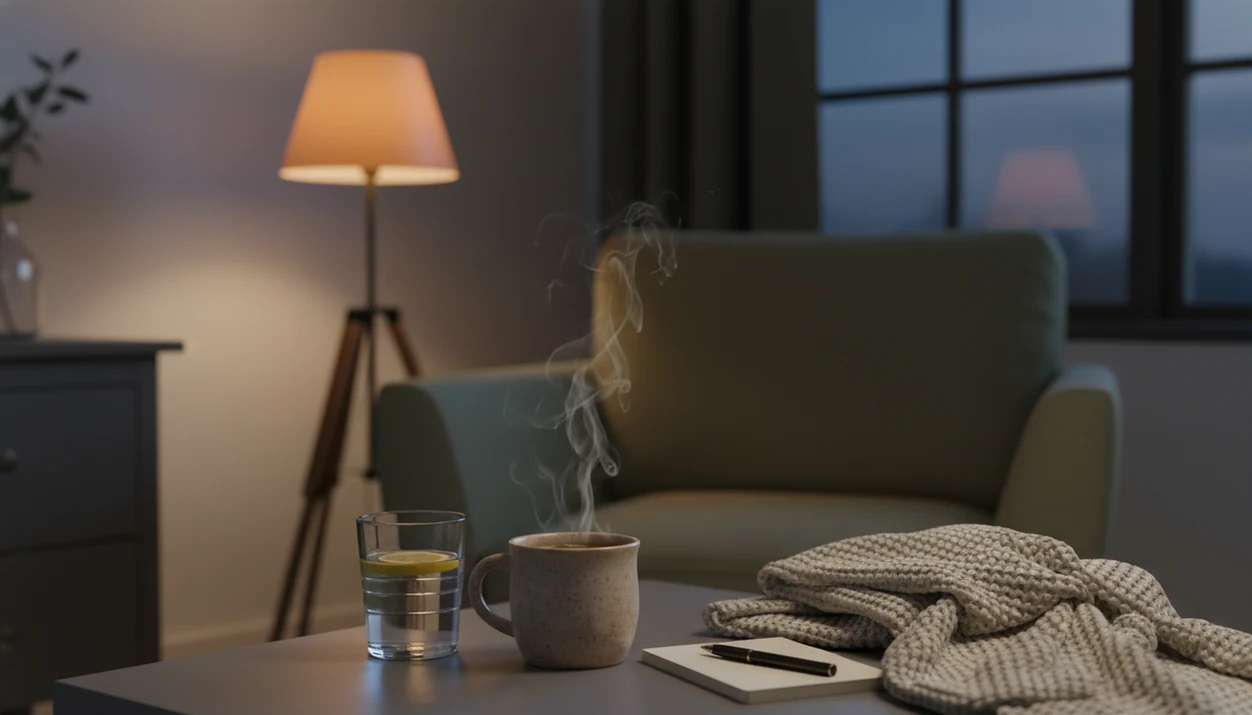
The hardest moment may be surprisingly specific: walking through the door after work, starting dinner, sitting down to watch television, or lying awake in a quiet room. Alcohol has marked that transition often enough that tension can rise when the expected drink does not arrive.
You do not need to feel completely calm for a new routine to work. A useful first target is smaller: delay the automatic pour, lower the urge by one or two points, and give your body another recognizable signal that the demanding part of the day is over.
The quick version
To relax without alcohol, identify when you usually drink, then start a specific 10-minute routine before the urge gets strong. Try slow breathing, movement, a shower, music, or a replacement drink, then rate the craving again. Repeat the same routine nightly so it becomes a new signal for rest. Heavy daily drinkers should get medical advice before cutting down or stopping.
When Alcohol Feels Necessary for Switching Off
Feeling unable to relax without alcohol means feeling tense, wired, restless, or unable to switch off until drinking begins. It can show up after work, during dinner, on weekends, at social events, or at bedtime when the room finally gets quiet.
That pattern can reflect learned dependence, stress conditioning, habit loops, or physical dependence. This pattern is learned, and it says nothing about your character. It is also not something to ignore if cutting back causes symptoms.
In 2022, about 29.5 million people aged 12 or older in the United States had alcohol use disorder, and about 27.2% of adults reported binge drinking in the past month, according to NIAAA alcohol facts and statistics: https://www.niaaa.nih.gov/alcohols-effects-health/alcohol-topics/alcohol-facts-and-statistics. Those numbers matter because “just unwinding” can sit on a wide spectrum, from a habit that needs retraining to a condition that needs clinical care.
Why a Drink Calms You Briefly but Can Raise Stress Later
- Alcohol briefly dampens central nervous system arousal, which is why the first drink may feel like a fast drop in tension.
- Repeated drinking can teach the brain to expect alcohol as the evening off switch, especially when the cue is always the same couch, glass, or hour.
- Rebound anxiety, lighter sleep, and next-day irritability can follow drinking, even when the night started with “only a couple.”
- Anxiety and alcohol use often overlap; NIAAA summarizes research on alcohol-anxiety links here: https://www.niaaa.nih.gov/publications/brochures-and-fact-sheets/alcohol-and-anxiety.
- The nervous system is adaptable, and repeated alcohol-free calming routines can help it relearn regulation.
Alcohol can quiet stress quickly, but it does not build the same skill as natural regulation. When relief is followed by broken sleep, irritability, or regret the next morning, alcohol has postponed the stress rather than resolved it.
The Cue, Drink, Relief Loop
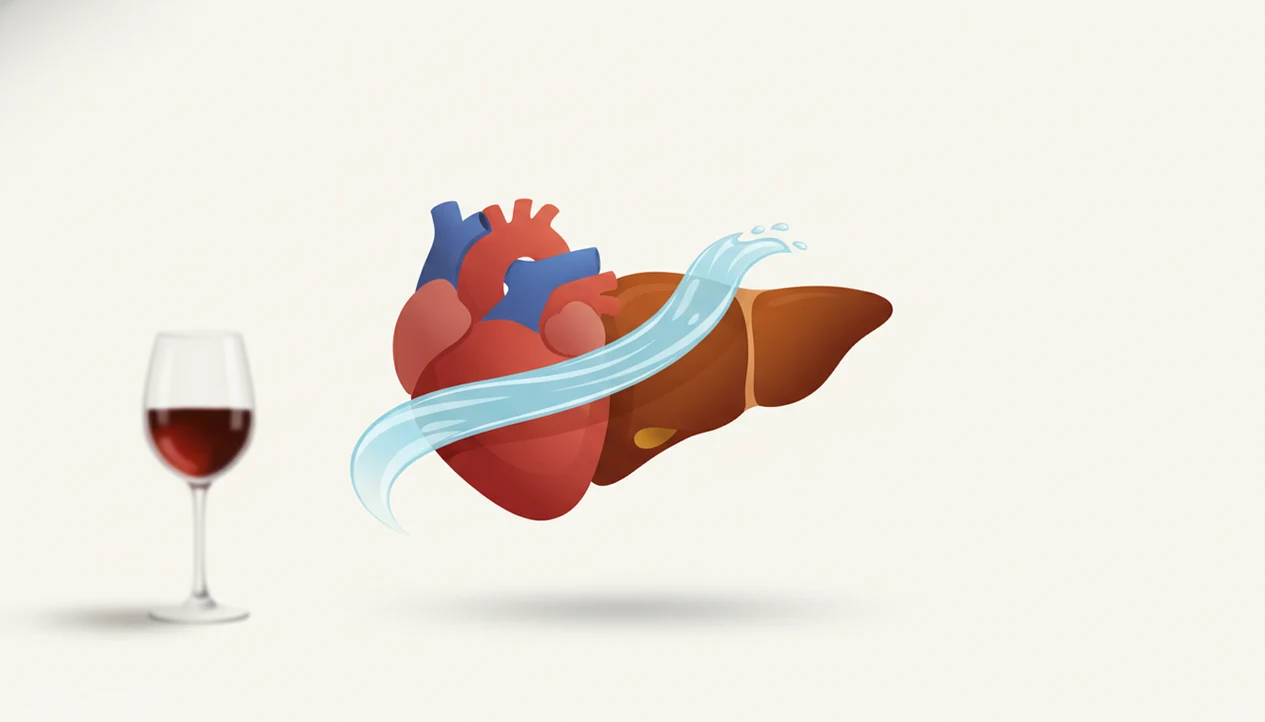
Alcohol-based relaxation works through a cue-routine-reward loop. The cue is stress, boredom, loneliness, social anxiety, or the end of the workday. The routine is drinking. The reward is a short-lived sense of relief.
Over time, the brain starts predicting the reward before the drink arrives. Once the brain predicts that reward, a craving may arrive at the usual drinking time before dinner is ready or a bottle is opened. If tolerance develops, the same amount may feel less calming than it once did, so the routine can stretch.
Rebound arousal is the other half. After alcohol’s sedating effect fades, the body may compensate with lighter sleep, jumpiness, or a flat, irritable morning. Then downtime starts to feel unsafe or dull without alcohol.
Write down the cue, routine, and short-term reward so you can choose a replacement for that exact situation. Severe symptoms, loss of control, or repeated failed attempts to stop deserve professional assessment.
Build a New Off Switch for the Evening
Relaxing without alcohol works by teaching the brain a new way to move from stress into safety. The cue may stay the same, but the routine and reward are repeated until the nervous system starts expecting a different off switch.
This is cue exposure in plain language: you meet the old trigger without following it with alcohol. Slow breathing comes first because it lowers arousal before decision-making has to work hard; a longer exhale can make the urge feel less like an emergency. Then reward replacement gives the brain something concrete to register: warmth from tea, dim light, a shower, music, stretching, or the small relief of logging one alcohol-free evening. Sensory routines matter because they are predictable. The same sound, smell, temperature, and stopping point become a new sequence the body can recognize. At first, the win may be that discomfort drops from an 8 to a 6, not that relaxation feels enjoyable. That still counts. If you may be physically dependent or have withdrawal symptoms, the safety plan changes: get medical guidance before stopping suddenly.
Check Withdrawal Risk Before You Cut Back
Can I just stop drinking and replace wine with relaxation tools? Not always. If you drink heavily or daily, get medical advice before stopping suddenly, especially if you have shaking, sweating, rapid heartbeat, confusion, hallucinations, or any history of seizures.
Preparation is nervous system safety, not willpower. Start by naming your main trigger window: after work, dinner prep, television, loneliness, conflict, or bedtime. A party cooler packed with cans is a different cue than a quiet kitchen at 9:30 p.m., so the plan should match the setting.
Set up the replacement before the urge arrives. Put alcohol-free drinks in the fridge. Add a snack with protein, calming audio, and one short written plan. If poor sleep drives the urge, the pattern may overlap with sleep deprivation alcohol cravings.
Get medical guidance if withdrawal is possible, because abruptly reducing alcohol after heavy or dependent use can be dangerous.
Ask a clinician for help if you repeatedly cannot cut down, drink more than intended, need alcohol to prevent shaking, or have had withdrawal before. Call emergency services for seizures, hallucinations, severe confusion, fever, or extreme agitation.
Alcohol Withdrawal Timing and Emergency Signs
Alcohol withdrawal can begin 6 to 12 hours after a last drink or a major reduction, especially after heavy, regular use. Anxiety, sweating, nausea, insomnia, tremor, and a racing heart are possible early symptoms. Symptoms are often worst during the first 48 hours and commonly improve over 3 to 7 days, although disrupted sleep can last longer. The NHS guidance on alcohol dependence and withdrawal advises getting medical help before stopping if withdrawal symptoms occur.
- Do not stop suddenly without medical advice if you drink heavily every day, need alcohol to stop morning shakes, or have had withdrawal before.
- Do not create your own rapid taper if physical dependence may be present. A clinician can assess whether supervised withdrawal or a guided reduction is safer.
- Call emergency services for a seizure, hallucinations, severe confusion, fever, or marked agitation.
Trouble relaxing or sleeping during the first several nights does not prove that your body needs alcohol for rest. It may reflect rebound arousal or withdrawal. According to NHS alcohol treatment guidance, sleep often moves back toward normal within about a month, though individual recovery times vary.
Map the Exact Moments That Trigger a Drink
Use a craving log before trying to fix the whole evening. A useful entry includes time, place, emotion, body sensation, people nearby, and the first thought that appeared before the urge.
- Record the moment: Write the time, location, and what was happening.
- Name the body signal: Note tight chest, dry mouth, restless legs, headache, or stomach tension.
- Rate the urge: Use a 1 to 10 scale before doing anything.
- Track the response: Write what you did and whether the urge changed after 10 minutes.
- Review the pattern: Look for windows, not moral failures.
Urges often peak in predictable slots rather than all day. Stress after work, cooking dinner, putting kids to bed, watching TV, or social anxiety may each need a different response. A notebook or notes app can record the time, trigger, craving level, response, and result.
Measure the Pattern Before Changing It
For seven days, record the number of drinks, the time of the first drink, the situation, and the problem you hoped alcohol would change. Stress, boredom, loneliness, social anxiety, and trouble sleeping may require different replacement plans. The CDC guide to getting started with drinking less recommends measuring current drinking and setting a clear goal rather than relying on memory.
| Usual trigger | Scheduled replacement | Recheck |
|---|---|---|
| Arriving home | Change clothes and walk for 10 minutes | Rate the urge again |
| Cooking dinner | Prepare a snack and alcohol-free drink first | Recheck after 15 minutes |
| Bedtime tension | Dim lights, shower, and breathe slowly | Recheck before getting into bed |
Use a 0 to 10 craving scale before and after the replacement. The aim is to interrupt the automatic sequence, not force the urge to disappear immediately.
Use a 4-In, 6-Out Breathing Reset
Slow breathing may help alcohol cravings because it shifts the body toward parasympathetic regulation. The slower rhythm can reduce physical arousal, making the craving feel less urgent while you choose your next action.
- Sit or stand steadily: Put both feet on the floor if possible.
- Inhale for 4 seconds: Keep the breath quiet, not dramatic.
- Exhale for 6 seconds: Let the longer exhale carry the downshift.
- Repeat for 3 to 5 minutes: Aim for about 6 breaths per minute.
- Choose the next action: Drink water, step outside, text someone, or start the replacement routine.
Controlled studies and reviews suggest that slow-paced breathing around 6 breaths per minute can increase heart rate variability, a marker of flexible nervous system regulation: https://pmc.ncbi.nlm.nih.gov/articles/PMC5709795/. Breathing does not erase every craving. It can lower intensity enough to choose what happens next.
Replace the Transition Ritual, Not Just the Beverage
A replacement routine works better when it gives the brain a new cue, action, and reward. Removing alcohol without replacing the ritual leaves a blank space, and blank space often invites the old habit back.
- Choose a sensory drink: Try seltzer, tea, broth, or an alcohol-free option in a different glass.
- Change the lighting: Use one lamp instead of bright overhead light.
- Add a body cue: Shower, stretch, walk for 10 minutes, or wrap up in a blanket.
- Use sound deliberately: Pick one playlist, audiobook, or calming track.
- End with a marker: Log the alcohol-free evening or lower drink count.
The risk is substitution: constant snacking, scrolling, or vaping can become the new off switch if stress remains unaddressed. If one drink commonly turns into more, the pattern is covered in why one drink becomes more.
Set Up Calmer Evenings Earlier in the Day
Lasting alcohol-free relaxation usually comes from daily regulation, not one heroic evening. Sleep consistency, morning light, movement, protein-rich meals, hydration, and social connection all reduce the load placed on willpower at 8 p.m.
- Keep wake time steady: A regular morning anchor helps the body predict rest.
- Get outdoor light early: Even 5 to 10 minutes can support circadian timing.
- Move before the craving window: Walk, lift, stretch, or do stairs before dinner.
- Eat enough earlier: Hunger can feel like anxiety in the evening.
- Use support: Therapy, CBT-style tools, or peer support can address stress thoughts.
A 2017 meta-analysis found small-to-moderate reductions in alcohol and substance use with mindfulness-based interventions. Progress can feel uneven for weeks or months. Track wins beyond abstinence, including better sleep, fewer cravings, calmer evenings, and lower guilt. For deeper craving retraining, the how to retrain alcohol cravings guide covers cue practice in more detail.
Five Reasons Alcohol-Free Relaxation Plans Stall
The instant-relief test: Expecting one breathing exercise to feel as strong as alcohol on the first night sets the plan up to look useless. Natural regulation is slower, but it can become more reliable with repetition.
The late-start mistake: Waiting until the craving is an 8 out of 10 makes every tool harder to use. Start the routine when the first thought appears, not after the glass is already poured.
The unchanged-cue problem: Keeping the same chair, same show, same glass, and same hour can keep the old loop alive. Change at least one visible part of the scene.
The substitute trap: Wine can be replaced by vaping, smoking, scrolling, or compulsive eating if the stress signal is never addressed.
The private-struggle rule: Some people need more than privacy. Support is not a failure of discipline; it is risk reduction.
How to Tell Your New Routine Is Taking Hold
Progress often looks ordinary before it feels impressive. Urges pass faster. Evenings feel less threatening. Sleep becomes less broken. Morning regret shows up less often.
Early discomfort does not mean the plan is failing. It may mean the brain is meeting a familiar trigger without its usual shortcut. Rate craving intensity from 1 to 10 before and after a tool, then compare the numbers over several weeks.
A craving that falls from 8 to 6 is evidence that the urge can change without a drink.
Track alcohol-free evenings, lower drink counts, replacement routines, and the moments when you paused before acting. A calendar dry day marked green can become evidence that the body is learning a new sequence. If cravings feel strongly physical, the physical alcohol cravings explainer may help separate body signals from the decision to drink.
Practice the replacement at the same time and place alcohol usually appears, so your nervous system learns a response for that specific cue.
Relaxing Sober: Common Questions
Why can’t I relax without alcohol?
Your brain may have learned that a certain time, place, emotion, or activity predicts a drink and quick relief. Repeating that sequence makes the urge feel automatic. Physical dependence can also cause anxiety or restlessness when alcohol wears off, especially after heavy daily drinking. Withdrawal symptoms require medical advice.
What are some practical ways to unwind without drinking?
Start a short routine at the time you usually pour a drink. Change clothes, prepare an alcohol-free beverage, walk for 10 minutes, shower, stretch, play familiar music, or call someone. Pick two or three actions and repeat them in the same order so they become a clear end-of-day signal.
How do I destress without alcohol when a craving is strong?
Rate the craving from 0 to 10, postpone the drinking decision for 10 to 20 minutes, and change your physical state. Try slow breathing, water, a snack, movement, or stepping outside. Rate the urge again afterward. If it remains high, contact a supportive person and move away from available alcohol.
What can replace wine at night?
Replace the full transition ritual rather than only changing the liquid. Use a different glass, dim the lights, make tea or seltzer, take a warm shower, stretch, and choose a clear stopping point for the evening. If familiar wine glasses or television shows trigger cravings, change those cues for a while.
Do breathing exercises help with alcohol cravings?
Slow breathing may lower physical arousal enough to create a pause, but it will not remove every craving. Try inhaling quietly for 4 seconds and exhaling for 6 seconds for 3 to 5 minutes. Follow it immediately with another action, such as walking, eating, texting someone, or leaving the drinking setting.
How long does it take to feel relaxed without drinking?
There is no fixed schedule. A habit-based urge may begin changing after repeated alcohol-free evenings, while sleep and mood can fluctuate for weeks. If physical dependence is present, withdrawal may start within 6 to 12 hours, peak during the first 48 hours, and improve over 3 to 7 days. Medical supervision may be needed.
Is drinking every night a sign of alcohol dependence?
Nightly drinking alone does not establish a diagnosis, but it deserves attention. Warning signs include escalating amounts, morning drinking, tremor relieved by alcohol, strong cravings, drinking longer than intended, failed attempts to cut down, and continued use despite health or relationship problems. A clinician can assess your pattern and withdrawal risk.