Why Alcohol Cravings Show Up in Your Body
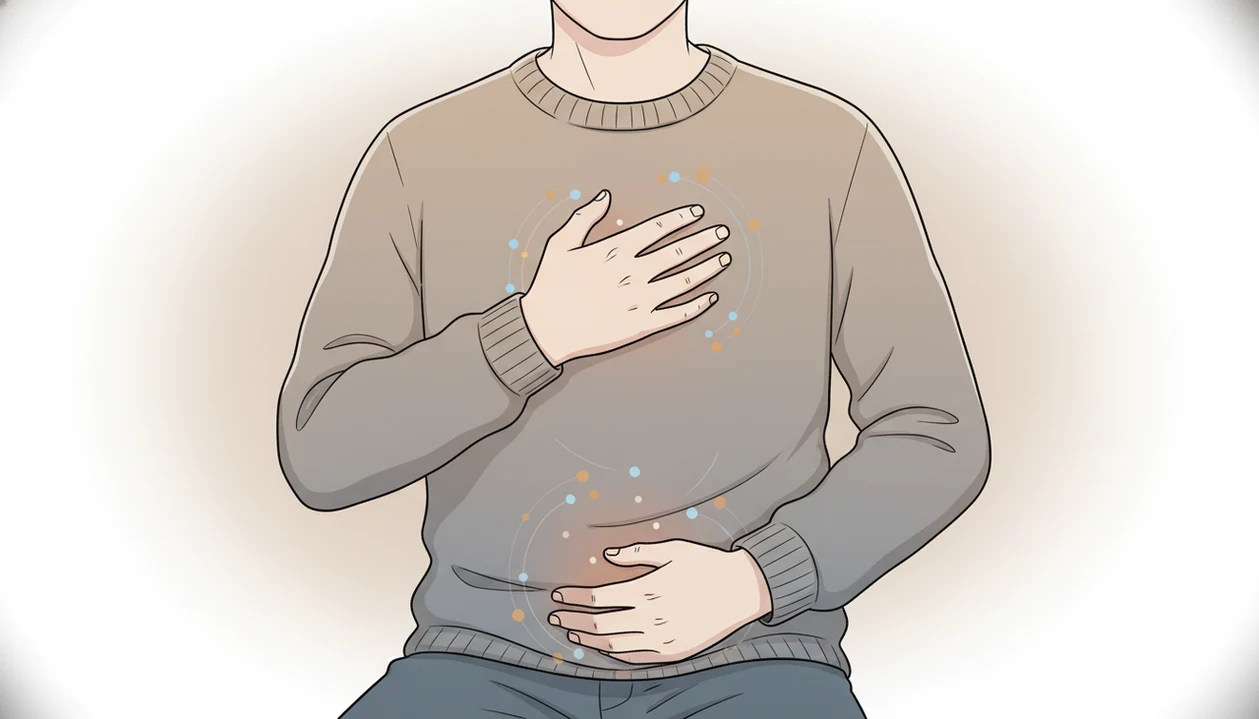
Alcohol cravings can feel physical because your brain links alcohol cues, withdrawal signals, stress, and body sensations into an urge that can show up as tightness, restlessness, gut tension, or a wired feeling. In other words, physical alcohol cravings body sensations are real brain-and-body responses, not proof of weakness.
> Definition: Physical alcohol cravings are alcohol urges that are felt as body sensations, such as chest tightness, stomach tension, racing heart, restlessness, or nervous energy, rather than only as thoughts about drinking.
- Alcohol cravings can feel physical because the brain monitors internal body signals and can label them as an urge to drink.
- The insula, amygdala, prefrontal cortex, withdrawal state, stress, and learned alcohol cues all help turn sensations into craving.
- Body-based coping tools such as breathing, movement, grounding, urge surfing, and craving tracking can reduce intensity, but severe or unsafe symptoms need medical help.
Physical Alcohol Cravings in the Body: At-a-Glance Facts
Quick answer: Alcohol cravings can feel physical because the brain often interprets body signals, stress, memories, and alcohol cues as an urgent need to drink. These sensations may feel intense, but they are usually time-limited signals rather than commands you have to obey.
Key takeaways
- A craving can show up as tightness, agitation, nausea, warmth, shakiness, or a restless “need” feeling.
- Body sensations do not mean you are failing; they often reflect learned brain-body associations.
- Pausing to label the sensation can reduce automatic drinking behavior for many people.
- Food, hydration, sleep, stress, and caffeine can make physical urges feel stronger.
- If symptoms include severe shaking, confusion, seizures, or hallucinations, seek urgent medical help.
- Tracking when body-based urges happen can reveal patterns you may not notice in the moment.
Physical alcohol cravings are real body-and-brain responses, not a character flaw. They can feel like chest tightness, stomach knots, buzzing, restlessness, or a driven need to drink.
- Withdrawal can amplify craving. Early alcohol withdrawal often brings body discomfort, poor sleep, shaky energy, and an “I need something” feeling.
- Conditioned cues can start the body routine. A Friday evening, a certain store aisle, or the beer fridge hum during dinner prep can trigger preparation before you consciously decide anything.
- Interoception matters. Your brain reads internal signals, then may label tension, fatigue, or anxiety as alcohol need.
- The insula is involved. Neuroimaging research links alcohol cues with insula activation and stronger craving ratings.
- Support matters when cravings feel uncontrollable. In one clinical sample, 71% of people with alcohol dependence reported craving, and stronger craving was tied to greater dependence severity and relapse risk the NIH.
How Physical Alcohol Cravings Work
Physical alcohol cravings work when the brain turns a cue or body state into a felt prediction: alcohol would change this feeling. The urge is real, but it is a learned body-brain loop, not an order you have to follow.
- Notice a cue or body signal: a time of day, bottle shape, stress spike, shaky sleep, tight chest, or empty stomach.
- Interpret the signal through memory. The insula helps read body sensations, the amygdala tags them as important or threatening, and the prefrontal cortex tries to plan the next move.
- Feel the urge as pressure, heat, restlessness, stomach tension, or “I need relief.”
- Act by drinking, delaying, leaving the cue, breathing, eating, calling someone, or tracking the craving.
- Learn from the outcome. If alcohol gives quick relief, the brain may save that shortcut and make the next similar craving arrive faster.
Withdrawal discomfort is one source of physical craving, especially early on. Conditioned cue responses and stress arousal can create similar body urgency even when you are not in acute withdrawal.
Alcohol Cravings That Feel Physical Instead of Mental
Why do cravings feel physical? Because alcohol urges combine memory, reward learning, stress hormones, withdrawal signals, and body prediction into one fast message.
Sometimes the body speaks first. You may feel a tight chest, restless legs, saliva, heat in your face, or a pull toward the store before the thought “I want a drink” appears. That timing can feel confusing, especially if you woke up planning not to drink.
A physical craving is not made up. It is also not a safe command. Drinking may reduce the sensation for a short time, but it can teach the brain to repeat the same cue, routine, reward loop tomorrow. For many people, naming the body signal is easier than arguing with the craving thought because it gives the urge a smaller job: sensation, not instruction.
The sensation is real. The command is negotiable.
Interoception Signals in Alcohol Cravings
Interoception is the brain’s process of reading internal body signals, including heartbeat, breathing, gut tension, temperature, muscle tightness, hunger, fatigue, nausea, and anxiety.
When drinking has repeatedly changed uncomfortable body states, the brain can learn a shortcut. Stress means drink. Fatigue means drink. Boredom after work means drink. Over time, ordinary discomfort may get mislabeled as an alcohol-related problem to solve.
That is why a craving can feel like need instead of choice. Your chest tightens, your jaw locks, your stomach feels off, and the brain offers the old solution. The better response is not “ignore it.” Try a cleaner label: “My stomach is tense,” or “My body is keyed up.” If relaxation is the main trigger, the practice steps in how to relax without alcohol can help separate discomfort from the drinking routine.
Insula Alcohol Craving Circuits and Body Sensations
The insula is a brain region involved in interoception and conscious body feeling. It helps translate internal signals into experiences like hunger, nausea, anxiety, pain, and craving.
In alcohol craving, the insula does not work alone. It interacts with the amygdala, which tags cues with emotional importance, and the prefrontal cortex, which helps with planning, inhibition, and decision-making. Together, these circuits can make a bottle, bar patio, or certain friend feel urgent.
Stat callout: A meta-analysis of alcohol cue-reactivity imaging studies found reliable activation in craving-related regions, including the insula, during alcohol cue exposure; stronger cue responses are often associated with higher self-reported craving the NIH.
That does not mean a scan can predict your exact 7:20 p.m. craving. Brain imaging shows patterns across groups, not a personal craving forecast. Still, the insula helps explain why “just don’t think about it” often misses the point.
Body Sensations During an Alcohol Urge
Body sensations during an alcohol urge can include tight chest, stomach knot, salivation, shaky energy, clenched jaw, heat, agitation, insomnia, and restless limbs. The pattern varies, so the useful skill is tracking what happens in your body, not guessing what “should” happen.
Common body signs
Common signs include a buzzing feeling under the skin, pacing, shallow breathing, dry mouth, tense shoulders, and a sudden pull toward familiar alcohol routines. One person notices a stomach drop at 5 p.m.; another notices their hand moving toward the same cabinet without much thought.
Log the sensation, trigger, time, intensity, and outcome. If one drink often turns into several, the pattern is explained more deeply in why one drink becomes more.
When sensations need urgent care
Craving sensations can overlap with anxiety, hunger, dehydration, poor sleep, or withdrawal. Severe chest pain, fainting, confusion, seizures, hallucinations, severe shaking, or dangerous vital-sign changes need urgent medical evaluation, not a coping worksheet.
Alcohol Craving Triggers That Hit the Body First
Alcohol triggers can hit the body before they become clear thoughts because the body prepares for familiar routines when cues appear. That preparation can feel like tension, speed, heat, or restless pressure.
External triggers include bars, liquor stores, weekends, sports, certain friends, payday, seeing a bottle, or hearing someone order your usual. The bartender reaching for the usual bottle can become a decision point before you have even sat down.
Internal triggers work the same way. Stress, shame, boredom, loneliness, anger, fatigue, and celebration can all cue the old routine. Out-of-the-blue cravings can also happen after long periods of change, especially when sleep is poor or life pressure stacks up. For people rebuilding cue responses, how to retrain alcohol cravings is often more practical than trying to “win” every urge by force.
6 Body-Based Tools for Physical Alcohol Cravings
Body-based tools for physical alcohol cravings work by lowering arousal, changing cues, and delaying the decision long enough for the urge to crest. They reduce intensity and duration; they do not erase every urge instantly.
- Name the sensation: Say, “My chest is tight,” or “My legs are restless,” instead of “I need a drink.”
- Lower arousal: Breathe out longer than you breathe in for two minutes.
- Move the body: Walk, stretch, do stairs, or shake out your arms for five minutes.
- Change the cue environment: Leave the aisle, close the delivery app, or move to a brighter room.
- Delay the decision: Set a 10-minute timer and practice urge surfing until it rings.
- Log the craving: Record trigger, body feeling, intensity, action, and outcome.
Me Quit can support private craving logs, streak repair, trigger notes, and milestone tracking on your phone. Treat Me Quit as a tracking and reflection aid, not as medical detox, emergency care, or a substitute for clinician-guided alcohol withdrawal support.
Physical Alcohol Cravings, Withdrawal, and Relapse Risk
Physical alcohol cravings are often strongest in early withdrawal or detox, then may decrease over weeks to months. However, cue-induced urges can still return later, especially under stress.
NIAAA reports that an estimated 28.8 million U.S. adults, or 11.2%, had alcohol use disorder in the past year NIAAA alcohol data. Research reviews also describe relapse after alcohol treatment as common and strongly shaped by stress, craving, and cue exposure the NIH. Those numbers are not destiny. They are a reason to plan for hard moments before they arrive.
Clinicians typically recommend professional support when cravings are frequent, intense, or feel uncontrollable, especially if drinking is used to feel physically normal. Self-guided tracking, dry days, and drink-limit goals can help some people, but strong withdrawal symptoms need medical guidance. For lower-risk goal setting, the alcohol reduction guides collect practical ways to map triggers and plan safer choices.
When to Seek Medical Help for Alcohol Cravings
Seek medical help when alcohol cravings come with severe withdrawal symptoms, feel impossible to control, or follow a pattern of heavy daily drinking. Alcohol withdrawal can become medically unsafe, so this is not a moment to rely only on willpower, an app, or a worksheet.
- Call emergency services or go to urgent care if you have seizures, confusion, hallucinations, fainting, severe shaking, severe vomiting, chest pain, or signs that your body feels dangerously unstable.
- Ask a clinician to assess withdrawal risk if you drink most days, need alcohol to feel normal, have had withdrawal symptoms before, or are unsure whether stopping suddenly is safe.
- Consider supervised detox if you have been drinking heavily every day, especially if past attempts to stop caused shaking, panic, insomnia, or other intense symptoms.
- Discuss support options without self-prescribing. A clinician may talk through medication, therapy, peer support, outpatient care, or a higher level of care depending on your situation.
- Use self-help tools only as support. Tracking cravings can be useful, but it cannot diagnose withdrawal risk or manage dangerous withdrawal.
Limitations
Self-help tools can help you respond to body cravings, but they have clear limits. Use them as support, not as proof you should handle everything alone.
- Moderate to severe alcohol use disorder may require medical care, medication, therapy, or supervised detox.
- Supplements, detox products, and special diets have limited or mixed evidence for craving control.
- Apps such as Me Quit can support tracking and streak repair, but they do not diagnose withdrawal risk or replace a clinician.
Reset the plan.
FAQ
Why do alcohol cravings feel physical?
Alcohol cravings can feel physical because the brain links internal body sensations, stress, cues, and alcohol memories. The result may feel like tightness, restlessness, stomach tension, or urgency.
What is interoception in alcohol cravings?
Interoception is the brain’s process of reading internal body signals. In alcohol cravings, those signals may be interpreted as an urge to drink.
What does the insula do during alcohol cravings?
The insula helps turn body signals into conscious feelings. During alcohol cue exposure, it can help make craving feel physical and urgent.
Can alcohol cravings cause chest tightness?
Alcohol cravings and anxiety can involve chest tightness. Severe, unusual, or worsening chest symptoms need medical evaluation.
Do alcohol cravings mean I am in withdrawal?
Cravings can occur during withdrawal, but they can also happen later because of stress, cues, and learned associations. Withdrawal risk should be discussed with a clinician if symptoms are strong or unsafe.
How long do alcohol cravings last?
Many urges rise and fall within minutes, especially when a person delays acting on them. Frequency and intensity often change over weeks or months.
Can exercise reduce alcohol cravings?
Exercise can reduce arousal, shift attention, and lower craving intensity for some people. Even a short walk can interrupt the cue, routine, reward loop.
When are alcohol cravings dangerous?
Alcohol cravings are dangerous when they feel uncontrollable, pair with severe withdrawal symptoms, or lead to unsafe drinking. In those cases, professional or urgent medical support is appropriate.