
What to Do After Drinking Alcohol Again
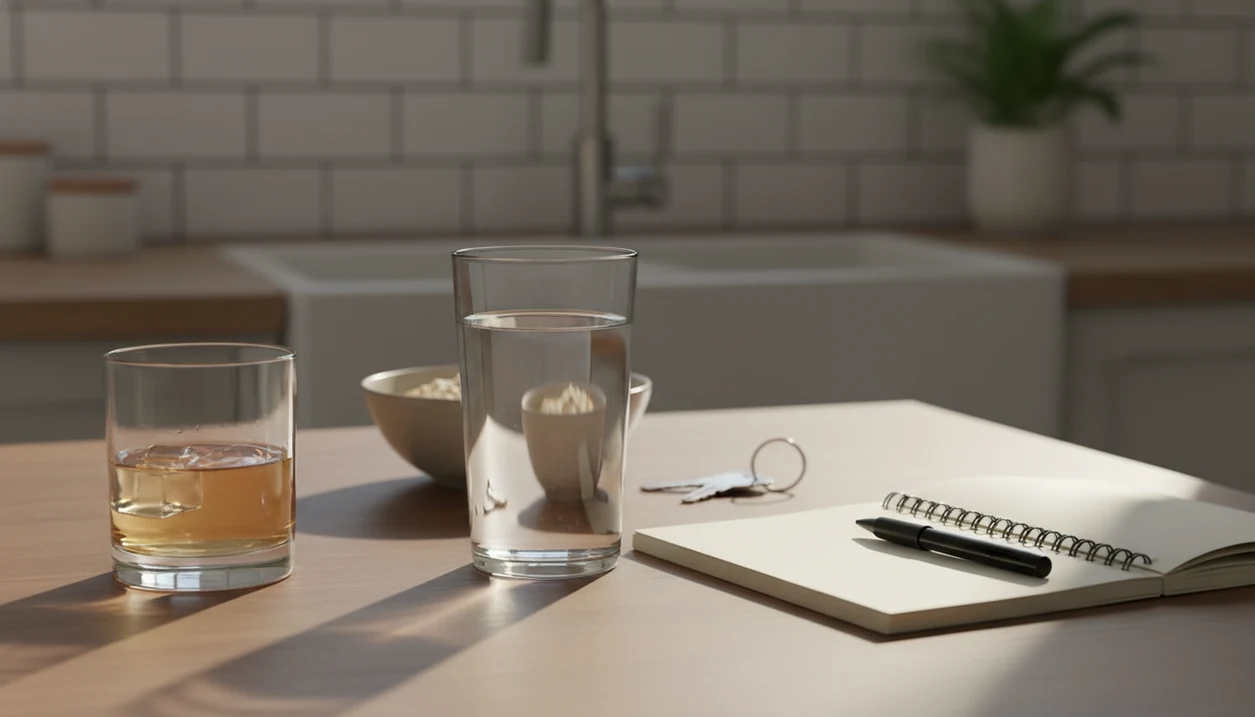
The morning after a slip can bring nausea, poor sleep, missing memories, and the thought that all your alcohol-free time was wasted. It was not. That time still counts, and the slip can show exactly where your plan needs more protection.
Start with the immediate situation rather than making a permanent promise while tired or hungover. Deal with medical risks, food, water, transportation, and available alcohol. Once you are steady, trace the decisions that came before the first drink and the drink that broke your limit.
Your next steps
Drinking after quitting does not erase the progress you made. Check first for intoxication or withdrawal danger, record what led to the first drink, tell someone supportive, and revise one part of your plan. If you have been drinking heavily or frequently, get medical advice before stopping suddenly because alcohol withdrawal can become dangerous.
A slip is a warning signal, not a verdict
A drinking slip reset is a practical review after drinking breaks your plan, not a moral verdict. A slip can mean drinking after a dry streak, binge drinking once, or having three drinks when your written limit was one.
It still deserves attention. The lime wedge sinking in club soda may look harmless, but if it came after a planned dry night, the pattern matters. In a large 2019 U.S. survey of people who had resolved a significant alcohol or drug problem, about 60% reported at least one relapse the NIH.
That number can reduce shame, but it should not make risky drinking feel casual. A reset means you pause early, name what happened, and change the next decision before old routines rebuild.
Stop one drinking episode from becoming a pattern
Restarting works by interrupting the habit loop: pause, stabilize, review, remove triggers, recommit, and track. The immediate goal is to keep one drink or one night from expanding into several days.
Shame often makes the slip bigger. “I already messed up” can turn one Friday drink into a weekend pattern. All-or-nothing thinking is especially risky when the beer fridge hums during dinner prep and your brain decides the plan is already gone.
Write the risk profile: time, place, amount, mood, people, and consequences. Add nicotine too. Many people smoke or vape more after alcohol, and the automatic porch smoke after two cocktails is a real trigger pattern. If that sounds familiar, the link between alcohol and nicotine is covered in why do I smoke more when I drink.

Could stopping alcohol suddenly be dangerous?
If you may be dependent on alcohol, do not suddenly stop without medical advice. A home alcohol relapse reset is not safe for everyone, especially after heavy daily drinking or past withdrawal.
- Shaking, sweating, confusion, hallucinations, seizures, chest pain, or severe vomiting need urgent medical guidance.
- Severe withdrawal can be dangerous and should not be managed alone at home.
- If you might hurt yourself, call emergency services or a crisis line now.
- In 2022, an estimated 28.8 million U.S. adults had alcohol use disorder, according to NIAAA alcohol facts and statistics NIAAA alcohol data.
- Risky alcohol patterns are common and treatable; needing help is not unusual.
Heavy or frequent drinking, previous withdrawal, and current symptoms are reasons to speak with a clinician before making a sudden reduction. The small next step may be a phone call, not a calendar reset.
Get urgent medical help for confusion, hallucinations, a seizure, severe or repeated vomiting, chest pain, abnormal breathing, or difficulty waking. If you have been drinking heavily or frequently, have had withdrawal before, or feel unable to stay safe, contact a clinician before stopping suddenly.
The withdrawal window after your last drink
Alcohol withdrawal can begin about 6 to 12 hours after the last drink and is often worst during the first 48 hours. Symptoms commonly improve over 3 to 7 days, although disrupted sleep may last longer. This timeline is not a home detox plan. Serious complications can develop unpredictably, particularly after heavy or frequent drinking. See NHS guidance on alcohol misuse and withdrawal.
| Time | What may happen | Action |
|---|---|---|
| About 6 to 12 hours | Anxiety, sweating, tremor, nausea, insomnia, or a racing heartbeat may begin. | Contact a clinician promptly if dependence is possible or symptoms are developing. |
| First 24 to 48 hours | Symptoms may worsen. Severe cases can involve hallucinations, confusion, or seizures. | Use emergency care for severe or rapidly worsening symptoms. |
| Days 3 to 7 | Many symptoms improve, but persistent vomiting, confusion, severe shaking, or worsening illness needs medical assessment. | Do not assume ongoing symptoms are simply part of a normal reset. |
Do not use another drink to treat possible withdrawal without medical advice. A clinician can assess seizure risk, previous withdrawal, medications, and the need for supervised care. For a lower-risk drinking plan after assessment, the CDC recommends setting limits, identifying triggers, and asking for support from someone who backs your goal. See the CDC steps for drinking less.
Protect the first 24 hours
Use the first 24 hours to stop the slide and lower immediate risk. Do not use the next day to “finish what is left.”
- Stop drinking now, and avoid driving or risky tasks if you may still be impaired.
- Eat, hydrate, and rest, even if it is plain toast, water, and an early night.
- Remove alcohol from the home, or ask someone else to hold it for a few days.
- Text one trusted person, such as “I drank more than planned. I’m resetting today and could use a check-in.”
- Log the slip without insults, including amount, setting, time, mood, trigger, and consequences.
Postpone big decisions. Apology texts, work emails, and relationship talks are usually clearer after sleep. If alcohol also pulled smoking back in, a separate restart after smoking relapse plan can keep the nicotine side from taking over.
Build a seven-day restart you can follow
A seven-day reset gives your brain a clear runway. It also makes the plan visible before the next craving window hits.
- Set several alcohol-free days on a calendar or app, and make the first one today.
- Choose alcohol-free substitutes for usual drinking times, such as seltzer, tea, or a zero-proof option.
- Avoid high-risk routines for one week, including the bar, the payday stop, or the friend who refills fast.
- Write a drinking limit if moderation is the goal, not abstinence.
- Review daily, noting cravings, sleep, money saved, and any near-miss moments.
Australian alcohol guidelines give one lower-risk reference point: no more than 10 standard drinks per week and no more than 4 on any one day, according to the National Health and Medical Research Council NHMRC guidelines. For moderation, written limits usually work better than “I’ll be sensible” because the decision is made before alcohol is present. A tool that can plan alcohol limits can make those numbers harder to blur.
Find the first broken boundary
What happened before the first drink? The useful answer is usually specific: location, emotion, people, stress, hunger, boredom, conflict, celebration, payday, or a nicotine craving.
Look for the first broken boundary, not only the final amount consumed. Maybe the real break was skipping dinner, staying after the first round, or saying yes when a coworker ordered shots. Under U.S. public-health definitions, binge drinking is commonly 4 or more drinks for women and 5 or more for men on one occasion, according to the CDC CDC alcohol data.
Trigger data to write down
Record the first drink time, who was there, what you felt, what you had eaten, and what consequence bothered you most the next day. The sour stomach before a social event belongs in the log too.
If-then plan examples
If stress spikes after work, then buy dinner before any drink decision. If nicotine cravings rise with alcohol, then leave the lighter at home and use a three-minute craving tool first.
What to Do After Drinking Again While Trying to Quit or Cut Back
Use a short reset instead of trying to solve your entire relationship with alcohol while hungover. If you may be dependent or have withdrawal symptoms, contact a clinician before abruptly stopping. Otherwise, work through these steps before the next likely drinking situation.
- Stabilize first. Do not drive or take on risky tasks if you may still be impaired. Eat, drink water, rest, and postpone major conversations or decisions.
- Log the facts. Record the drink count, timing, place, people, mood, food, sleep, drink strength, and pace. Avoid labels such as weak or hopeless.
- Map the chain. Find the permission thought and the first lost boundary. It might have been opening a tab, skipping dinner, accepting a round, staying for shots, or deciding the plan was already ruined.
- Change one part of the plan. Pick a smaller limit, alcohol-free days, a firm stop time, a planned ride home, or a place you will avoid.
- Share the reset. Tell a trusted person what happened and when you would like a check-in. Contact professional support if slips are repeating or becoming harder to stop.
Make the trigger description specific
A note such as “stress made me drink” is too broad to guide the next decision. “Friday work drinks after four hours without food, an open tab, strong pours, and a coworker ordering rounds” gives you several points to change. Include how you felt before the first drink and before the drink that broke your limit. Bored, lonely, wired, embarrassed, and relieved can require different plans.
Open your notebook or tracker before you start debating with yourself. One honest line is enough to begin.
Slip myths vs safer next actions
The myths after a slip are often harsher than the facts. They can also push people into unsafe choices, like hiding symptoms or returning to old drinking levels too quickly.
| Myth | Reality | Better next action |
|---|---|---|
| One slip means failure and resets all progress. | A slip is a signal to update the plan. | Keep the learning, reset the next decision. |
| A few dry days make old drinking levels safe again. | Tolerance can drop after a break. | Restart with lower limits or dry days. |
| Support is only for daily drinking. | Binge episodes and repeated loss of control also deserve support. | Tell one person or contact a clinician. |
| Binge drinking is not a problem if it is not daily. | Infrequent binges still raise injury and health risks. | Track quantity and avoid high-risk settings. |
A useful reset changes the next predictable trigger instead of assigning a harsher punishment.
Signs that self-guided changes are not enough
A drinking slip reset needs more support when slips repeat, become harder to stop, or cause harm. Stronger care can include counseling, medications, peer support, outpatient treatment, or a higher level of medical care.
- Repeated failed attempts to cut back are a warning sign.
- Hiding drinking, blackouts, injuries, or drinking despite consequences need attention.
- Withdrawal symptoms mean medical advice matters before stopping.
- Being unable to stop once started may point to alcohol use disorder.
- In 2022, 36.8% of U.S. adults receiving substance use treatment cited alcohol as the primary substance, according to NIAAA data NIAAA alcohol data.
Treatment is not reserved for a worst-case moment. If safety is at risk, contact a clinician, local emergency service, or crisis line. For people managing both alcohol and nicotine, a quit smoking and drinking app may support daily tracking, but it does not replace professional care.
Questions after drinking again
Did I ruin my progress by drinking after quitting?
No. Your earlier alcohol-free days and the changes you made still happened. A slip does show that part of the plan needs attention. Record what led to the first drink, check for medical risks, and make one concrete change before the next similar situation.
Is one slip the same as a full relapse?
There is no single line that separates a slip from a relapse. People often use slip for one episode and relapse for a sustained return to an old pattern. The label matters less than stopping the episode safely and responding before drinking becomes frequent again.
What should I do the morning after drinking more than planned?
Do not drive if you may still be impaired. Eat, drink water, rest, and avoid trying to finish leftover alcohol. Write down how much you drank and what happened before it. If shaking, sweating, vomiting, confusion, hallucinations, or other withdrawal symptoms appear, seek medical advice.
Should I reset my sobriety streak after one drink?
You can record the drinking day without treating all earlier progress as worthless. Some people restart a consecutive-day count, while others track total alcohol-free days alongside the slip. Use the method that keeps the record honest without turning one episode into permission to continue drinking.
Why did I drink more than I planned?
Common reasons include drinking quickly, strong pours, an open tab, skipped food, poor sleep, stress, social pressure, or the thought that one broken limit made the rest irrelevant. Find the first decision that weakened your plan, not only the final drink count.
Should I lower my alcohol limit after a slip?
A lower written limit may help if moderation remains medically appropriate, but repeated failed limits can mean abstinence or professional care is safer. People with withdrawal symptoms, dependence, pregnancy, interacting medications, or certain medical conditions should not rely on moderation without clinical guidance.
When does a drinking slip need professional help?
Seek help when slips repeat, you cannot stop once you begin, you hide drinking, experience blackouts, drive after drinking, or continue despite health or relationship harm. Withdrawal symptoms and previous withdrawal require medical assessment before a sudden stop. Treatment does not need to wait for a crisis.
How many alcohol-free days should I take after a slip?
There is no universal number. A seven-day plan can create useful distance from the trigger, but it is not a safe detox schedule for someone who may be dependent. If heavy or frequent drinking preceded the slip, ask a clinician how to reduce or stop safely.