> Daily life smoking triggers are the specific people, places, emotions, and routines your brain has linked with nicotine over time, causing automatic cravings during ordinary activities like meals, breaks, and commutes.
- Every smoker has a unique pattern of daily triggers, coffee, driving, stress, boredom, socializing, that must be mapped before quitting.
- Tracking triggers in real time and assigning a concrete alternative action to each one can make a quit attempt more practical than relying on memory alone.
- Slips are data, not failure: analyzing which trigger caused a relapse and updating your plan is how long-term success actually works.
Why Daily Life Triggers Matter More Than Willpower
Quick answer: Daily smoking triggers are often tied to routines, places, emotions, and people rather than simple lack of willpower. A practical quit plan helps you spot high-risk moments in advance, choose a replacement action, and track which strategies make cravings easier to ride out over time.
Key takeaways
- Write down the exact cue before each cigarette: time, place, mood, person, and activity.
- Plan one small replacement for each common trigger, such as walking after coffee or texting someone after work.
- Expect cravings to rise and fall; many pass if you delay, breathe, and change location.
- Alcohol can lower inhibition, so drink-related smoking triggers often need a separate plan.
- If withdrawal feels severe or you want medication support, ask a clinician about nicotine replacement or prescription options.
- Review patterns weekly so your quit plan matches your real life, not an ideal routine.
A quit plan works better when it treats smoking as a learned trigger pattern, not a character test. Per the CDC, about 55.1% of adult smokers tried to quit in the past year, but only 7.5% successfully quit in 2018 CDC report.
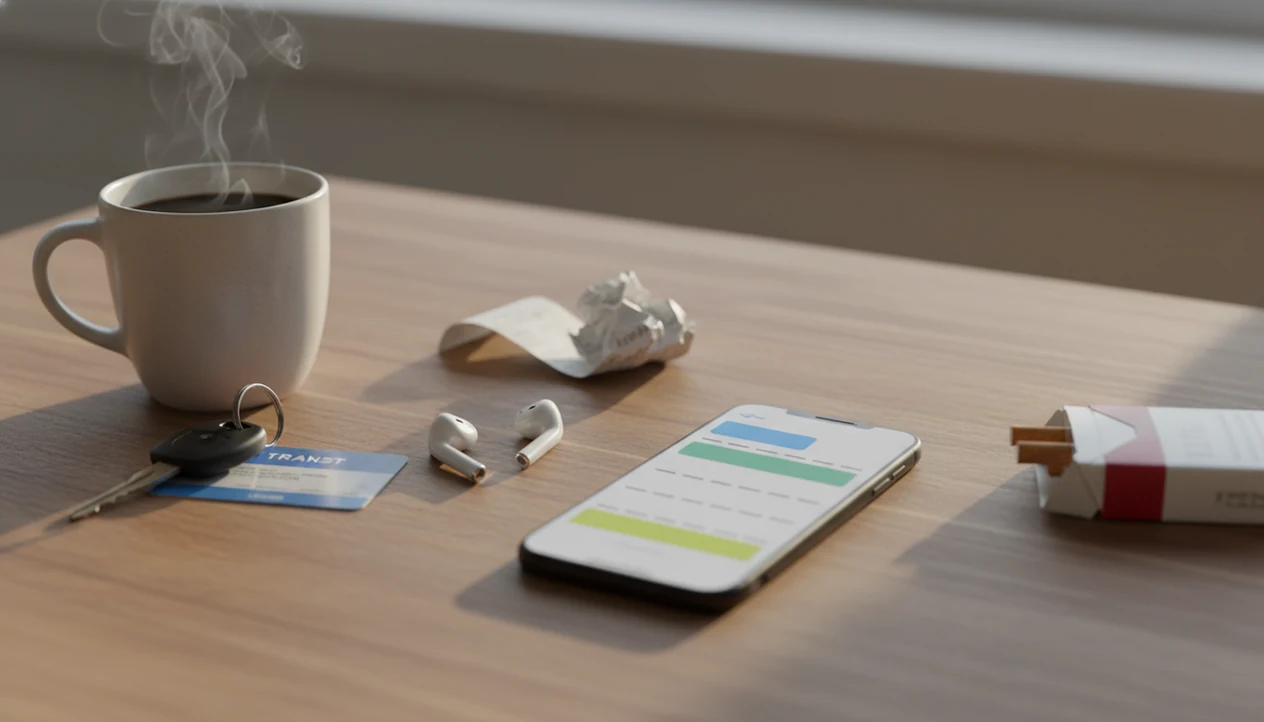
Willpower gets tested hardest during ordinary moments. The first morning cigarette before coffee, the lighter click in a jacket pocket, or the work break that always ended by the loading dock can feel automatic because the brain has paired those cues with nicotine relief.
That is why “just be stronger” is the wrong model. Behavioral science treats triggers as cues, routines, and rewards that can be changed with planning. For most people, a smoking trigger plan is often easier than a willpower-only quit attempt because it gives the brain a rehearsed next move before the craving window opens.
Small plan. Real moment.
Five Categories of Quit Smoking Daily Life Triggers
Smoking triggers usually fall into five practical categories, and most people have more than one. Mapping them makes quitting smoking in real life less vague and more workable.
- Routine triggers: Coffee, meals, waking up, commuting, and phone scrolling can cue smoking before you think about it. The “after lunch” cigarette often lives in the schedule, not the cigarette pack.
- Emotional triggers: Stress, boredom, anxiety, anger, and loneliness can push the brain toward fast relief. A chest flutter near the corner store may be the real warning sign.
- Social triggers: Drinking with friends, parties, and coworker smoke breaks can make smoking feel like belonging. If others still smoke, our guide to quit smoking when others smoke covers that pressure directly.
- Environmental triggers: The car, back porch, gas station counter, or one chair on the balcony can become nicotine-linked places.
- Cross-addiction triggers: Cutting back vaping or alcohol can spike cigarette cravings. A mint vape in a hoodie pocket can keep the nicotine loop active even when cigarettes are gone.
How Smoking Trigger Plans Work in the Brain
Smoking trigger plans work by interrupting the cue-routine-reward loop. In plain language, the cue starts the craving, the routine is smoking, and the reward is nicotine relief or a short emotional break.
Nicotine also has withdrawal kinetics. Cravings, irritability, anxiety, and trouble concentrating often peak in the first few days and improve over several weeks, according to the National Cancer Institute the National Cancer Institute smoking data. Clinicians typically recommend combining behavioral support with approved quit-smoking medication when appropriate, because counseling and medication together can more than double quit success compared with minimal support or cold turkey hhs cessation data.
The mechanism is not “remove every cue.” That rarely works. The most common medically supported way to quit smoking is to combine evidence-based medication or nicotine replacement with counseling-style behavior change and a trigger plan. In a large randomized trial, an acceptance and commitment therapy app reached 28.2% abstinence at 12 months, versus 21.1% for a standard quit-guide app jamanetwork.
Replace the routine. Keep repeating.
How to Use a Smoking Trigger Plan App
Use a smoking habit app by capturing triggers when they happen, then turning the most common ones into prepared coping actions. A smoking trigger plan works best when the tracking feels private, quick, and adjustable rather than like homework.
- Log your triggers in real time for the first 3 to 5 days before your quit date. Note time, place, mood, and craving strength.
- Assign one replacement action to each top trigger. Try “walk two blocks,” “text one person,” or “hold a cinnamon toothpick.”
- Set coping prompts for your highest-risk times. An 8 a.m. reminder helps if coffee is the daily spark.
- Review your craving data weekly to spot patterns. A taper goal reviewed on the bus can show what your memory misses.
- Reset after a slip by logging what happened, not deleting the streak from your mind.
Good trigger-tracking tools deliver private progress tracking and trigger-specific coping prompts, not a diagnosis or a substitute for medical care.
Ready to start your quit?
Quitting smoking in daily life requires identifying and planning for the specific triggers, coffee, commuting, stress, social drinks, that make you reach for a cigarette. A…
Quit Smoking Routines for Home, Work, and Social Situations
A trigger list only helps when it becomes a routine you can use at home, at work, and around other people. The plan should name the exact risky moment and the exact next action.
Morning and After-Meal Routines at Home
Swap the morning cigarette with a fixed sequence: drink water, step outside without cigarettes, then start coffee. After meals, stand up within two minutes and take a short walk. Evening boredom needs a backup too, such as a shower, puzzle app, or early teeth brushing.
Work Breaks and Commute Triggers
At work, change the break location before cravings start. For commuting, keep gum in the console and use a two-minute breathing track before leaving the parking lot. Shift workers may need a separate plan for 3 a.m. fatigue; we cover that in quit smoking for shift workers.
Social Drinking and Party Triggers
Alcohol can make a cigarette feel automatic, especially the Friday 6 p.m. drink. If you plan to drink, set a limit first and choose a smoke-free exit script. Me Quit can coordinate smoking, vaping, and alcohol triggers in one hub, which matters when one habit keeps waking up the other.
Why Stop Smoking Apps Beat Generic Quit Guides
Good quit-smoking apps are not just timers, counters, or badges. They can deliver real-time behavior coaching when the trigger is actually happening.
A static guide cannot see that your strongest cravings cluster after lunch, after a tense call, or during the stealth inhale outside the office door. An app log can attach time stamps, mood check-ins, and craving intensity to those moments. Then it can prompt a breathing exercise, distraction task, or reset message at the next high-risk window.
App-based support usually works best when it provides just-in-time coping, while generic quit guides fit people who only need occasional education. Me Quit also tracks smoking, vaping, and drinking triggers together, where many smoking-only apps miss the alcohol link. For people keeping alcohol in their life, how to quit smoking but still drink needs its own plan.
Who This Smoking Trigger Plan Is For
This smoking trigger plan is for people whose cravings show up in repeatable daily moments, not just during big emotional crashes. It is especially useful if coffee, meals, commutes, work breaks, alcohol, stress, boredom, or vaping keep pulling smoking back into the day.
It also fits people who have slipped before and need a reset that feels practical instead of shaming. The point is to build prompts around real cues, so you are not depending on willpower alone when your brain is already looking for the lighter.
- Map your repeat triggers by noticing where cravings cluster: the car, the kitchen table, the bar, the loading dock, or the couch at night.
- Choose a reset action for each risky moment, especially if a previous quit attempt broke in the same place.
- Track connected habits such as vaping, drinking, stress scrolling, or boredom snacking when they wake up cigarette cravings.
- Use structured prompts when you want a clear next move before the craving peaks.
- Add clinician support if you need medication guidance, have heavy alcohol use, are pregnant, or are managing complex mental health symptoms.
When Triggers Return Months After Quitting Smoking
Triggers can return months after quitting, especially when life changes. The first week matters, but it is not the finish line.
A new job, breakup, grief, money stress, or holiday party can create a fresh cue. So can finding stale smoke on a winter coat you forgot in the closet. That smell can pull up a memory before logic catches up.
Do not treat a slip as proof that the whole quit plan broke. Log the trigger, name the setting, update the next action, and keep going. Streak and milestone tracking in Me Quit can help some people stay connected to money saved and health milestones over months, but the real work is still the same: reset, not restart from zero. If anxiety is the pattern underneath, quit smoking and mental health may be a better next read.
When to Get Medical Help While Quitting Smoking
Get medical help before or during quitting if your situation is medically complicated, emotionally unstable, or tied to heavy alcohol use. A trigger plan can support the quit, but it should not stand in for clinical care when risk is higher.
Before your quit date, talk with a clinician if you are pregnant, managing heart or lung disease, taking psychiatric medication, or unsure whether nicotine withdrawal could worsen another condition. Ask directly about nicotine replacement, varenicline, bupropion, counseling, and quitline support, because the right mix can make the plan feel less like white-knuckling.
- Contact a clinician before quitting if pregnancy, complex medical history, or medication questions are part of the picture.
- Ask about treatment options instead of guessing which patch, gum, lozenge, or prescription fits your smoking pattern.
- Discuss alcohol honestly if drinking is heavy or binge-like, especially before trying to change smoking and alcohol routines at the same time.
- Seek urgent support right away for severe depression, panic that feels unmanageable, or any thoughts of self-harm.
- Use trigger tracking as a shared record of cravings and slips, not as a replacement for professional judgment.
Limitations
A smoking trigger plan can make quitting more practical, but it cannot remove every craving or replace clinical care. Be honest about what the tool can and cannot do.
- Even a strong plan or app cannot fully stop early withdrawal cravings.
- Medication, nicotine replacement, quitlines, counseling, or clinician support may be needed.
- People who are pregnant, using psychiatric medication, or managing heavy alcohol use should ask a qualified clinician for guidance.