
Quit Smoking Hypnosis App: Audio Support, Craving Tracking, and Streaks
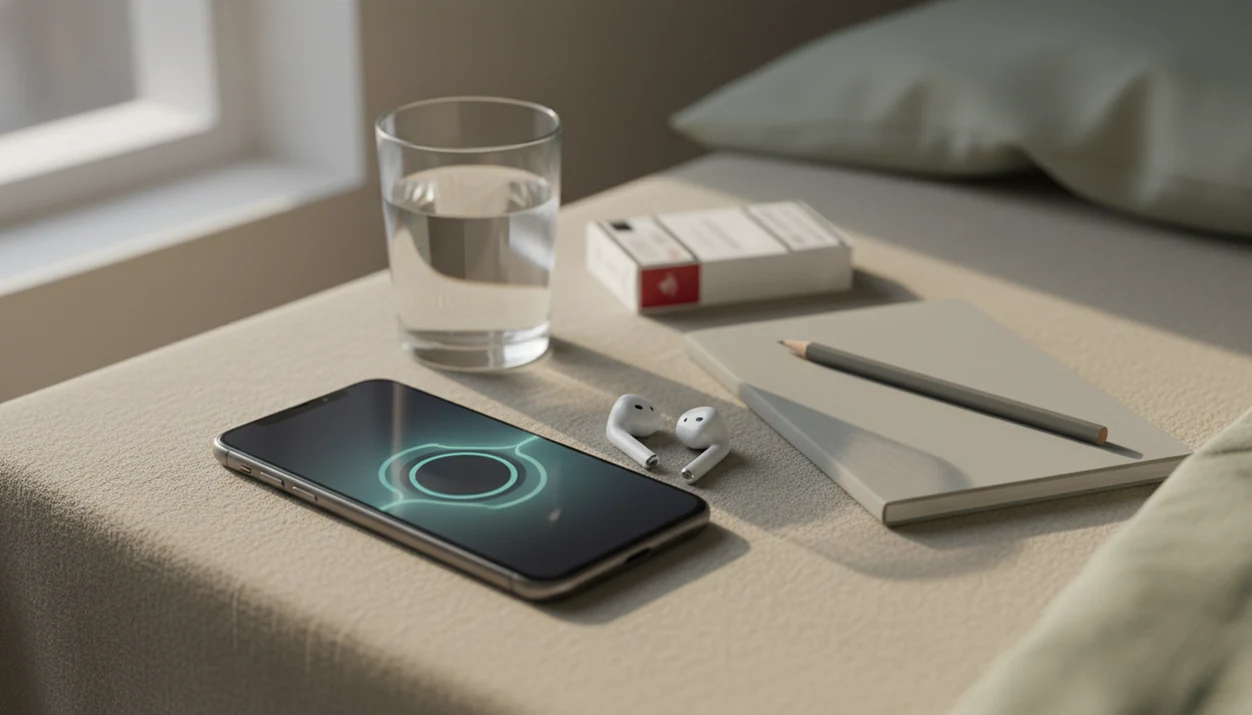
A quit smoking hypnosis app can be useful as a supportive tool, especially when it pairs guided audio with craving tracking, trigger notes, reminders, and a clear quit plan. Hypnosis should be treated as an adjunct, not a guaranteed cure, because evidence for smoking cessation hypnosis is mixed compared with counseling and FDA-approved quit-smoking medications.
A quit smoking hypnosis app is a smartphone app that uses guided hypnosis or self-hypnosis audio to support adults who want to stop smoking, often alongside craving logs, streaks, reminders, and habit tracking.
- Hypnosis to stop smoking may help some people manage stress, cravings, and automatic smoking cues, but it is not a magic switch.
- The strongest app experience combines short audio sessions with craving tracking, trigger review, milestone streaks, and relapse-prevention planning.
- A quit smoking app is safest to evaluate by its audio quality, craving-log design, privacy terms, and whether it avoids guaranteed-cure language.
Quit smoking hypnosis app evidence at a glance
Quick answer: A quit smoking hypnosis app may help some people practice relaxation, rehearse a smoke-free identity, and ride out cravings, but it should not be treated as a stand-alone cure. For many people, the strongest quit plans combine behavioral support, trigger tracking, and, when appropriate, FDA-approved cessation medications or clinician guidance.
Key takeaways
- Hypnosis audio is best viewed as a supportive coping tool, not a guaranteed way to stop smoking.
- Track cravings before and after sessions to see whether hypnosis is actually helping you.
- Use hypnosis alongside a quit date, trigger plan, and replacement behaviors for high-risk moments.
- If withdrawal is intense, ask a clinician or pharmacist about nicotine replacement or other approved medications.
- Avoid apps that promise instant results, permanent cures, or success without effort.
- Privacy matters because craving notes, smoking history, and alcohol patterns can be sensitive health-adjacent data.
A quit smoking hypnosis app is best viewed as extra support, not a guaranteed standalone treatment. The evidence for hypnosis is mixed, and it is less established than counseling, quitlines, nicotine replacement, or FDA-approved medications. A Cochrane review on hypnotherapy for smoking cessation found insufficient evidence to show that hypnotherapy has a greater effect than other interventions or no treatment cochrane smoking data.
That does not mean people are wrong to look. Per the CDC, 68.4% of U.S. adult cigarette smokers wanted to quit in 2022, and 53.3% tried in the past year. In 2023, 12.5% of U.S. adults still smoked cigarettes, according to the same CDC data CDC smoking data.
The privacy matters.
A person may open audio in bed after a rough evening instead of telling coworkers they are quitting again. Still, app-store stars and bold claims do not equal clinical proof. Clinicians typically recommend evidence-based cessation support first, with optional tools layered around it.
How smoking cessation hypnosis works in an audio app
Smoking cessation hypnosis in an audio app usually means focused relaxation plus suggestion-based habit rehearsal aimed at changing automatic smoking responses.
Most sessions use a calm voice, breathing cues, and repeated prompts around identity, stress, cravings, and routines. In plain language, the app tries to help your brain rehearse a different response before the craving window arrives. Some programs focus on “I do not need a cigarette after lunch.” Others target the first morning cigarette before coffee, which many smokers recognize as a high-risk moment.
The audio is only one part. Reminders, logs, streaks, and health milestones are behavior-change mechanics, not hypnosis itself. Tracking can show that cravings spike at 4 p.m. or after alcohol, but it cannot prove the audio caused abstinence. For people comparing CBT for quitting smoking, hypnosis is usually more relaxation-led, while CBT-style tools are more thought-and-trigger focused.
Best quit smoking audio app features to look for
The best quit smoking audio app features are the ones that support repeated behavior change, not one-time “quit instantly” promises.
- Short daily audio sessions are more realistic than a single dramatic recording that claims to erase smoking overnight.
- A craving tracker should capture time, intensity, trigger, and response, including details like stress, alcohol, driving, or boredom.
- Streaks, milestones, money saved, and cigarettes avoided help make progress visible on difficult days.
- Reminders, relapse-prevention prompts, and quit-plan settings should adapt around your real trigger pattern.
- Privacy-friendly design matters for adults who want discreet support without a public group identity.
For many adults, hypnosis is often easier to stick with when it is paired with a visible quit plan because the next action is already chosen. If you are comparing broader nicotine quit methods, look at what the app helps you do during the three minutes when the craving is loud.
Hypnosis and craving tracking in a practical quit plan
Hypnosis and craving tracking work better as an active quit plan than as background audio you hope will fix everything. The useful pattern is simple: listen, log, review, adjust.
Craving tracking helps reveal morning cigarettes, stress smoking, alcohol triggers, and social cues. The Friday 6 p.m. drink can make a cigarette feel automatic, even for someone who barely thought about smoking all afternoon. A log turns that into a pattern you can plan around.
Audio sessions can be scheduled before predictable risk points, such as the commute home or the first break after lunch. A craving-tracking app can support this part of the plan when it records triggers, streaks, resets, and milestones without presenting itself as detox care or guaranteed medical treatment.
How to use hypnosis to stop smoking with an app
Use hypnosis to stop smoking with an app by setting a plan first, then treating each audio session as one part of daily practice. Passive listening is weaker than listening, logging, and adjusting.
- Set a quit date or reduction target before starting audio sessions.
- Choose one daily listening time and one emergency craving routine.
- Log cravings before and after sessions to compare intensity and triggers.
- Review weekly patterns and adjust reminders around high-risk times.
- Reset after slips without treating one cigarette as failure.
1. Set a quit date or target
Set either a full quit date or a reduction target, such as cutting out the after-dinner cigarette first.
2. Play one short session daily
Play one short session at the same time each day, ideally before a known trigger.
3. Log cravings and triggers
Log the craving, the trigger, and what you tried before deciding whether to smoke.
4. Review streaks and patterns
Review streaks weekly, but also read the notes behind them.
5. Reset after slips
Reset the plan after a slip. Not from zero.
Quit smoking hypnosis app versus public-health quit tools
A quit smoking hypnosis app may help with relaxation and craving rehearsal, while public-health quit tools usually have clearer institutional backing. Some people combine both.
| Option | Main role | Evidence and support fit |
|---|---|---|
| Hypnosis apps | Guided audio, self-hypnosis, habit rehearsal | Evidence is mixed; quality varies by app |
| quitSTART-style apps | Free public-health app support | The National Cancer Institute describes quitSTART as a free smartphone app built from tobacco-control expertise and tailored to smoking history Smokefree.gov cessation data |
| Counseling or quitline | Coaching, planning, accountability | Stronger public-health and clinical backing |
| Nicotine replacement | Reduces withdrawal symptoms | Often used in standard cessation plans |
| Prescription medications | Medical stop-smoking support | Requires clinician guidance |
The most common medically supported way to improve quit chances is behavioral support combined with evidence-based cessation treatment. If patches are part of your plan, our guide to quit smoking with nicotine patches explains how tracking can fit around them.
When to Use Medical or Cessation Support Instead
Use medical or cessation support when quitting feels medically complicated, withdrawal is hard to manage, or you have questions that an audio app cannot safely answer. App-based hypnosis can sit beside clinician-guided care, but it should not replace it.
A more structured plan may be a better fit if you are pregnant, smoke heavily, have strong withdrawal symptoms, notice anxiety, depression, panic, or other psychiatric symptoms, or are unsure about nicotine replacement or prescription medication. Slips and relapse do not mean the plan is broken, but repeated resets can be a sign that more support is needed.
- Contact a clinician if you have pregnancy-related concerns, medication questions, side effects, or mental health symptoms.
- Use a quitline or counseling service when accountability, planning, or same-day coaching would help.
- Ask about nicotine replacement options, such as patches, gum, or lozenges, if withdrawal is getting in the way.
- Discuss prescription stop-smoking options with a qualified professional if over-the-counter support is not enough.
- Keep the app as a low-pressure practice tool if it helps with relaxation, logging, or craving routines.
Commercial claims in smoking cessation hypnosis apps
“Can a hypnosis app really reprogram my mind and make me quit instantly?” Treat that kind of claim as marketing language until the app shows transparent evidence, realistic methods, and clear privacy terms.
Phrases like “reduce cravings,” “change your subconscious,” or “quit today” may describe the intended experience, not verified quit outcomes. App-store reviews measure user satisfaction. They do not prove abstinence, carbon monoxide validation, or long-term follow-up.
A lime wedge sinking in club soda may be the moment someone avoids the cigarette that usually follows a drink. That is useful behavior change, but it still needs careful wording.
Look for short sessions, plain explanations, trigger logging, relapse-prevention prompts, and privacy details. Searches for free hypnosis apps, Finito reviews, app cost, and hypnosis downloads are common, but popularity is not the same as evidence. If nicotine products are part of the bigger picture, a quit nicotine products app approach may be more relevant than hypnosis alone.
Limitations
Hypnosis apps have real limits, especially when promotional pages make quitting sound effortless.
- Hypnosis is not a guaranteed stop-smoking treatment.
- Commercial app quality varies widely, and some claims may overstate results.
- People with pregnancy questions, medication concerns, heavy dependence, or mental health symptoms should consider qualified healthcare or cessation support.
For people who want human support plus phone tracking, a quitline and app to stop smoking may fit better than audio alone. The pocket check is real, and support should match that reality.
FAQ
Do hypnosis apps stop smoking?
Hypnosis apps may support quitting for some users, but they are not guaranteed to make someone stop smoking. They work best as an adjunct to a quit plan.
Is smoking hypnosis evidence based?
Evidence for smoking cessation hypnosis is mixed. It is less established than counseling, quitlines, nicotine replacement, and approved cessation medications.
Can hypnosis reduce cigarette cravings?
Some people use hypnosis audio to manage stress and rehearse a different craving response. Results vary by person, routine, and follow-through.
Are free hypnosis apps reliable?
Free hypnosis apps should be judged by realistic claims, privacy details, content quality, and support features. A free price does not prove effectiveness.
What is a quit smoking audio app?
A quit smoking audio app provides guided sessions designed to support smoking cessation and habit change. Some include reminders, craving logs, and streak tracking.
Can I combine hypnosis and nicotine patches?
Some people combine behavioral tools with nicotine replacement. Medical questions about patches, medications, or side effects should go to a qualified professional.
How often should I listen to quit smoking hypnosis audio?
Most programs use repeated short sessions rather than one-time listening. Daily practice is more realistic than expecting one session to stop cravings.
What should I do if I smoke again after using a quit smoking app?
Log the slip, review the trigger, and reset the plan instead of giving up. A craving log can help you spot whether stress, alcohol, social cues, or a missed routine caused the reset.