
Why Alcohol Can Leave You Tired Even After Sleeping
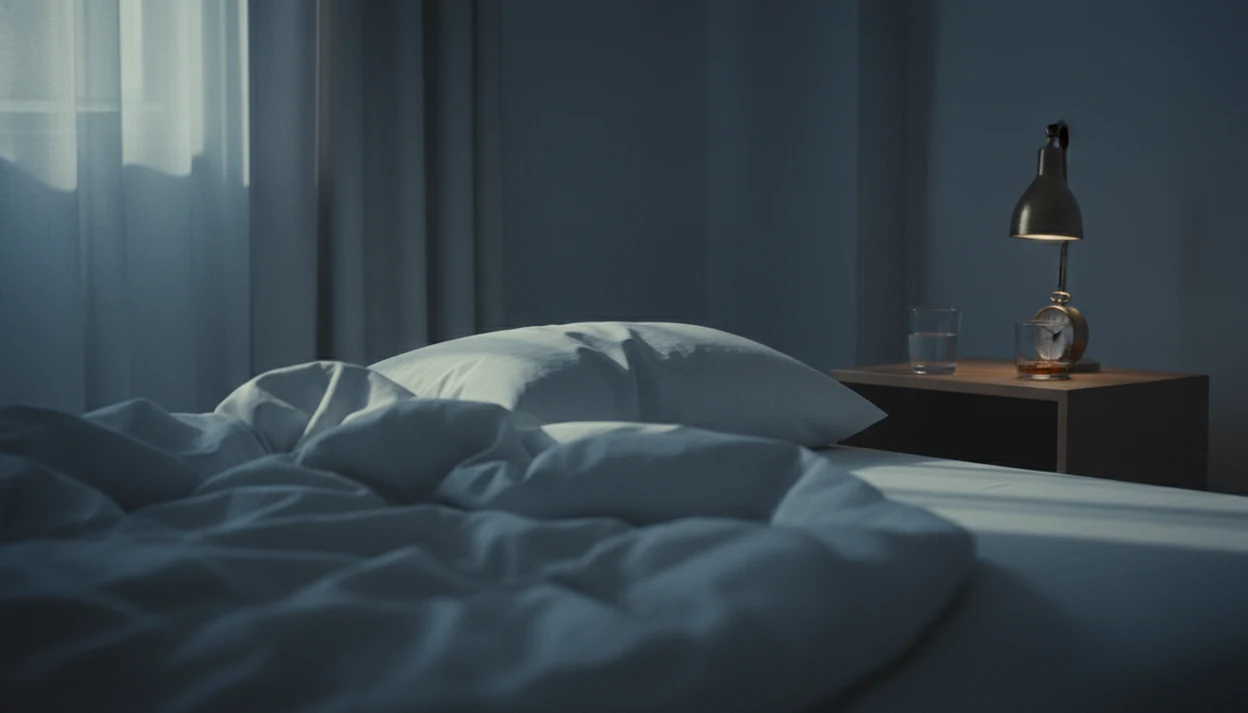
Quick answer: Alcohol tired after sleeping can happen because drinking may make you fall asleep faster while reducing sleep quality later in the night. Alcohol can disrupt REM sleep, fragment sleep, worsen breathing, and leave you dehydrated, so eight hours in bed may still feel unrefreshing.
> Definition: Alcohol-related morning tiredness is the groggy, unrefreshed feeling that can follow drinking because alcohol changes sleep architecture, hydration, breathing, and overnight recovery.
This article is general health education, not a diagnosis. If tiredness is severe, persistent, linked with gasping or choking at night, or occurs with withdrawal symptoms, seek medical advice.
TL;DR
- Alcohol may feel sedating at bedtime, but sedation is not the same as restorative sleep.
- The strongest sleep effects often happen later in the night, when alcohol can cause rebound wakefulness, lighter sleep, and more awakenings.
- Cutting down the amount, frequency, and timing of drinking is usually more effective than trying to fix alcohol-disrupted sleep with water, caffeine, or supplements.
Alcohol tired after sleeping: 4 sleep-quality causes
Quick answer: Alcohol can make you feel tired after sleeping because it often sedates you early, then disrupts sleep quality as your body processes it. Even a full night in bed may feel unrefreshing if alcohol fragments sleep, reduces REM balance, worsens snoring or breathing, or contributes to dehydration.
Key takeaways
- Feeling sleepy from alcohol is not the same as getting restorative sleep.
- The more you drink, the more likely next-day fatigue and grogginess become.
- Stopping alcohol a few hours before bed may help, but less alcohol is usually more reliable.
- Alcohol can worsen snoring, reflux, nighttime waking, and bathroom trips.
- Tracking drinks, sleep quality, and cravings can reveal patterns you may miss day to day.
- Seek medical advice before abruptly stopping heavy daily drinking because withdrawal can be dangerous.
Alcohol can leave you tired after sleeping because it changes the quality of sleep, not just the number of hours you spend in bed. The common pattern is simple: alcohol may sedate you early, then disturb the later part of the night.
Four sleep-quality causes matter most. First, alcohol can make sleep onset feel easier because it has a sedating effect. Second, that early drowsiness can be followed by reduced REM sleep, which is tied to mental recovery. Third, alcohol can fragment sleep, so you wake briefly without always remembering it. Fourth, rebound wakefulness can show up as early waking, restless dreams, or checking the clock at 4:17 a.m.
That is why an alcohol groggy morning can happen after what looked like enough sleep. Sleep quantity is time in bed. Sleep quality is how well the night actually restored you.
Eight hours is not always eight hours.
How alcohol deep sleep disruption changes REM sleep
Alcohol deep sleep disruption is really a sleep-architecture problem. Sleep architecture means the pattern of light sleep, deep sleep, and REM sleep across the night, like a repeating overnight sequence rather than one flat state.
How it works: Alcohol can increase slow-wave sleep early in the night while reducing REM sleep. In plain terms, it may push the brain into heavier early sleep, then distort the normal rhythm that helps you wake restored. In a 2003 controlled sleep study, three doses of alcohol before bed reduced REM sleep by 9.3% and reduced REM time by 24.1 minutes in the first half of the night; the same study found slow-wave sleep increased by 6.8% in that period the NIH.
That finding matters because REM sleep is associated with memory, emotional processing, and focus. Alcohol does not simply “improve deep sleep.” It changes the sleep structure. For many people, that tradeoff feels like heavy eyelids, a flat mood, and slower thinking the next day.
Five reasons alcohol makes you tired the next day
Five mechanisms explain why alcohol makes you tired the next day, even when bedtime started easily. The available evidence points to disrupted sleep, body stress, and breathing changes working together.
- Reduced REM sleep: Less REM can mean less mental recovery, with more brain fog and poorer focus the next morning.
- Rebound wakefulness: A 2018 review in Alcohol Research: Current Reviews describes alcohol’s sedating effect as strongest early, followed by rebound wakefulness later in the night the NIH.
- Dehydration effects: Dry mouth, headache, thirst, and low morning energy can stack on top of poor sleep; NIAAA notes that alcohol can contribute to dehydration-related hangover symptoms NIAAA statistics.
- Breathing disruption: Alcohol can relax airway tissues and may worsen snoring or obstructive sleep apnea in susceptible people; a systematic review found alcohol increased sleep-disordered breathing measures in studied adults the NIH.
- Pattern effects: Heavier or more frequent drinking can compound fatigue over time, especially when recovery nights are rare.
The most reliable way to reduce alcohol-related morning tiredness is to reduce the dose and frequency of drinking, because recovery hacks do not restore lost sleep architecture.
Alcohol groggy morning symptoms versus hangover symptoms
A hangover and alcohol-disrupted sleep can overlap, but they are not identical. Morning grogginess is not always “just a hangover,” especially when the main problem is waking unrested after repeated interruptions.
| Morning pattern | More consistent with sleep disruption | More consistent with hangover |
|---|---|---|
| Sleep experience | Waking often, early waking, vivid dreams, restless sleep | May sleep long but wake feeling physically unwell |
| Head and focus | Poor focus, heavy eyelids, slow thinking | Headache, light sensitivity, shakiness |
| Body signals | Feeling unrested despite enough time in bed | Thirst, nausea, stomach upset, dry mouth |
| What may help | Less alcohol, earlier stopping, better sleep timing | Fluids, food, rest, time |
Hydration and food may help thirst, headache, or stomach discomfort. They do not fully restore REM sleep that was reduced overnight. A half-poured wine glass on the counter can look minor, but timing and sensitivity still matter.
For readers looking beyond one bad morning, our alcohol reduction guides explain related brain and body effects in more detail.
Drinking timing, dose, and alcohol groggy morning risk
Alcohol groggy morning risk usually rises with dose, late timing, and personal sensitivity. More alcohol generally means more sleep-disruption risk, but the exact threshold is not the same for every person.
Timing matters because alcohol metabolism can overlap with sleep. If drinking continues close to bedtime, the sedating phase may happen at the start of the night and the rebound phase may arrive before morning. That is the “asleep by 11, wide awake by 3” pattern many people notice.
Individual variation is real. Body size, sex, tolerance, medications, food, stress, and existing sleep problems can all change the response. Even moderate drinking can affect sleep quality in sensitive people. There is no guaranteed universal cutoff time.
For people whose tolerance seems to be rising alongside fatigue, why alcohol tolerance increases is a useful next topic.
Practical ways to reduce alcohol tiredness after sleeping
The practical way to reduce alcohol tiredness after sleeping is to change the drinking pattern, not chase a morning fix. Total drinks, drinking frequency, and bedtime timing usually matter more than supplements or a large glass of water at midnight.
How to use a tracking approach:
- Set a drink limit before the first drink, not after the bartender reaches for the usual bottle.
- Avoid late alcohol when possible, especially in the last part of the evening.
- Alternate with water and eat food, while remembering this does not cancel REM disruption.
- Log the next morning with sleep time, awakenings, thirst, headache, focus, and energy.
- Review weekly patterns across drinks, cravings, triggers, sleep quality, and streaks.
Me Quit can support this kind of pattern review by helping adults log drinks, cravings, streaks, triggers, and milestones across quit smoking, stop vaping, quit drinking, and mindful alcohol reduction.
Good alcohol reduction tools deliver drink limits, craving logs, streaks, and reset plans, not a promise that an app can diagnose fatigue or replace medical care. Readers comparing options may also want a best drink less app guide.
When to Get Medical Help for Tiredness After Drinking
Get medical help when tiredness after drinking is severe, keeps happening after you cut back, or comes with warning signs that point beyond an ordinary bad night. This section is educational only; a clinician can evaluate causes and safety risks.
A typical hangover can include thirst, headache, nausea, light sensitivity, and low energy that improves with time. Possible alcohol withdrawal is different and can include symptoms such as severe shaking, confusion, hallucinations, seizures, or escalating distress after alcohol wears off. If you drink heavily and regularly, ask for medical guidance before stopping suddenly, because withdrawal can be dangerous for some people.
- Notice breathing red flags such as loud snoring, gasping, choking, or waking unrefreshed with severe daytime sleepiness.
- Compare the pattern with your usual hangover symptoms rather than assuming every exhausted morning is the same.
- Seek guidance before abrupt changes if heavy regular drinking has become part of your routine.
- Follow up if fatigue persists after reducing alcohol, because sleep apnea, medications, mood, anemia, thyroid issues, and other factors may need evaluation.
Limitations
This article explains population-level evidence. It is not the same as medical advice, and it cannot determine why one specific person feels exhausted.
- Persistent exhaustion after cutting back or stopping should not be self-diagnosed as only alcohol-related sleep disruption.
- Suspected sleep apnea, loud snoring with gasping, severe withdrawal symptoms, or ongoing heavy drinking should prompt qualified medical support.
- A mild hangover after two extra drinks is different from withdrawal symptoms such as confusion, seizures, severe shaking, or hallucinations.
Clinicians typically recommend medical guidance for people with possible alcohol withdrawal, suspected sleep apnea, or difficulty cutting back safely.
Not everything is a sleep hack.
Alcohol can also affect other health risks outside sleep, including rhythm-related concerns covered in alcohol stroke and afib.
FAQ
Why do I feel tired after sleeping after drinking alcohol?
Alcohol can sedate you early but reduce restorative sleep later by changing REM sleep and increasing awakenings. That can make a full night in bed feel unrefreshing.
Does alcohol reduce REM sleep?
Yes, alcohol can reduce REM sleep, especially earlier in the night. REM sleep is linked with mood, memory, focus, and feeling mentally restored.
Why do I wake up groggy after drinking?
Grogginess after drinking can come from fragmented sleep, rebound wakefulness, dehydration, and hangover symptoms. These effects can overlap in the same morning.
Is alcohol a good sleep aid if it helps me fall asleep?
No, falling asleep faster is not the same as sleeping better. Alcohol may shorten sleep onset while worsening sleep quality later.
Can one alcoholic drink affect my sleep?
Yes, one drink can affect sleep in some people, especially if it is close to bedtime. Sensitivity varies by body size, sex, medications, stress, and existing sleep problems.
Does drinking water before bed fix alcohol-disrupted sleep?
Drinking water may reduce thirst, dry mouth, or headache. It does not fully reverse alcohol-related changes in REM sleep or nighttime awakenings.
Does alcohol make snoring or sleep apnea worse?
Alcohol can relax airway muscles and may worsen snoring or sleep apnea symptoms in susceptible people. People with gasping, choking, or severe daytime sleepiness should seek medical evaluation.
When should I get medical help for tiredness after drinking?
Seek medical support if exhaustion persists after cutting back, if sleep apnea is suspected, or if withdrawal symptoms occur. Help is also appropriate if cutting back feels difficult to control.