Why Alcohol Tolerance Changes Your Brain
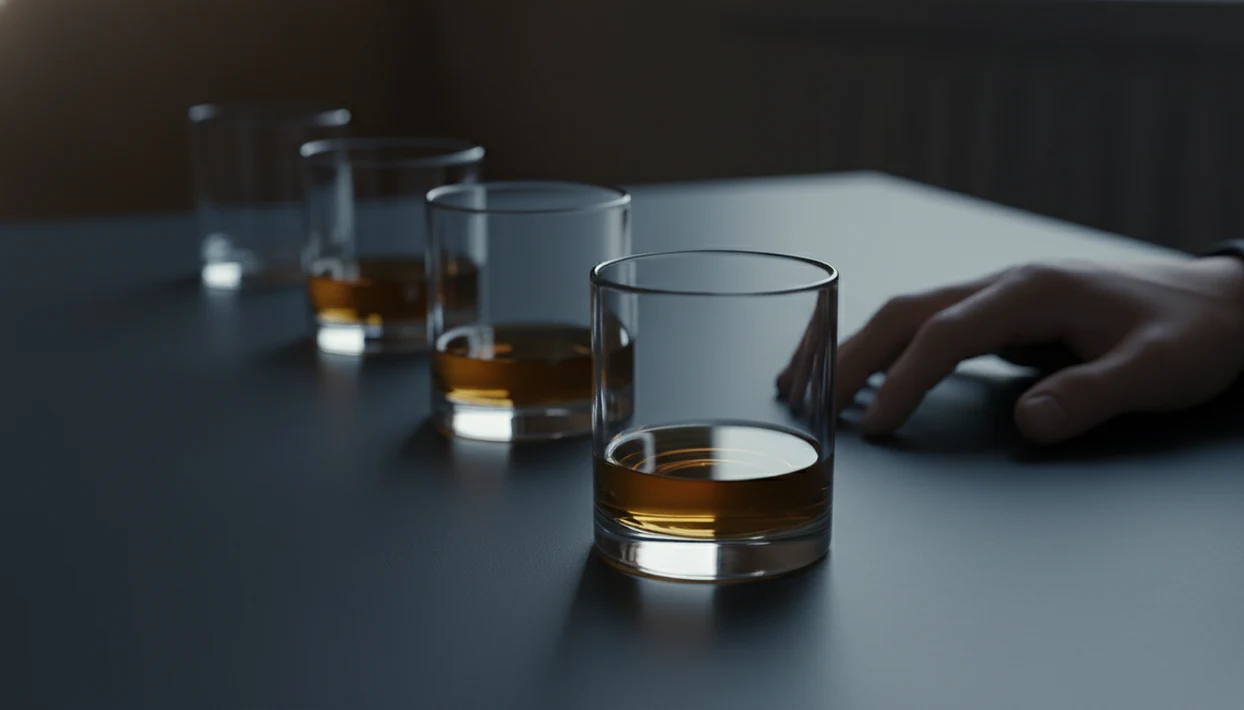
Alcohol tolerance increases because repeated drinking teaches the brain and body to dampen alcohol’s noticeable effects, so the same drink feels weaker even while impairment remains. That is why alcohol tolerance increases can become a warning sign: the old buzz fades, stopping at one or two gets harder, and drinking may shift from pleasure toward relief.
> Definition: Alcohol tolerance is a learned brain-and-body adaptation in which repeated alcohol exposure makes the same amount feel less noticeable without making alcohol harmless.
TL;DR
- Higher tolerance is not strength; it means your brain and body have adapted to repeated alcohol exposure.
- Feeling less drunk does not mean your judgment, coordination, liver, or reward pathways are protected.
- If one drink no longer feels like enough, tracking patterns and reducing intake can help interrupt the tolerance loop.
Alcohol tolerance brain changes in one sentence
Quick answer: Alcohol tolerance increases because repeated drinking can make the brain and body compensate for alcohol’s effects, so the same amount feels less noticeable. This is not a sign of strength; it may mean impairment is still present while the subjective buzz is weaker.
Key takeaways
- Needing more alcohol for the same effect can be an early warning sign.
- Tolerance can make drinking feel safer than it is because impairment may remain.
- A fading buzz may push some people to drink faster or more often.
- Tracking amount, timing, mood, and urges can reveal escalation patterns.
- Cutting back suddenly after heavy regular drinking can be medically risky.
- If withdrawal symptoms appear, medical advice is safer than willpower alone.
Alcohol tolerance is a brain-and-body adaptation where repeated alcohol exposure makes the same amount feel weaker, even though alcohol can still impair judgment, coordination, and health.
That difference matters. Feeling “fine” after three drinks does not mean your blood alcohol level is low or your decision-making brain is working normally. It means your system has learned to compensate for some noticeable effects. The National Institute on Alcohol Abuse and Alcoholism notes that reward pathways are involved in alcohol use disorder, and repeated alcohol exposure changes how the brain responds to alcohol over time NIAAA alcohol data.
The quiet clue is often simple: the same pour stops landing. Not dramatic. Just less effect.
At-a-glance facts about why alcohol tolerance increases
- Tolerance rises when the brain becomes less sensitive to alcohol. The same drink may feel weaker because the brain has adjusted its response.
- Tolerance is not a safety signal. Feeling less drunk does not mean alcohol is doing less to reaction time, coordination, sleep, or organs.
- Chasing the old buzz can increase dependence risk. More alcohol reinforces the same adaptation loop that made the first drink feel weaker.
- Functional tolerance can hide impairment. Someone may speak clearly, stand steady, or “seem normal” while still being unsafe to drive or decide.
- Tolerance varies by person and context. Drinking pattern, genetics, health, medications, body composition, sleep, food, and setting can all change how alcohol feels.
For a deeper body-wide view, the alcohol reduction guides cover cravings, brain changes, and practical cutback plans.
How alcohol tolerance works in the brain
Alcohol tolerance works through repeated learning: the brain starts treating alcohol as a familiar shortcut to reward, relief, or sedation, then adjusts so the same dose feels less intense. In plain language, the brain turns down the volume.
Reward circuits and the fading buzz
Alcohol can train reward circuits to expect a fast change in mood. At first, that may feel like warmth, looseness, or relief after the laptop shuts. Over time, the same drink produces less reward, so the brain pushes for more input. For many people, cutting back works better when it targets the cue, routine, and reward, not just the drink count.
Self-control circuits and drinking momentum
Alcohol also affects inhibition and decision-making. The part of you that planned “two drinks tonight” can get quieter after the first round. Tolerance may make intoxication feel weaker, but blood-alcohol-related impairment can still be there.
That is the trap.
Why one drink is not enough after tolerance builds
Why one drink is not enough often starts with a missing expected effect: the drink arrives, but the old buzz does not. The brain remembers the relax-and-numb feeling, then nudges for another drink to close the gap.
This is not a character problem. It is a habit loop with chemistry attached. Cue, drink, partial reward, more drinking, stronger adaptation. Each extra drink teaches the system that more alcohol is the new normal.
A practical sign is bargaining at the decision point: “I’ll just make this one stronger,” or “I already poured it, so it counts as one.” The liquid measure changes before the story changes. If time also starts feeling slippery, alcohol time perception explains why a short night can suddenly stretch.
Before you track or reduce alcohol tolerance
Before you compare nights or try to cut back, make sure the baseline is safe and honest. Tolerance tracking only helps if you know what you are counting and whether your body is sending a medical warning.
- Define one standard drink before judging a pour. A large wine glass, a strong cocktail, or a “home measure” can quietly equal more than one drink.
- Check your current context for anything that could change alcohol response, including new medications, poor sleep, illness, weight change, liver concerns, or a recent mental health shift.
- Avoid stopping abruptly if you drink heavily every day, wake up needing alcohol, or have had withdrawal symptoms before. That is not a willpower test.
- Choose a low-pressure window for tracking, such as an ordinary weeknight at home, not a wedding, work party, vacation, or first date.
- Ask a clinician promptly if cutting down brings severe anxiety, shaking, seizures, confusion, hallucinations, or symptoms that feel unsafe.
Alcohol misery system and the shift from pleasure to relief
The alcohol “misery system” is a plain-language way to describe the stress, rebound anxiety, flat mood, restless legs, and withdrawal-like unease that can show up between drinking episodes. It is the body pushing back after repeated alcohol effects.
At first, drinking may feel like adding pleasure. Later, it can feel like removing discomfort. That is negative reinforcement: drinking to feel normal rather than drinking to feel good. The weeknight pour after laptop shutdown can shift from “nice treat” to “I need something.”
Relief drinking can escalate tolerance because it rewards alcohol for solving the discomfort that alcohol helped create. That does not diagnose dependence, but it is worth noticing. The most useful early move is to name the discomfort before drinking, then test a replacement action for ten minutes.
Alcohol decision-making brain effects and false confidence
High tolerance can make someone feel or appear less drunk, but it does not make alcohol harmless. Decision-making, coordination, reaction time, risk judgment, and emotional control can still be impaired. NIAAA warns that alcohol impairs judgment, coordination, and reaction time, which is why feeling steady is not a reliable safety test NIAAA alcohol data.
Functional tolerance is especially tricky. A person may talk normally at a bar patio, text clearly, or insist they are “good,” while their brain is still slower and less flexible. False confidence is part of the risk. The alcohol decision-making brain problem is not only how much someone drinks; it is that alcohol weakens the system meant to decide when to stop.
Tolerance does not lower alcohol-related harm. Per the CDC, alcohol is involved in about 178,000 deaths in the United States each year CDC alcohol data. Feeling less affected is not the same as being protected.
How to track alcohol tolerance before it escalates
Use tracking to catch tolerance early, before “normal” quietly becomes more. The goal is not to shame yourself. The goal is to make the next choice easier.
- Log the drink count as you go, not the next morning.
- Name the context: home, restaurant, bar patio, car commute after work, or scrolling in bed.
- Rate the craving from 1 to 10 before the first drink and before the next one.
- Write the reason in one phrase: stress relief, celebration, boredom, sleep, social pressure, or “I need something.”
- Mark the stopping point you planned, then record where you actually stopped.
- Review the pattern weekly and choose one if-then plan for the highest-risk cue.
Private tools such as Me Quit can help adults track cravings, streaks, drink limits, and milestones on a phone. Me Quit is a mequit addiction recovery hub for quit smoking, stop vaping, quit drinking, and mindful alcohol reduction; it should support cue tracking and shame-free resets, not diagnosis, detox, or emergency care.
Common mistakes about high alcohol tolerance
The first mistake is treating high tolerance as proof that alcohol is safer for you. It is not. It usually means repeated exposure has changed how alcohol feels.
A second mistake is saying someone can “handle alcohol better.” They may look steadier, but their judgment and reaction time can still be impaired. Functional tolerance can hide the risk from the person drinking and from friends watching.
Another mistake is drinking more to reset tolerance. That usually reinforces the loop. More input teaches the brain to expect more input.
Tolerance is also not alcohol intolerance or allergy. Intolerance can cause flushing, nausea, hives, or a rapid heartbeat after small amounts.
One more: blaming everything on the liver. Liver processing matters, but alcohol tolerance brain changes explain why reward, relief, and self-control shift too. Related physical effects are covered in alcohol vitamin depletion.
Limitations
Tolerance can tell you something about repeated alcohol exposure, but it cannot give a clean safety reading.
- Tolerance is not a reliable sign that drinking is safe or controlled. - Tolerance does not prevent accidents, blackouts, poor decisions, falls, fights, or unsafe driving. - Feeling less drunk does not protect the liver, brain, sleep, heart, gut, or mental health. - Sudden tolerance changes can involve aging, medications, liver health, sleep loss, body composition, or other medical factors. - There is no proven safe way to train heavier drinking tolerance. Trying to “build tolerance” usually means drinking more. - Alcohol intolerance is different and may cause flushing, nausea, hives, headache, or rapid heartbeat. - If cutting down or stopping causes shaking, confusion, seizures, hallucinations, severe anxiety, or other intense symptoms, medical guidance may be needed. People who drink heavily every day or have a history of withdrawal symptoms should talk with a clinician before abruptly stopping. Alcohol withdrawal can become medically dangerous, especially when seizures, hallucinations, or severe confusion are possible.
Private tracking can help with patterns, but it is not medical care. Apps such as Me Quit can support habit awareness, while high-risk withdrawal needs a clinician.
FAQ
Why does alcohol tolerance increase?
Alcohol tolerance increases because repeated drinking changes how the brain and body respond to alcohol. The same amount may feel weaker, even though impairment and health risk can remain.
Does alcohol tolerance affect BAC?
Alcohol tolerance does not lower blood alcohol concentration. It mainly changes how intoxicated someone feels or appears at a given BAC. Tolerance changes the visible or felt response to alcohol; it does not make a given BAC safe for driving or other risk-sensitive decisions nhtsa.
Can alcohol tolerance reset?
Alcohol tolerance can decrease when a person reduces drinking or takes a break. Timelines vary by drinking pattern, health, age, and other factors.
Is high alcohol tolerance bad?
High alcohol tolerance can be a warning sign of repeated exposure and higher risk. It is not proof of resilience or safety.
Why can’t I stop drinking after one drink?
One drink may trigger a habit loop where the expected reward fades, relief becomes the goal, and self-control is weakened. Tracking cues and stopping points can help reveal the pattern.
Can alcohol tolerance increase with age?
Alcohol tolerance can change with age, health, medications, body composition, and drinking pattern. Some people become more sensitive with age, while repeated drinking can still build tolerance.
What is functional alcohol tolerance?
Functional alcohol tolerance means a person may appear less drunk while still being impaired. It can create false confidence about driving, decisions, or drinking more.
Is alcohol tolerance the same as alcohol intolerance?
No. Alcohol tolerance means alcohol feels less noticeable over time, while alcohol intolerance can cause flushing, nausea, hives, headache, or rapid heartbeat after small amounts.