

How Alcohol Affects the Lungs, From Airway Defense to ARDS
Short answer
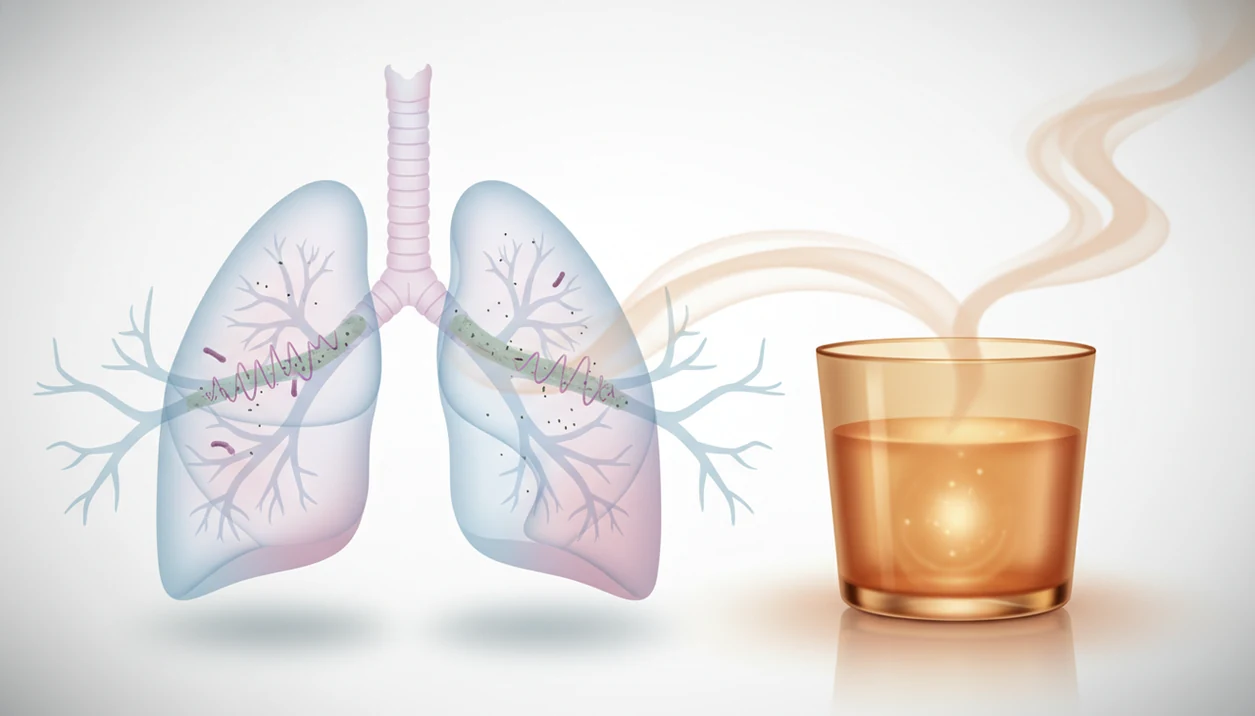
Heavy or repeated alcohol use can weaken immune cells in the lungs, slow mucus clearance, and interfere with coughing and swallowing reflexes. These effects raise the risk of pneumonia, aspiration, and severe lung injury. Smoking or vaping adds airway irritation, making the combination especially concerning for people with asthma, COPD, or repeated chest infections.
Alcohol never enters the lungs the way smoke or vape aerosol does, but it still changes how they respond to germs and injury. The greatest concern is heavy, binge, or long-term drinking, particularly when intoxication leads to vomiting, blackouts, poor sleep, or missed respiratory medication.
Your drinking pattern also matters if cigarettes or vaping tend to follow the first drink. Reducing those overlapping exposures can give airway defenses a better chance to recover. Changes in cough, mucus, wheezing, sleep, and breathlessness can help you judge when a habit is becoming a health problem.
Four ways drinking can leave lungs less protected
Alcohol harms lung health mainly by weakening immune defenses, slowing airway clearance, and increasing aspiration risk. The clearest risks appear with heavy, binge, or chronic drinking, not with an occasional low-intake pattern.
The main effects fall into four categories:
- Alcohol can make lung immune cells slower at clearing bacteria and viruses.
- Alcohol can disrupt mucus movement, so smoke, vape aerosol, dust, and germs linger.
- Heavy drinking can raise pneumonia, bronchitis, ARDS, flu, and COVID-type infection concerns.
- Alcohol is not a breathing treatment, even if a drink briefly feels relaxing.
That “loosened chest” feeling can be misleading. The lungs may still be dealing with weaker reflexes, more reflux, poorer sleep, and a slower cleanup system the next morning.
The respiratory infections tied to heavy drinking
- Heavy long-term alcohol use weakens lung immune defenses and is linked with higher risk for pneumonia, tuberculosis, RSV, and acute respiratory distress syndrome, or ARDS.
- Chronic drinking can impair cilia function and mucus clearance, which may let irritants, smoke, vape particles, and germs stay in the airways longer.
- Alcohol can disrupt alveolar macrophages and neutrophils, immune cells that normally identify, engulf, and kill inhaled bacteria and viruses.
- Alcohol use disorder is associated with more severe lung infections and worse ARDS outcomes, especially when breathing support is needed in intensive care.
- Cutting back or quitting alcohol, especially while quitting smoking or vaping, may gradually improve airway inflammation and respiratory resilience.
For someone with a winter coat that smells like stale smoke after every night out, the lung issue is rarely one habit alone. It is the stack: drink, smoke, late sleep, cough, repeat.
How does alcohol weaken immune cells in the lungs?
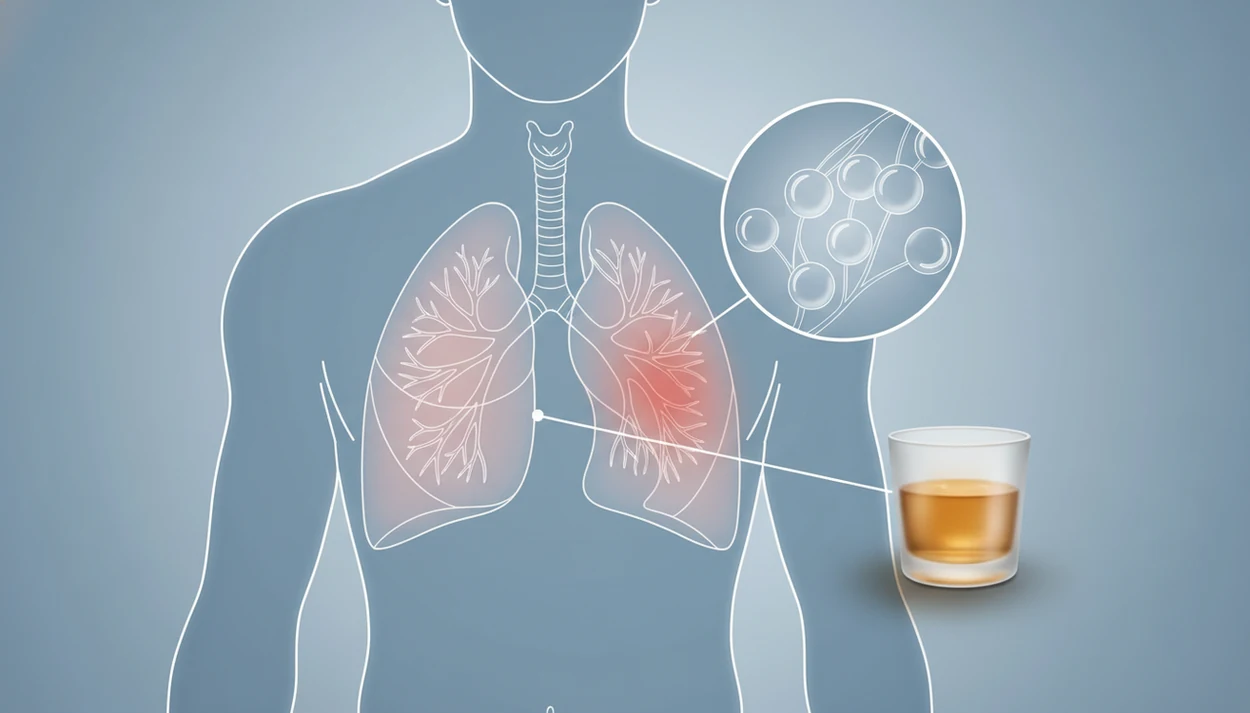
Alcohol weakens the lung immune system by reducing the activity of immune cells that patrol the air sacs and respond to inhaled germs. Alveolar macrophages are the cleanup cells inside the alveoli; they engulf bacteria, viruses, and debris before infection can spread.
In experimental studies summarized by the NIAAA, chronic alcohol ingestion can reduce macrophage phagocytic function by about 40-50%, meaning those cells become less effective at swallowing and clearing bacteria NIAAA alcohol data. Alcohol can also interfere with neutrophil signaling and bacterial killing. Neutrophils are fast-response immune cells, the ones called in when infection starts.
This does not mean every drink causes measurable immune collapse. Dose, pattern, sleep, smoking, nutrition, and existing lung disease all matter. Still, weaker macrophage and neutrophil activity gives pneumonia and severe respiratory infections a wider opening.
For heavy drinkers, cutting exposure is often safer than trying to “boost immunity” with supplements because the core problem is repeated immune suppression.
Cilia, mucus, and the lungs’ cleanup system
Cilia are tiny broom-like structures lining the airways, and they move mucus upward so it can be coughed out or swallowed. This cleaning system is sometimes called mucociliary clearance, which simply means mucus plus moving cilia sweeping material out.
Chronic alcohol exposure can slow cilia movement and disrupt the coordinated wave that clears mucus. Alcohol-related disruption of mucociliary clearance and airway defense is summarized in the NIAAA review on alcohol's effects on lung disease NIAAA alcohol data. When that system lags, bacteria, smoke particles, vape aerosols, air pollution, and other irritants can sit in the airways longer than they should.
The result may be more cough, thicker mucus, repeated chest infections, and higher vulnerability to chronic bronchitis or COPD symptoms, especially in smokers. A rain-specked windshield during a smoke break is not just a habit cue; it is another airway irritant event.
Recovery varies. Cilia function may improve when alcohol and smoke exposure drop, but established COPD, scarring, or long-term bronchitis may not fully reverse.
Alcohol plus smoking or vaping: three pressures on the airways
Does alcohol increase chronic bronchitis risk when you smoke or vape? Yes, it can contribute indirectly by weakening lung cleanup while smoking and vaping add airway irritation.
Smoking irritates the bronchial tubes and damages cilia. Vaping can inflame airways, especially with frequent nicotine use or flavored aerosols. Alcohol adds a third hit by weakening immune clearance and protective reflexes. More irritants enter. Clearance slows. Germ-killing weakens.
The behavior loop matters too. A Friday 6 p.m. drink can make a cigarette feel automatic, even for someone who had no plan to smoke that night. Wine buzz loosening nicotine rules is a real trigger pattern, not a character flaw.
Quitting or reducing alcohol can support quit-smoking and stop-vaping goals because fewer drinking episodes often means fewer cue-driven nicotine lapses.
Seek urgent care for severe shortness of breath, blue or gray lips, confusion, coughing blood, chest pain, high fever, or breathing trouble after vomiting. If you drink heavily or have had withdrawal symptoms, get medical advice before stopping because sudden withdrawal can be life-threatening.
Alcohol and lung cancer risk are difficult to separate from smoking
Alcohol’s direct role in lung cancer risk is harder to isolate than its role in infections, bronchitis, and immune weakening. Drinking often overlaps with smoking, so studies can struggle to separate alcohol exposure from tobacco carcinogen exposure.
The practical concern is clearer. If alcohol impairs cilia and mucus clearance, smoke carcinogens and pollutants may remain in the airways longer. Alcohol can also affect nutrition, inflammation, and immune surveillance, which may reduce the body’s ability to repair damage.
Research has not established alcohol by itself as a direct cause of lung cancer. It does mean combined alcohol plus smoking deserves more attention than whether the drink was beer, wine, or spirits. Ethanol amount and repeated exposure matter more than the glass it came in.
Readers comparing lung effects with other alcohol-related organ damage may also find the alcohol and liver failure guide useful.
When pneumonia or aspiration becomes severe lung injury
Alcohol-weakened lung defenses matter most when a routine infection becomes serious. In a U.S. survey analysis, adults who reported binge drinking had about 2-fold higher odds of developing pneumonia compared with non-binge drinkers the NIH.
The ARDS data are also concerning. A NIAAA review reports that chronic alcohol abuse has been associated with about a 2.6-fold increased ARDS risk, and chronic alcohol consumption may be present in up to 50% of ARDS patients in intensive care settings. Add the inline citation: NIAAA alcohol data. ARDS is acute respiratory distress syndrome, a severe inflammatory lung injury that can require ventilator support.
Heavy alcohol use is also linked with about a 3- to 4-fold higher aspiration pneumonia risk. Sedation, vomiting, reduced gag reflex, and aspiration events can let stomach contents or oral bacteria enter the lungs.
How heavy or chronic alcohol use increases the risk of acute respiratory distress syndrome and severe lung injury
Acute respiratory distress syndrome, or ARDS, is a medical emergency in which inflammation and fluid buildup prevent the air sacs from transferring enough oxygen. Alcohol is rarely the only cause. It can make the lungs more vulnerable when pneumonia, sepsis, trauma, aspiration, or another major illness occurs.
A meta-analysis of 13 studies involving more than 177,000 people found that high alcohol consumption, compared with low consumption, was associated with 1.89 times the odds of ARDS. Analyses focused on alcohol abuse history found a similar increase. ICU studies have reported larger differences in some high-risk groups, but those estimates should not be treated as predictions for the general population. The broader evidence is reviewed in this clinical review of alcohol use and ARDS risk.
What happens inside an alcoholic lung
The term “alcoholic lung” describes alcohol-related vulnerability rather than one separate disease. Chronic heavy drinking can deplete glutathione, increase oxidative stress, impair alveolar macrophages, and weaken the barrier that normally keeps fluid out of the air sacs. If infection or injury then disrupts that barrier, oxygen levels can fall rapidly. A review of alcohol-related lung injury also identifies impaired immune response and aspiration as important pathways.
Call emergency services for severe breathing difficulty, blue or gray lips, confusion, collapse, or breathing problems after vomiting or loss of consciousness.
How heavy or long-term alcohol use affects lung health and lung disease risk
The clearest alcohol effects on lung health involve infection, aspiration, and the severity of respiratory illness. A systematic review of 17 observational studies found that alcohol consumption or higher consumption was associated with an 83% higher risk of community-acquired pneumonia than no or lower consumption. Each additional 10 to 20 grams of alcohol per day was associated with an 8% increase in risk. These figures describe population patterns, not one person’s certainty of becoming ill. See the systematic review of alcohol and pneumonia risk.
| Alcohol-related effect | Possible respiratory result |
|---|---|
| Slower mucus clearance | Irritants and germs remain in the airways longer |
| Weaker immune-cell activity | Greater difficulty controlling pneumonia and other infections |
| Reduced gag and cough reflexes | Saliva, vomit, or stomach contents can enter the lungs |
| Weaker air-sac barrier | Greater vulnerability to fluid leakage and ARDS during critical illness |
Reducing alcohol may support better sleep, nutrition, medication use, and immune function. It does not guarantee that established COPD, scarring, or other lung disease will reverse. Still, reducing heavy intake and avoiding binge episodes can lower preventable risks, especially when paired with stopping smoking or vaping and getting early care for fever, worsening cough, or breathlessness.
What lung recovery may look like after drinking less
Lung defenses can improve after cutting back alcohol, but recovery is usually measured in weeks to months, not overnight. Lower alcohol exposure may support calmer airway inflammation, better immune signaling, improved sleep quality, and stronger infection resilience.
Cilia function and macrophage activity may gradually improve when repeated irritant exposure drops. The benefit can be larger when alcohol reduction happens alongside quitting smoking or vaping, because the lungs get fewer toxins and a better cleanup environment at the same time.
Start with four steps that address both drinking cues and lung irritants:
- Set a drink limit or dry-day goal before the high-risk day starts.
- When an urge to drink, smoke, or vape appears, record the time, setting, and which urge came first.
- Replace the first automatic cue with a short delay, water, or a walk.
- Review weekly patterns, including cough, sleep, cravings, and money saved.
- Reset the plan after a slip instead of restarting from zero.
A private craving log or quit plan can help connect alcohol cues with nicotine lapses, track streaks, and show which high-risk times keep repeating. These tools can support behavior change, but they are not detox care, emergency medical treatment, or a substitute for a clinician when withdrawal or breathing symptoms are possible.
For people reducing alcohol first, our alcohol reduction guides explain related body and craving changes.
Turn your breathing and drinking patterns into a safer plan
Use this information to spot your own risk pattern, then make one small change that protects your lungs this week. Look for points where drinking, nicotine use, poor sleep, and breathing symptoms occur on the same day.
- Name your current drinking pattern as occasional, binge, heavy, or possibly withdrawal-risk. If you need alcohol to feel steady, have morning shakes, or have had seizures or delirium before, do not cut down alone.
- Track one week of cough, mucus, sleep quality, smoking or vaping, and any colds, fever, wheeze, or chest infection symptoms. Keep it plain: time, trigger, symptom, and what helped.
- Reduce alcohol before the cue windows that usually lead to cigarettes or vaping, such as after work, after dinner, during gaming, or on the walk home from a bar.
- Choose one lung-supporting action for the next seven days: dry days, smoke-free nights, or an earlier bedtime after drinking urges pass.
- Talk with a clinician before reducing alcohol if withdrawal may be a concern, and get prompt medical care for pneumonia symptoms, chest pain, increasing shortness of breath, or coughing blood.
Check withdrawal risk before making a sudden change
If you drink heavily, have needed alcohol to stop shaking, or have had withdrawal before, do not suddenly quit without medical advice. Withdrawal can begin 6 to 24 hours after the last drink. Seizures, hallucinations, severe confusion, and delirium tremens can occur during the next 24 to 72 hours. Risk is higher with previous withdrawal seizures, very heavy or prolonged use, pregnancy, serious illness, or use of benzodiazepines and other sedatives.
A clinician can assess your drinking amount, previous withdrawal, medications, nutrition, and lung or liver conditions, then recommend outpatient monitoring or supervised care. NIAAA outlines medical assessment and recovery planning for alcohol use disorder. An unsupervised home taper is not a substitute for that assessment.
- Call emergency services for a seizure, hallucinations, severe confusion, collapse, or uncontrollable shaking.
- Avoid combining alcohol with opioids, benzodiazepines, sleep medicines, or other sedatives.
- Get urgent care for repeated vomiting followed by coughing, chest pain, fever, or trouble breathing.
Alcohol and lung questions
Does alcohol weaken your lungs?
Heavy or long-term drinking can weaken several lung defenses. It may impair immune cells, slow mucus clearance, and reduce the reflexes that keep saliva or vomit out of the airways. An occasional drink does not cause the same documented risk pattern as chronic heavy use, but higher intake is associated with greater pneumonia risk.
Can drinking alcohol cause pneumonia?
Alcohol does not directly create every pneumonia infection, but heavy drinking can make one more likely. It weakens immune defenses and can allow vomit, saliva, or oral bacteria to enter the lungs during intoxication. Fever, worsening cough, chest pain, confusion, or shortness of breath needs prompt medical assessment.
Can binge drinking affect breathing?
Yes. Heavy intoxication can suppress coughing and swallowing, increase reflux and vomiting, and raise the chance of aspiration. It can also worsen sleep-related breathing and trigger smoking or vaping. Trouble breathing after vomiting, a blackout, or combining alcohol with sedatives is an emergency warning sign.
What is an alcoholic lung?
“Alcoholic lung” is an informal term for alcohol-related changes that leave the lungs less able to handle infection or injury. These can include impaired immune cells, low antioxidant defenses, slower mucus clearance, and a leakier air-sac barrier. It is not one distinct diagnosis, and a clinician must assess specific symptoms.
Can alcohol cause chronic bronchitis?
Alcohol is not considered the main direct cause of chronic bronchitis. Smoking remains a major cause. Heavy drinking may contribute indirectly by slowing mucus clearance, weakening infection defenses, and making smoking lapses more likely. A cough with mucus lasting weeks, recurring frequently, or containing blood should be medically evaluated.
Does alcohol make asthma or COPD worse?
Heavy drinking can complicate asthma or COPD through reflux, poor sleep, missed inhalers, respiratory infections, and weaker airway defenses. Some drinks may also trigger symptoms in sensitive people. Increasing wheeze, breathlessness at rest, trouble speaking in full sentences, or poor response to a rescue inhaler requires urgent care.
Is alcohol linked to lung cancer?
Alcohol’s independent role in lung cancer is difficult to separate from smoking because the behaviors often overlap. Research has not established alcohol alone as a direct lung cancer cause. The practical concern is that drinking can weaken airway clearance and trigger smoking, increasing exposure to tobacco carcinogens.
Can the lungs recover after quitting alcohol?
Some defenses may improve over weeks to months as alcohol exposure falls, sleep and nutrition improve, and immune signaling stabilizes. Recovery varies with drinking history, smoking, vaping, infections, and existing lung disease. Permanent COPD or scarring may not reverse, but reducing heavy drinking can still lower future risk.