

How Alcohol Raises Cancer Risk and Fuels Inflammation
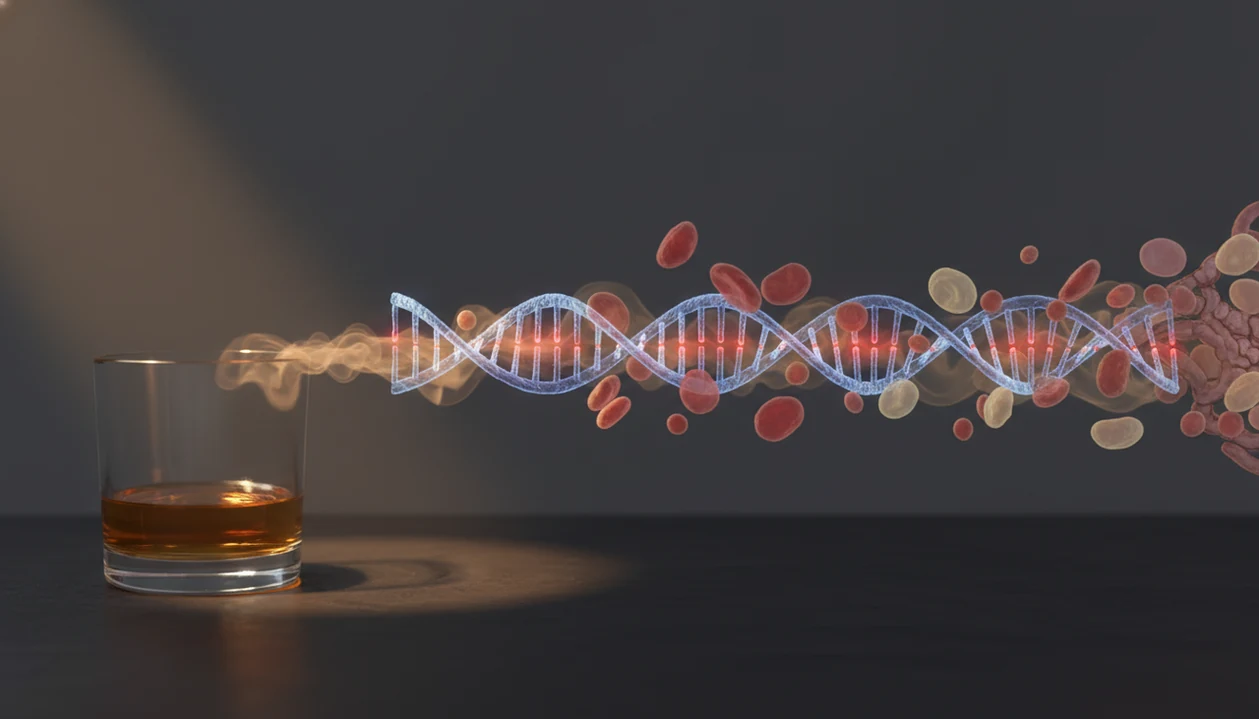
Cancer risk can feel abstract when drinking is limited to dinner, weekends or social events. But a modest label does not make alcohol harmless, and switching from liquor to wine does not remove the ethanol exposure. The useful question is not which alcoholic drink is safest. It is how much and how often you drink, plus other risks such as smoking, liver disease and family history.
Cutting back can reduce a preventable exposure. If you drink heavily every day, get medical advice before making a sudden change because alcohol withdrawal can become dangerous.
The short version
Alcohol raises cancer risk because ethanol is converted to acetaldehyde, which can damage DNA and hinder repair. Drinking can also promote oxidative stress, chronic inflammation, hormone changes and weaker immune surveillance. Beer, wine and liquor all count. Risk generally rises with amount and duration, and drinking less reduces exposure, though it cannot guarantee cancer prevention.
Seven cancers with established links to alcohol
- Alcohol is classified as a known human carcinogen, and the risk comes from ethanol in beer, wine, cider, cocktails, and spirits.
- Alcohol is linked to cancers of the mouth, throat, voice box, esophagus, liver, colon, rectum, and female breast.
- The main pathways are acetaldehyde, chronic inflammation, oxidative stress, immune suppression, and hormone changes.
- Even light or moderate drinking can raise some cancer risks, especially breast cancer, so “not heavy” does not mean “no risk.”
- Smoking with alcohol can multiply damage in the mouth, throat, and esophagus; vaping often sits in the same trigger routine, even though its cancer interaction with alcohol is not proven the same way.
The patio table with ashtray and pint is a real decision point. Two habits can cue each other before you’ve even named the craving.
What ethanol becomes after you drink it
Alcohol cancer risk inflammation starts when the body converts ethanol into acetaldehyde, then into acetate; acetaldehyde is the toxic middle step most tied to DNA injury.
Here is how it works. Enzymes in the liver and other tissues break ethanol down, but acetaldehyde can form before the body clears it. That chemical can create DNA adducts, which are small chemical attachments that make genetic instructions easier to misread. It can also interfere with DNA repair, so some damage is more likely to stay put.
The second pathway is repeated irritation. Alcohol can increase oxidative stress, meaning reactive molecules outpace the body’s cleanup systems. Over time, that can keep tissues in a low-grade injury state.
The digestive tract, liver, pancreas, mouth, throat, and upper airway tissues can all be exposed through direct contact, metabolism, or inflammation. Reducing alcohol exposure is especially worth discussing with a clinician when smoking, liver disease, or a strong family cancer history adds to the picture.

Acetaldehyde, DNA damage and failed repair
How does acetaldehyde DNA damage from alcohol happen? Acetaldehyde is a toxic metabolite made when the body breaks down ethanol, and it can chemically interfere with the way cells copy and repair DNA.
A DNA adduct is like a smudge on an instruction line. The cell may still copy that line, but it may copy it incorrectly. If repair systems are slowed or overwhelmed, the mistake can remain as a mutation. Cancer is not guaranteed after drinking, but repeated exposure can raise the odds that harmful mutations accumulate over many years.
Genetics matter here. Some people process acetaldehyde more slowly because of inherited differences in alcohol-metabolizing enzymes. That can mean more flushing, nausea, or higher acetaldehyde exposure after drinking. The body signal is useful information, not a moral scorecard. For a wider body-risk view, alcohol’s effects on the nervous system are covered in alcohol brain shrinkage.
Repeated inflammation in the liver and digestive tract
Alcohol can keep the liver and digestive tract in a repeated injury-and-repair cycle, which may create conditions where cancer is more likely over time.
Oxidative stress means excess reactive molecules are damaging cell structures faster than the body can neutralize them. Per the CDC (CDC alcohol data), alcohol can increase chronic inflammation, disrupt cell cycles, and damage DNA. Those are not symptoms you always feel the next morning. They are cellular processes.
In the liver, alcohol-related injury can move from fatty liver to inflammation, fibrosis, cirrhosis, and higher liver cancer risk. The path is not identical for everyone, but scarring and impaired detoxification matter.
From the mouth through the colon and rectum, alcohol also contacts or affects tissues involved in digestion. A person may feel fine after a weekend with a party cooler packed with cans, but “fine” is not a reliable readout of inflammation. If pancreas symptoms or chronic abdominal pain are part of the picture, the related pathway is covered in alcohol chronic pancreatitis risk.
How alcohol affects the immune system, inflammation, and cancer risk
Immune surveillance is the body's process for recognizing and controlling abnormal cells. Alcohol does not simply switch immunity off. It can disrupt the balance between protective immune responses and inflammatory signals. Innate defenses, including macrophages, dendritic cells and natural killer cells, help detect damaged cells and organize an early response. Alcohol can interfere with those cells and with cytokines, the chemical messages immune cells use to coordinate.
Alcohol may also affect T cell signaling and memory responses in the adaptive immune system. These changes do not mean a person will develop cancer after drinking. They are one part of a larger picture that includes acetaldehyde exposure, DNA damage, hormones, genetics, infections, smoking and total lifetime alcohol use.
| Cancer site | Pathways linked to alcohol |
|---|---|
| Mouth, throat and voice box | Direct contact, acetaldehyde, inflammation and interaction with tobacco |
| Esophagus | Acetaldehyde, irritation and oxidative stress |
| Liver | Alcohol metabolism, fatty liver injury, inflammation and scarring |
| Colon and rectum | Acetaldehyde, inflammation and impaired folate metabolism |
| Female breast | Hormone changes, DNA damage and other biological effects |
The National Cancer Institute's alcohol and cancer review identifies seven cancer types with established links to drinking. Alcohol is a risk factor, not the sole cause of any one case.
Liver cancer risk vs pancreatic cancer evidence
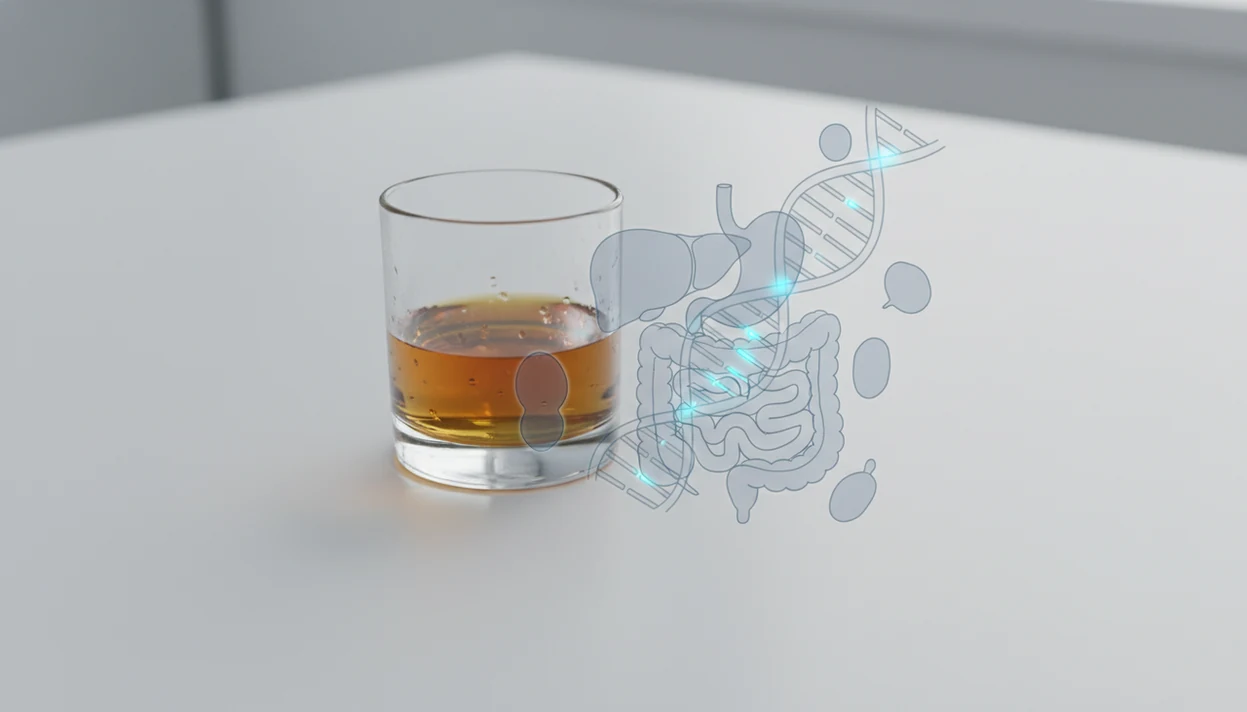
Heavy drinking can injure the liver and pancreas before symptoms become obvious, and the damage may build quietly over time.
Alcohol and pancreatic cancer risk should be stated carefully. The CDC says drinking three or more drinks per day is associated with increased stomach and pancreatic cancer risk in some studies. The association is a population-level risk signal, not a prediction that one drink or heavy drinking will lead to pancreatic cancer in a particular person.
The pancreas is vulnerable because alcohol can contribute to pancreatitis, an inflammatory injury that may become chronic in some people. Chronic inflammation is one reason researchers pay attention to the pancreas in alcohol-related disease.
The liver has a clearer and better-established pathway. Alcohol can drive inflammation, scarring, cirrhosis, impaired detoxification, and increased liver cancer risk. Dose, duration, genetics, body size, viral infections, smoking, diet, and medical history all change the risk picture. For heart-related tradeoffs, the separate alcohol cardiovascular risk guide goes deeper.
Contact a clinician for persistent hoarseness, trouble swallowing, unexplained bleeding, a new lump, ongoing abdominal pain or other symptoms that do not clear. If heavy daily drinking may have caused dependence, get medical advice before stopping and seek emergency care for a seizure, hallucinations, severe confusion, chest pain, uncontrollable vomiting or difficulty staying awake.
Why the mouth, throat and esophagus face added exposure
Does alcohol increase mouth, throat, and nasopharyngeal cancer risk? Alcohol is linked to several upper aerodigestive cancers, including cancers of the oral cavity, throat, larynx, esophagus, and related concern around alcohol and nasopharyngeal cancer.
The National Cancer Institute reports that heavy drinkers are about five times as likely as nondrinkers to develop oral cavity and throat cancers, while light drinkers, up to one drink per day, are about 1.1 times as likely (the National Cancer Institute alcohol data).
Local exposure matters. Alcohol touches the mouth and throat directly, and acetaldehyde can be produced in oral tissues and by microbes in the mouth. That means irritation and DNA damage can happen right where the drink passes.
Alcohol plus smoking is especially harmful because alcohol can act as a solvent and irritant, while tobacco adds carcinogens directly to the same tissues. A bathroom stall cloud after class may cue nicotine, not alcohol, but linked habits can start early and become paired routines.
How cancer risk changes with drinking level
Cancer risk generally rises as alcohol intake rises, but some risks increase even at low or moderate levels.
The lifetime-risk examples below come from National Cancer Institute reporting on the U.S. Surgeon General’s alcohol and cancer advisory, and the breast-cancer range comes from NIAAA’s alcohol-and-cancer summary (https://www.cancer.gov/news-events/cancer-currents-blog/2025/alcohol-cancer-risk-surgeon-general; https://www.niaaa.nih.gov/publications/brochures-and-fact-sheets/alcohol-and-cancer).
| Drinking pattern or example | What the risk data suggest |
|---|---|
| Less than one drink per week | Surgeon General data summarized by NCI estimate about 17 alcohol-related cancers among 100 women over a lifetime. |
| One drink per day | The same example estimates about 19 alcohol-related cancers among 100 women. NIAAA also reports a 5 to 15% higher breast cancer risk for women who have one drink daily versus nondrinkers. |
| Two drinks per day | The same example estimates about 22 alcohol-related cancers among 100 women. |
| Heavier long-term drinking | Risk tends to rise further, especially for liver, mouth, throat, esophageal, and colorectal cancers. |
Breast cancer is a key moderate-drinking concern because alcohol can raise estrogen and affect hormone-related pathways. Population percentages describe groups, not destiny for one person. For adults trying to change patterns, cutting back usually works best when the plan includes drink limits, alcohol-free days, and a specific replacement action for the first craving window.
Whether alcohol increases the risk of rare cancers
Alcohol is not a proven cause of every cancer. The established list covers cancers of the mouth, throat, voice box, esophagus, liver, colon and rectum, and female breast. Claims about adrenal gland or small intestine cancer are much less certain. These cancers are uncommon, so studies often have too few cases to separate alcohol from smoking, diet, inherited conditions, body weight and chronic digestive disease.
Small intestine and adrenal gland cancer
Alcohol passes through the digestive tract, produces acetaldehyde and may affect inflammation and nutrient absorption. Those mechanisms make research on small intestine cancer biologically reasonable, but they do not prove that alcohol causes it. Alcohol is also not an established cause of adrenal gland cancer. Evidence of a mechanism should not be treated as evidence of causation.
The practical advice does not depend on assigning a number to a rare cancer. More drinks over more years generally mean greater exposure to alcohol-related cancer pathways. Beer, wine and liquor all contain ethanol. Reducing total intake addresses the cancers with clear evidence while avoiding unsupported promises about rare conditions. The National Cancer Institute fact sheet summarizes the cancer sites for which the evidence is established.
What population estimates can and cannot tell you
Cancer statistics describe groups, not an individual's future. A CDC analysis estimated that about 16,800 alcohol-attributable cancer deaths per year, roughly 83% of the deaths in its analysis, could have been prevented if men drank no more than two drinks per day and women no more than one. The estimate does not make those amounts cancer-safe. It shows that reducing population-level alcohol exposure could prevent deaths. Read the CDC analysis of alcohol use and cancer deaths.
A lower-risk limit is a ceiling, not a target and not a guarantee of safety.
Alcohol plus smoking: overlapping damage and shared cues
Alcohol and tobacco can compound cancer risk in the mouth, throat, and esophagus because both exposures affect the same contact tissues. Quitting smoking is critical, but it does not erase alcohol-related cancer risk.
Many people don’t change one habit in isolation. A cigarette after dinner, a vape in the car commute, and a drink while scrolling in bed can sit in the same cue-routine-reward loop. The hand-to-mouth reflex after lunch is fast. Sometimes the reach happens before the thought.
Tracking can reveal linked triggers, but it cannot screen for cancer, diagnose disease, manage detox, or replace medical care.
Good recovery-support tools can offer private craving logs, drink limits, reminders, and reset plans, but they should not promise to remove medical risk.
Make a practical plan to drink less
Less alcohol generally means less exposure to acetaldehyde and alcohol-related inflammation, though it cannot promise cancer prevention or reverse past damage.
Here is how to use alcohol cancer risk information without turning it into panic:
- Track each drink for one week, including time, place, and trigger.
- Mark the cue that came before it, such as stress, boredom, a meal, or a social invite.
- Set alcohol-free days before the week starts, not after cravings hit.
- Choose lower-risk situations where leaving early, ordering food, or switching to seltzer feels normal.
- Plan a replacement action for the first urge, such as gum, a phone timer, or a walk outside.
- Get medical guidance before stopping suddenly if you drink heavily every day or have withdrawal symptoms.
The tight jaw during a nicotine urge can show up with alcohol cravings too. Same body alarm, different label. For more practical plans, the alcohol reduction guides cover tracking, limits, and reset choices.
Count the alcohol in the glass, not just the glasses
One U.S. standard drink is about 12 ounces of 5% beer, 5 ounces of 12% wine, or 1.5 ounces of 40% spirits. A strong beer, large wine pour, double or mixed drink may contain two or more. Use standard-drink amounts when setting a limit rather than counting every container as one. See NIAAA guidance on alcohol amounts.
- Record the drink before ordering or pouring another.
- Write down the container size and alcohol percentage.
- Set the maximum before the event starts.
- Choose alcohol-free days ahead of time.
- Remove easy access at home if that is safe for you.
These steps are for cutting down, not for improvising a medical taper. If you drink heavily or daily, have had withdrawal before, or use sedatives, ask a clinician to assess withdrawal risk first. NIAAA's treatment guidance describes professional support options.
Symptoms and withdrawal risks that need medical care
Seek medical care when symptoms could point to cancer, organ injury, or unsafe withdrawal. A tracking app can help you notice patterns, but it cannot diagnose cancer, replace screening, or provide detox care.
Use professional support early if alcohol is part of a bigger health picture, especially with smoking, vaping, a strong family history, or heavy daily drinking. The point is not to panic over every sensation. The point is to avoid treating warning signs like ordinary cravings.
- Call a clinician if you have persistent pain, unexplained bleeding, a new lump, hoarseness that does not clear, or changes in swallowing.
- Ask about screening if you drink and also smoke, have a family cancer history, or have past abnormal tests.
- Get medical advice before stopping suddenly if you drink heavily every day, because withdrawal can be dangerous.
- Seek urgent help for severe withdrawal symptoms such as confusion, seizures, hallucinations, chest pain, or severe shaking.
- Use tracking tools as support for habits and conversations, not as a substitute for diagnosis, cancer screening, emergency care, or supervised detox.
Questions about alcohol-related cancer risk
Does alcohol cause cancer?
Yes. Alcohol is classified as a known human carcinogen and is linked to at least seven cancer types. That does not mean every person who drinks will develop cancer. It means drinking raises risk across populations, with risk generally increasing as the amount and duration of alcohol exposure increase.
Which cancers are linked to alcohol?
Established alcohol-related cancers include cancers of the mouth, throat, voice box, esophagus, liver, colon, rectum and female breast. Alcohol may not be the only cause in a particular case. Smoking, infections, hormones, genetics and other exposures can also contribute.
Is wine safer than liquor for cancer risk?
No alcoholic beverage avoids the relevant exposure. Beer, wine, cider and spirits all contain ethanol, which the body converts to acetaldehyde. Serving size and alcohol concentration affect the amount consumed, but choosing red wine instead of liquor does not eliminate alcohol-related cancer risk.
Can moderate drinking increase cancer risk?
Yes. Some cancer risks, particularly female breast cancer, can rise at low or moderate intake. Moderate-drinking limits are ceilings used in public-health guidance, not cancer-safe targets. Drinking less means less exposure, but no drinking level can guarantee that cancer will or will not develop.
How do acetaldehyde and inflammation contribute to cancer?
Acetaldehyde can attach to DNA, interfere with accurate copying and hinder repair. Alcohol can also increase oxidative stress and keep tissues in repeated cycles of injury and repair. Over many years, these overlapping processes can make harmful cellular changes more likely to accumulate.
Does alcohol cause pancreatic, adrenal or small intestine cancer?
The evidence differs by cancer. Some studies associate three or more drinks per day with increased pancreatic cancer risk, but the relationship is less established than it is for liver or colorectal cancer. Alcohol is not a proven cause of adrenal gland or small intestine cancer, and claims of certainty go beyond current evidence.