
Why Alcohol Can Leave You Feeling Chronically Tired
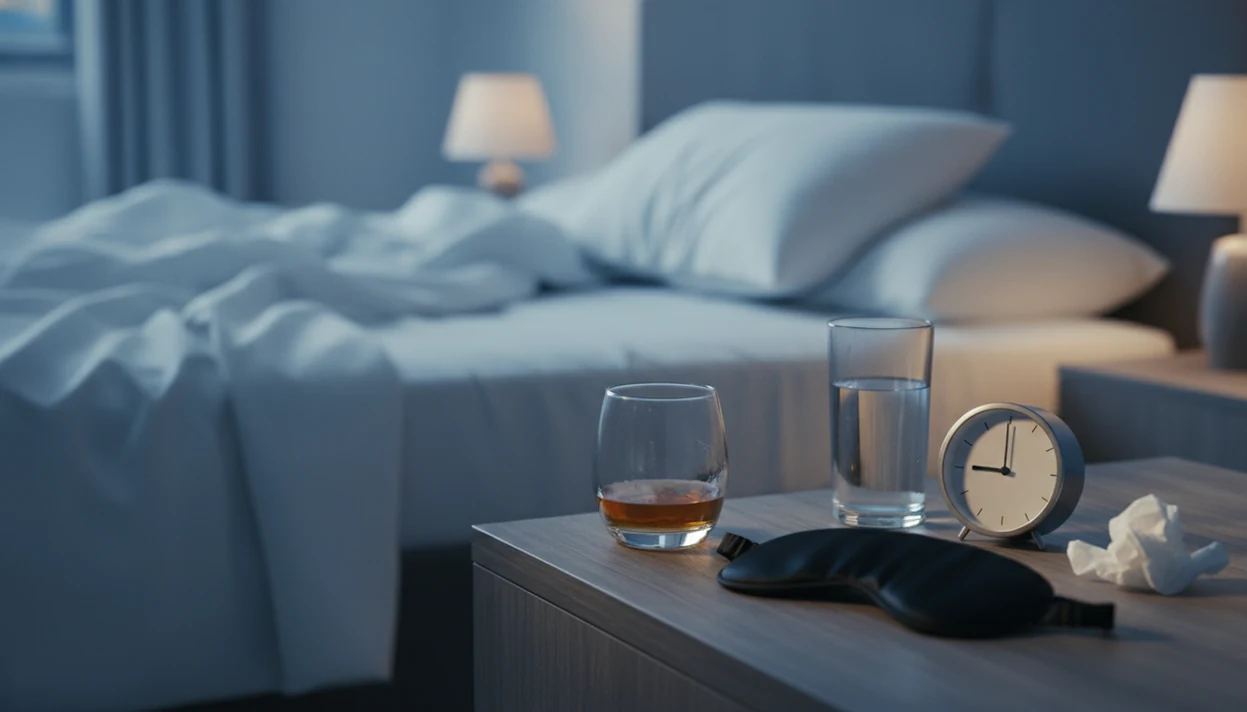
Alcohol causing chronic fatigue usually happens because drinking keeps your body in recovery mode: sleep gets fragmented, inflammation rises, hydration drops, blood sugar swings, and organs like the liver work harder. It does not mean alcohol directly causes ME/CFS, but regular drinking can create persistent exhaustion or make an existing fatigue condition feel worse.
Definition: Alcohol-related chronic fatigue is ongoing tiredness, brain fog, and low motivation that tracks with drinking patterns rather than a formal diagnosis of chronic fatigue syndrome.
TL;DR
- Alcohol can make you feel exhausted even after moderate drinking because it disrupts REM sleep, deep sleep, hydration, blood sugar, and recovery hormones.
- Alcohol-related fatigue is different from ME/CFS, but people with fatigue disorders may be especially sensitive to alcohol.
- Many people notice better sleep and daytime energy after several alcohol-free weeks, though severe or unusual fatigue needs medical evaluation.
Alcohol-Related Chronic Fatigue vs Chronic Fatigue Syndrome
Quick answer: Alcohol can often make fatigue feel chronic because the body has to prioritize recovery, repair, and regulation after drinking. For many people, cutting back improves energy over time, but severe, worsening, or unexplained fatigue should be evaluated by a clinician.
Key takeaways
- Even small amounts of alcohol may worsen fatigue in people who are sensitive to sleep disruption or blood sugar changes.
- Fatigue after drinking is not just a hangover; it can reflect repeated stress on recovery systems.
- Tracking amount, timing, sleep, food, mood, and next-day energy can reveal patterns quickly.
- If you drink daily or heavily, do not stop suddenly without medical advice because withdrawal can be dangerous.
- Medications, depression, anemia, thyroid disease, infection, and sleep apnea can also cause persistent exhaustion.
- A lower-risk plan is usually specific: fewer drinking days, smaller pours, earlier cutoff times, and planned alcohol-free days.
Alcohol-related chronic fatigue is a drinking-linked tiredness pattern, not the same thing as ME/CFS. Alcohol does not directly cause chronic fatigue syndrome or myalgic encephalomyelitis, but it can cause persistent low energy and may worsen an existing fatigue disorder.
The clue is pattern. Someone may feel tired after moderate drinking, sleep lightly, wake with brain fog, then notice steadier mornings during alcohol-free periods. A crumpled receipt from the bar is less useful than a simple log: date, drinks, bedtime, wake-ups, next-day energy.
In a 2004 study of people with chronic fatigue syndrome, 67% reported increased tiredness after alcohol; smaller shares reported nausea, sleep disturbance, and worse hangovers (doi). That does not prove alcohol causes ME/CFS. It does suggest that people with fatigue disorders may have lower tolerance for alcohol’s sleep, inflammatory, and metabolic effects.
Five Facts About Why Drinking Makes You Exhausted
- Alcohol can feel sedating but reduce restorative sleep quality. Passing out is not the same as sleeping well, and many people wake unrefreshed.
- Alcohol can suppress REM sleep and increase awakenings later in the night. The National Institute on Alcohol Abuse and Alcoholism notes this early-night REM suppression and second-half sleep fragmentation.
- Dehydration and electrolyte shifts can create next-day heaviness. That “weighted blanket inside the body” feeling often comes with headache, dry mouth, and slower thinking.
- Blood sugar swings and stress hormones can cause low energy and anxiety-like fatigue. Some people wake at 3 a.m. wired but exhausted, a pattern covered more in alcohol cortisol wakeups.
- Regular drinking can drain nutrients involved in energy metabolism. B vitamins and magnesium matter for energy pathways, and alcohol can interfere with intake, absorption, and storage.
The most common practical starting point is a two-to-four-week alcohol-free experiment combined with sleep and symptom tracking, because the pattern becomes easier to see.
How Alcohol Inflammation Fatigue Works in the Body
Alcohol inflammation fatigue works through several overlapping systems, not one single pathway. The liver metabolizes alcohol into acetaldehyde, a short-lived but toxic compound, then into acetate. During that processing window, the body prioritizes cleanup over normal repair.
How it works: alcohol can increase oxidative stress, disturb gut barrier function, and activate inflammatory signaling. In plain language, the body may behave as if it is still repairing damage long after the drink is gone. That can show up as brain fog, muscle heaviness, low motivation, and the odd feeling that sleep did not “count.”
This is one contributor, not the whole story. Sleep architecture, hydration, nutrition, hormones, liver health, and mental health all matter too. If inflammation is your main concern, the broader relationship between alcohol cancer inflammation explains why repeated inflammatory stress is treated differently from a single rough morning.
Tired After Moderate Drinking: Sleep Disruption Evidence
Why am I tired after moderate drinking? Even one or two drinks can help you fall asleep faster while worsening sleep architecture, which is the structure of light sleep, deep sleep, REM sleep, and awakenings.
The National Institute on Alcohol Abuse and Alcoholism notes that alcohol can change sleep architecture and fragment sleep, including REM-related disruption (NIAAA alcohol data). That combination can make eight hours in bed feel like five.
Sensitivity varies. Age, medications, sleep debt, sleep apnea risk, and drinking close to bedtime can all lower the threshold. The sticky bar table under your fingertips may not seem connected to tomorrow’s 2 p.m. slump, but timing matters. Clinicians typically recommend discussing persistent sleepiness, loud snoring, or witnessed breathing pauses with a medical professional rather than assuming alcohol is the only cause.
Energy After Quitting Alcohol: A Realistic Recovery Timeline
Energy after quitting alcohol often improves over several weeks, but the first few days are not always smooth. Some people feel clearer within days; others feel tired during week one as sleep, appetite, hydration, and evening routines reset.
A realistic pattern looks like this: steadier mornings first, fewer afternoon crashes next, then deeper sleep and better mood over time. Hydration helps. So do protein-rich meals, B-vitamin and magnesium-rich foods, morning light, light movement, and a consistent bedtime.
Small things count.
People with heavy or long-term drinking histories may need medical support and a longer recovery period. Stopping abruptly can be unsafe for some. Tools like Me Quit can provide a private way to track alcohol-free days, cravings, streaks, and milestones, but behavior tracking is not medical detox care. For step-by-step planning, the alcohol reduction guides cover safer cutback basics.
Alcohol Fatigue Triggers Compared With Other Energy Drains
Alcohol-related fatigue can overlap with other common energy drains, so comparison is safer than guessing. A one-week log may show that drinks, nicotine, bedtime, meals, and mood all move together.
| possible cause | typical clue | what to try next |
|---|---|---|
| Alcohol | Worse sleep, brain fog, low energy after drinking | Try alcohol-free weeks and track energy |
| Poor sleep schedule | Irregular bedtime, long weekend catch-up sleep | Set a consistent sleep window |
| Nicotine or vaping | Wired-tired feeling, cravings, lighter sleep | Track timing and consider cessation support |
| Dehydration | Headache, dry mouth, dark urine | Add fluids and electrolytes |
| Low iron or thyroid issues | Coldness, weakness, hair changes, heavy periods | Ask about blood tests |
| Depression | Low mood, low pleasure, slowed mornings | Seek mental health evaluation |
| Sleep apnea | Loud snoring, choking, daytime sleepiness | Ask about sleep testing |
| Overtraining or inactivity | Heavy limbs or deconditioning | Adjust movement gradually |
More than one trigger can be active. A private behavior log can help you compare alcohol, nicotine, sleep, and mood patterns, but it cannot diagnose the medical cause of fatigue.
How to Use an Alcohol-Fatigue Log
Use an alcohol-fatigue log to turn vague exhaustion into a pattern you can actually compare. The goal is not to blame every low-energy day on alcohol, but to see what changes when drinking, sleep, food, nicotine, mood, and movement shift together.
- Record the basics each day: number of drinks, drink timing, bedtime, wake time, night wake-ups, and next-day energy on a simple 1-to-10 scale.
- Add the context that can muddy the picture, including meals, hydration, nicotine or vaping, medications, stress, mood, exercise, illness, and menstrual cycle changes if relevant.
- Compare drinking days with alcohol-free days for two to four weeks, looking especially at morning brain fog, afternoon crashes, sleep quality, and motivation.
- Flag fatigue that is severe, sudden, getting worse, or lasting despite cutting back, especially if it comes with dizziness, chest symptoms, weight loss, low mood, jaundice, or withdrawal signs.
- Use the pattern to adjust safely: move drinks earlier, reduce quantity, set alcohol-free goals, or choose abstinence if the log shows repeated energy costs.
When Alcohol-Related Fatigue Needs Medical Attention
Alcohol-related fatigue needs medical attention when symptoms are severe, sudden, persistent, or paired with red flags. Do not assume every exhausted morning is just from drinking.
Seek urgent help for chest pain, fainting, severe dizziness, shortness of breath, suicidal thoughts, confusion, jaundice, vomiting blood, or severe withdrawal symptoms. Alcohol withdrawal can include shaking, sweating, agitation, hallucinations, seizures, or dangerous changes in blood pressure. Heavy drinkers should not stop abruptly without medical advice. MedlinePlus lists alcohol withdrawal as a condition that can involve tremors, hallucinations, seizures, and other symptoms that may require urgent medical care (medlineplus).
Book a non-urgent evaluation if fatigue lasts for weeks despite cutting back, or if you notice unexplained weight loss, fever, night sweats, heavy snoring, persistent low mood, or abnormal bleeding. Conditions to rule out include anemia, thyroid disease, sleep apnea, depression, liver disease, diabetes, infection, and ME/CFS. Fatigue plus chest symptoms also belongs in a cardiovascular discussion, including alcohol cardiovascular risk.
Limitations
Alcohol-related fatigue is a useful pattern to track, but it is not an official medical diagnosis. The available evidence is stronger for alcohol’s effects on sleep, hydration, metabolism, and organ stress than for one unified “alcohol fatigue syndrome.”
Important caveats:
- Energy improvements vary from days to months depending on drinking history, sleep, nutrition, liver health, stress, and nicotine use.
- Heavy drinkers may need medical supervision because withdrawal can be dangerous.
- Online education cannot replace medical evaluation for severe, sudden, or persistent fatigue.
For people who drink and use nicotine, tracking both patterns is often more informative than tracking alcohol alone because the two habits can trigger each other.
FAQ
Can alcohol cause chronic fatigue?
Alcohol can cause an ongoing tiredness pattern linked to sleep disruption, dehydration, inflammation, and recovery stress. It does not directly cause ME/CFS.
Why am I tired after drinking?
Alcohol can fragment sleep, reduce REM sleep, dehydrate the body, shift blood sugar, and force extra metabolic recovery. These effects can combine into next-day fatigue.
Can one drink cause fatigue?
Yes, one drink can cause fatigue in sensitive people or when sleep is already poor. Timing, medication use, age, and sleep apnea risk can make the effect stronger.
Does alcohol make ME/CFS worse?
Many people with ME/CFS report worse tiredness after alcohol, and some also report nausea, sleep disturbance, or stronger hangovers. This is not the same as alcohol causing ME/CFS.
How long does alcohol fatigue last?
Alcohol fatigue may last one day after light drinking or several weeks after regular heavy drinking. Longer or severe fatigue should be medically evaluated.
Will quitting alcohol improve energy?
Many people notice better energy after several alcohol-free weeks as sleep and hydration stabilize. Results vary, and tools like Me Quit can help track alcohol-free days and energy patterns.
Why does alcohol ruin sleep?
Alcohol can suppress REM sleep early in the night and increase awakenings later. That makes sleep less restorative even if total time in bed looks normal.
When is fatigue a warning sign?
Fatigue is a warning sign when it comes with chest pain, fainting, severe dizziness, shortness of breath, confusion, jaundice, suicidal thoughts, vomiting blood, or severe withdrawal symptoms. Persistent fatigue lasting weeks also deserves professional evaluation.