
Spot Alcohol Craving Triggers and Interrupt the Urge
The quick version
Alcohol craving triggers include stress, certain people or places, hunger, fatigue, familiar drinking hours, and routines such as pouring a drink while cooking. When an urge starts, name the cue, wait 10 minutes, change your setting, and use a prepared alternative. Shaking, sweating, confusion, or hallucinations after reducing alcohol may indicate withdrawal and require medical care.
A craving can arrive before you have consciously decided anything. You finish work, enter the kitchen, hear ice hit a glass, or notice the clock reaching 5 PM. Suddenly, drinking feels like the obvious next step. That speed comes from a learned connection between a cue and the relief or reward alcohol once provided.
The useful question is not simply, “Why do I want a drink?” Look for the time, place, feeling, body sensation, thought, and routine surrounding the urge. Once the pattern is visible, you can prepare a specific response instead of making a rushed decision during its strongest point.
Common triggers and the first move to try
Alcohol cravings are normal habit-and-brain responses, not proof of weak willpower. In 2022, about 29.5 million people aged 12 or older in the U.S. had alcohol use disorder, according to NIAAA data, so craving patterns are common enough to discuss plainly (NIAAA alcohol data).
| Trigger | What it can sound like | First coping move |
|---|---|---|
| Stress | “I need to shut my brain off.” | Breathe slowly, then delay 10 minutes. |
| After work routines | “It’s finally my time.” | Change the first 30 minutes after work. |
| Social cues | “Everyone else is ordering.” | Hold a non-alcohol drink early. |
| Boredom | “Nothing else feels good.” | Start a task with a timer. |
| Loneliness | “A drink would fill the room.” | Message one person before deciding. |
| Sugar cravings | “I need something sweet now.” | Eat protein, fiber, and water first. |
| Hidden drinking triggers | “Why did that urge appear?” | Audit the cue, place, feeling, and thought. |
| Curiosity about one drink | “Maybe I can test it.” | Play the tape forward. |
Cravings often rise, peak, and fall within minutes if you don’t feed the cue. The rocks glass with sparkling water helps some people because the hand ritual changes without the alcohol.
Why a place, feeling, or hour can start an urge
Alcohol craving triggers work through cue-response learning: the brain links alcohol with relief, reward, sleep, social ease, celebration, or the shift from “on duty” to “off duty.” In plain language, the brain remembers what seemed to work before.
Internal triggers happen inside the body or mood. Anxiety, anger, pain, fatigue, shame, and loneliness can all make drinking feel urgent. External triggers come from the room around you: bars, payday, certain people, TV shows, the kitchen routine, or a specific hour.
Repeated pairings make the urge feel fast and convincing, even when you consciously want to drink less. Clinical research on alcohol craving shows that cues and stress can keep urges active during early recovery, so persistence does not mean the plan is broken; it means the cue-response loop needs repetition and support (the NIH). For a deeper look at the first weeks, our guide to alcohol cravings after quitting covers why urges can spike and settle unevenly.
Physical alcohol cravings and the sensations they cause
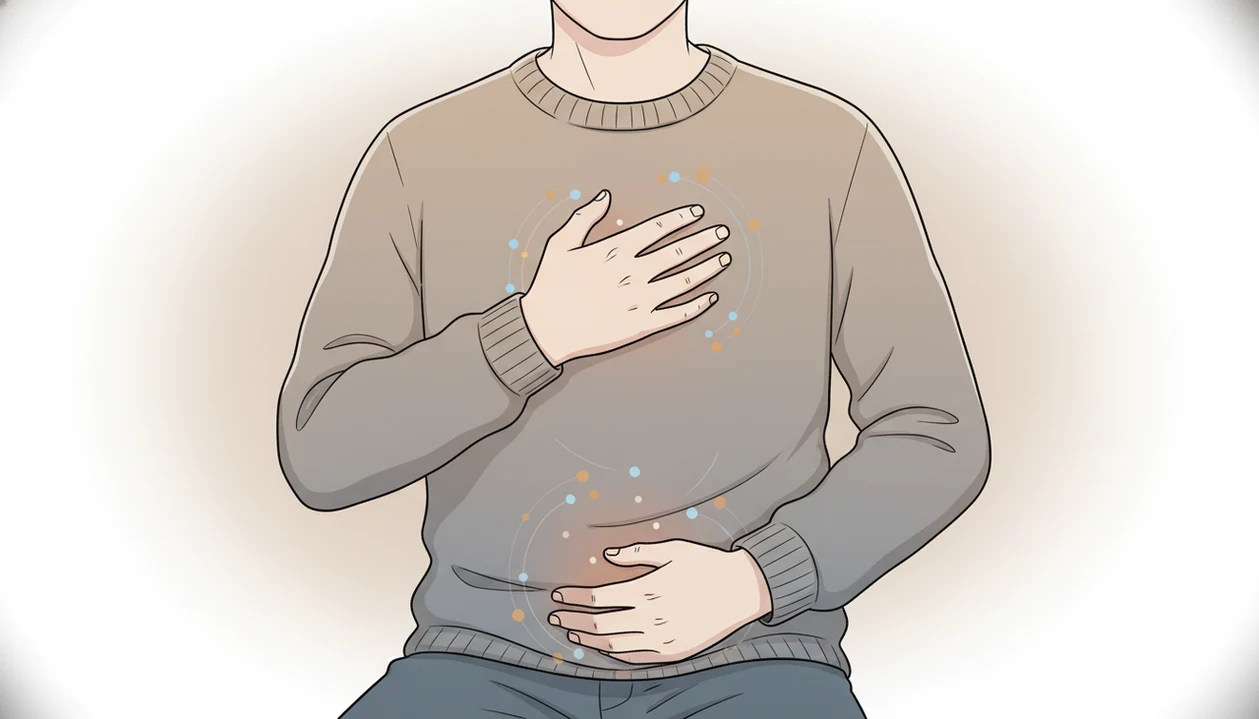
Physical alcohol cravings can feel like chest tightness, a stomach knot, salivation, heat, shaky energy, a clenched jaw, restless legs, shallow breathing, or a buzzing feeling under the skin. Some people pace or reach toward the usual bottle or cabinet before forming a clear thought about drinking. These sensations can reflect a learned cue response, but they can also overlap with anxiety, hunger, dehydration, poor sleep, or alcohol withdrawal.
| Sensation | Possible immediate response |
|---|---|
| Tense chest or shallow breathing | Move to a quieter place and breathe out longer than you breathe in for two minutes. |
| Restless or shaky energy | Sit somewhere safe, drink water, eat if you have missed a meal, and note when symptoms began. |
| Clenched jaw or tense shoulders | Relax each area deliberately, then walk or stretch for five minutes. |
| Automatic movement toward alcohol | Leave the room, block access to alcohol, and contact someone before deciding what to do. |
Track the sensation, trigger, time, intensity, response, and outcome. Do not assume every physical symptom is merely a craving. Alcohol withdrawal can begin after intake is sharply reduced, particularly after heavy, prolonged drinking. MedlinePlus describes withdrawal symptoms and timing. Severe chest pain, fainting, confusion, seizures, hallucinations, or severe shaking need urgent medical evaluation.
Five trigger patterns worth learning
The five most useful alcohol craving trigger categories are stress, social cues, routines, physical states, and curiosity about drinking again. Naming the category helps you choose a response faster.
- Stress and negative emotions: Anger, anxiety, grief, embarrassment, or conflict can make alcohol feel like instant relief, especially after a long day.
- People, places, and events: Old drinking friends, brunch menus with bottomless mimosas, weddings, bars, and game nights can all cue the old script.
- Routine loops: Cooking dinner, watching TV, payday, weekends, and the first hour after work become risky when drinking has been paired with them often.
- Physical states: Hunger, poor sleep, pain, dehydration, and sugar or energy crashes can intensify cravings because the body is already under strain.
- Curiosity for alcohol cravings: The thought “maybe I can test just one drink” can be a craving with better manners.
Changing the routine can weaken the cue before the urge builds, which is often more manageable than confronting a strong craving in the usual setting.
Use this six-step craving plan
A craving plan works by slowing the automatic loop before alcohol becomes the easiest next action. Use the same steps each time, even when the urge feels small.
- Name the trigger: Say, “This is stress,” “This is 5 PM,” or “This is loneliness,” not “I need a drink.”
- Delay for 10 minutes: Use urge surfing, set a timer, and watch the craving rise and fall without arguing with it.
- Change location or activity: Leave the kitchen, take a shower, walk outside, fold laundry, or move away from the bar area.
- Regulate the body: Eat a snack, drink water, slow your breathing, or stretch your shoulders and jaw.
- Contact support: Call, text, or message someone before the decision is private and rushed.
- Log what happened: Record the trigger, body state, thought, coping move, and outcome.
The best drink less app, not a lecture, should help people spot triggers, set limits, track dry days, and reset after a slip; the best drink less app guide explains what to compare.
Keep a trigger log for two weeks
Memory tends to preserve the dramatic craving and miss the repeated details. For one to two weeks, record the time, situation, people present, emotion, physical sensation, craving intensity, response, and outcome. NIAAA recommends reviewing urges over a couple of weeks to identify recurring internal and external triggers in its guide to recognizing and stopping alcohol cravings.
- Circle the two times or situations that appear most often.
- Choose one action to take before each expected craving.
- Write down one person you can contact if the first action is not enough.
- Review what lowered the urge, not only the times you drank.
Keep the log factual: “6:10 PM, hungry, alone in kitchen, urge 8 out of 10” is more useful than “I failed again.”
Why alcohol cravings hit after work
Why do I crave alcohol after work? The end of work can become a cue for decompression, reward, loneliness, commute autopilot, walking into the kitchen, or simply reaching the usual drinking hour.
Protect the transition before the craving gets loud. The first 30 to 60 minutes after work matter more than most people think. If you always pour a drink while starting dinner, the stove becomes part of the loop. If you always stop near the same liquor store, the route starts making the decision early.
Try a walk, gym stop, shower, snack, tea, sparkling water, or a call before you sit down. Drive a different route if the old one passes your usual stop. Set up the hour so you are already eating, walking, calling someone, or away from alcohol when the usual craving begins. It is to make the peak less likely.
Friday 6 p.m. can feel automatic. Plan for that hour like it is an appointment.
If you drink heavily most days, have had withdrawal before, or develop shaking, sweating, nausea, agitation, or a fast pulse after cutting down, contact a clinician before making further reductions. Call emergency services for seizures, hallucinations, severe confusion, fainting, chest pain, fever with marked agitation, or rapidly worsening symptoms.
Cue-induced alcohol craving at 5 PM and other fixed times
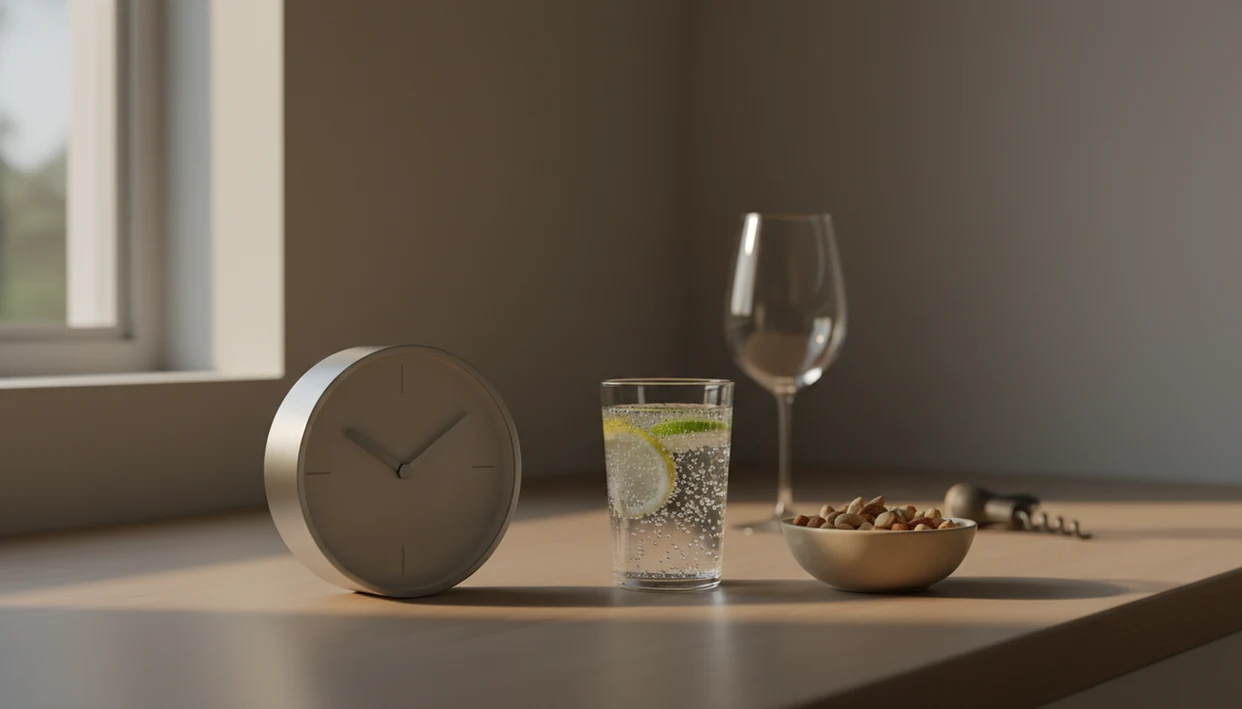
A cue-induced alcohol craving appears around something the brain has repeatedly connected with drinking. The cue may be 5 PM, the end of a commute, a wine glass beside the stove, a particular chair, a sports broadcast, payday, or a friend placing an order. Time itself can become a trigger when alcohol has followed the same hour often enough.
| Driver | Typical pattern | Safety response |
|---|---|---|
| Learned cue | Starts around a familiar time, room, person, object, or ritual | Change the setup, delay 10 minutes, and replace the ritual. |
| Stress | Follows conflict, pressure, anxiety, or low mood | Leave the setting, contact someone, or begin a concrete task. |
| Withdrawal | Appears after reducing alcohol and may include shaking, sweating, nausea, insomnia, agitation, or a fast pulse | Get medical advice rather than relying on craving exercises. |
Build a cue map
- Record the time, place, emotion, people nearby, object cue, craving intensity, action, and result.
- Give the cue a short name, such as “5 PM kitchen” or “Friday restaurant.”
- Change one part of the setup before the next expected urge.
- Review the record weekly for repeated hours, rooms, moods, and objects.
Research links stronger cue reactivity and subjective craving with later alcohol use and relapse, supporting early changes to predictable drinking cues rather than reliance on willpower alone. The evidence is summarized in a systematic review of alcohol cue reactivity.
Sugar cravings, missed meals, and low energy
Sugar cravings after quitting alcohol are a common body-and-routine adjustment, not a character problem. Alcohol can affect reward patterns, appetite, sleep, and blood sugar swings, so sweet foods may feel especially appealing when drinks are removed.
Start with boring basics because they work. Eat regular meals with protein and fiber. Drink water before deciding you “need” candy. Keep planned snacks ready, especially during your usual drinking window. Sleep matters too; a short night can make both alcohol and sugar cues feel sharper the next afternoon.
Food is not the enemy here. However, replacing every drinking urge with a large sugar spike can worsen mood, sleep, and energy for some people. A planned non-alcohol reward, like dessert after dinner or a good takeout meal on a dry Friday, is different from chasing every urge with a crash. If sleep is part of the craving loop, alcohol cortisol wakeups explains the 3 AM pattern.
Find the drinking cues hidden in ordinary routines
Hidden drinking triggers are subtle cues that do not look like obvious alcohol exposure. They can sit inside ordinary routines, which is why they surprise people.
Payday can cue celebration or “I earned it” spending. Certain playlists can bring back bar memories. Cooking dinner may trigger the old pour-before-chopping habit. Sports, hotel rooms, social media scrolling, being alone, cleaning the house, celebrations, conflict texts, and secret drinking spots can all become cues.
A quick hidden trigger audit
Write down seven details: when, where, who was nearby, feeling, body state, thought, and what happened next. One urge note typed under a table can reveal more than an hour of self-criticism later.
Around 40 to 60% of people treated for substance use disorders relapse at least once, according to NIDA, which is why trigger mapping belongs in relapse prevention, not shame (the NIH). If health concerns are part of your reason for change, our alcohol reduction guides organize related risks and craving tools.
When “just one drink” is the craving talking
Is curiosity about one drink actually a craving? Often, yes. Curiosity can disguise itself as research, especially after a good streak or when confidence returns.
Common thoughts include “I wonder if I can handle one,” “I deserve it,” “Maybe it was not that bad,” and “No one will know.” Those thoughts are not moral defects. They are bargaining cues, and they deserve a plan.
Delay first. Write down your prediction: “If I drink tonight, what do I think will happen?” Then play the tape forward to tomorrow morning, the next social event, and the next craving. Contact support before testing the idea alone. Review the original reason you cut down or quit, whether it was sleep, money saved, health, parenting, memory, or the smell of stale smoke and alcohol on a winter coat.
Among U.S. adults who had remitted from alcohol dependence in one national study, 24.4% still reported at least one alcohol-use-disorder symptom in the past year, showing that symptoms can fade unevenly (the NIH).
Do not use alcohol exposure as a solo test
Standing near alcohol to prove that you can resist it may strengthen an urge rather than reduce it. Cue-exposure treatment is a structured clinical approach, not simply visiting a bar or keeping a bottle nearby. A 2025 systematic review found that cue-exposure treatment outperformed control conditions in 41% of studies measuring craving and 57% measuring alcohol consumption. Results were not consistent enough to treat deliberate exposure as a universal self-help method. See the systematic review of alcohol cue-exposure treatment.
Early in a quit attempt, reducing contact with predictable cues is often the safer practical choice. Remove alcohol from view, change the route past a usual store, meet friends somewhere other than a bar, and avoid testing “just one” alone. Discuss planned cue exposure with a trained clinician if it is being considered as part of treatment.
Craving versus withdrawal: when medical care comes first
Seek medical help when alcohol cravings feel severe, unsafe, tied to withdrawal, or hard to control despite your plan. If you drink heavily every day, stopping suddenly can be risky and may need a clinician-guided withdrawal plan.
Withdrawal is not a willpower test. Symptoms can change quickly, especially after long periods of frequent drinking, previous withdrawal episodes, or mixing alcohol with other substances or medications. Evidence-based help can include therapy, medication for alcohol use disorder, medically supervised detox, outpatient or inpatient treatment, and support groups. Apps, trackers, and craving logs can support awareness, but they cannot diagnose alcohol use disorder, assess seizure risk, or manage withdrawal.
- Get emergency help now for a seizure, hallucinations, confusion, chest pain, fainting, or symptoms that are becoming rapidly worse.
- Seek immediate help if you might hurt yourself, cannot stay safe, feel out of control, or someone’s behavior around alcohol becomes dangerous.
- Talk with a clinician before making a major reduction if you drink heavily most days or have previously had shaking, sweating, seizures, hallucinations, or other withdrawal symptoms.
- Ask about treatment options such as medication, counseling, detox planning, and peer or group support.
Questions about alcohol urges and triggers
What are the most common alcohol craving triggers?
Common triggers include stress, anger, loneliness, boredom, fatigue, hunger, poor sleep, pain, certain people, bars, celebrations, weekends, and familiar drinking hours. Objects and routines can also matter, including a wine glass, cooking dinner, watching sports, getting paid, or taking the usual route past a liquor store.
How long does an alcohol craving usually last?
There is no single duration for every craving. Urges commonly rise and fall rather than staying at full intensity. Start with a 10-minute delay, leave the triggering setting, and reassess when the timer ends. Another short delay may be needed. Persistent or repeated cravings can still improve as new routines are practiced.
Why do I want alcohol at the same time every evening?
A fixed hour can become a learned cue when drinking repeatedly follows the end of work, dinner preparation, sitting down, or another daily transition. Plan the first 30 to 60 minutes before that hour. Eat, walk, shower, call someone, change rooms, or use a different route home before the craving builds.
Can an alcohol craving cause chest tightness or shaking?
An urge may come with muscle tension, shallow breathing, agitation, shaky energy, or chest tightness. Similar symptoms can occur with anxiety, low blood sugar, medical problems, or alcohol withdrawal. Severe chest pain, fainting, confusion, seizures, hallucinations, or severe shaking require urgent medical assessment rather than a craving exercise.
How can I tell a craving from alcohol withdrawal?
A cue-based craving often appears around a familiar time, place, person, object, or emotion. Withdrawal develops after alcohol is reduced or stopped in someone who has been drinking heavily or regularly and may include tremor, sweating, nausea, insomnia, agitation, a fast pulse, confusion, hallucinations, or seizures. Withdrawal needs medical guidance.
Are strong sugar cravings common after quitting alcohol?
Sweet foods may become more appealing when alcohol is removed, especially when sleep, appetite, energy, and reward routines are changing. Eat regular meals containing protein and fiber, drink water, and keep a planned snack ready for the usual drinking hour. A planned dessert is different from responding to every alcohol urge with a large sugar spike.
What should I do when I suddenly think I can handle one drink?
Treat the thought as a possible bargaining cue. Delay the decision, write down what you expect to happen, and then picture tomorrow morning and the next drinking opportunity. Review why you stopped or cut down, and contact someone before testing the idea. Do not use a bar visit or a bottle at home as a solo experiment.
When should alcohol cravings be discussed with a doctor?
Talk with a clinician when cravings are frequent, hard to control, causing unsafe behavior, or repeatedly leading to more drinking than intended. Medical support is especially important if you drink heavily most days, have had withdrawal symptoms or seizures, use other substances, or take medications that may interact with alcohol.