

How Alcohol Can Cause and Worsen Chronic Pancreatitis
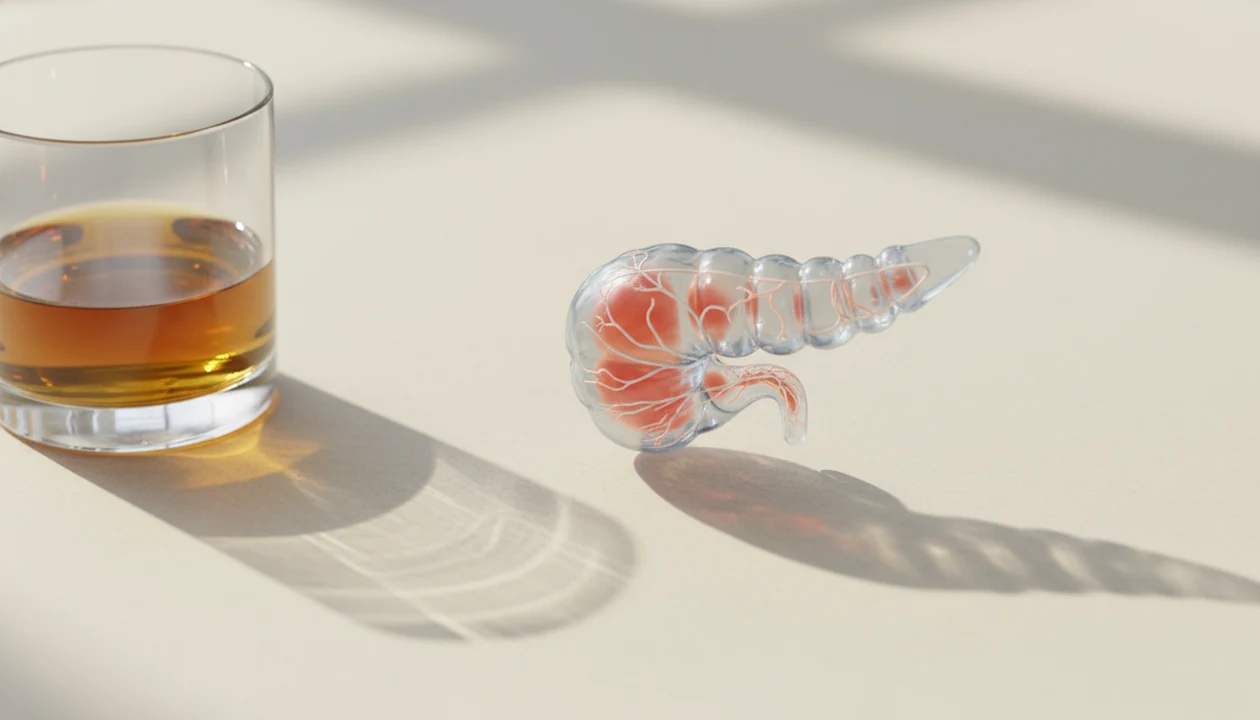
The pancreas produces digestive enzymes and hormones that control blood sugar. Years of heavy drinking, repeated binges, or continued drinking after an acute pancreatitis attack can interfere with both jobs. The result may be chronic pain, trouble absorbing food, weight loss, greasy stools, or diabetes.
The difficult part is that susceptibility varies. Some heavy drinkers never develop pancreatitis, while smoking, genetics, gallstones, very high triglycerides, and previous attacks raise risk for others. Once pancreatic damage is found, the practical questions change from estimating risk to preventing another injury and making sure alcohol can be stopped safely.
Bottom line
Heavy or repeated alcohol use can cause recurring pancreatic inflammation that eventually leaves permanent scarring. Risk generally rises as alcohol intake rises, but no amount is considered safe after pancreatitis develops. Avoiding alcohol can reduce further attacks and damage. People who drink heavily every day should get medical advice before stopping because alcohol withdrawal can be dangerous.
When Repeated Pancreatic Inflammation Becomes Permanent
Chronic pancreatitis is persistent inflammation and scarring of the pancreas, and heavy long-term drinking is a major cause. The available evidence shows a dose pattern: risk generally rises as alcohol exposure rises.
The pancreas sits quietly until it doesn’t. People often notice trouble only after pain, nausea, oily stools, or an emergency visit for acute pancreatitis. Over time, repeated injury can reduce digestive enzyme output, raise diabetes risk, and progress toward alcohol pancreatic failure.
For prevention, cutting down heavy drinking may reduce future risk, especially before pancreatitis develops. After any pancreatitis diagnosis, clinicians typically recommend complete alcohol abstinence because further drinking can speed scarring and recurrent attacks. The same prevention frame applies across other organ systems, including alcohol cardiovascular risk, but pancreas damage has a particular problem: established fibrosis usually does not undo itself.
Five Findings That Put the Risk in Context
- Heavy drinking accounts for a large share of chronic pancreatitis cases in Western Europe, often cited around 70% to 80% in clinical reviews the NIH.
- Meta-analyses have found that alcohol intake above about 2 to 4 drinks per day is associated with increased pancreatitis risk compared with lower intake oup.
- In one large Danish population study, more than 14 drinks of spirits per week was linked to about 2.1 times higher chronic pancreatitis risk the NIH.
- Only a minority of people with alcohol dependence develop alcoholic pancreatitis, so genetics, smoking, diet, and repeated acute attacks also matter.
- Continuing to drink after pancreatitis can accelerate damage, while stopping alcohol can reduce recurrent attacks and may slow progression.
A real log is often less dramatic than the diagnosis. “Tuesday, 9:20 p.m., laptop closed, two pours, stress 7/10.” That pattern tells more than a vague note about drinking too much.
What Alcohol Does Inside the Pancreas
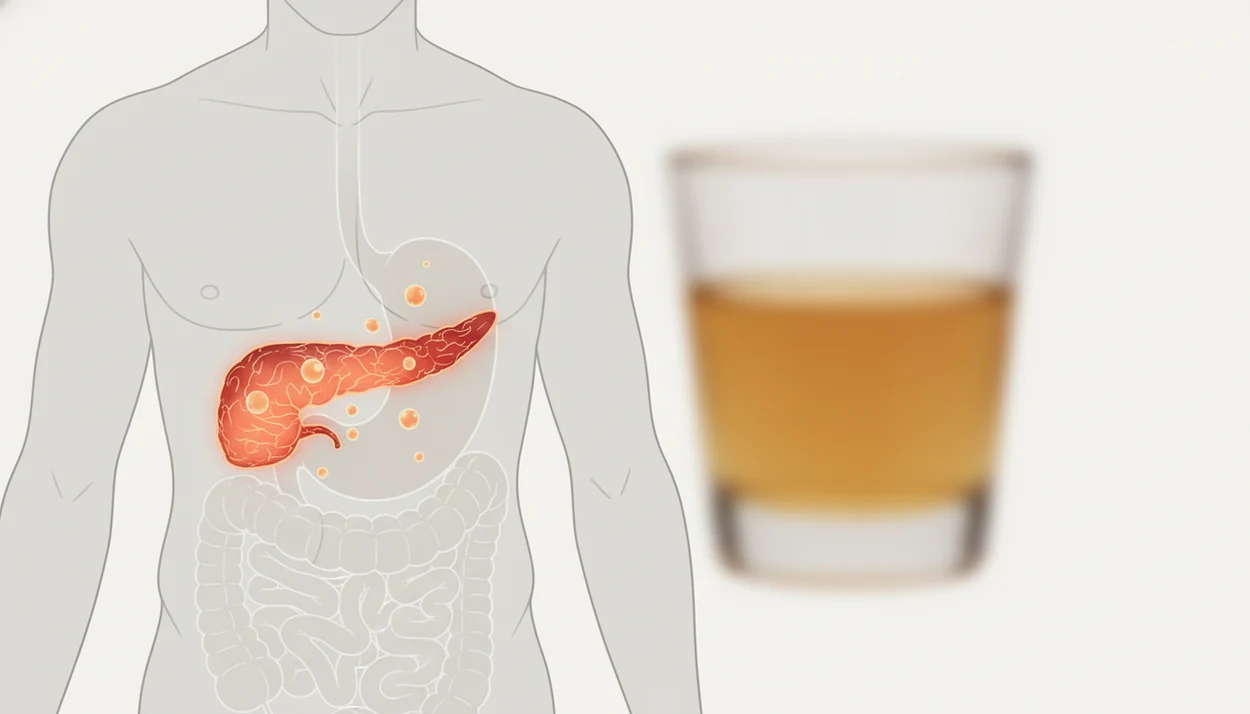
Alcohol pancreas inflammation begins when alcohol and its toxic metabolites irritate pancreatic cells and disturb normal enzyme handling. As the body processes alcohol, toxic byproducts can irritate pancreatic cells and disrupt the handling of digestive enzymes.
The technical pieces are enzyme activation and fibrosis. Digestive enzymes may activate too early, before they reach the intestine, and start damaging pancreatic tissue. Repeated inflammation can then lead to scarring, duct changes, calcification, and chronic pain. Small injuries add up.
Chronic pancreatitis affects two pancreatic jobs. The exocrine pancreas makes enzymes that help digest fat, protein, and carbohydrates. The endocrine pancreas helps regulate blood sugar through insulin and other hormones. Alcohol pancreatic failure means one or both functions are impaired, causing poor digestion, weight loss, nutrient problems, and diabetes risk. For alcohol-related inflammation beyond the pancreas, the same injury pattern is discussed in alcohol cancer inflammation, though the organs and outcomes differ.
How Alcohol Damages the Pancreas and Causes Chronic Pancreatitis
Alcohol and its metabolites can injure pancreatic cells, disturb calcium signaling, and cause digestive enzymes to activate before they reach the intestine. An acute attack may heal, but repeated inflammation can produce fibrosis, narrowed ducts, calcification, and permanent loss of functioning tissue. Clinical reviews describe alcohol-related pancreatitis as a disease shaped by both exposure and individual susceptibility, not as an inevitable result of drinking. Research on alcohol and the pancreas also identifies smoking as an important contributor.
| Change in the pancreas | Possible result |
|---|---|
| Sudden inflammation | Severe upper abdominal pain, nausea, vomiting, and an acute pancreatitis diagnosis |
| Repeated inflammation and scarring | Chronic pain, narrowed ducts, calcification, and recurring attacks |
| Reduced digestive enzyme output | Greasy or floating stools, bloating, poor nutrient absorption, and weight loss |
| Reduced insulin production | New or worsening blood sugar problems and diabetes |
Pancreatitis caused by alcohol does not always heal completely. A first acute attack may resolve, but another attack can cause additional injury. Established chronic scarring usually does not reverse. Avoiding alcohol is intended to prevent more damage, not to guarantee that pain, digestive problems, or diabetes will disappear. The NHS chronic pancreatitis guidance recommends avoiding alcohol even when alcohol did not cause the original disease.
How Much Alcohol Causes Pancreatitis?
How much drinking becomes risky for chronic pancreatitis? Drinking and chronic pancreatitis risk rises as total weekly alcohol intake rises, but the exact threshold is not perfectly predictable for one person.
Daily heavy drinking, more than 14 drinks per week, and binge episodes all matter because they increase total alcohol exposure and inflammatory stress. Beer, wine, and spirits can all contribute. The pancreas responds to ethanol burden and drinking pattern, not just the label on the bottle.
A half-poured wine glass on the counter may look like moderation. The weekly total may say something else. For prevention, reducing drink count, adding alcohol-free days, and avoiding binges are reasonable risk-reduction steps. For someone with prior pancreatitis, however, reduction is usually not enough. Medical guidance generally points to abstinence after pancreatitis because recurrent attacks can move the disease forward NIDDK.
Get urgent medical care for severe upper abdominal pain, repeated vomiting, fever, fainting, confusion, yellow skin or eyes, or pain spreading to the back. If you drink heavily every day or have had withdrawal symptoms before, contact a clinician before stopping abruptly, and call emergency services for a seizure, hallucinations, severe confusion, chest pain, or inability to keep fluids down.
Risk Rises With Dose, but a Cutoff Cannot Predict Your Outcome
A 2015 systematic review and meta-analysis estimated that consuming 100 grams of alcohol per day, roughly seven U.S. standard drinks, was associated with 6.29 times the chronic pancreatitis risk seen in nondrinkers. That is a population estimate, not a personal threshold. Genetics, smoking, prior attacks, and other medical conditions can change risk. See the dose-response meta-analysis of alcohol and pancreatitis.
Lower intake should not be treated as safe once pancreatitis exists. A clinical review of alcohol and pancreatitis reports that intake below 50 grams per day, about 3.5 U.S. standard drinks, has been associated with progression from acute to chronic disease. For established chronic pancreatitis, clinical guidance favors abstinence rather than testing an occasional or moderate amount.
Digestive Failure, Diabetes, and Other Lasting Effects
Alcohol pancreatic failure means the pancreas can no longer reliably support digestion, blood sugar control, or both. Pancreatic failure can affect digestion and blood sugar control long after a painful episode has passed.
Exocrine pancreatic insufficiency can cause poor digestion, greasy or floating stools, weight loss, bloating, and deficiencies in fat-soluble vitamins. Endocrine failure can impair insulin production and increase diabetes risk. Chronic abdominal pain, recurrent hospitalizations, pseudocysts, and reduced quality of life are also common concerns.
The hard part is permanence. Chronic scarring is generally not reversible, even when symptoms rise and fall. Seek urgent medical care for severe upper abdominal pain, repeated vomiting, fever, yellowing of the skin or eyes, faintness, or pain that feels different from a typical hangover. A mild hangover after two extra drinks is not the same as alcohol withdrawal or pancreatitis symptoms that need medical attention.
Alcohol Induced Pancreatitis Complications and Urgent Warning Signs
Acute pancreatitis is a sudden inflammatory attack. Chronic pancreatitis involves ongoing or repeated injury that leaves scarring and can permanently reduce pancreatic function. Alcohol can contribute to either pattern. Repeated acute attacks may lead toward chronic disease, although some people develop chronic damage without a clear history of repeated diagnosed attacks.
| Feature | Acute pancreatitis | Chronic pancreatitis |
|---|---|---|
| Pattern | Sudden inflammation that needs prompt medical assessment | Persistent or recurring injury with permanent scarring |
| Major complications | Fluid collections, tissue death, infection, sepsis, kidney failure, or breathing problems | Chronic pain, poor food absorption, weight loss, diabetes, and calcification |
| Main long-term concern | Another attack | Progressive loss of digestive and blood sugar control |
Pancreatic necrosis means that severely injured pancreatic tissue has died. Damaged tissue or nearby fluid collections can become infected, potentially requiring hospitalization, antibiotics, drainage, or another procedure. Alcohol does not directly infect the pancreas. Infection develops as a complication of severe tissue injury and must be assessed with an examination, blood tests, and imaging.
- Get urgent care for severe or persistent upper abdominal pain, especially when it spreads to the back.
- Seek immediate help for repeated vomiting, fever, chills, confusion, fainting, yellow skin or eyes, or an inability to keep fluids down.
- Do not assume intense abdominal pain is a hangover or try to diagnose pancreatic infection at home.
Severe pancreatitis can worsen quickly. New intense abdominal pain after drinking needs medical assessment, not a wait-and-see drinking plan.
Why Smoking, Genetics, and Previous Attacks Matter
Alcohol is a major risk factor, but it is not the only determinant of alcoholic pancreatitis. One review notes that only about 5% of clinically documented alcoholics develop alcoholic pancreatitis, which shows that susceptibility varies the NIH.
Risk may be shaped by genetics, smoking, diet, metabolic factors, and repeated acute pancreatitis episodes. Smoking is especially important because it is associated with pancreatitis progression and is a realistic behavior-change target for many people who also drink. A lighter offered across bar stools is not just a smoking cue; it can be part of a paired alcohol cue.
Low symptoms today do not mean low future risk. Some pancreatic damage builds quietly, and early tests may miss evolving disease. This is not a moral issue. Susceptibility differs widely, so population studies cannot predict exactly which individual drinker will develop chronic pancreatitis.
Reduce Further Pancreatic Injury Safely
Prevention-oriented reduction means lowering alcohol exposure before pancreatitis occurs; post-pancreatitis care usually means abstinence. After a pancreatitis attack, clinicians generally recommend complete alcohol abstinence, follow-up care, and treatment for alcohol use when needed.
Track the pattern, not just the weekly total:
- Count every drink using standard drink sizes, not glass size.
- Mark drinking days so daily patterns do not hide inside weekly totals.
- Flag binge episodes and note what happened before the first drink.
- Log cravings with time, trigger, intensity, and response.
- Review weekly and reset the plan after slips without treating them as proof of failure.
More planning examples are covered in our alcohol reduction guides.
Before You Stop, Check Your Withdrawal Risk
Pancreatitis makes avoiding alcohol medically valuable, but dependence can make an abrupt stop dangerous. Withdrawal symptoms can begin 6 to 24 hours after the last drink or a sharp reduction, become most severe around 36 to 72 hours, and continue for several days. Medical assessment is especially important after daily heavy drinking, morning drinking, previous withdrawal seizures, delirium tremens, supervised detoxification, pregnancy, serious liver disease, or major medical illness. Clinical withdrawal-management guidance explains how clinicians assess these risks.
- Tell a primary care clinician, gastroenterologist, or alcohol treatment service how much and how often you drink.
- Report previous shaking, sweating, hallucinations, seizures, severe vomiting, or confusion after cutting down.
- Ask if withdrawal should be managed through monitored outpatient care or in a hospital.
- Arrange continuing alcohol treatment and pancreatic follow-up after the immediate withdrawal period.
The NIAAA guidance on alcohol-related medical complications recommends identifying alcohol as a possible cause because counseling and alcohol treatment can reduce recurrent attacks and chronic pancreatitis risk.
Questions About Alcohol and Pancreatic Damage
Can alcohol cause chronic pancreatitis?
Yes. Heavy, repeated alcohol exposure can cause pancreatic inflammation that heals with scar tissue rather than healthy tissue. Alcohol can also trigger acute attacks that contribute to chronic damage over time. Not every heavy drinker develops pancreatitis, because smoking, genetics, gallstones, triglycerides, medications, and previous attacks also affect risk.
How much alcohol increases chronic pancreatitis risk?
Risk generally rises as alcohol intake rises. Research has found a strong increase around 100 grams daily, roughly seven U.S. standard drinks, but that is not a safe-versus-dangerous cutoff. Pancreatitis can occur at lower intake, especially with other risk factors. Once pancreatitis exists, clinicians generally recommend no alcohol.
Can binge drinking cause pancreatitis?
A heavy drinking episode can trigger acute pancreatitis, particularly in someone with existing pancreatic susceptibility or a history of attacks. Binge patterns also raise total alcohol exposure and may contribute to repeated injury. Severe, persistent upper abdominal pain after drinking, especially with vomiting or pain into the back, needs urgent medical evaluation.
What are the symptoms of alcohol-related pancreatitis?
Acute pancreatitis often causes severe upper abdominal pain that may spread to the back, nausea, vomiting, and tenderness. Chronic disease may cause recurring pain, greasy or floating stools, bloating, weight loss, poor nutrient absorption, or new blood sugar problems. Symptoms alone cannot confirm the cause, so medical testing is needed.
Can pancreatitis from alcohol heal?
An acute episode can settle with medical treatment, but severely injured tissue may not recover completely. Chronic pancreatic scarring is generally permanent. Avoiding alcohol can lower the chance of another attack and help prevent additional damage, but it cannot guarantee that chronic pain, digestive enzyme loss, or diabetes will reverse.
Can I drink alcohol after pancreatitis?
Medical guidance generally recommends complete alcohol avoidance after pancreatitis, including when alcohol did not cause the original condition. There is no reliably safe occasional amount once the pancreas has been injured. If heavy daily drinking makes stopping difficult, seek a withdrawal-risk assessment before making an abrupt change.
Are beer and wine safer for the pancreas than spirits?
No type of alcoholic drink is considered protective. Beer, wine, and spirits all supply ethanol, and total alcohol exposure matters more than the label. Spirits can make it easier to consume a large dose quickly, but large amounts of beer or wine can also trigger or worsen pancreatic injury.
What does pancreatic failure feel like?
Loss of digestive function can cause greasy or floating stools, diarrhea, bloating, weight loss, and vitamin deficiencies. Loss of insulin production can cause diabetes symptoms such as thirst, frequent urination, fatigue, or unexplained weight change. These symptoms have other possible causes, so diagnosis requires clinical evaluation and testing.
Sources
- Pancreapedia: Alcohol and the Pancreas
- NHS: Chronic Pancreatitis
- The Lancet EBioMedicine: Alcohol and Pancreatitis Dose-Response Meta-Analysis
- World Journal of Gastroenterology: Alcohol and Pancreatitis
- NCBI Bookshelf: Alcohol Withdrawal Management
- NIAAA: Common Alcohol-Related Medical Complications