
How Alcohol Affects Brain Inflammation, Fog, and Cravings
The short version
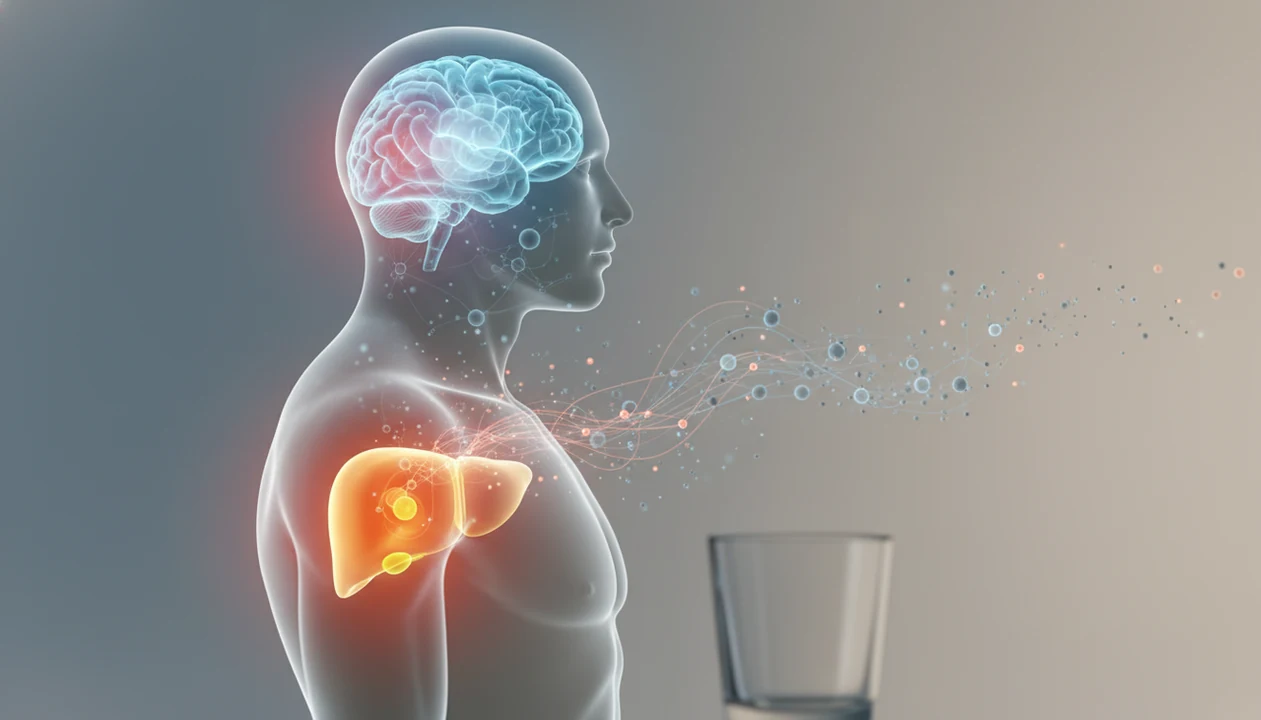
Alcohol can activate inflammatory signaling in the brain, particularly after repeated heavy exposure. It also disrupts sleep, alters stress and reward pathways, and strengthens learned cues that can contribute to brain fog and cravings. Brain fog after one drinking episode often improves within 24 to 72 hours, but persistent confusion, memory trouble, or balance problems need medical evaluation.
A foggy morning after drinking does not prove permanent brain damage, and an intense craving is not a failure of willpower. Alcohol affects several overlapping systems, including sleep, hydration, dopamine, stress chemistry, liver signals, and immune activity in the brain.
Timing and drinking pattern matter. A short-lived hangover is different from recurrent memory problems, and a cue-triggered urge is different from alcohol withdrawal. Sorting those patterns can help you choose a practical response and recognize when medical care is the safer next step.
Five links between alcohol, inflammation, fog, and urges
- Cravings are not weakness. Alcohol urges can involve reward pathways, learned cues, stress chemistry, and body-brain signaling. A sticky bar table under your fingertips can become part of the cue, not just the drink.
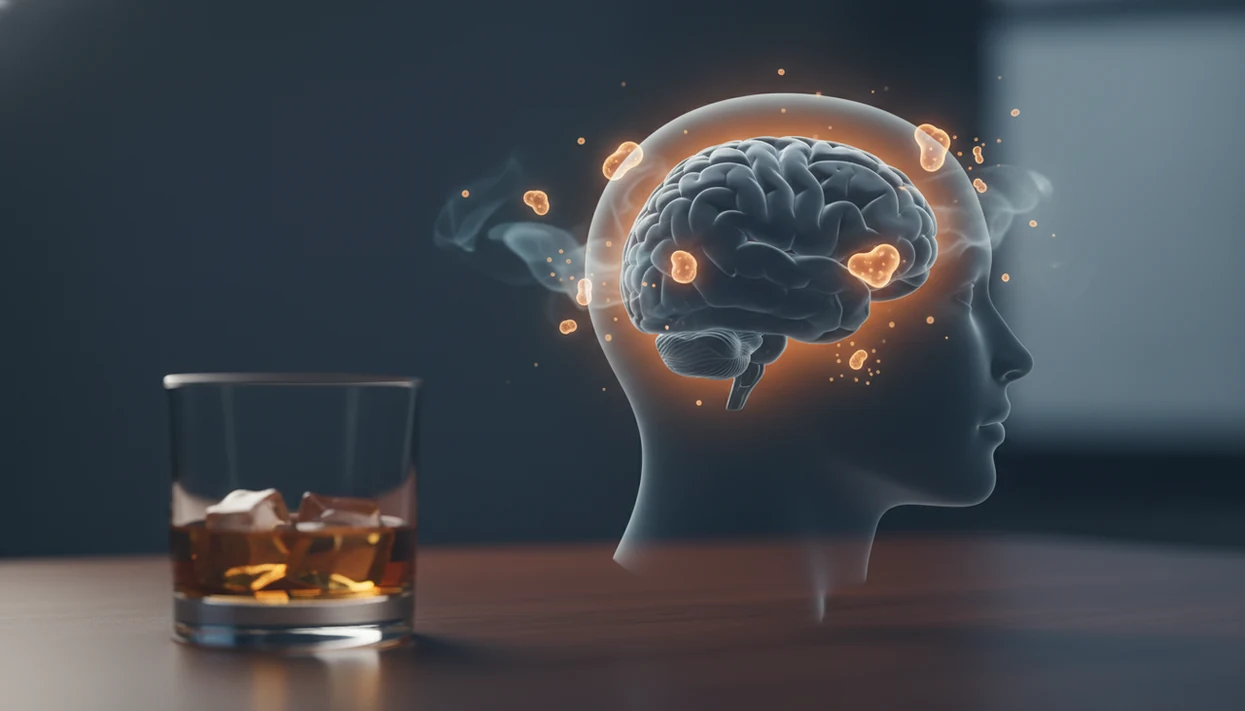
- Microglia are brain immune cells. Heavy alcohol exposure can activate microglia, which is one way researchers study microglia alcohol brain inflammation.
- The liver-brain axis matters. Liver signals such as FGF21 are being studied for links to alcohol preference and intake, but FGF21 is not a consumer craving cure.
- Brain fog has several causes. Brain fog after drinking can reflect neurotransmitter changes, fragmented sleep, dehydration, acetaldehyde, and ordinary hangover physiology.
- Some patterns need help. Repeated loss of control, drinking despite harm, escalating intake, and severe withdrawal symptoms should prompt qualified medical support.
For a broader background on how alcohol affects the brain, it helps to separate short-term effects from repeated exposure.
What happens in the brain after alcohol?
Alcohol changes craving risk through reward learning, stress systems, neurotransmitter rebound, and neuroimmune signaling. It affects dopamine, GABA, and glutamate, then leaves the brain adapting after the alcohol level falls.
Here is the plain version. Dopamine helps the brain learn what felt rewarding. GABA is part of alcohol’s calming effect, and glutamate is tied to alertness and rebound agitation. After repeated use, the brain can start predicting relief before a person drinks. The bartender reaching for the usual bottle may be enough to start the loop.
Microglia alcohol brain inflammation refers to activation of immune-like brain cells after alcohol exposure, especially in heavier patterns. Inflammatory signaling is only one part of craving, alongside reward learning, stress, sleep, and environmental cues. It means immune signaling may sit beside reward learning and stress chemistry.
For a research overview of alcohol-related neuroimmune signaling and microglial activation, see this NIH-indexed review: https://pmc.ncbi.nlm.nih.gov/articles/PMC4590612/.
In a 49-man Neuropsychopharmacology study, beer taste without intoxicating alcohol effects triggered dopamine release, showing how cues can activate reward pathways before drunkenness: https://pubmed.ncbi.nlm.nih.gov/23563124/.
The liver-to-brain signal FGF21, without the hype
The liver-brain axis is two-way communication between metabolic organs and the brain, including signals related to fuel use, stress, hormones, and alcohol exposure. In alcohol liver brain cravings research, this axis is one reason cravings are not only “in your head.”
FGF21 is a hormone-like liver signal studied for effects on alcohol preference, alcohol intake, and reward behavior. Some animal and human research suggests FGF21 may help the body respond to alcohol exposure, but that does not make it a supplement plan or a treatment recommendation.
FGF21 alcohol cravings research is promising, not settled. Liver stress, metabolism, inflammation, and reward biology may influence one another, but current evidence does not support one simple pathway. For people trying to cut back, the practical takeaway is still more ordinary: notice patterns, reduce repeated exposure, and seek clinical help when control is slipping.
If you drink heavily or daily, drink in the morning, or have had withdrawal symptoms before, get medical advice before cutting down or stopping. Call emergency services for a seizure, hallucinations, severe confusion, chest pain, trouble breathing, repeated vomiting, fainting, or suicidal intent.
Brain inflammation vs a routine hangover
Is brain fog after drinking inflammation? It can be part of the discussion, but it is not always the cause of next-day fog.
Short-term fog after drinking may come from sleep fragmentation, dehydration, blood sugar shifts, acetaldehyde, and GABA/glutamate rebound. Mood effects matter too. Anxiety the next morning can make attention feel worse, especially when sleep was broken into thin pieces. The headache behind the eyes at dusk is real, but it does not automatically point to permanent damage.
Next-day fog does not automatically mean brain injury. Still, repeated heavy exposure raises a different concern. The Royal College of Psychiatrists describes alcohol-related brain damage as most likely after more than 50 units per week for five years or more in women, and more than 60 units per week for five years or more in men: https://www.rcpsych.ac.uk/mental-health/problems-disorders/alcohol-related-brain-damage.
Readers worried about memory and focus may find the related alcohol brain fog focus guide useful.
Understand how alcohol causes brain inflammation and how long brain fog lasts
Alcohol neuroinflammation involves immune signaling in the brain, including activation of microglia and the release of cytokines. Microglia are protective cells that patrol brain tissue, clear debris, and respond to injury. They are not harmful by default. Repeated heavy alcohol exposure, poor sleep, poor nutrition, and other health stressors may push their activity toward a more inflammatory state.
| Time | Possible experience | Practical response |
|---|---|---|
| 0 to 24 hours | Slow thinking, headache, anxiety, broken sleep | Rest, eat, hydrate, and avoid more alcohol |
| 24 to 72 hours | Lingering fog, low mood, or weak concentration | Keep sleep times consistent and use light activity if you feel able |
| Beyond 72 hours | Recurrent fog, memory concerns, or unusually slow recovery | Reduce alcohol exposure and consider medical advice |
This timeline is a rough guide, not a diagnosis. Amount consumed, sleep loss, dehydration, food intake, stress, medications, and individual health can change recovery. With chronic heavy drinking, cognitive problems may last longer. A review of clinical research reported improvement in cognition and inflammatory markers after about four weeks of abstinence in studied patients, but that result is not a promise for every person. See the review of inflammation and cognition in alcohol use disorder.
Severe confusion, a new balance problem, one-sided weakness, or persistent memory loss should not be treated as an ordinary hangover.
Why a glass, place, or time can trigger a craving
Craving is a learned prediction system. The brain links a cue with expected reward, relief, social ease, or a quieter mood.
In the beer-taste study of 49 men, taste alone triggered dopamine release without intoxicating alcohol effects. That finding matters because it shows how cues can light up reward pathways before a person is drunk, or even before they decide to drink.
The cue can be a glass shape, a payday notification, a certain train stop, or the first beer after work. Repeated drinking can strengthen cue-reward loops and stress-relief expectations. The urge then feels sudden and physical.
A learned response can begin before there is much conscious debate.
Cravings are common and do not prove alcohol use disorder by themselves. But if cravings repeatedly override limits, or alcohol is used despite clear harm, the pattern deserves clinical attention.
Sort alcohol symptoms by timing and severity
Alcohol-related symptoms can look similar on the surface, but their meaning depends on timing, severity, and pattern. The table below is not a diagnosis; it is a sorting tool.
| Signal | Common short-term explanation | When to seek support |
|---|---|---|
| Brain fog | Poor sleep, dehydration, acetaldehyde, neurotransmitter rebound | Persistent confusion, worsening memory, or repeated heavy use |
| Irritability | Hangover physiology, low sleep quality, stress rebound | Aggression, relationship harm, or inability to reduce drinking |
| Anxiety rebound | GABA/glutamate shift, poor sleep, regret, low blood sugar | Panic, chest pain, or suicidal thoughts |
| Sleep disruption | Alcohol-sedated sleep that fragments later | Ongoing insomnia with escalating drinking |
| Cue-triggered urges | Learned dopamine and habit loops | Urges repeatedly break planned limits |
| Loss of control | Reinforced reward and relief learning | Drinking despite harm, withdrawal, or safety risks |
Seizures, severe confusion, hallucinations, chest pain, or suicidal thoughts are urgent warning signs. Do not manage those with tracking alone.
Put your drinking pattern into measurable terms
The CDC alcohol-use thresholds define binge drinking as four or more drinks for women or five or more for men on one occasion. Heavy drinking means eight or more drinks per week for women or 15 or more for men. These thresholds describe higher-risk patterns, not safe limits.
- About 12 ounces of 5% beer counts as one standard drink.
- About 5 ounces of 12% wine counts as one standard drink.
- About 1.5 ounces of 40% spirits counts as one standard drink.
- A strong beer, large wine pour, or mixed drink may contain more than one standard drink.
Record each drink before consuming it, including the size and alcohol strength. The CDC drink-checking guidance can help turn a vague estimate into a count. Even drinking described as moderate can carry more health risk than not drinking, so cutting down can still be useful.
Withdrawal signs that need medical care
Seek medical help urgently if alcohol symptoms include seizures, hallucinations, severe confusion, chest pain, or suicidal thoughts. Also get professional support if you have tried to cut back several times and keep returning to drinking despite harm.
Cue-driven cravings can feel intense but are usually tied to a trigger: a place, time, feeling, person, or routine. Withdrawal is different. It can involve shaking, sweating, nausea, racing heart, high anxiety, insomnia, confusion, or symptoms that worsen after alcohol leaves the body. Because the nervous system adapts to repeated alcohol exposure, stopping suddenly can become medically dangerous for some people.
- Get emergency help immediately for a seizure, hallucinations, chest pain, fainting, severe confusion, trouble breathing, or suicidal intent.
- Contact a qualified clinician before stopping suddenly if you drink heavily, drink daily, or have had withdrawal symptoms before.
- Ask for an assessment when cravings repeatedly break limits, lead to unsafe behavior, or keep returning after sincere cutback attempts.
- Use tracking as support only for patterns and cues; do not rely on it to manage detox, medical instability, or emergency risk.
Build a craving log you can act on
A useful craving log records time, trigger, intensity, emotion, body state, and response. “7:40 p.m., argument, urge 8/10, tight chest, ate dinner late, walked outside for 12 minutes” is more useful than “bad mood.”
Use the log to interrupt automatic drinking. Try urge surfing, a 10-minute delay, changing the route home, eating before the usual drinking window, hydrating, and protecting sleep. These steps do not treat withdrawal, but they can reduce cue-driven autopilot for many people.
Pair a specific drinking limit with a craving log so you can see which times, settings, and emotions repeatedly break the plan.
Tracking cannot manage alcohol withdrawal or replace urgent medical care.
People comparing app options can also use a best drink less app guide to check whether a tool matches their limits, privacy needs, and support style.
Questions about alcohol, inflammation, and brain fog
Does alcohol cause inflammation in the brain?
Alcohol can activate immune and inflammatory signaling in the brain, especially with repeated heavy exposure. Microglia, the brain's immune cells, may become more active and release inflammatory messengers. This does not mean every hangover or craving is caused by inflammation. Sleep loss, dehydration, stress chemistry, and neurotransmitter rebound also matter.
What does alcohol brain fog feel like?
People may describe slow thinking, poor concentration, forgetfulness, low motivation, irritability, or trouble finding words. These symptoms are nonspecific. A hangover, broken sleep, dehydration, anxiety, depression, withdrawal, nutritional problems, medications, and medical conditions can produce similar fog.
How long does brain fog last after drinking?
After a single drinking episode, fog often improves within 24 to 72 hours. Recovery can take longer after heavy drinking, repeated binges, severe sleep loss, or poor nutrition. Seek medical evaluation if fog persists for several weeks or comes with worsening memory, confusion, balance trouble, weakness, or major mood changes.
Can moderate drinking cause brain fog?
Yes. Even a smaller amount can cause fog in someone who is sensitive to alcohol, slept poorly, became dehydrated, drank without eating, or combined alcohol with a medication. Drink size also matters because a strong beer, generous wine pour, or cocktail may contain more than one standard drink.
Can brain inflammation make alcohol cravings stronger?
Inflammatory signaling may contribute to stress, mood, and reward changes associated with craving, but it is not the only cause. Cravings also grow from learned cues, dopamine, sleep loss, relief-seeking, and repeated routines. A certain time, place, person, smell, or glass can trigger an urge before drinking starts.
Do alcohol cravings mean my brain is permanently damaged?
No. Cravings are learned, time-limited responses and do not by themselves prove permanent injury. They can become strong after repeated drinking because the brain predicts reward or relief. If cravings repeatedly defeat your limits, lead to harmful drinking, or occur with withdrawal, ask a clinician about counseling and medication options.
Can I quit alcohol suddenly if I have brain fog?
Not safely in every case. If you drink heavily or daily, drink in the morning, or have experienced shaking, sweating, racing heart, hallucinations, or seizures after stopping, seek medical advice first. Alcohol withdrawal can begin within hours and may become life-threatening, even if a previous attempt seemed manageable.
When should alcohol-related brain fog be treated as an emergency?
Get emergency help for severe confusion, a seizure, hallucinations, fainting, trouble breathing, chest pain, one-sided weakness, repeated vomiting, or inability to keep fluids down. Suicidal intent also requires immediate help. Persistent memory loss, worsening balance, or fog lasting several weeks needs prompt medical evaluation.